The child's life is put on a social and domestic pause: there is almost no communication with peers, games, entertainment, or household duties. And so it remains until adolescence. With the first menstruation, it is believed that the goddess leaves the girl's body and it is time to choose a new Kumari. In one day, a child isolated for years returns to ordinary life.
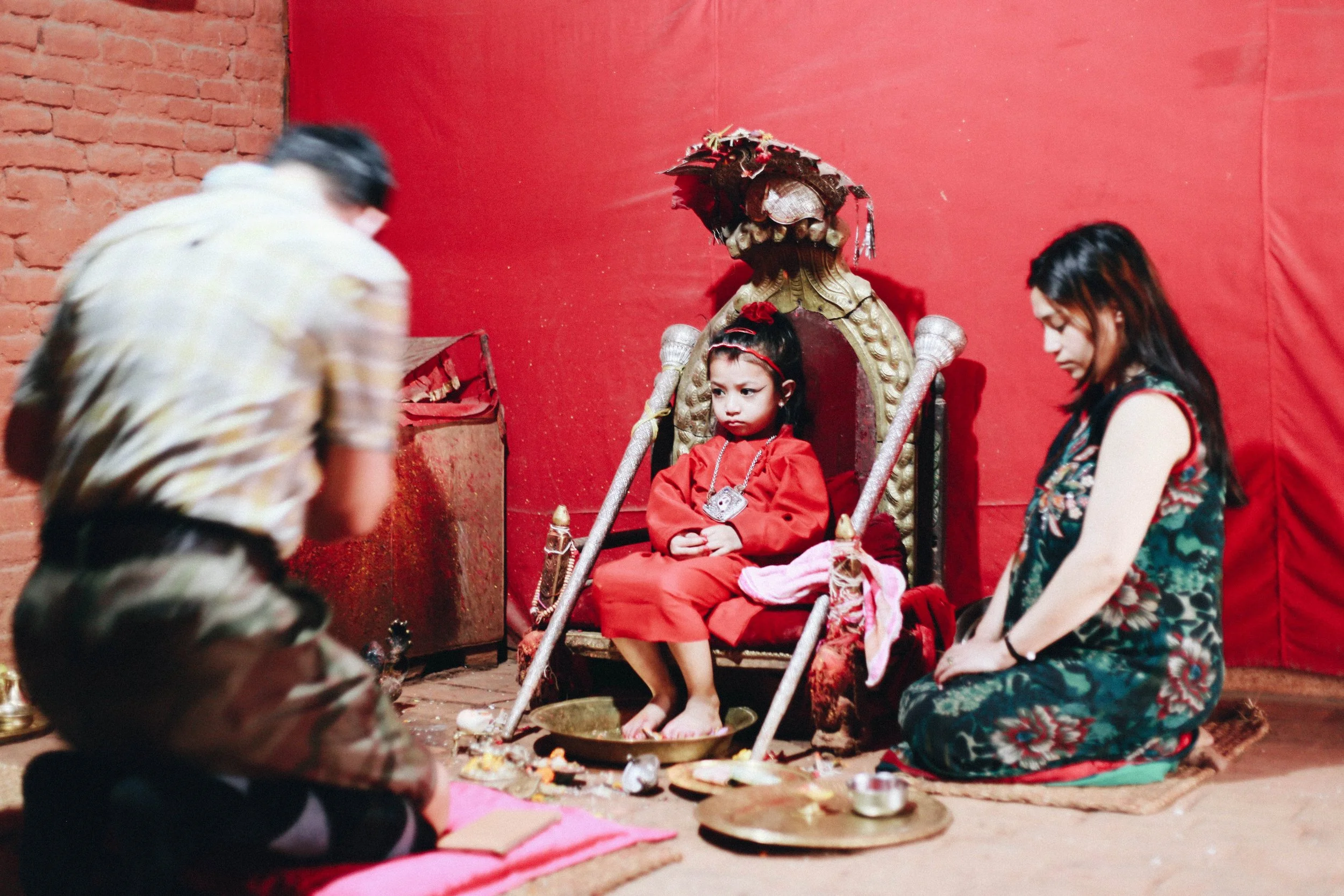
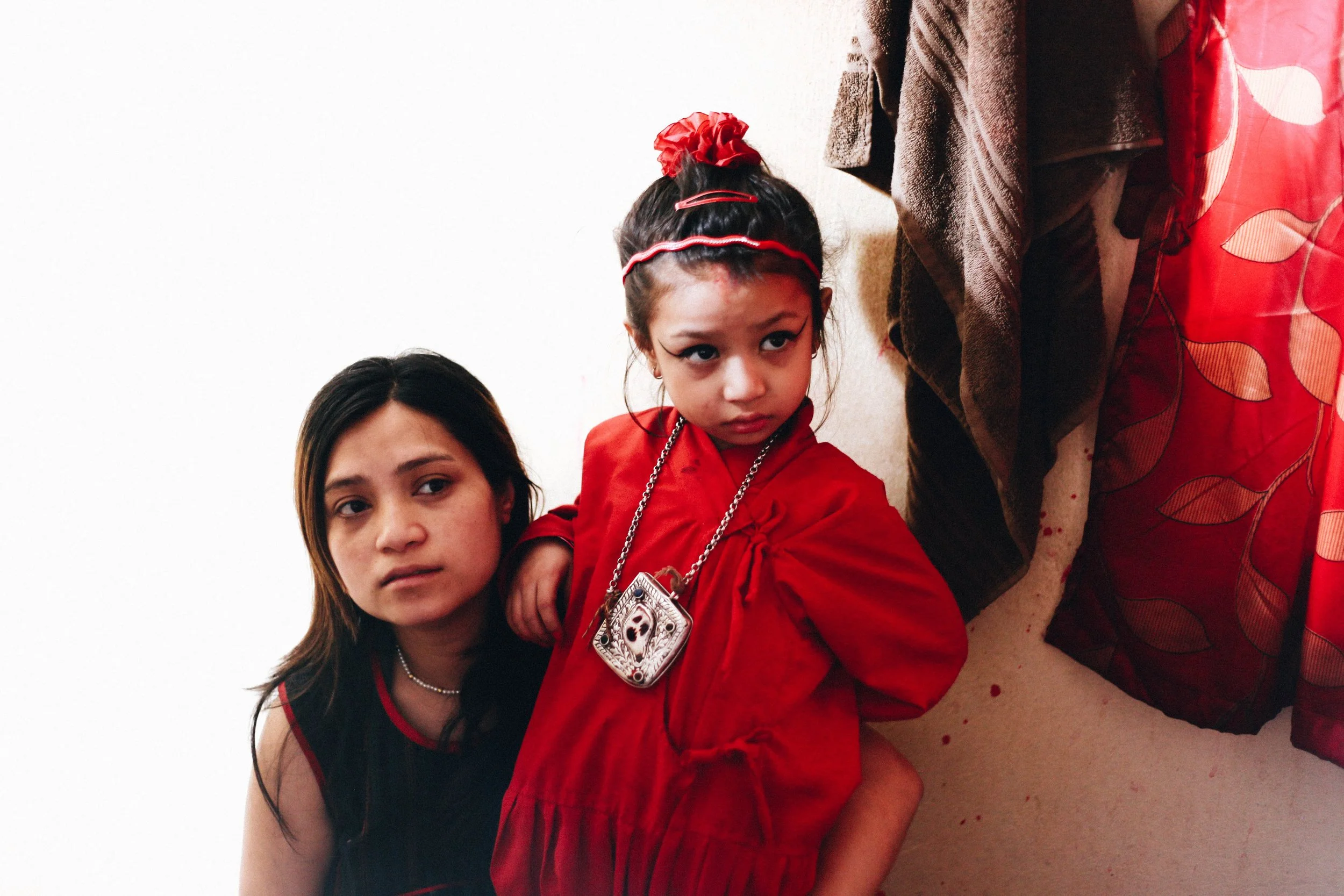
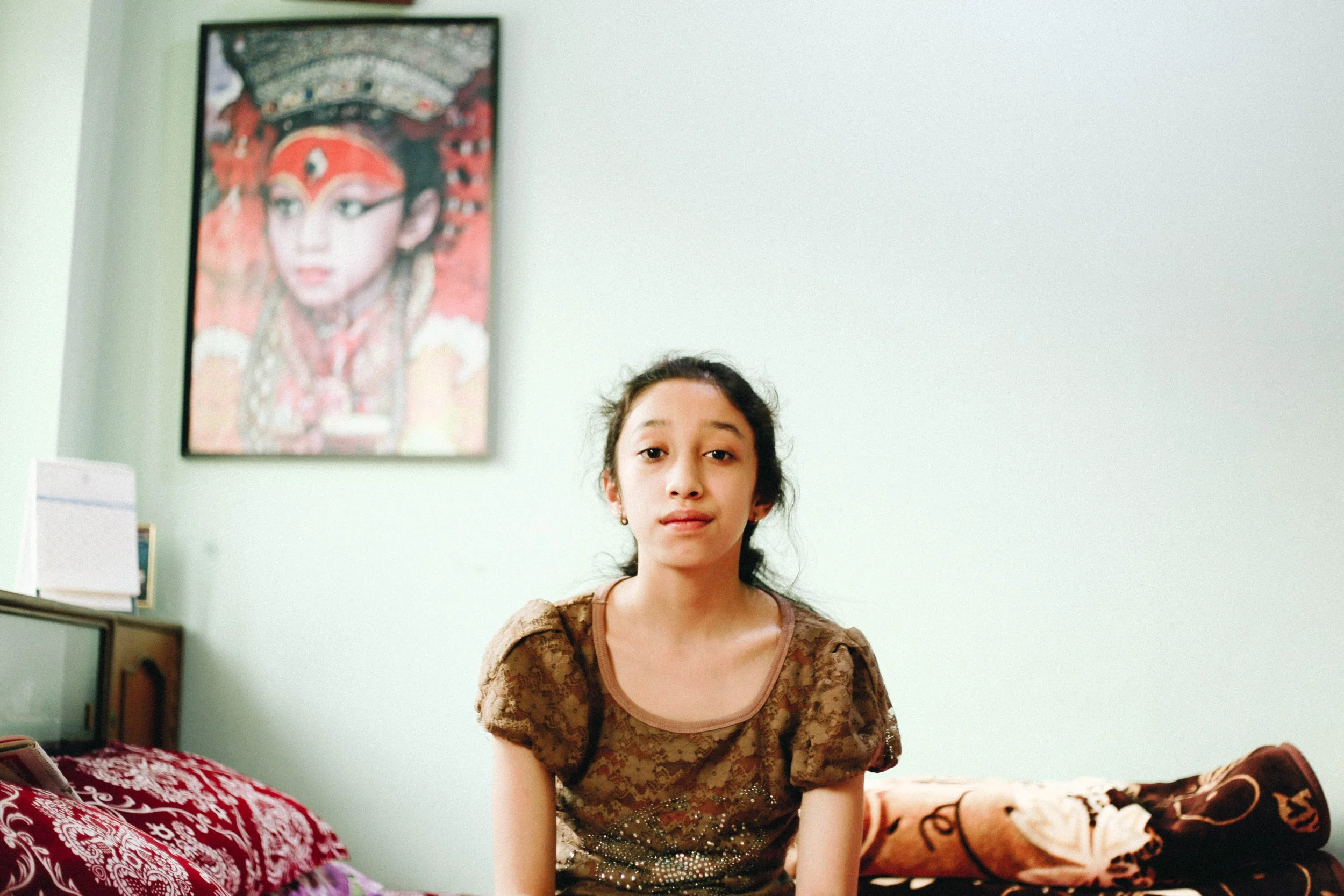
But no matter how sacred may try to dominate the earthly, behind every tradition stand personal stories. It is precisely on these stories that Natalia Maiboroda focuses attention in her documentary photo series The Living Goddess.
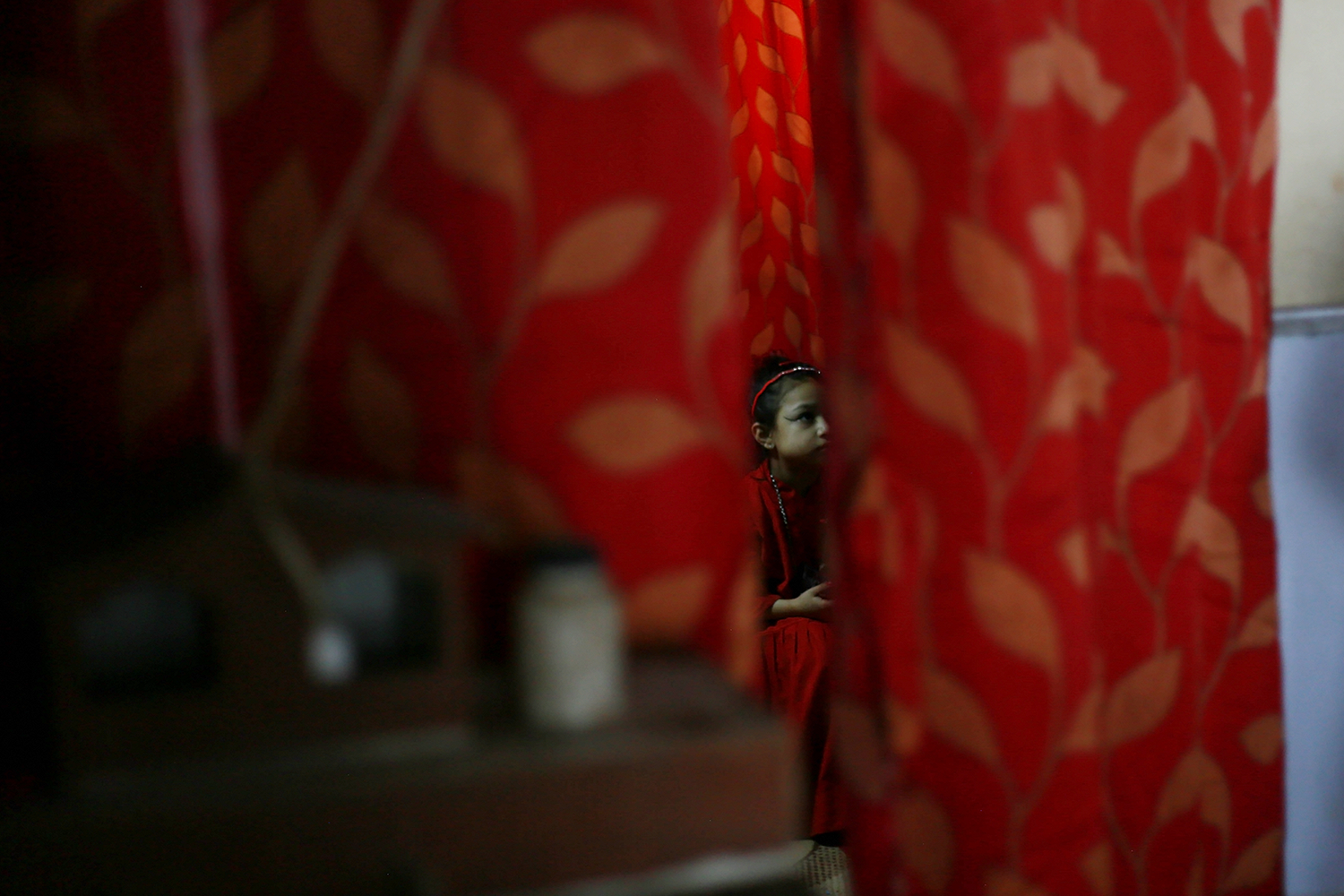
The entire focus is concentrated on the life of a child who finds themselves between two worlds: the human and the sacred. For the photographer, the tradition is important in the context of human life and how it affects a person.
A Study of Time
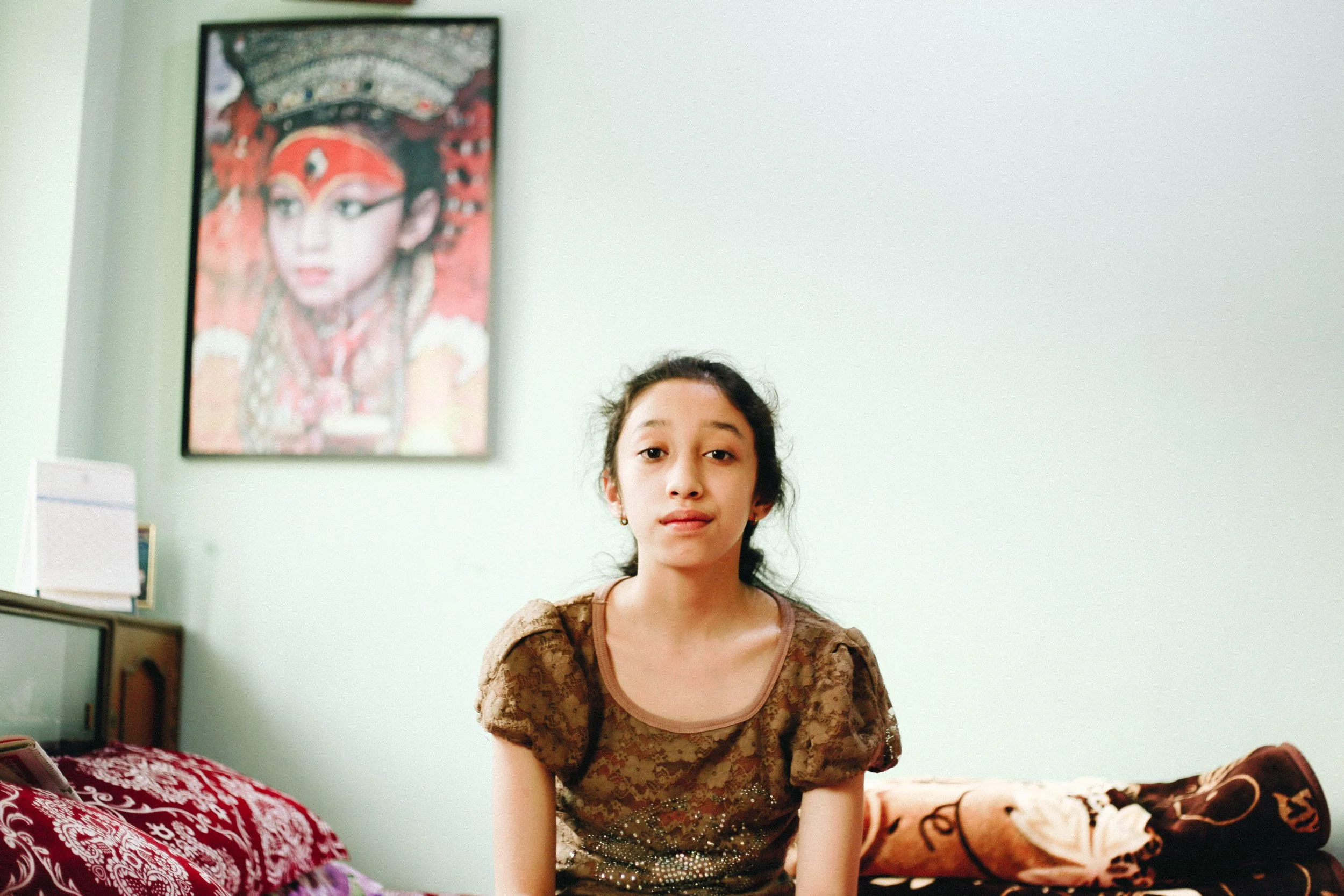
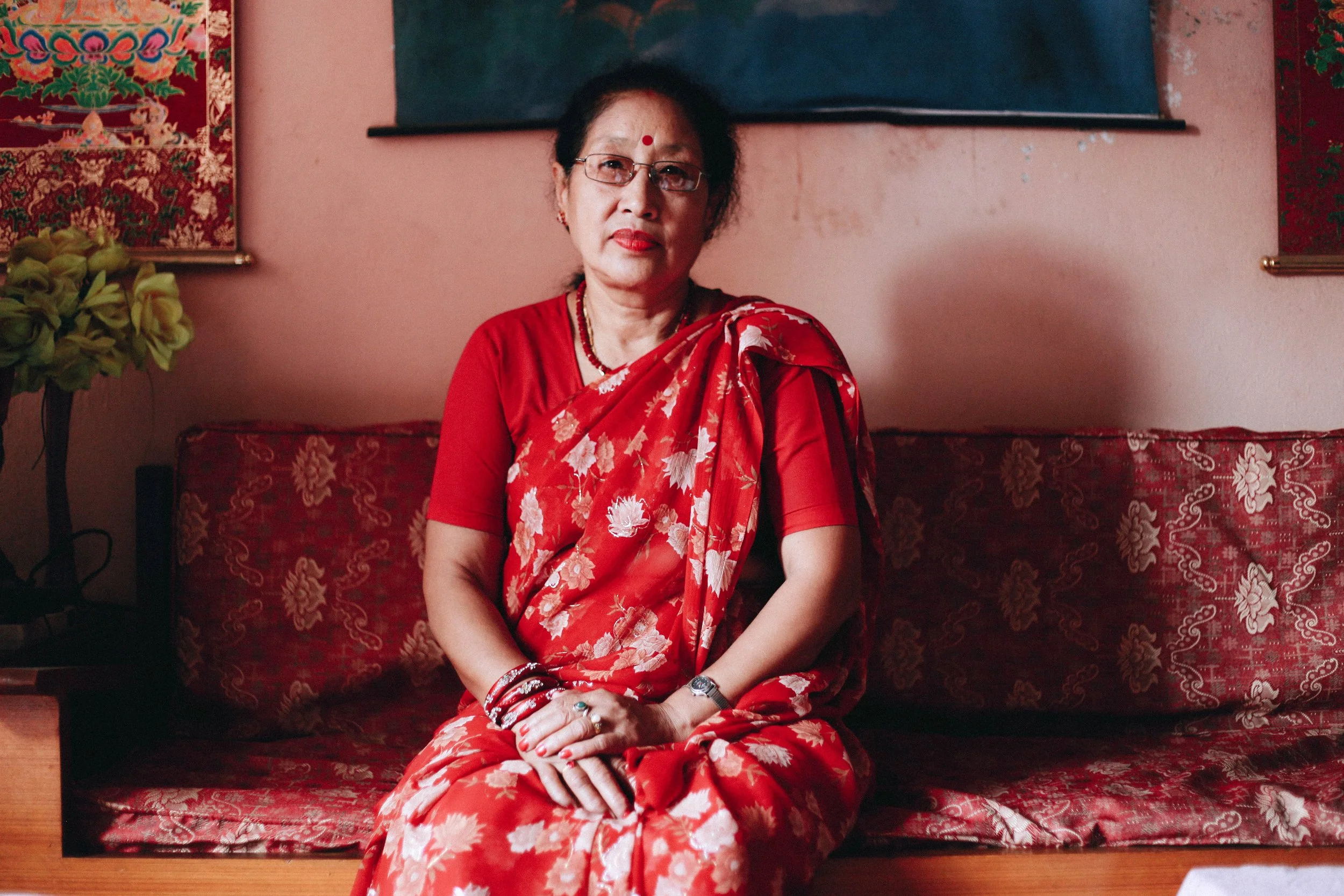
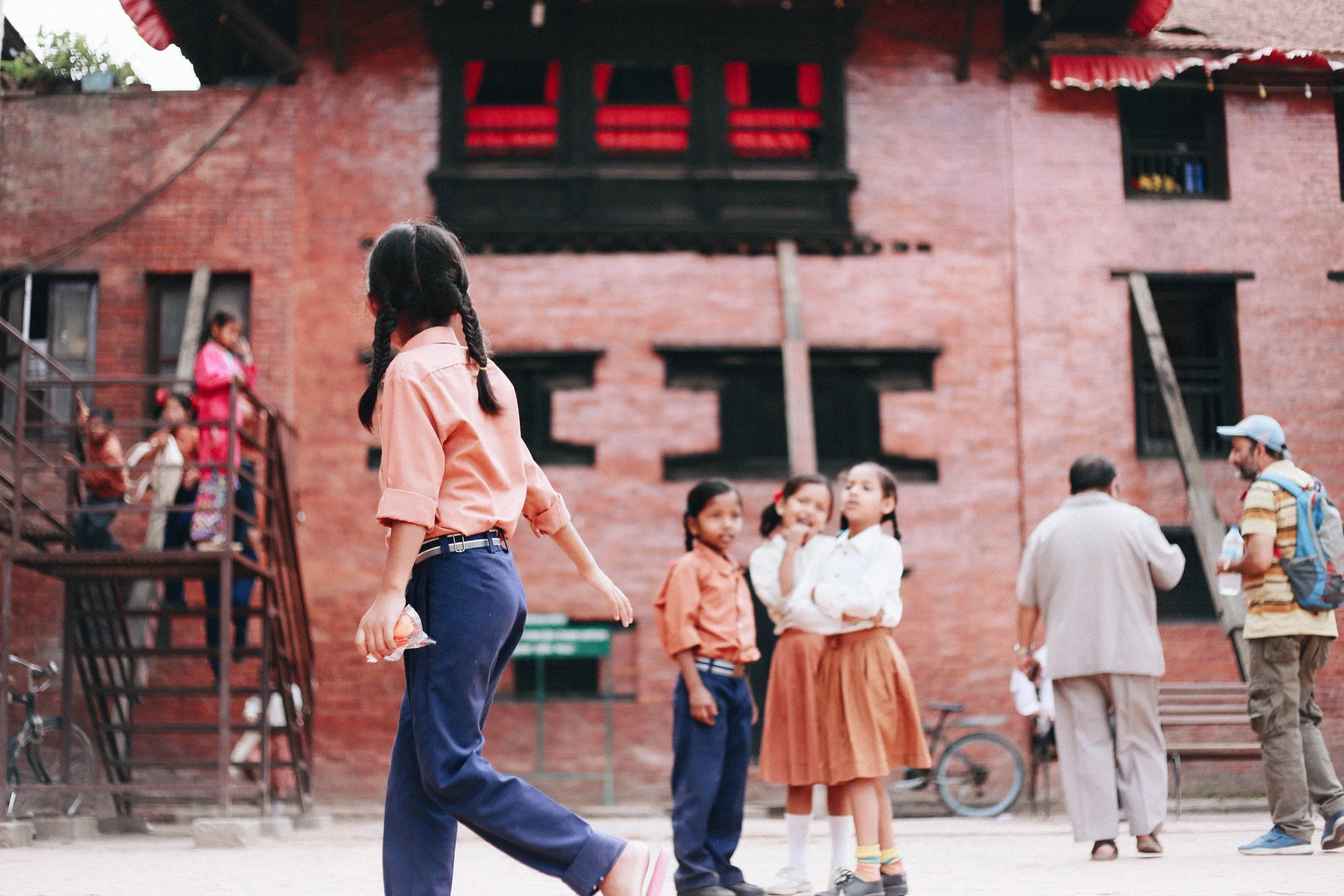
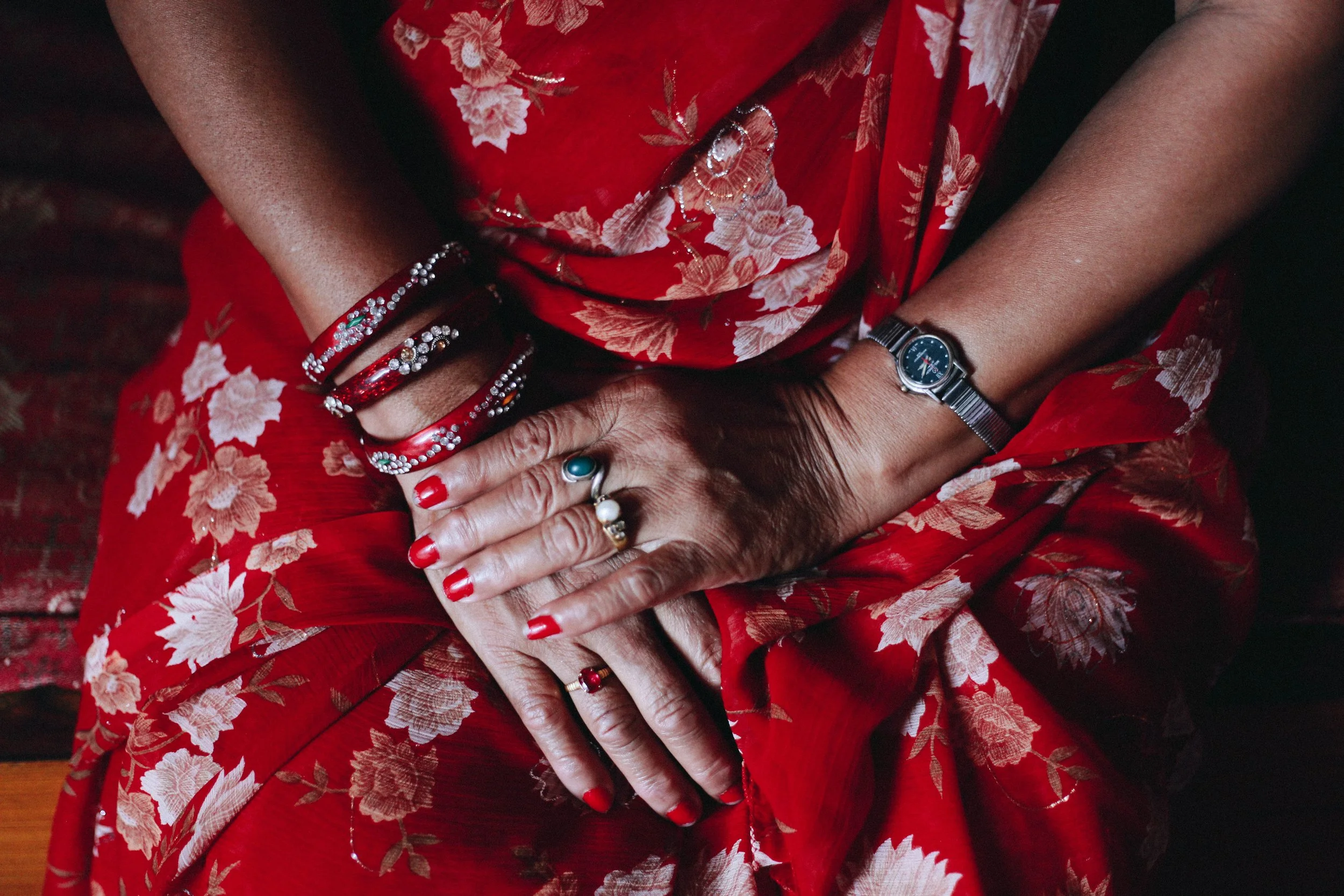
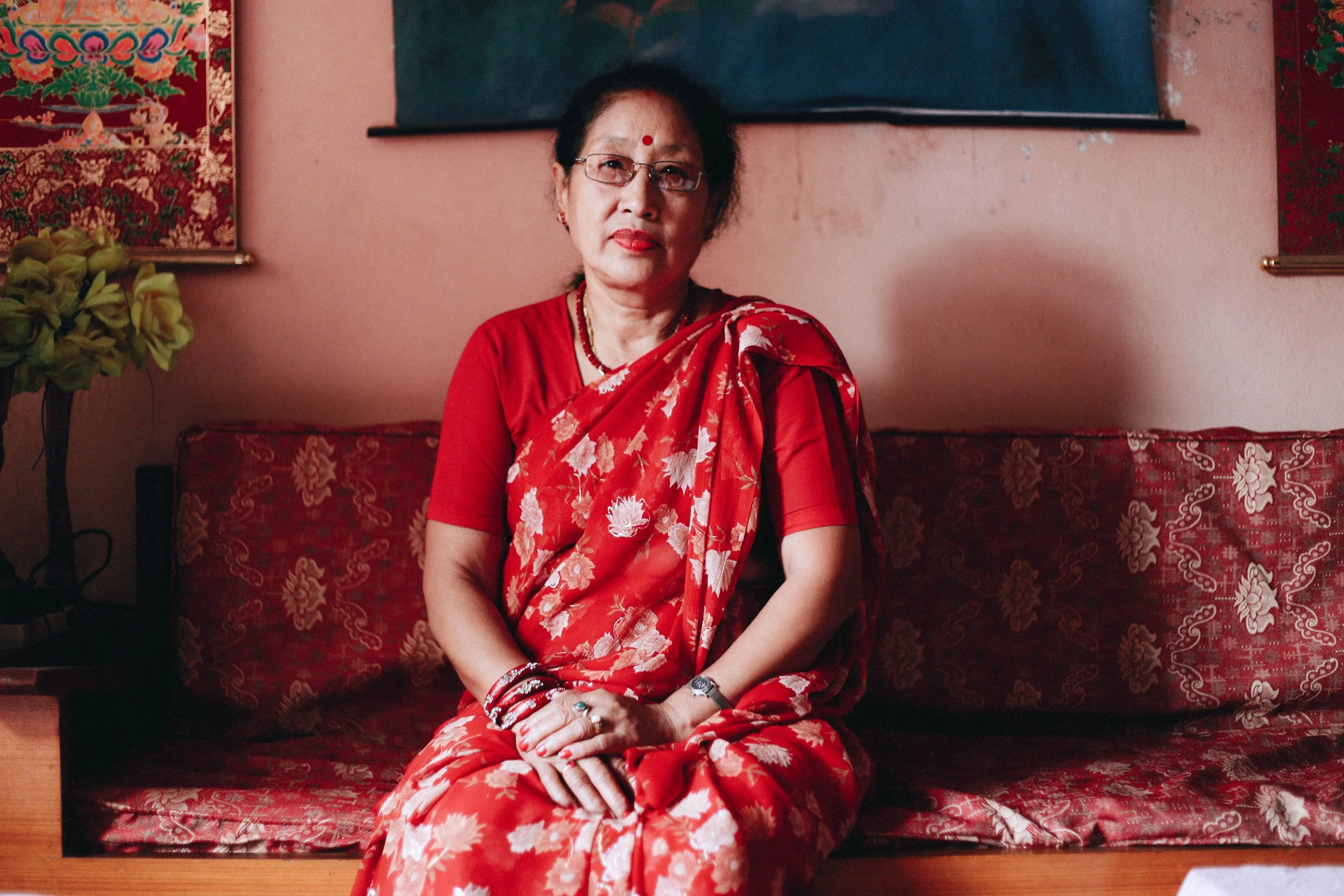
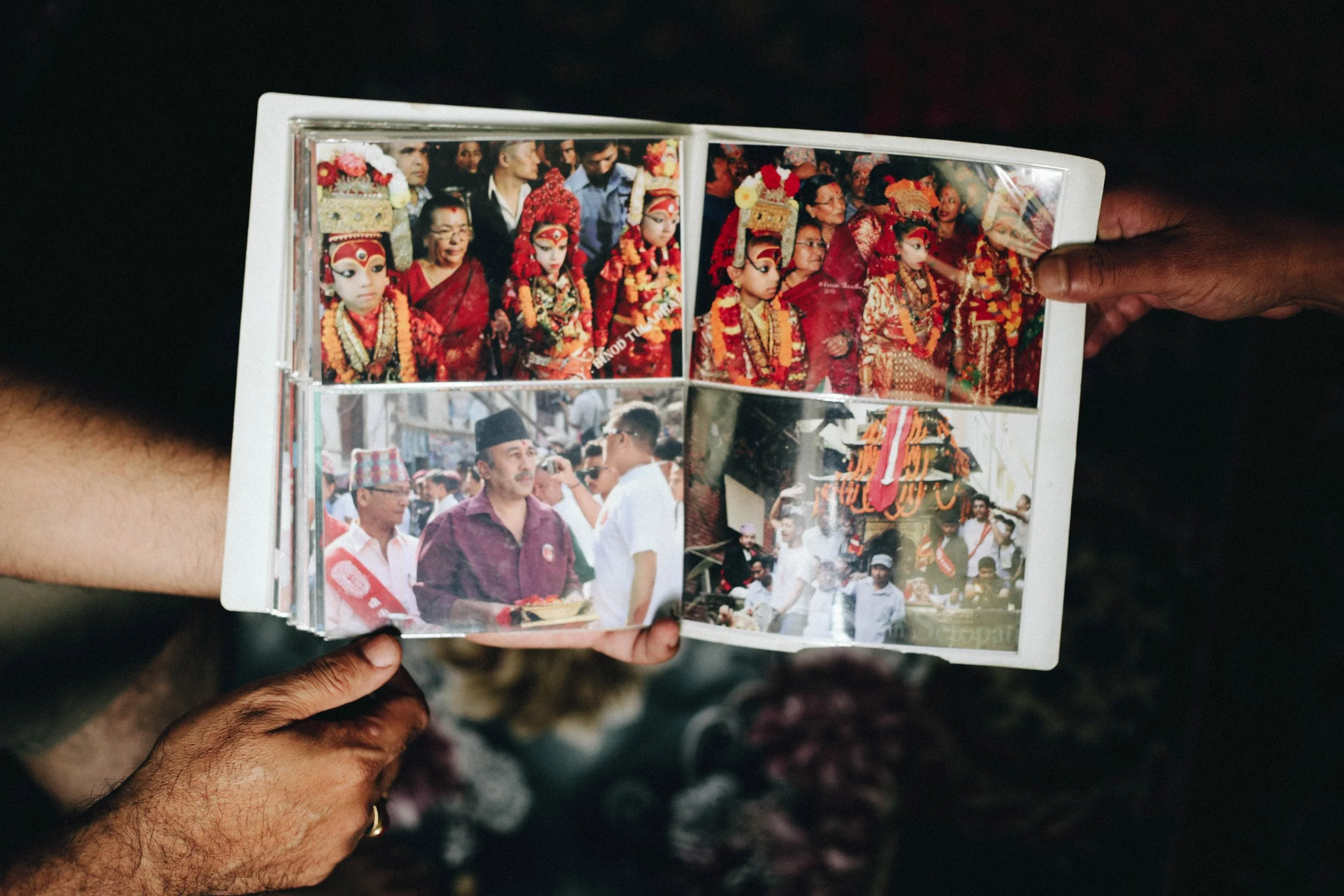
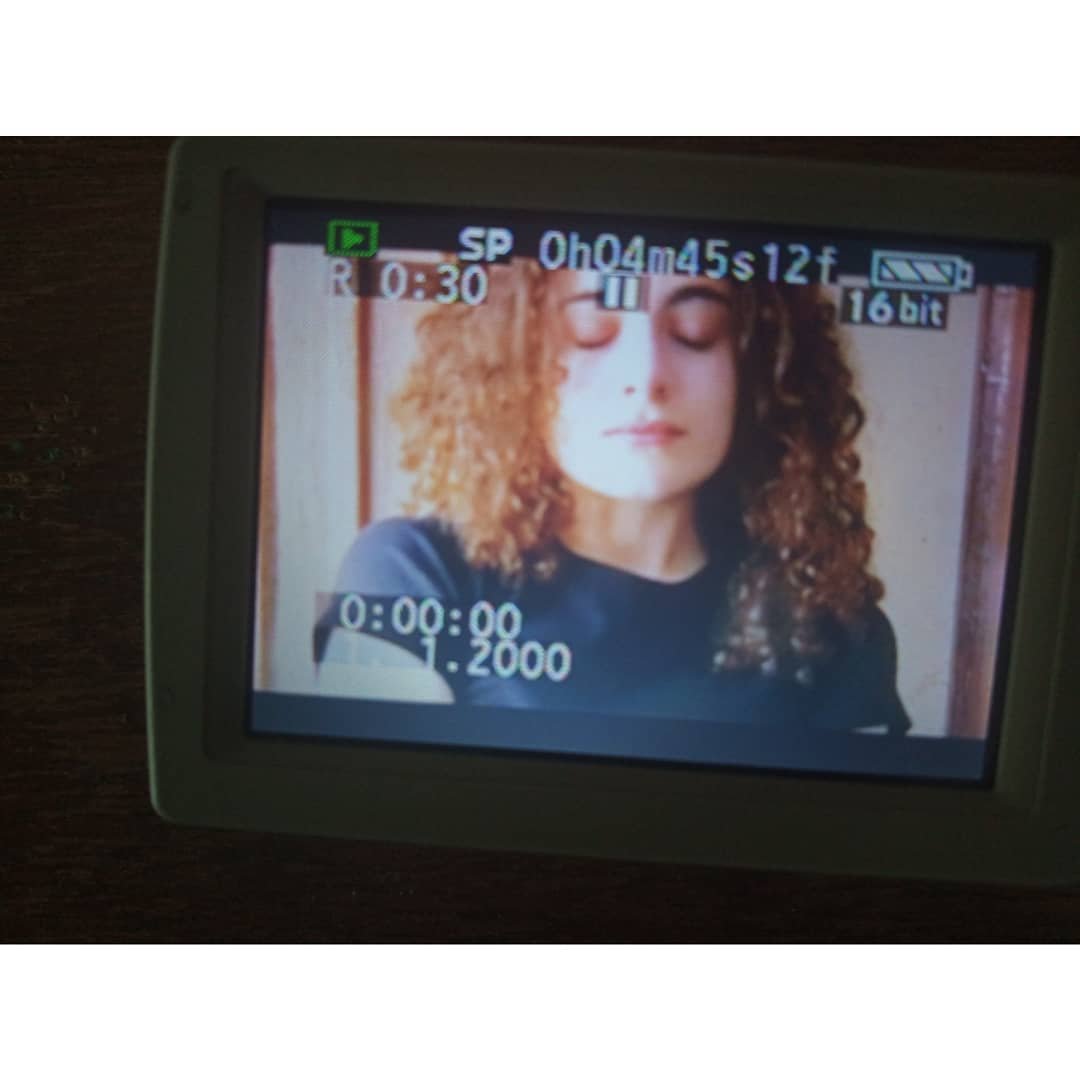
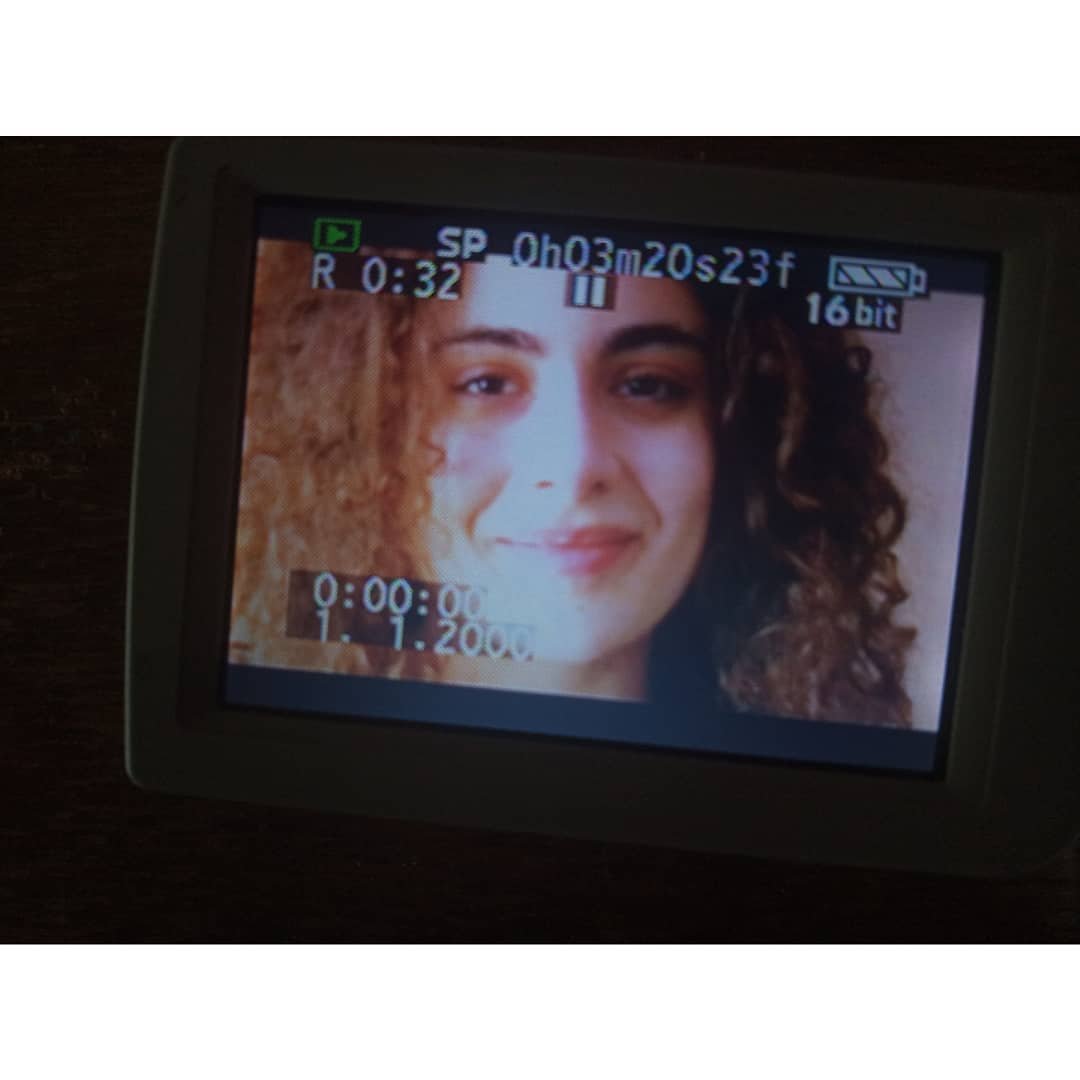
In the frames, we see one story of three heroines: five-year-old Kumari Nihira, twelve-year-old former Kumari Matina, and sixty-year-old Nanimay. Through their lives, the viewer sees how the tradition affects a person's fate.


































































Donec id justo non metus auctor commodo ut quis enim. Mauris fringilla dolor vel condimentum imperdiet.