
The Kumari Tradition Through the Documentary Eye of Natalia Maiboroda
The Kumari tradition has existed in Nepal since the 17th century. For centuries, little girls aged 3–5 years have undergone strict selection to become the earthly embodiment of the goddess Taleju. Once the selection is made, the girl moves to live in the Kumari Palace and becomes an object of worship.
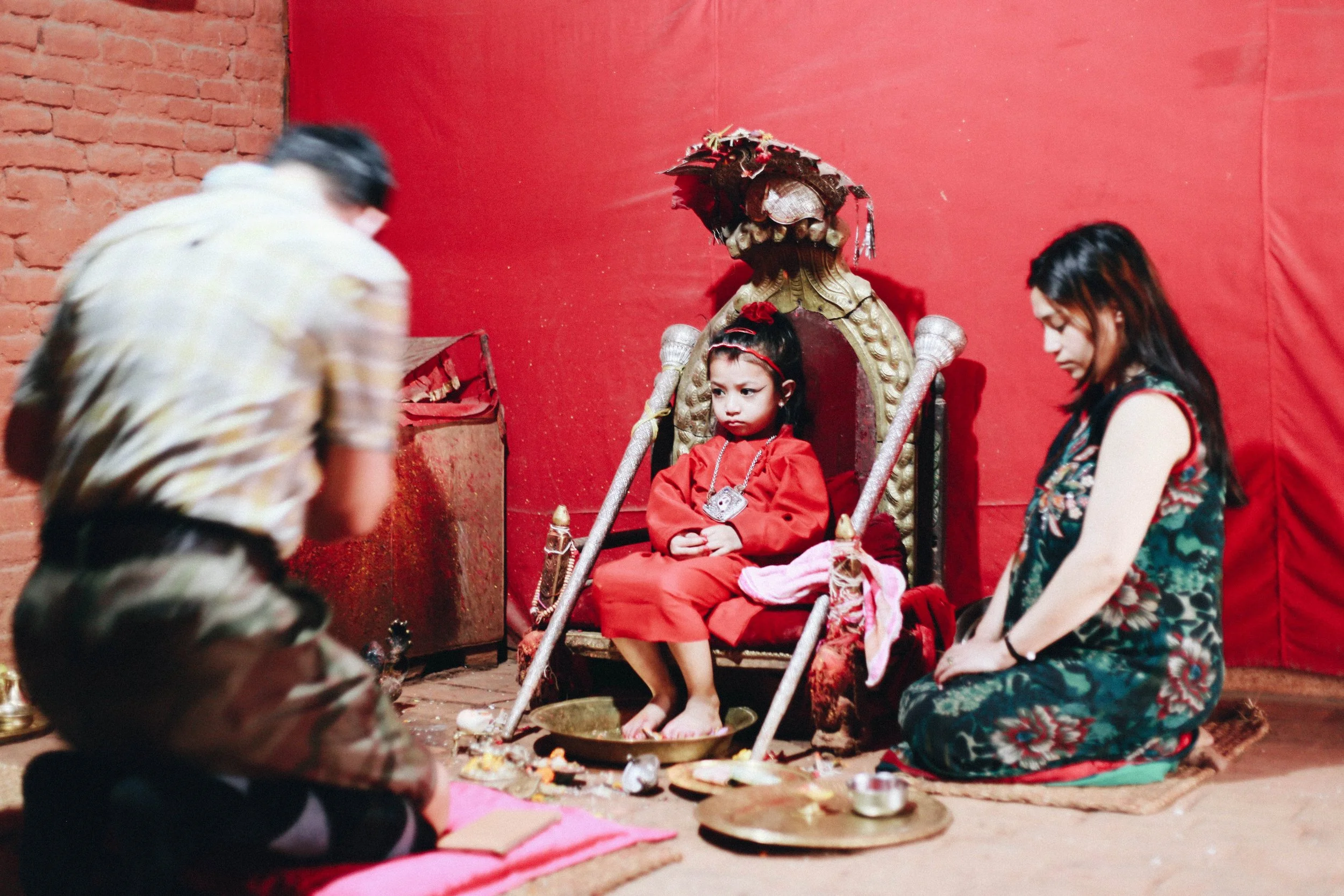
The child's life is put on a social and domestic pause: there is almost no communication with peers, games, entertainment, or household duties. And so it remains until adolescence. With the first menstruation, it is believed that the goddess leaves the girl's body and it is time to choose a new Kumari. In one day, a child isolated for years returns to ordinary life.
But no matter how sacred may try to dominate the earthly, behind every tradition stand personal stories. It is precisely on these stories that Natalia Maiboroda focuses attention in her documentary photo series The Living Goddess.
The entire focus is concentrated on the life of a child who finds themselves between two worlds: the human and the sacred. For the photographer, the tradition is important in the context of human life and how it affects a person.
A Study of Time
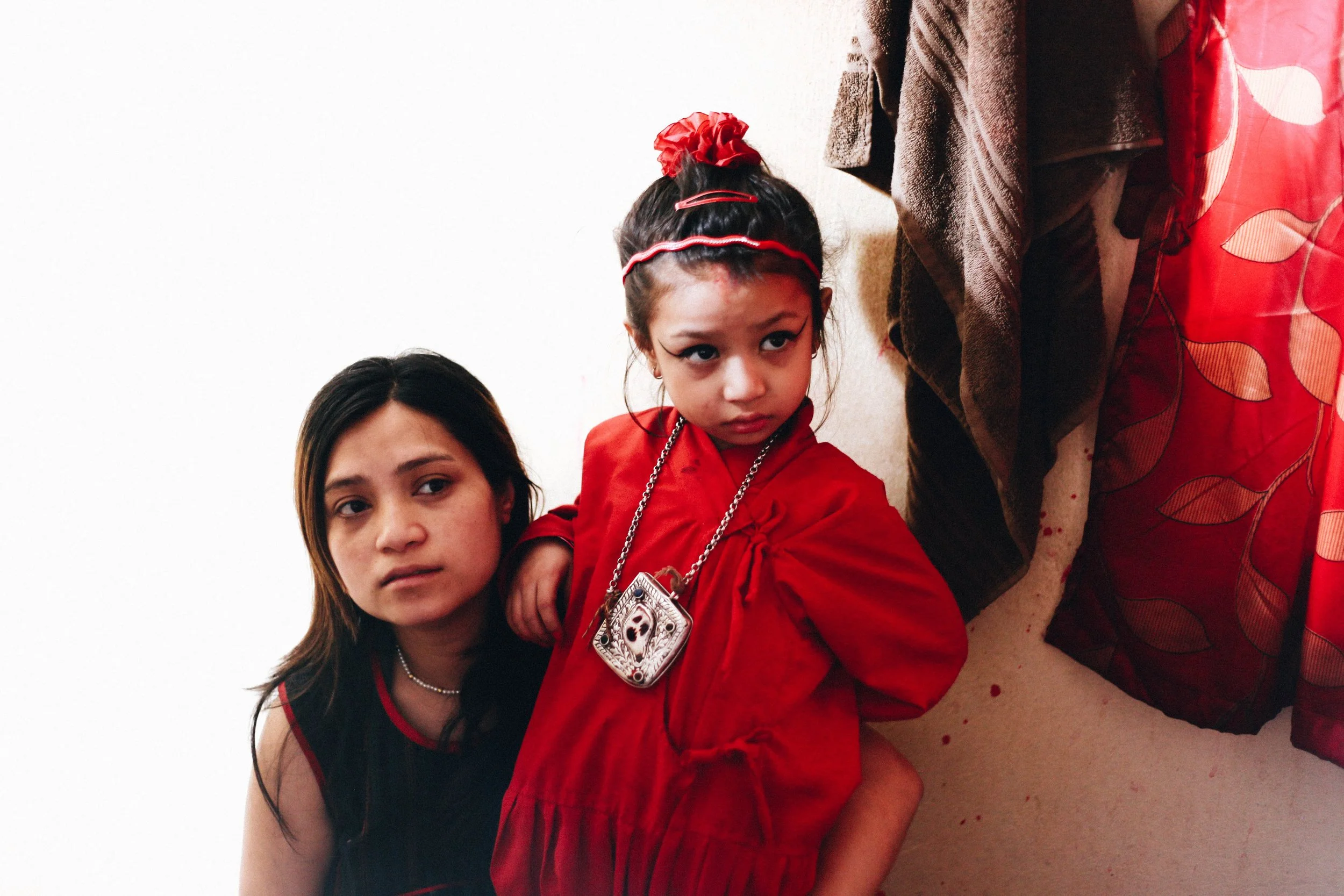
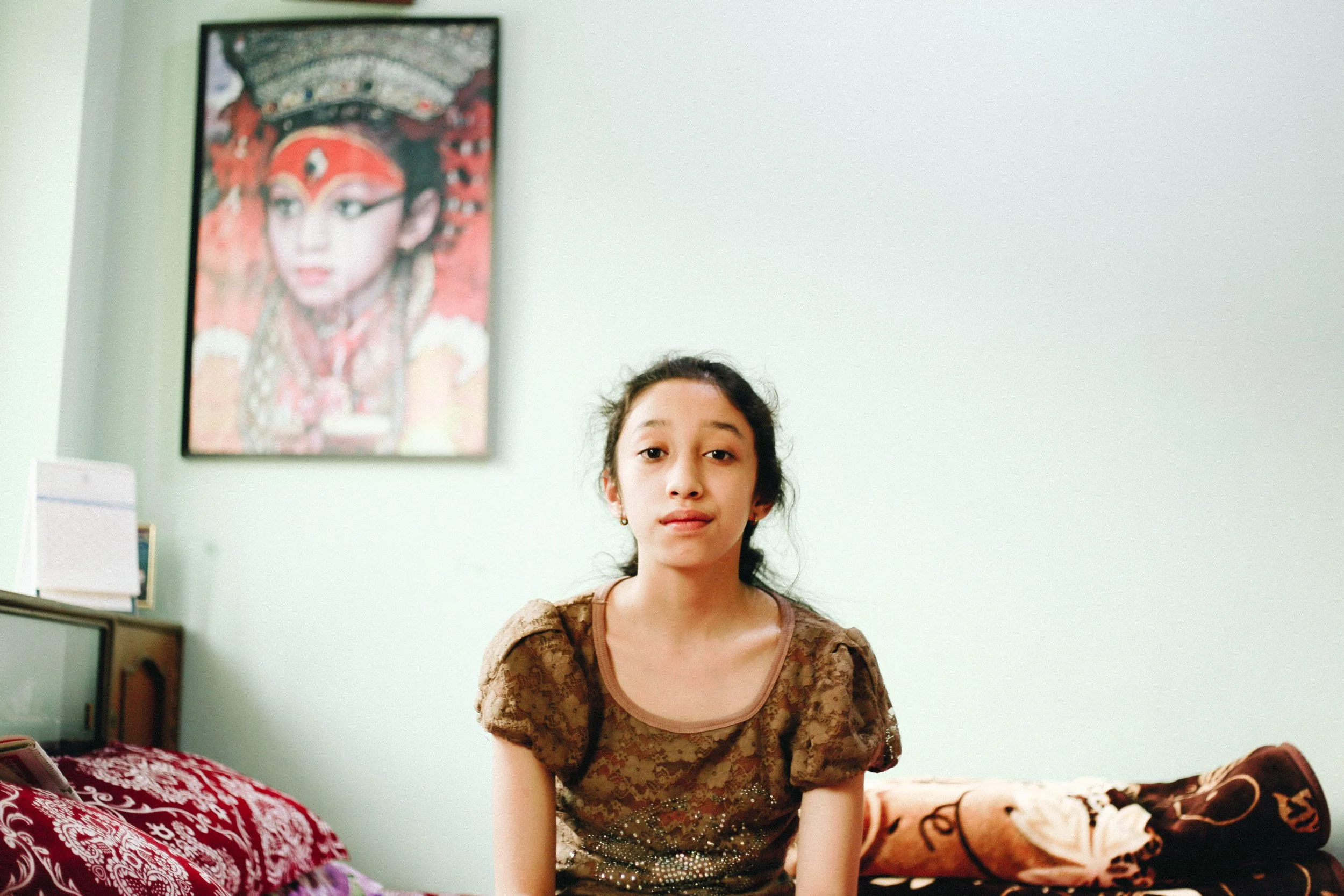
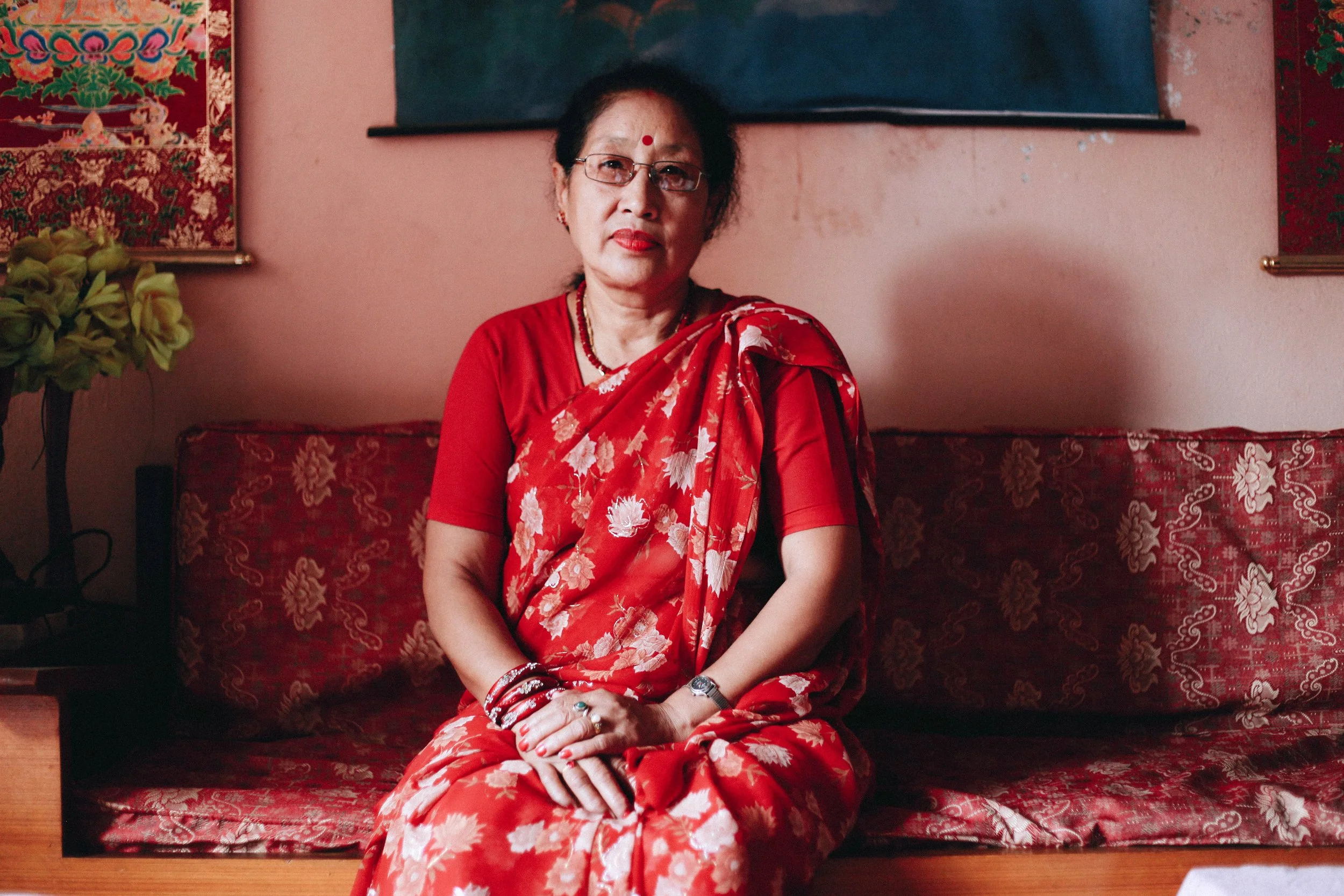
In the frames, we see one story of three heroines: five-year-old Kumari Nihira, twelve-year-old former Kumari Matina, and sixty-year-old Nanimay. Through their lives, the viewer sees how the tradition affects a person's fate.

The Space of Isolation
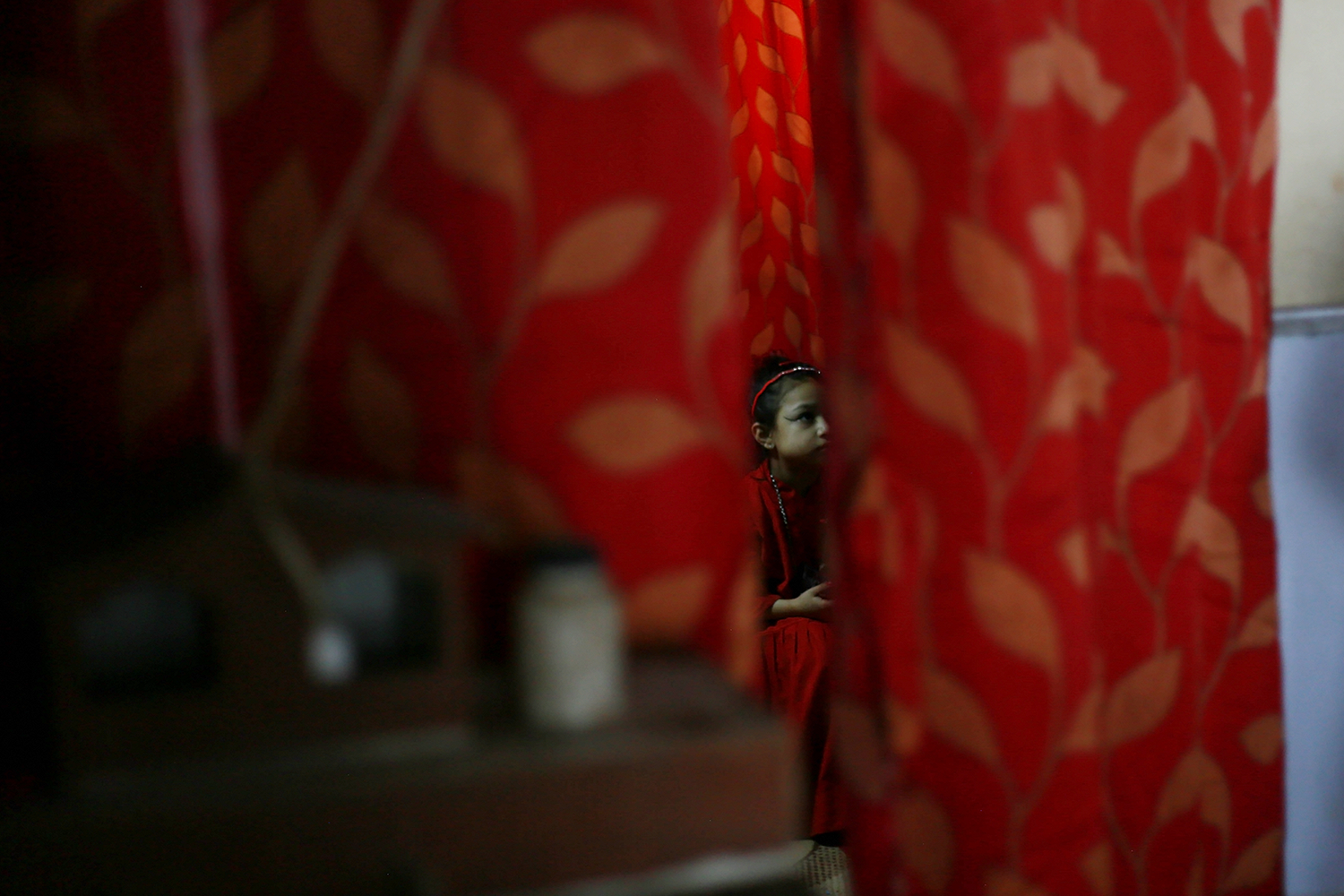
While other girls dream of becoming Kumari, the little goddess sits alone in a room whose entrance is forbidden outside of religious ceremonies. The sacred status unexpectedly turns out to be not a gift of fate, but a job with strict conditions.
Isolation is felt at the level of composition: the girl is in the depths of the room, practically hidden by darkness from the outside world.

Lost Childhood
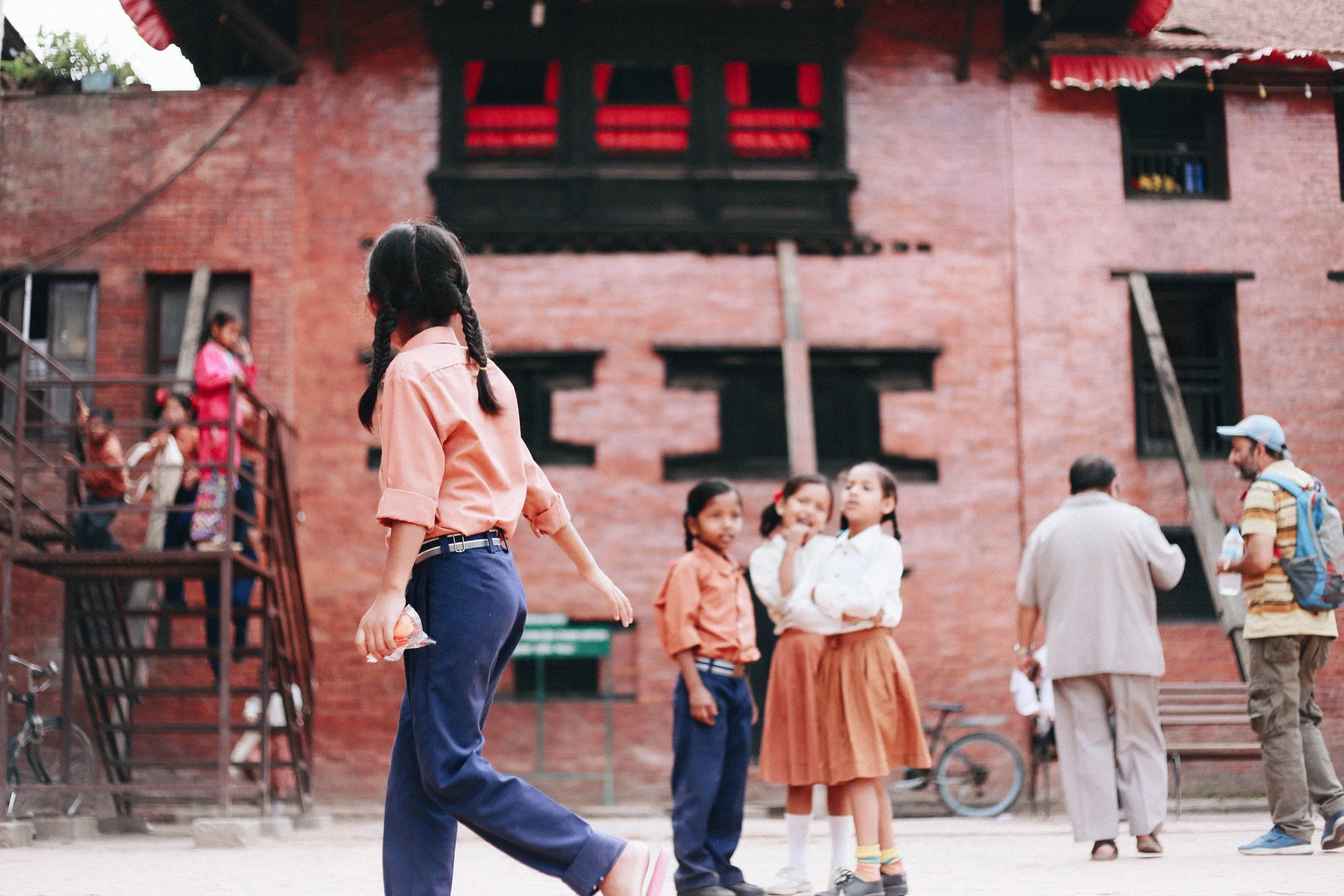
One of the most striking techniques in the series is the juxtaposition of an ordinary childhood and the life of Kumari. In Kathmandu, the goddess's palace is located directly opposite a school. Physically there are just a few meters between them, but tradition creates an insurmountable distance. Freedom and solitude end up on opposite sides for many years.

The Color of Memory
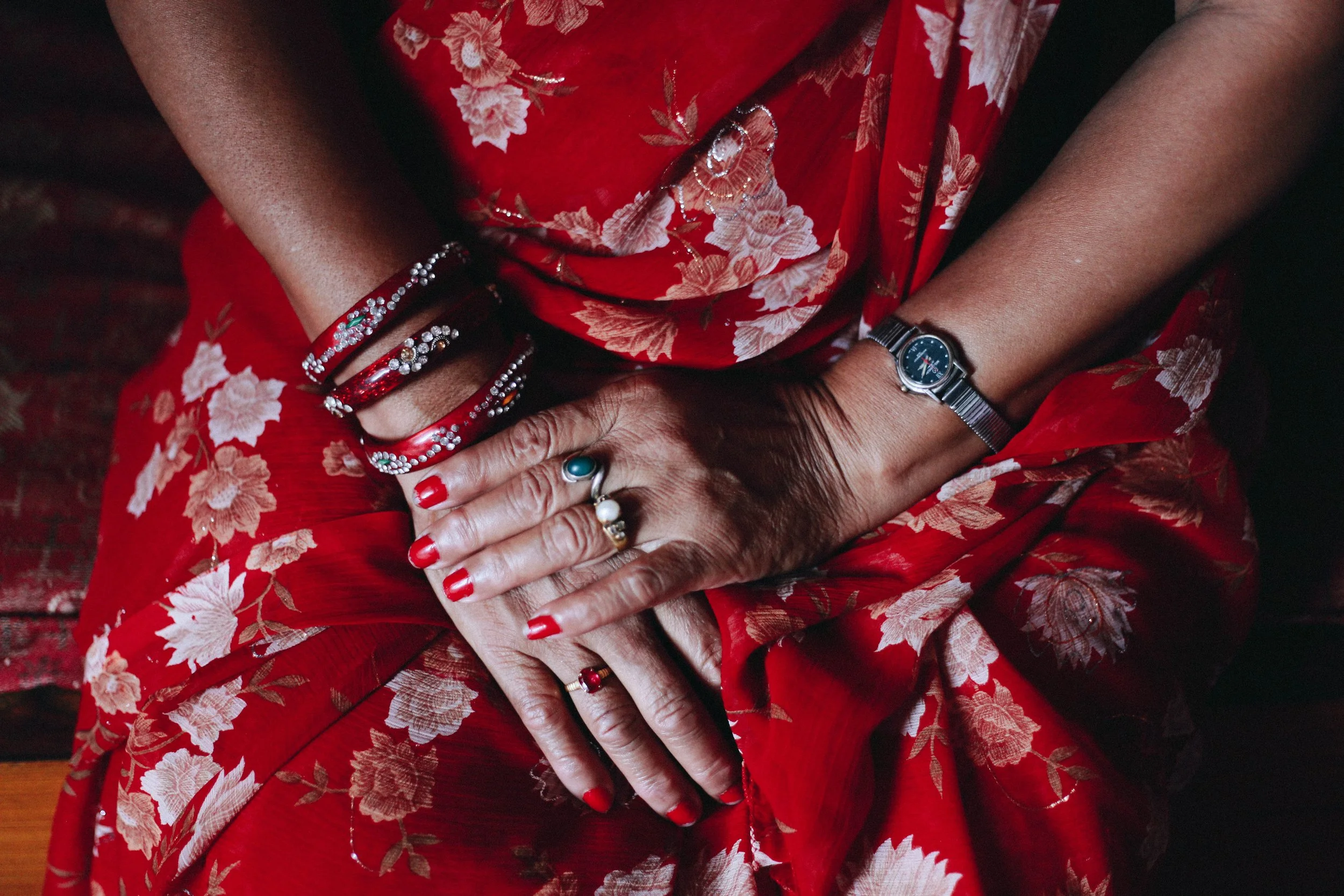
Quite literally, color runs like a red thread not only through the frames, but also through the lives of the heroines. Red is the color of Kumari, a symbol of the sacred. We see it in clothing, Nanimay's portrait, details, and close-ups.
Even after years and decades, we see a trace of tradition and its presence in the lives of former Kumaris.
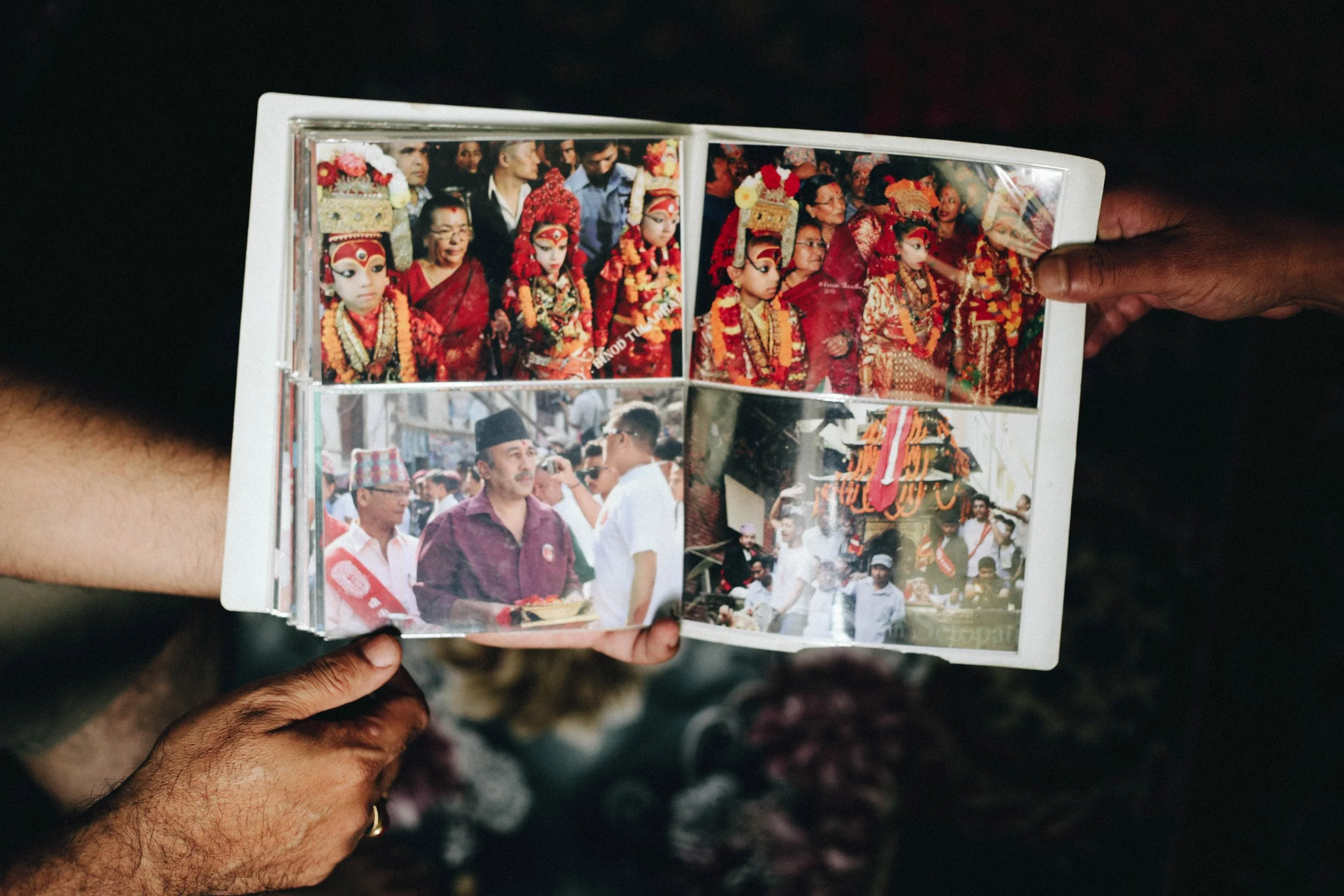
Past and present
In Natalia's frames, objects also find their own voice: a portrait behind the former Kumari's back, which tells of the times when she was considered a living goddess; a family photo album that hints at a story. The past and present exist in one frame and one reality.
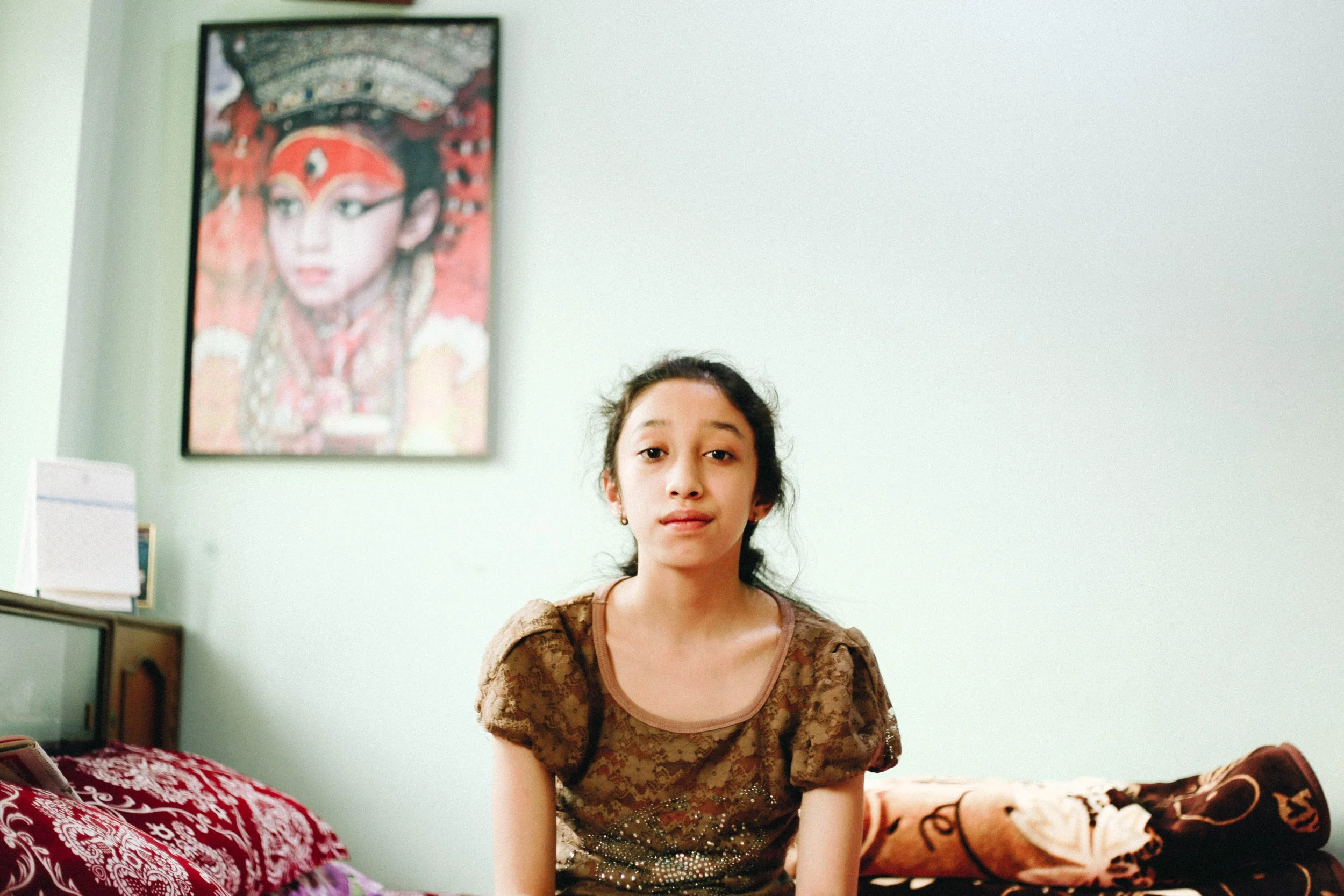
The Living Goddess series is a deep conversation about traditions, children's rights, social roles, social pressure, the sacred and its influence on human personality.
This dialogue extends far beyond Nepalese culture. The series poses many questions to contemporary society, in which children often remain defenseless before adults and their conceptions of life.