The Lift
While reviewing @CiclopeFestival winners we found this gem. A short story of our zoomers life… #stepoutofyourhead

3rd Wave of Inspiration
Since 2003
While reviewing @CiclopeFestival winners we found this gem. A short story of our zoomers life… #stepoutofyourhead
“We live in a society ruled by social conventions and labels with pre-established set of traits that would be construed as weak, weird, bad, or unacceptable. My work aims to use self-deprecation and satire as a way to own up to those labels rather that shy away from them, and thus, put on display the very thing that others would scorn at. By using satire as a weapon against one’s inner demons, but also by rejecting a pre-established set of codes of social conventions to break down a systemic derogatory social hierarchy. It’s about owning up to one’s own short-comings and imposed labels, and refusing to apologise for them by revelling in them as part of one’s own identity. ”


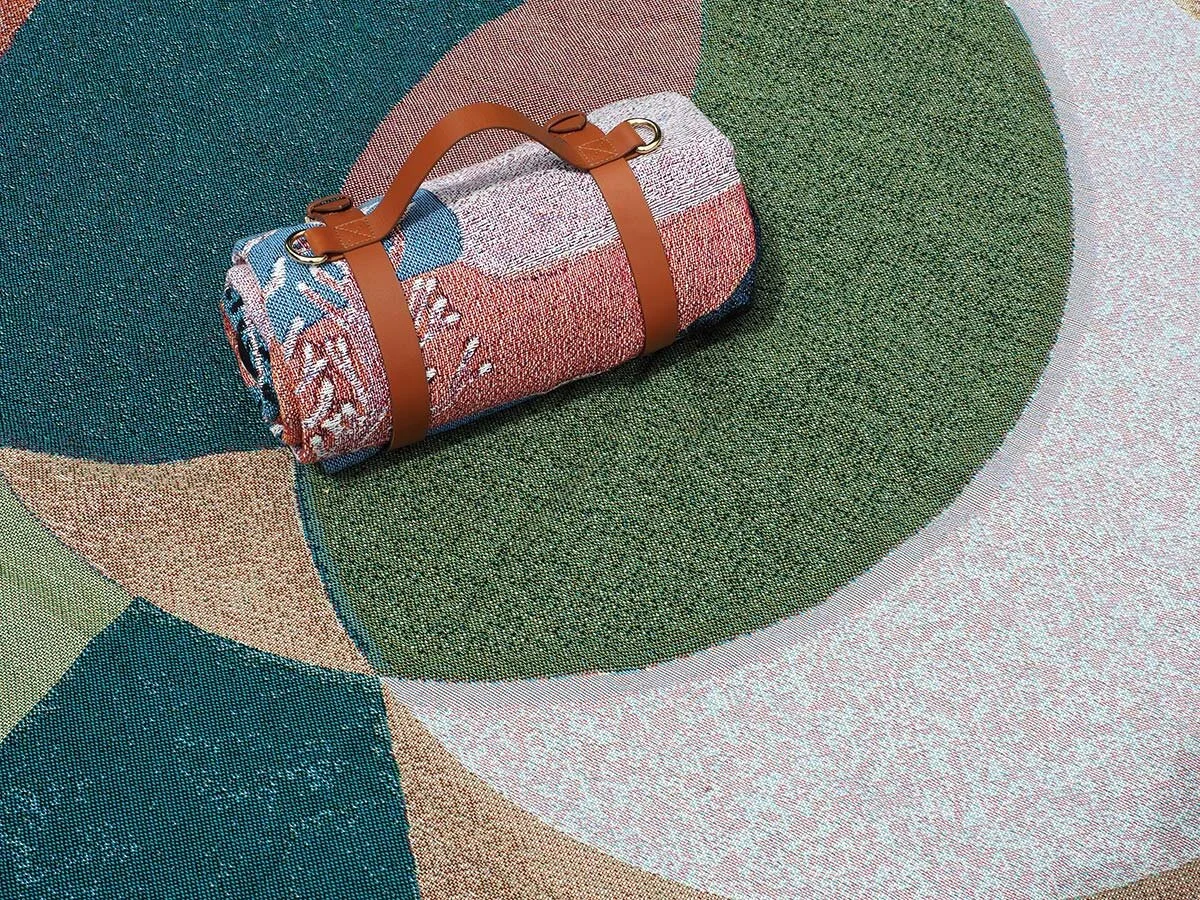
For their latest Blankets collection “Reversible”, Forget Me Not (run by our friend Coco) used advanced Jacquard weaving techniques, bringing an original depth and texture to their design range. Always dedicated to providing artisan quality home decor items to boutique stores worldwide. All their items are printed and manufactured by Europe’s finest craftsmen.
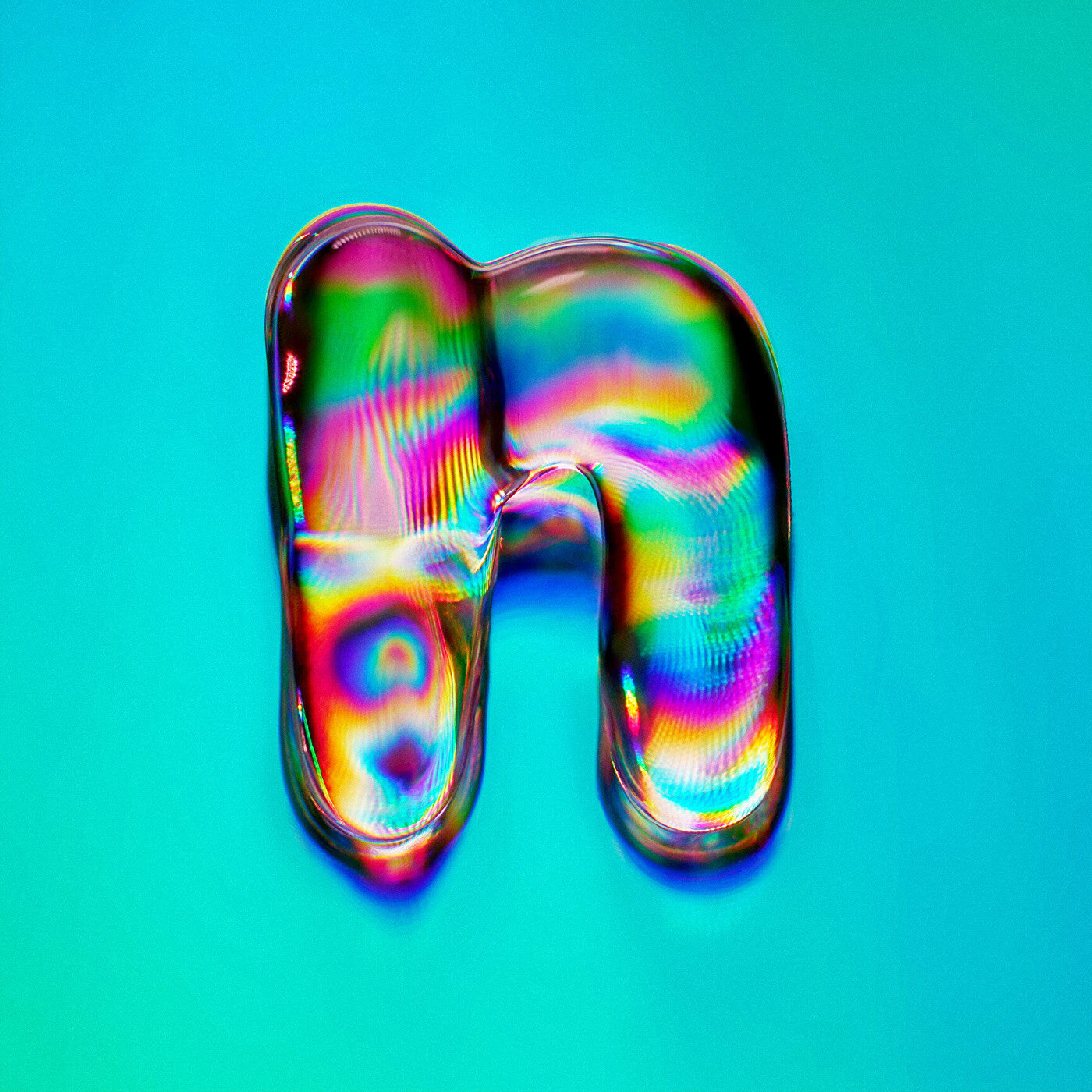
“This is a bright and colourful typography captured with camera. These images are looks like computer graphics, some kind of experiment with gradients. But the whole point is that this is a photo, there is not a drop of any paint here only the phenomenon of interference. I formed letters with gel on the surface of the CD and illuminated it with a lamp.”

“The Upside Down Glow, inspired by the American TV series: Stranger Things.
When it rains, I always look to capture images using reflections, time to stretch your neck.”


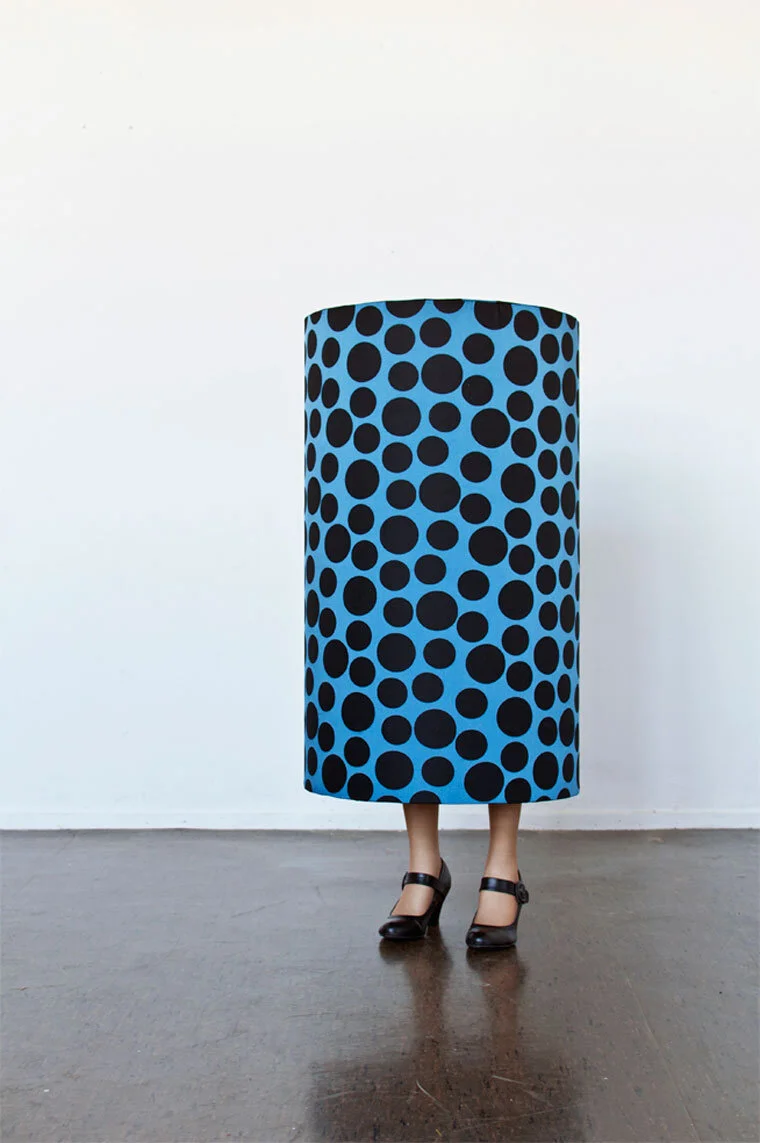
Guda Koster is a Dutch artist who creates living sculptures and performances, which the photographs are the results of. Koster’s works are created in parallels of time, space and textile. In her works Koster uses fabrics, colours and patterns that underline the codes and meanings our clothing conveys



Ana Miminoshvili is a freelance illustrator and graphic designer. She completed her bachelor’s degree in Visual Arts at TSAA. While she was still a student, she started taking her first steps in being part of the creative industry. Ana is passionate about finding and crafting visual solutions in both illustration and design.


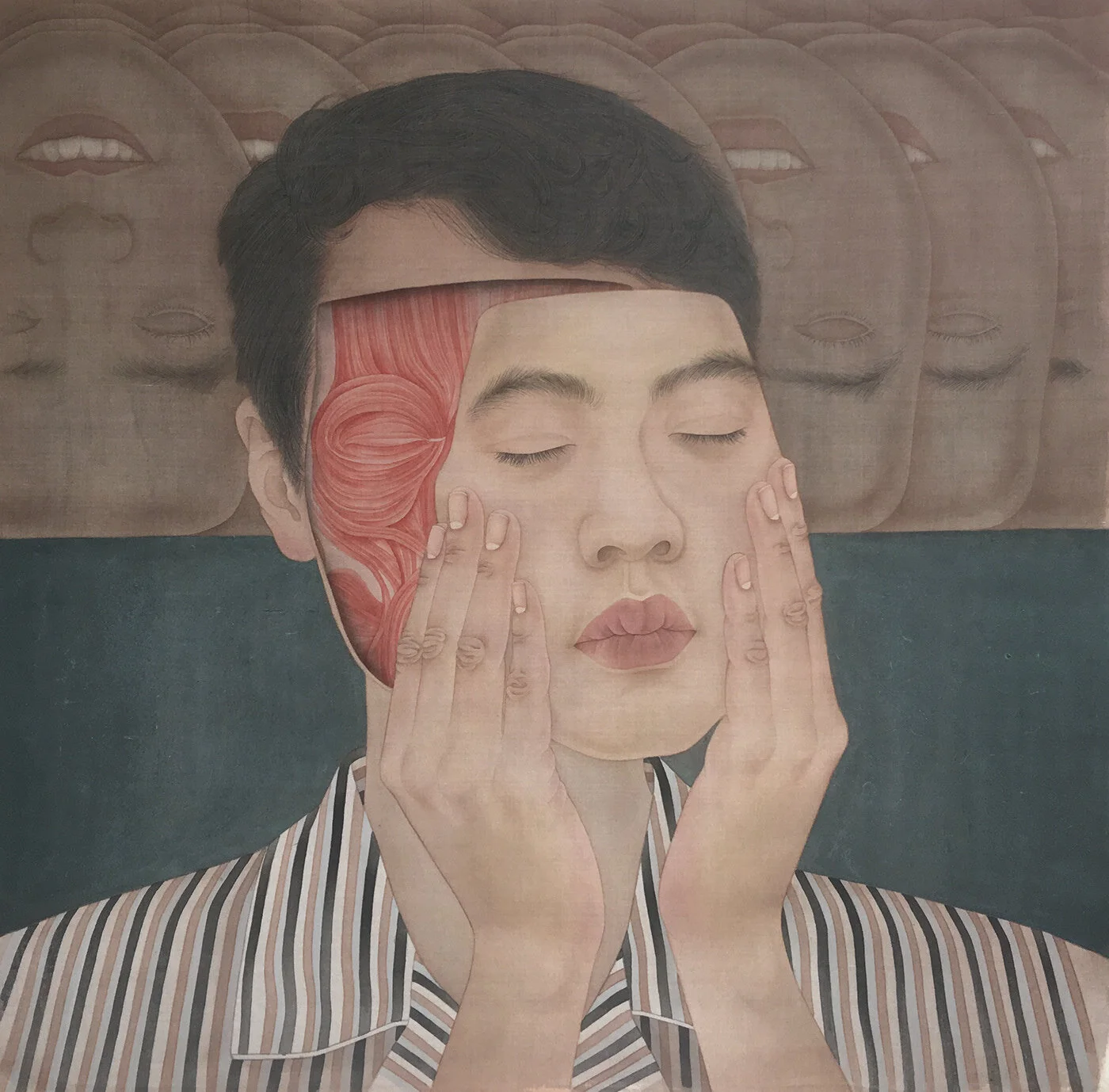
Chinese artist 孙 影 (Sun Ying) shares her latest artworks on Behance




Jiaqi (Jackie) Wang is an illustrator and animator originally from China, currently based in Los Angeles. She specialises in 2D moving images and motion graphics. Her work revolves imagination about daily life, full of colours, visual design, and character design.


Gianmaria Schonlieb is a multidisciplinary Creative Director with extensive experience in advertising and art direction.
“I like to focus on simple moments. Advertising is something that we don’t really need in life, so I have always loved to focus on small moments, objects, and little things that are often overlooked but that can make you crack a smile.”


DISCO is a short film from South African casting agency, DISCO, showcasing in a superb way, what’s happening in the strange and wonderful world of casting direction…

“In casting, our world is a theatre of the unseen. We live behind the curtain. This is a celebration of the casting arena in all of its intimate awkwardness, secrecy and flashes of flamboyance, where we delight in the unruliness of human beings.
As casting directors we present a fantasy version of how a story can be told. For the film, we stepped into that fantasy by reimagining and reenacting the jobs we’ve been asked to cast on. We dreamt up the roles these characters would go on to play in our ideal world. It was about casting ourselves as the audience, letting go and learning about who we are. The films show us how we see the world.
Good casting direction is presenting the unexpected and making it work. A lot of the magic of our trade is conjured by happy accidents, surprises and mischief. The imperfections, the intimate off-screen moments before and between a session, the mistakes and blemishes – these are the things that enliven our work.”
Sculptor Nazar Bilyk creates negative-space artworks leaving the viewer recreate the original shape while viewing it


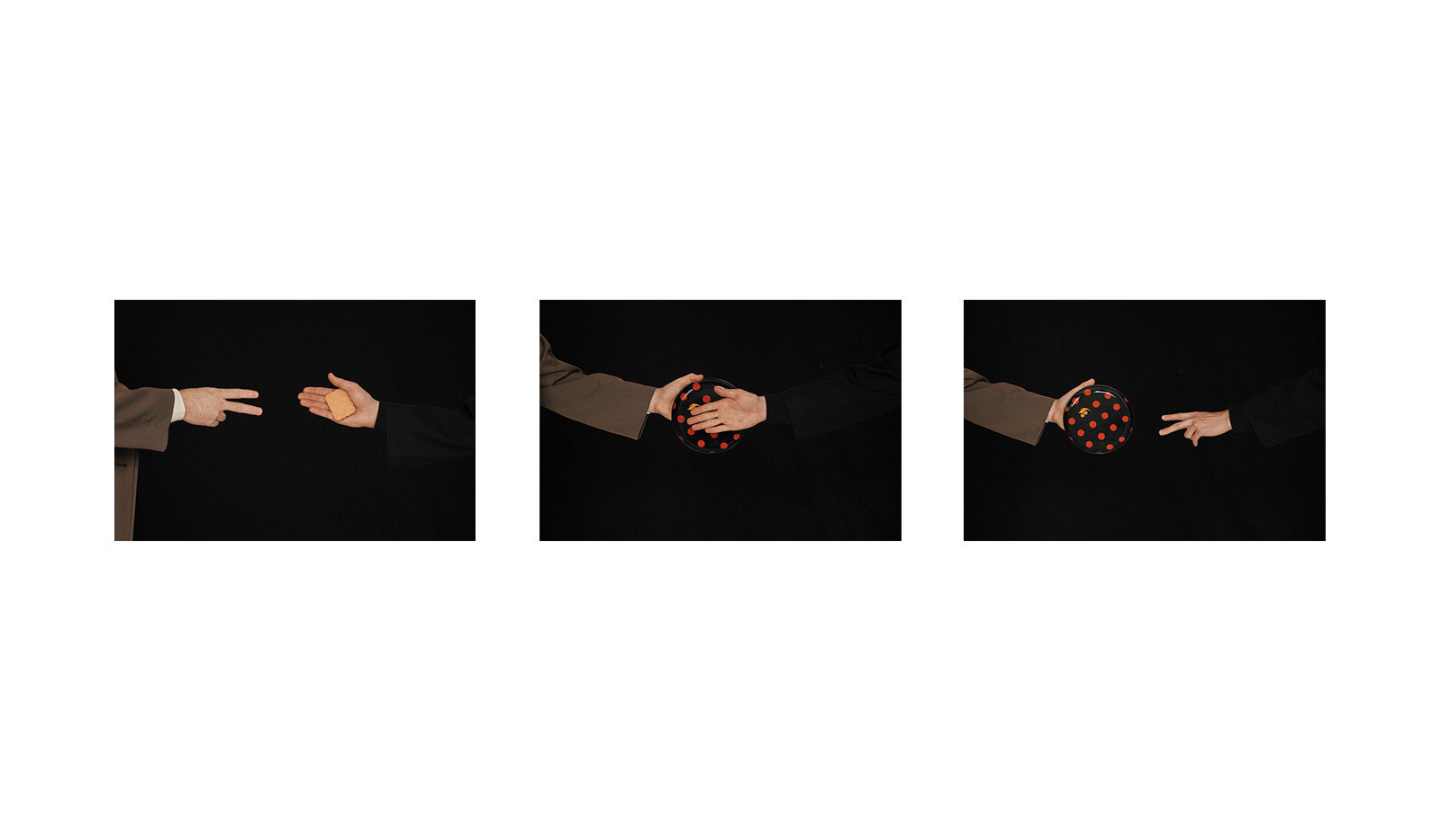
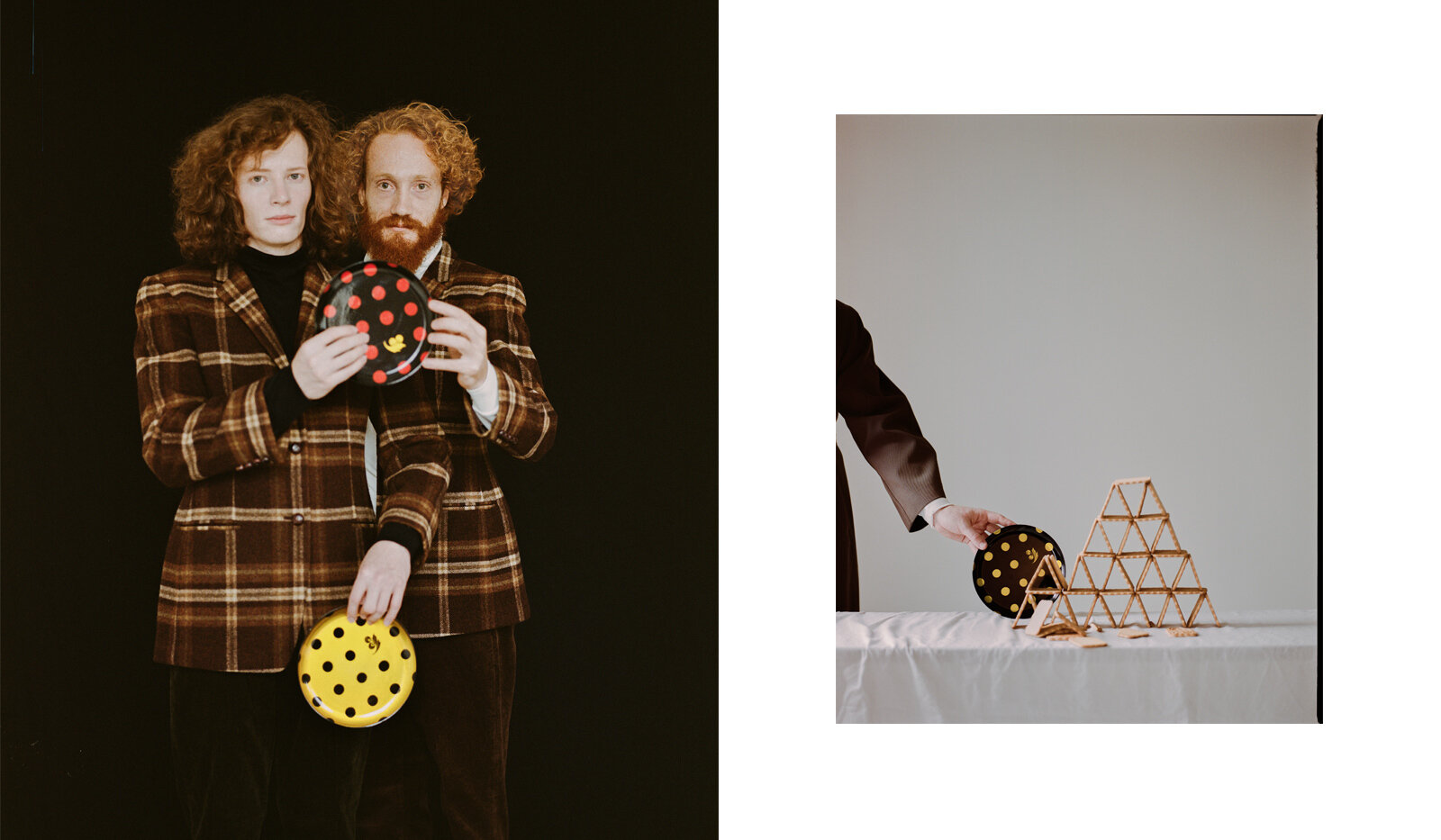
Russian Half&Half returns with a new design collaboration after the successful project “Half&Gzhel” both aimed to restore the interest in Russian traditional decorative arts.
Art Director: Gina Onegina
Photographer: Dasha Kuznetsova
Style, set-design: Natasha Istomina
Makeup: Nadia Mastrukova
Hairstyles: Maxett
Assistant: Nastya Shengelia
Actors / models: Lesha Kochergin, Misha Guray, Dmitry Semenov, Kostya Stepanov
Designed by Anna Kulachek and manufactured at Khokhlomskaya Rospis factory, Half&Hohloma tells a different story of the most famous and oversaturated pattern-painting Khokhloma, traditionally made on a sound lacquered wooden objects using gold plating and other techniques.

HALF&Hohloma plates are made of pressed wood flakes - an eco-friendly and deformation resistant material. After polishing the plates are then primed with oil varnish, then coated with aluminium powder, making them silvery.
Then follows the painting process by the hands of experienced master craftsmen. After drying the plates are coated with a few layers of lacquer and this is how silver turns into khokhloma gold.


Hidden is a triptych video installation created by DBLG that merges the world of fashion, music and visual art. Inspired by the debut couture collection of fashion designer Vincent Lapp, who won Nick Knight’s SHOWStudio Fashion Film Award, explores the connection between form and elemental forces, taking the viewer on an arresting visual journey.
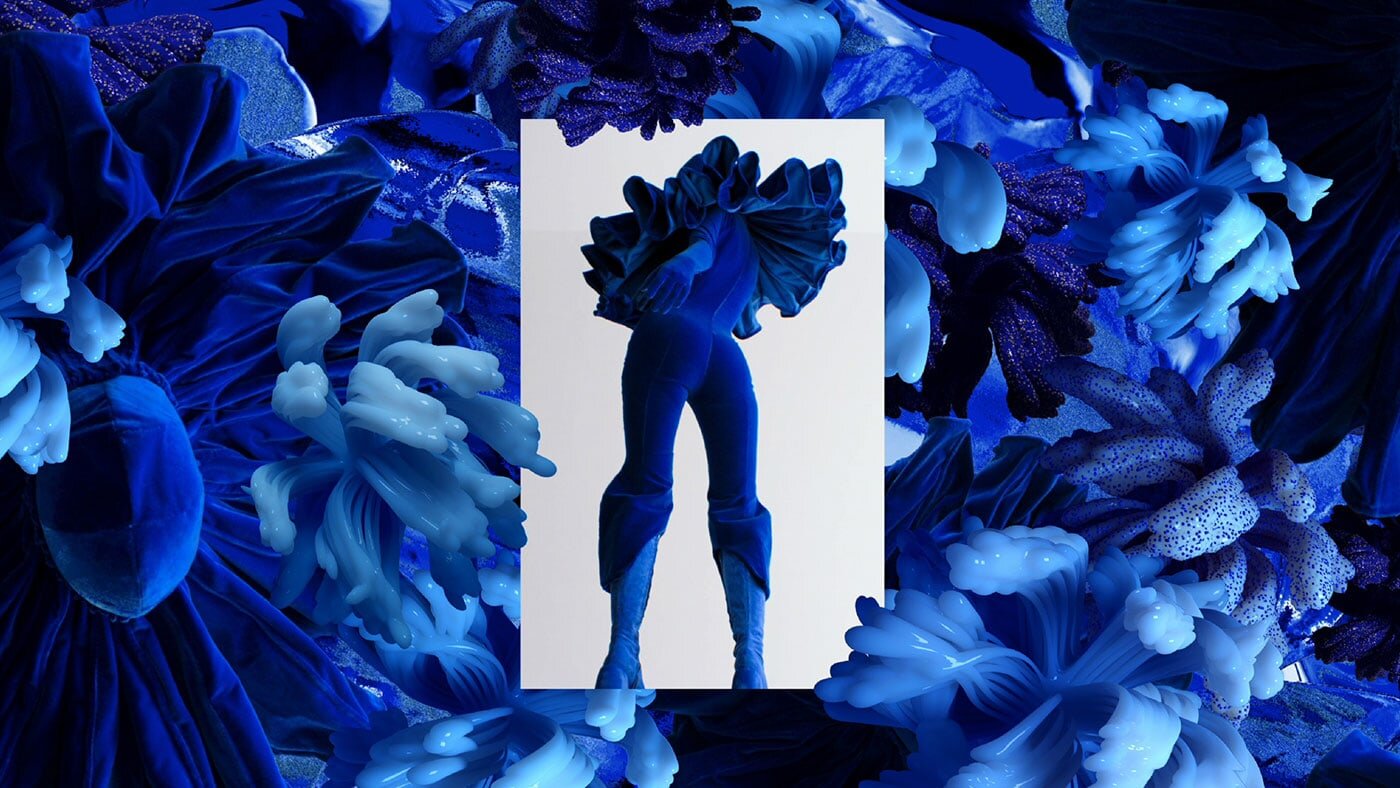
To mark the start of London Fashion week 2019 the film has been designed to be shown simultaneously across three huge portrait screens immersing the audience in coloured light and surround sound.
Music for the film is composed by experimental choral trio Blood Moon Project. Approaching the film in chapters they interpreted each of the garments graphic language as instrumentation blending synths, salvaged church organs and percussion.


The Art of Design returns to take you beyond blueprints into the art, science, and philosophy of design. From how we see the world to how we impact the world, the series goes inside the minds of the world’s greatest designers, showcasing the most inspiring visionaries from a variety of disciplines whose work shapes our culture and future. Watch it on @Netflix
Illustration of Gianmarco Magnani follows the style of original Swiss movie posters - eye-catching attention to details and sleek graphics
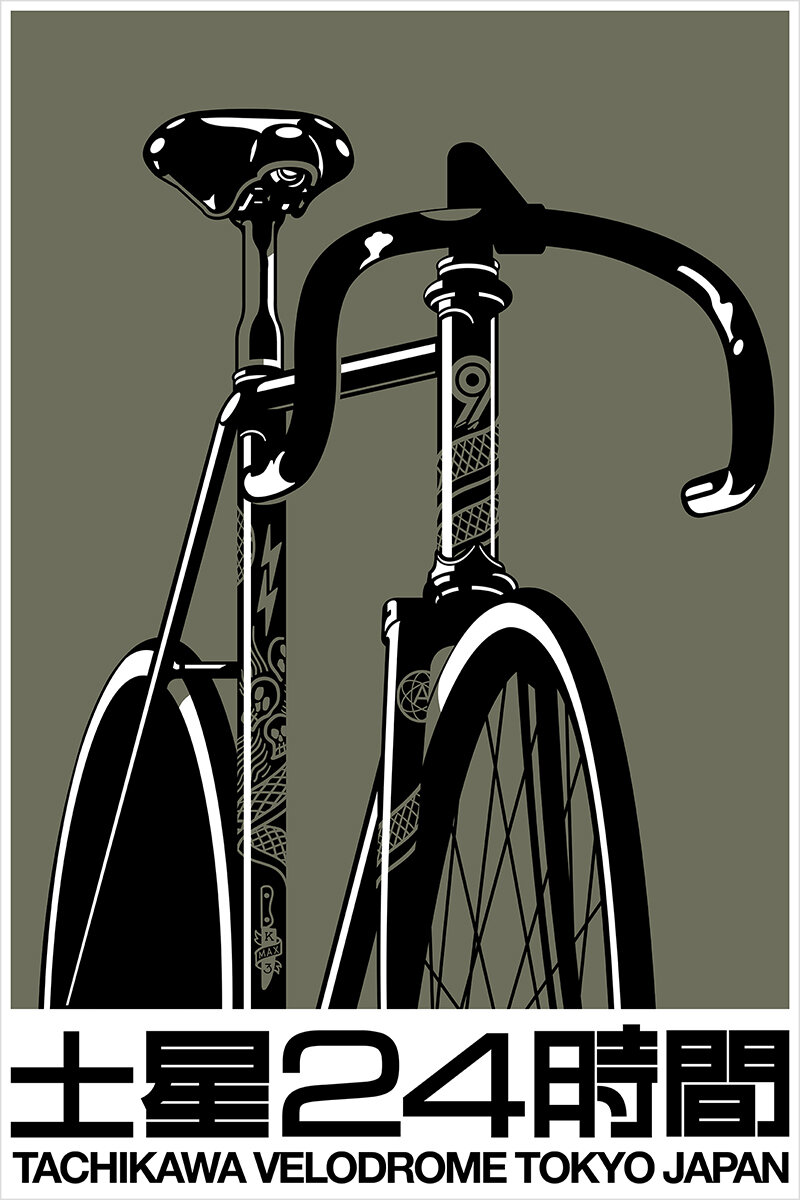
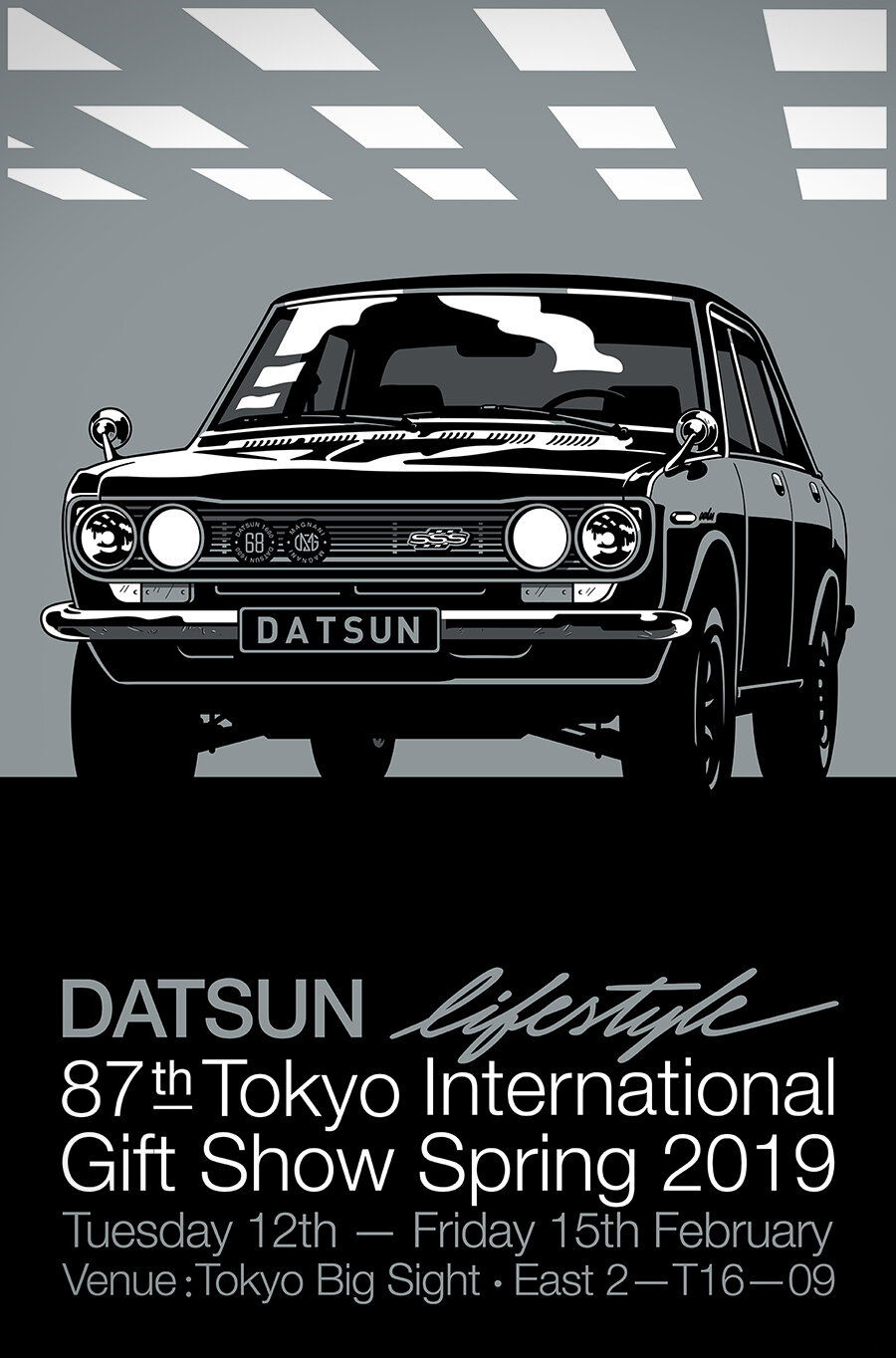
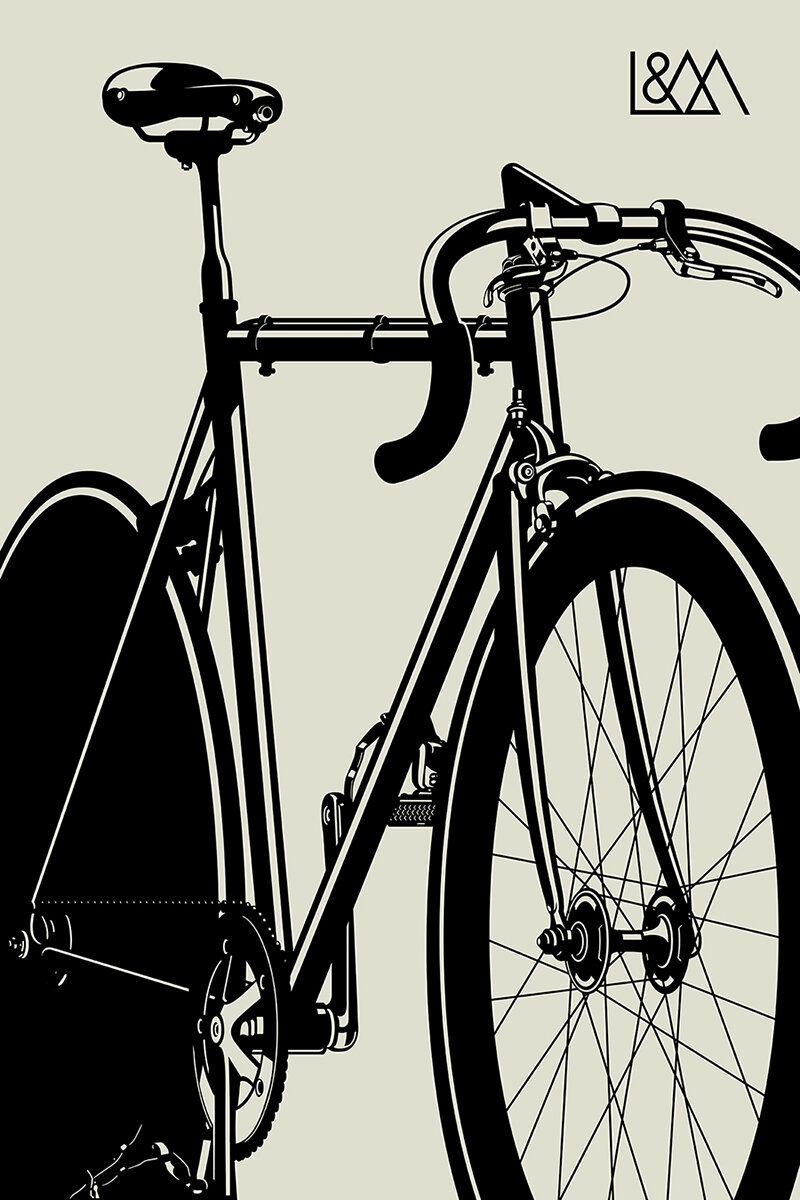
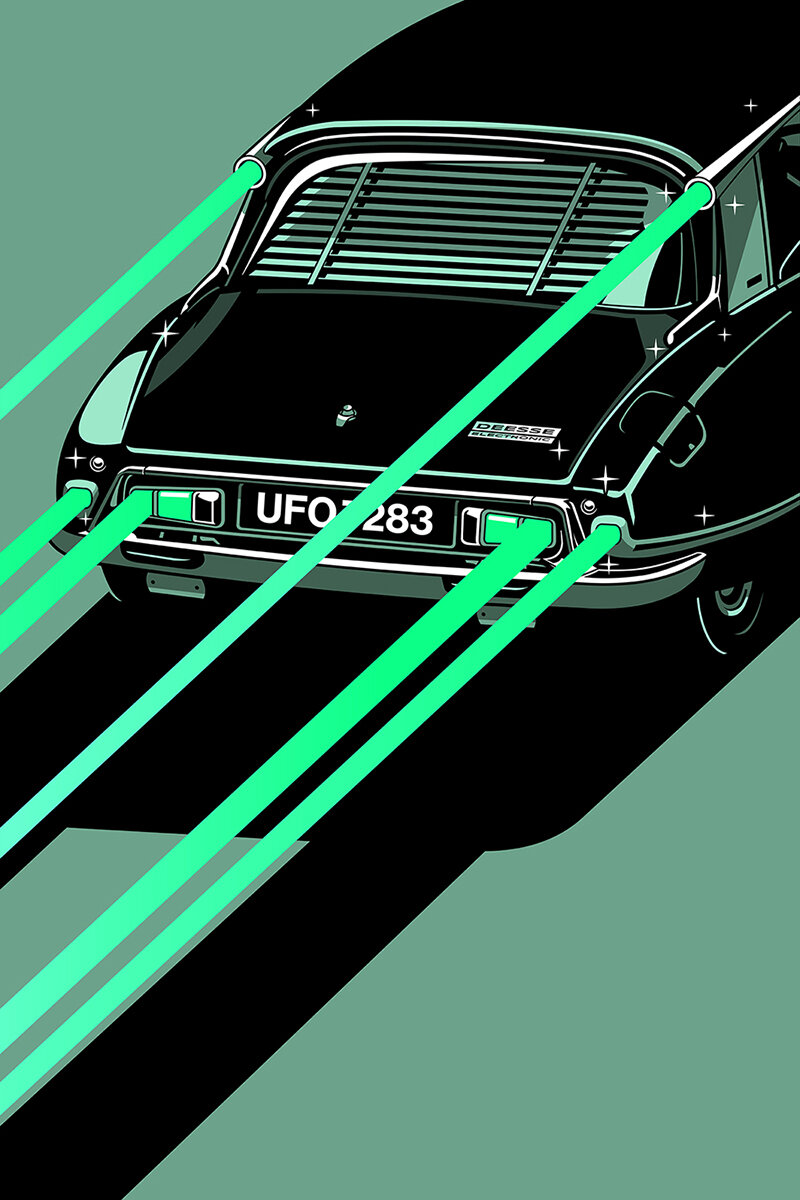
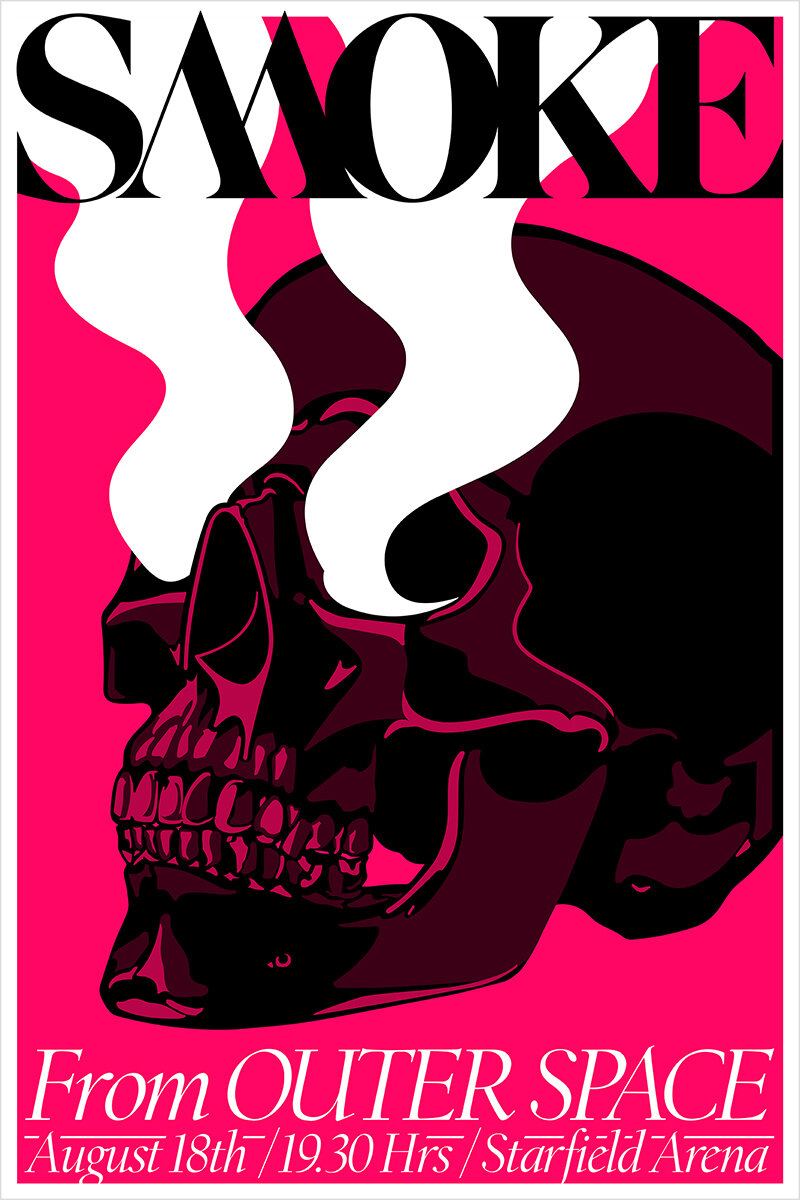
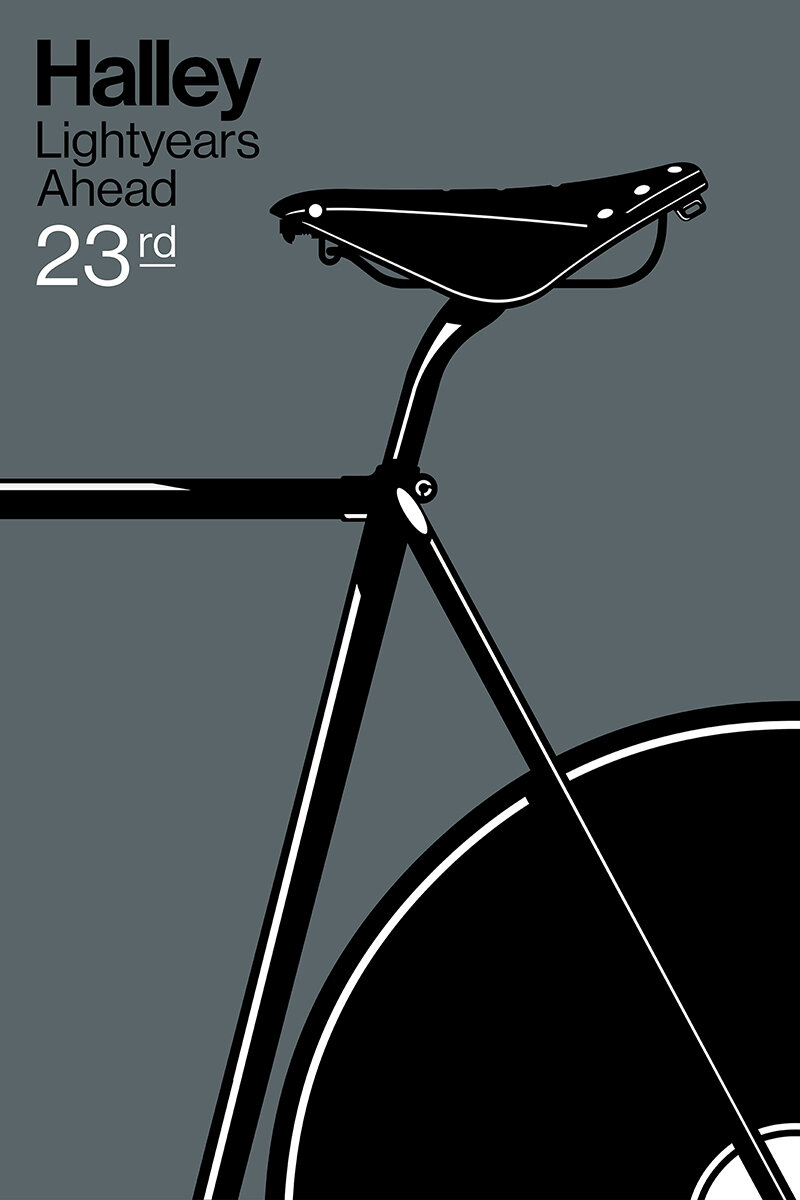
Russian artist Irina Kruglova spent her summer at Mas els Igols art residence training her abstract expressionism muscles with new series afterwards called "Emotionalia"


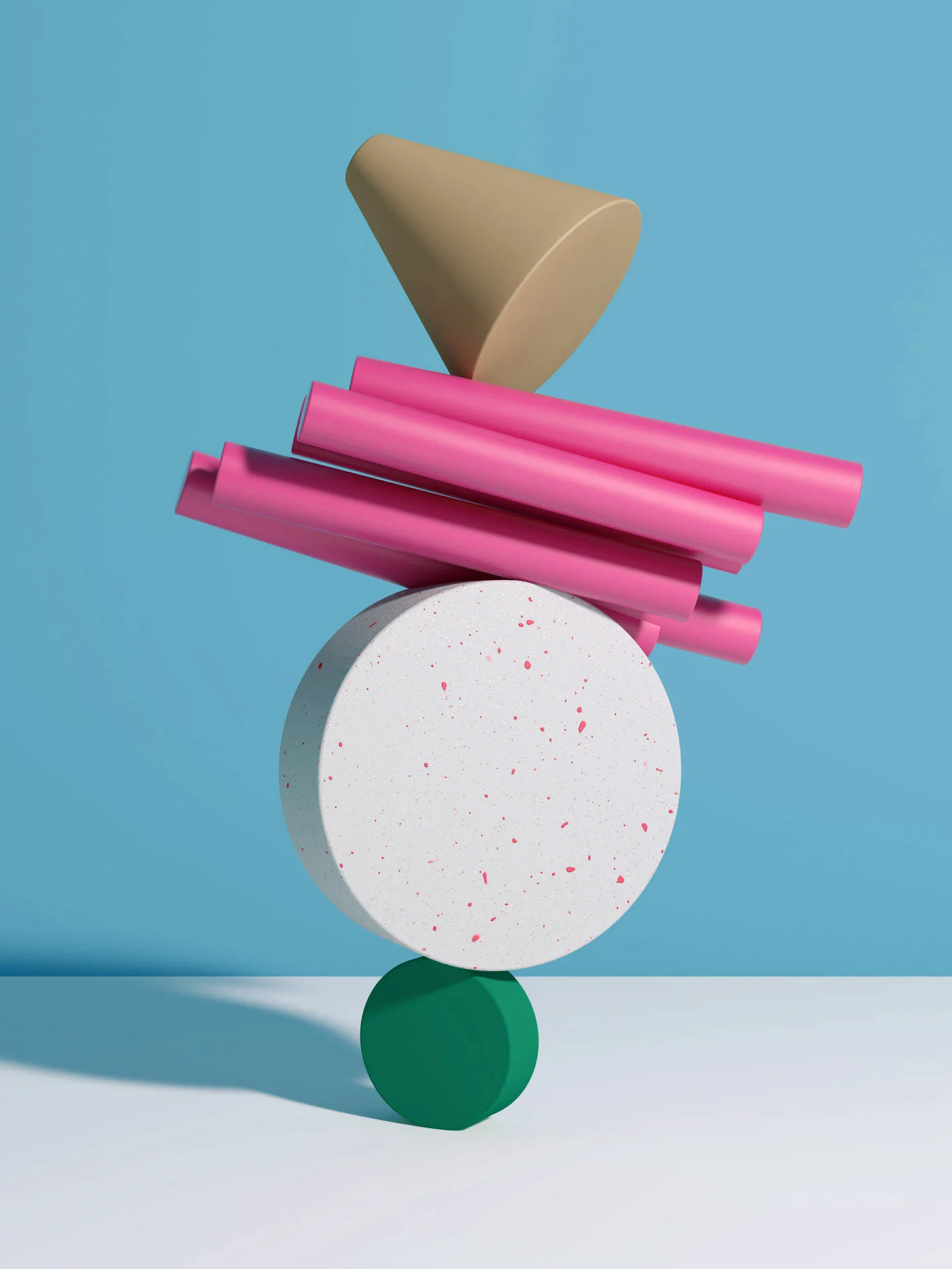
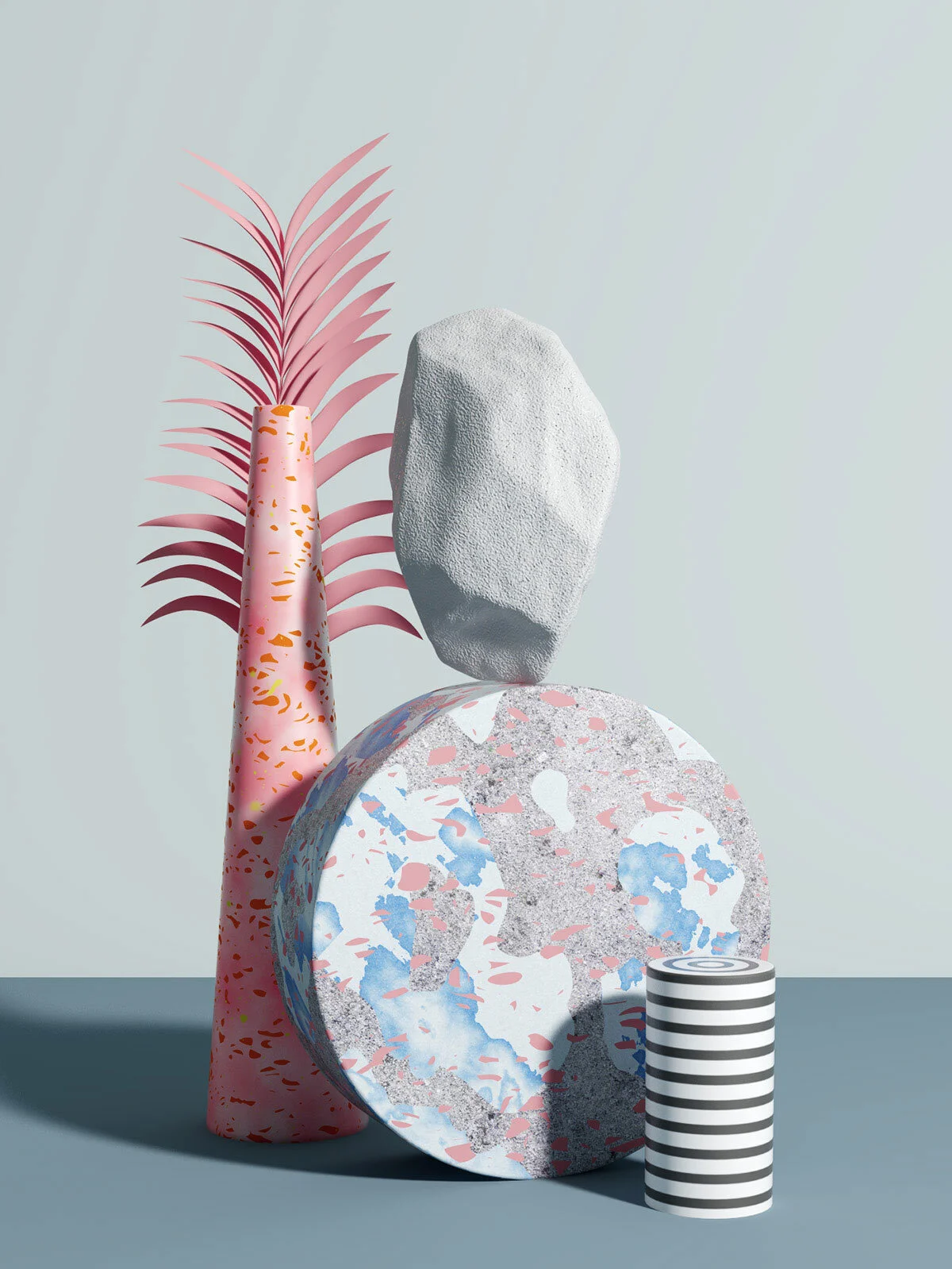
Digital artist from Bulgaria, George Stoyanov has recently introduced us his latest 3D illustrations series of random stacked objects & forms.
His work is focused on CGI, 3D illustration and design. He’s using various colors, forms and conceptions to achieve more intensive emotions, closeness and sense of detail. Constantly aiming at improving his skills and developing a style of his own.


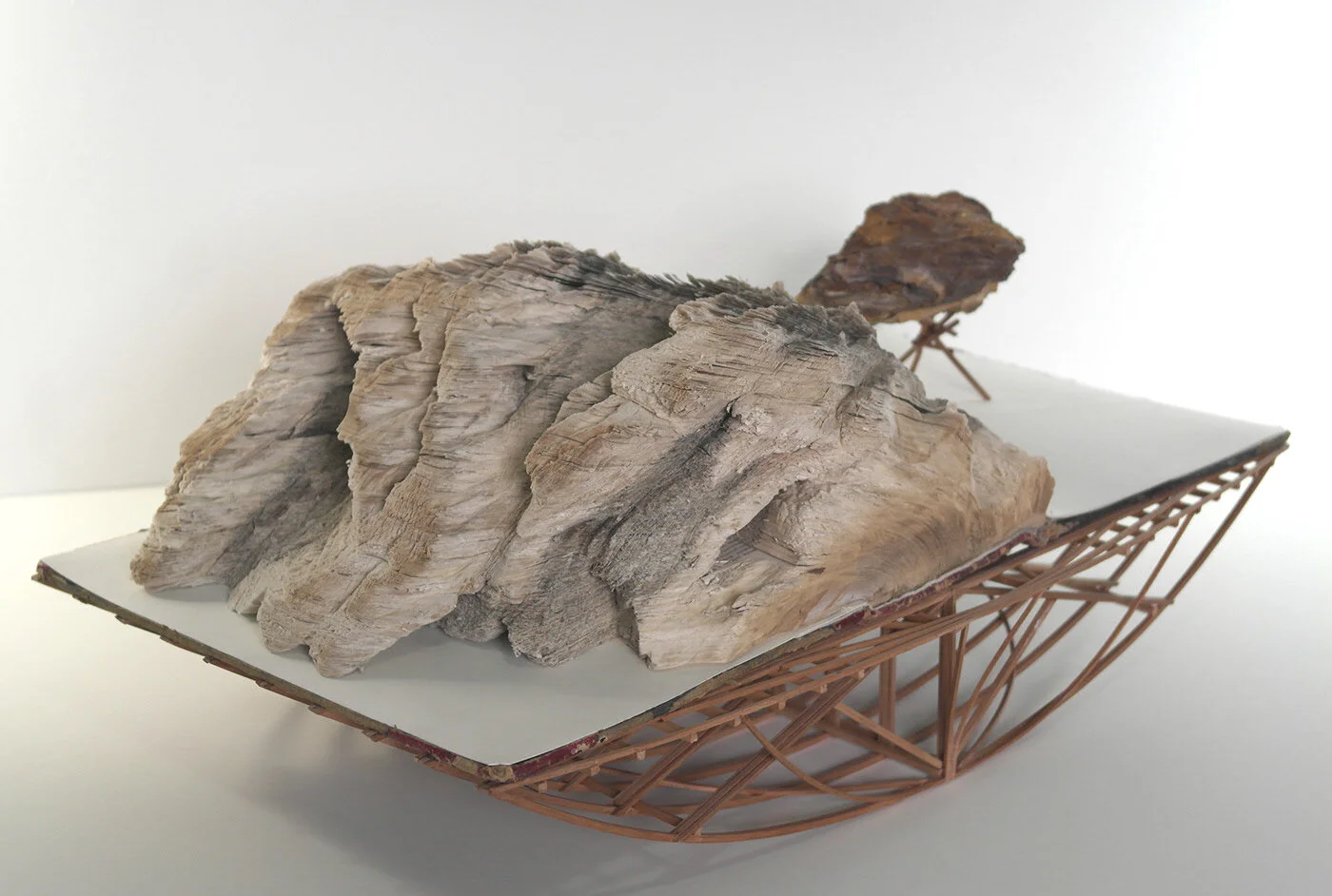
“Colombian artist Otoniel Borda Garzon manipulates outdated volumes of maps, reference texts, and newspapers to form abstract sculptures. The multi-part artworks juxtapose the paper pages, carved into topographical shapes that allude to cliffs and mountains, with geometric wooden trusses and smooth, water-like glass channels.“ via @colossal



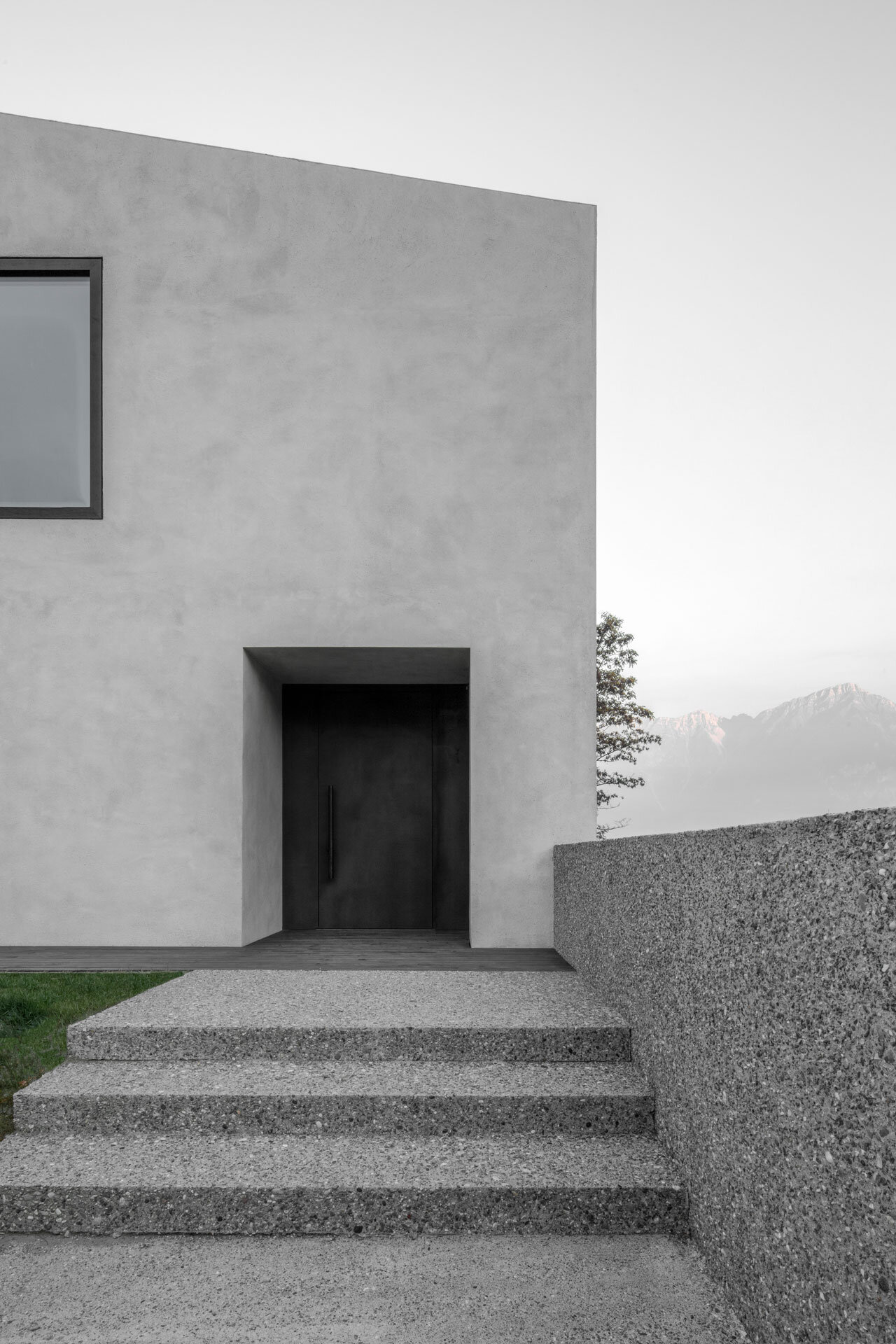
In the Austrian countryside a decidedly modern farmhouse is enhanced by traditional elements. Villa B is a two-storey home that feels perfectly settled against the idyllic fields and mountains of its locale. Villa B was designed by Bergmeisterwolf, an architectural office based in Italy.
Surrounded by sprawling farms and patches of woods, the form of Villa B draws from traditional farmhouse architecture. Dotted across the countryside, farmhouses typically side with the form follows function mentality; in short, they are practical dwellings suited for housing those who work on the land. Simple design features such as sloped roofs protect the homes from falling rain and snow. Wood cladding most often covers the exterior walls: a no-nonsense material that is readily available in rural settings. The farmhouse we know today may have humble beginnings, but its characteristic form continues to be relevant for regional architecture. Read more on @minimalissimomag









Donec id justo non metus auctor commodo ut quis enim. Mauris fringilla dolor vel condimentum imperdiet.