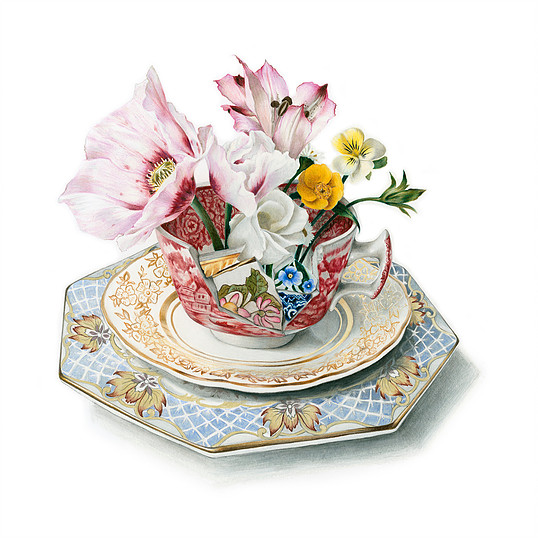
Alayna Coverly Paintings
Boston based artist creates muted and blinded by silk portraits of unknown fears

3rd Wave of Inspiration
Since 2003
Boston based artist creates muted and blinded by silk portraits of unknown fears
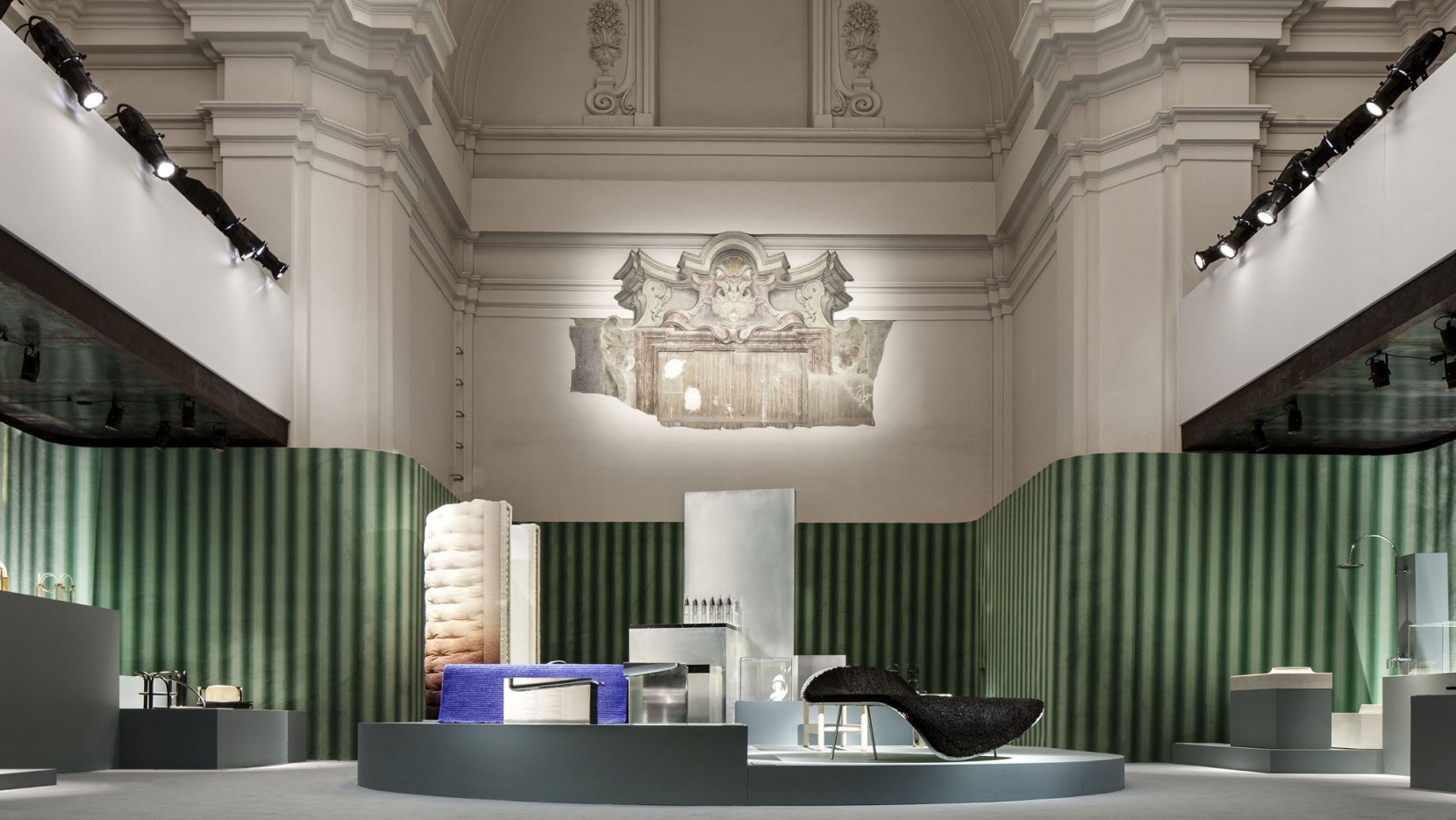
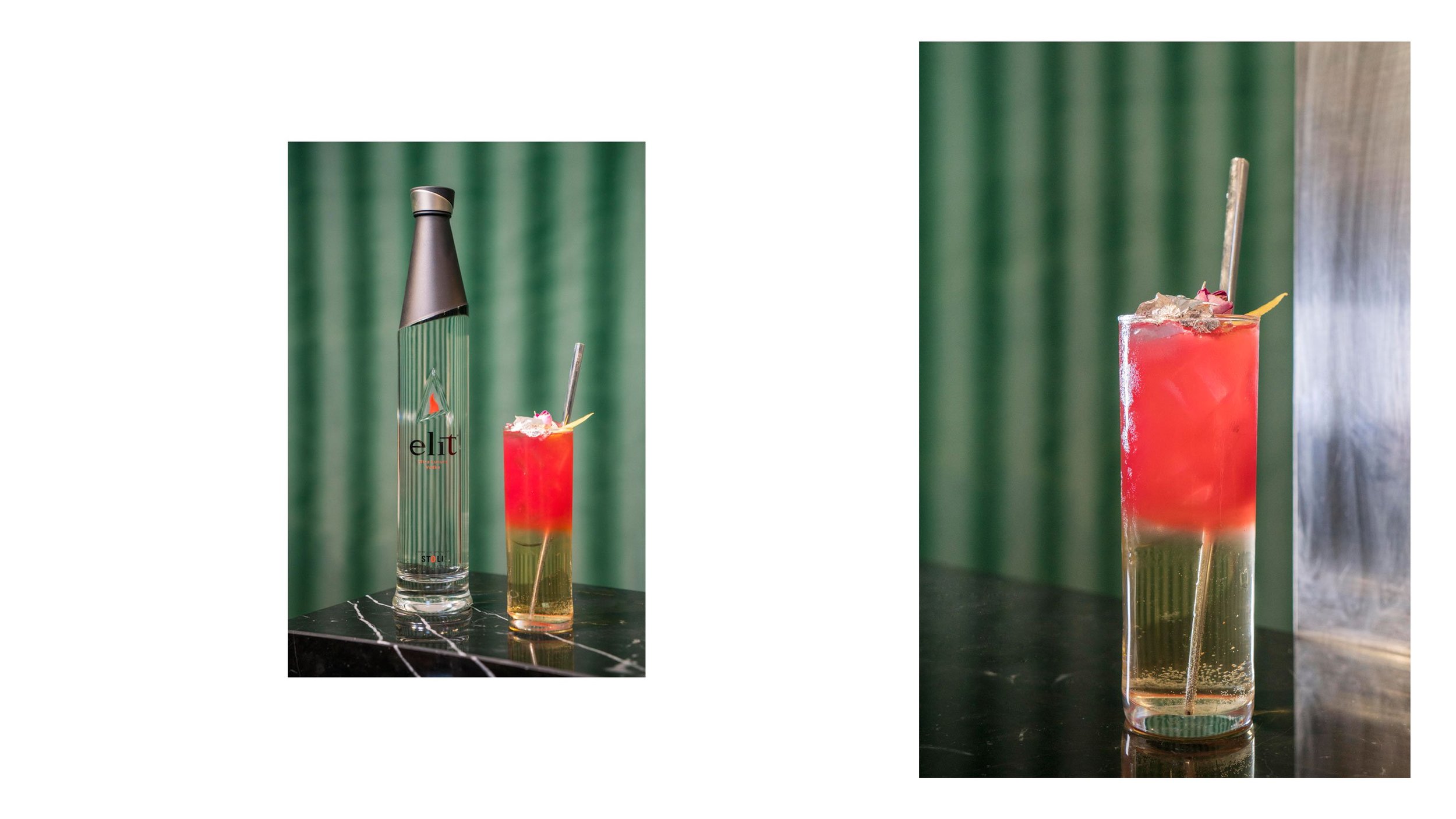
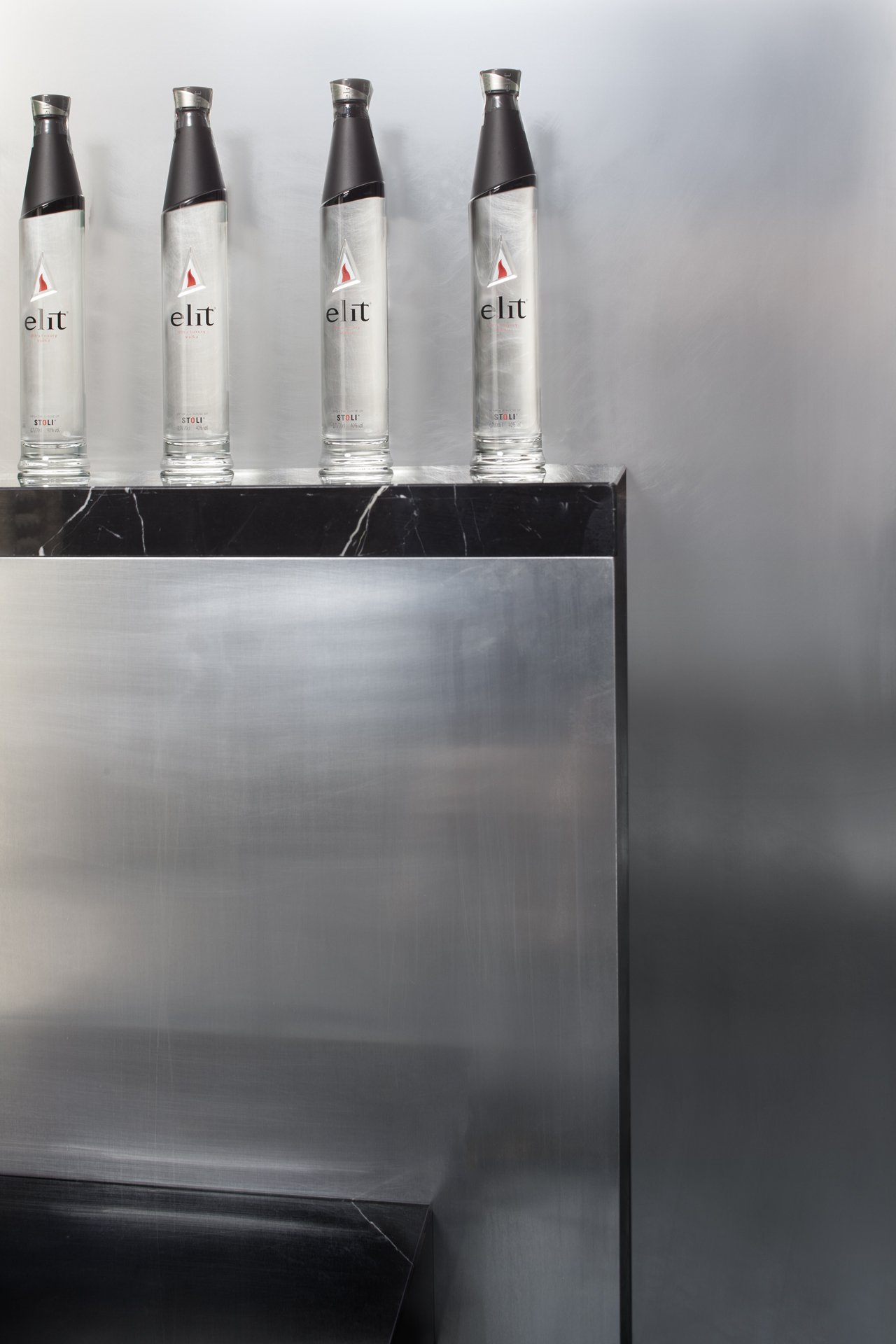
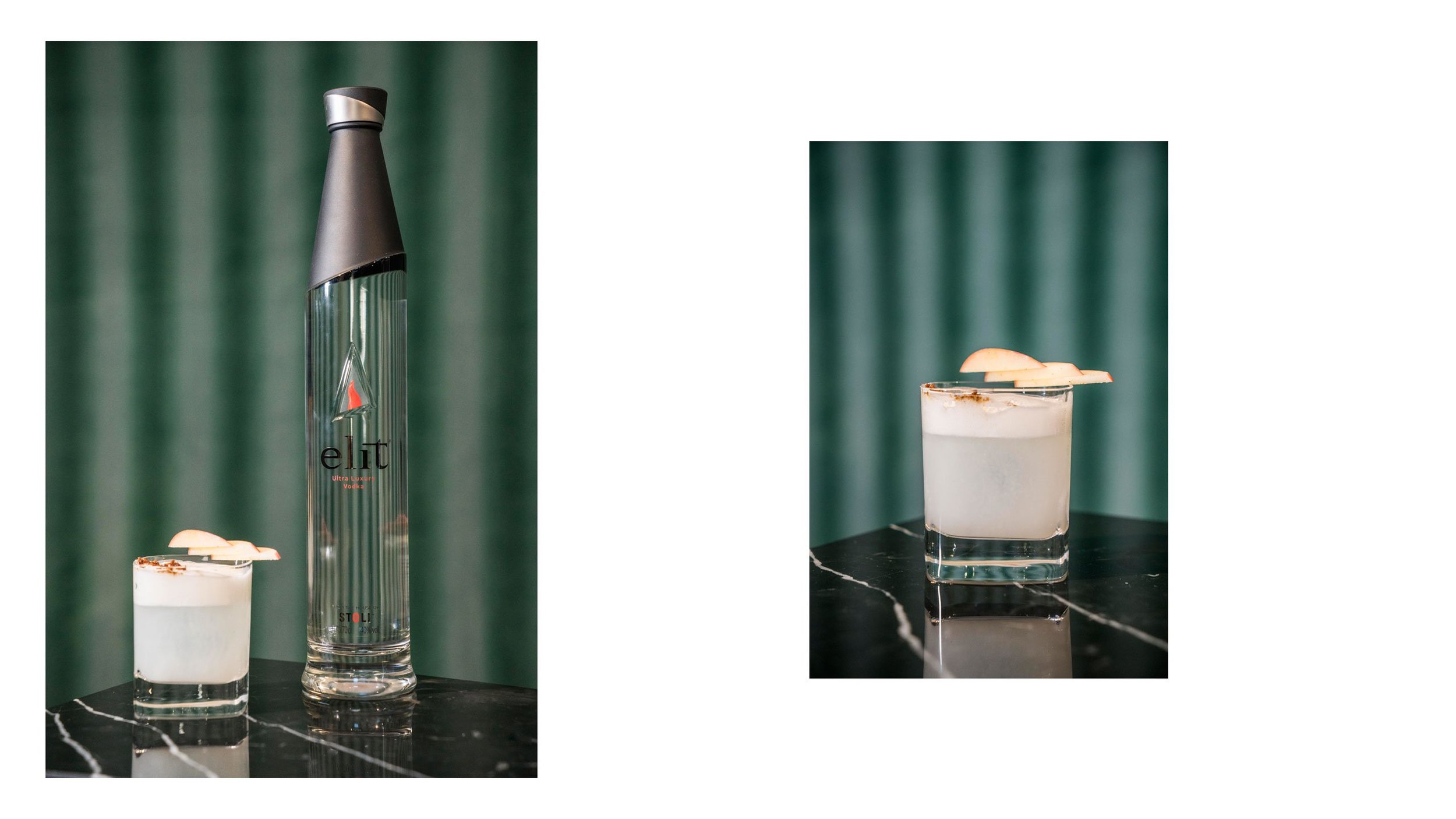
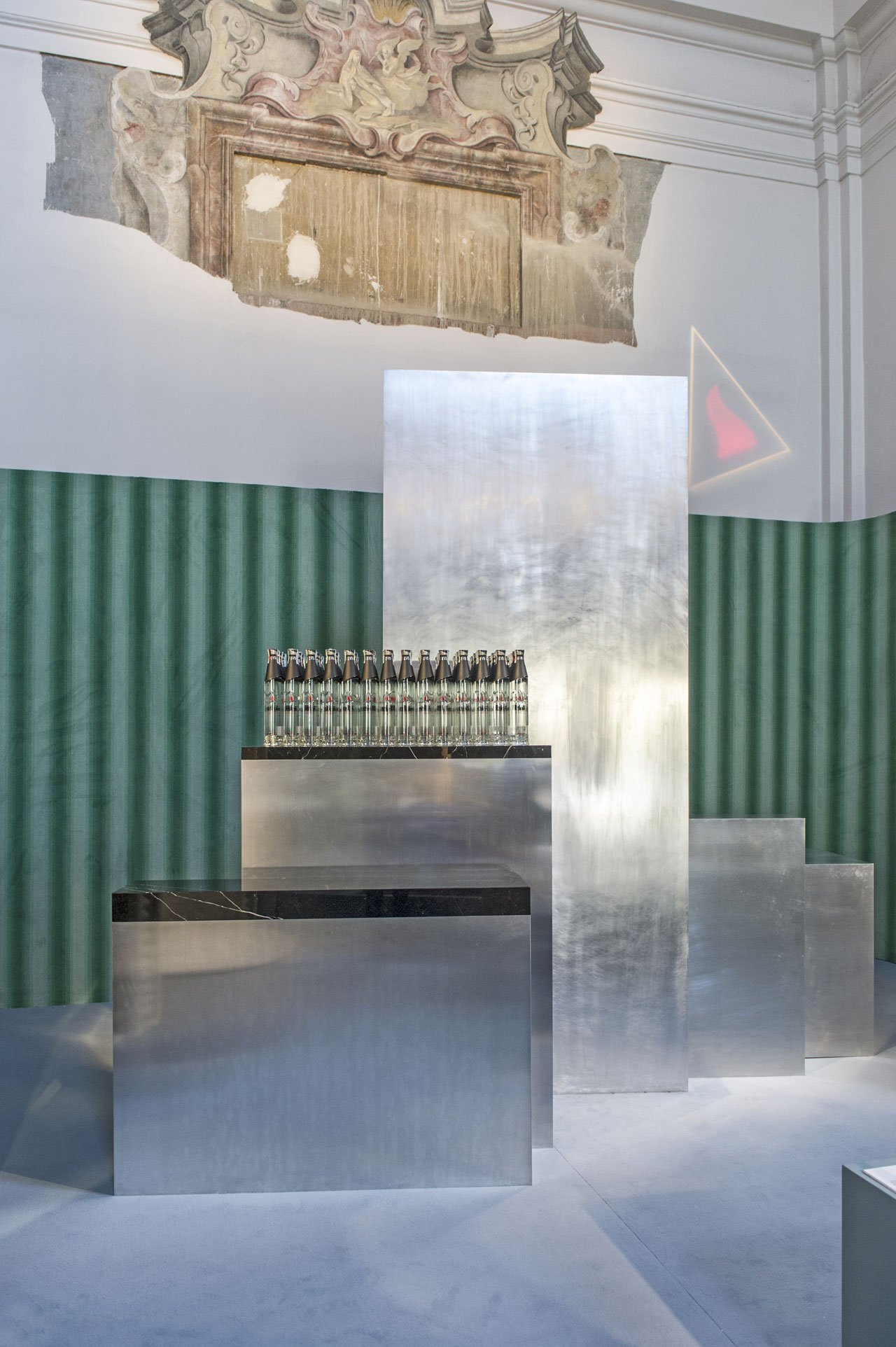
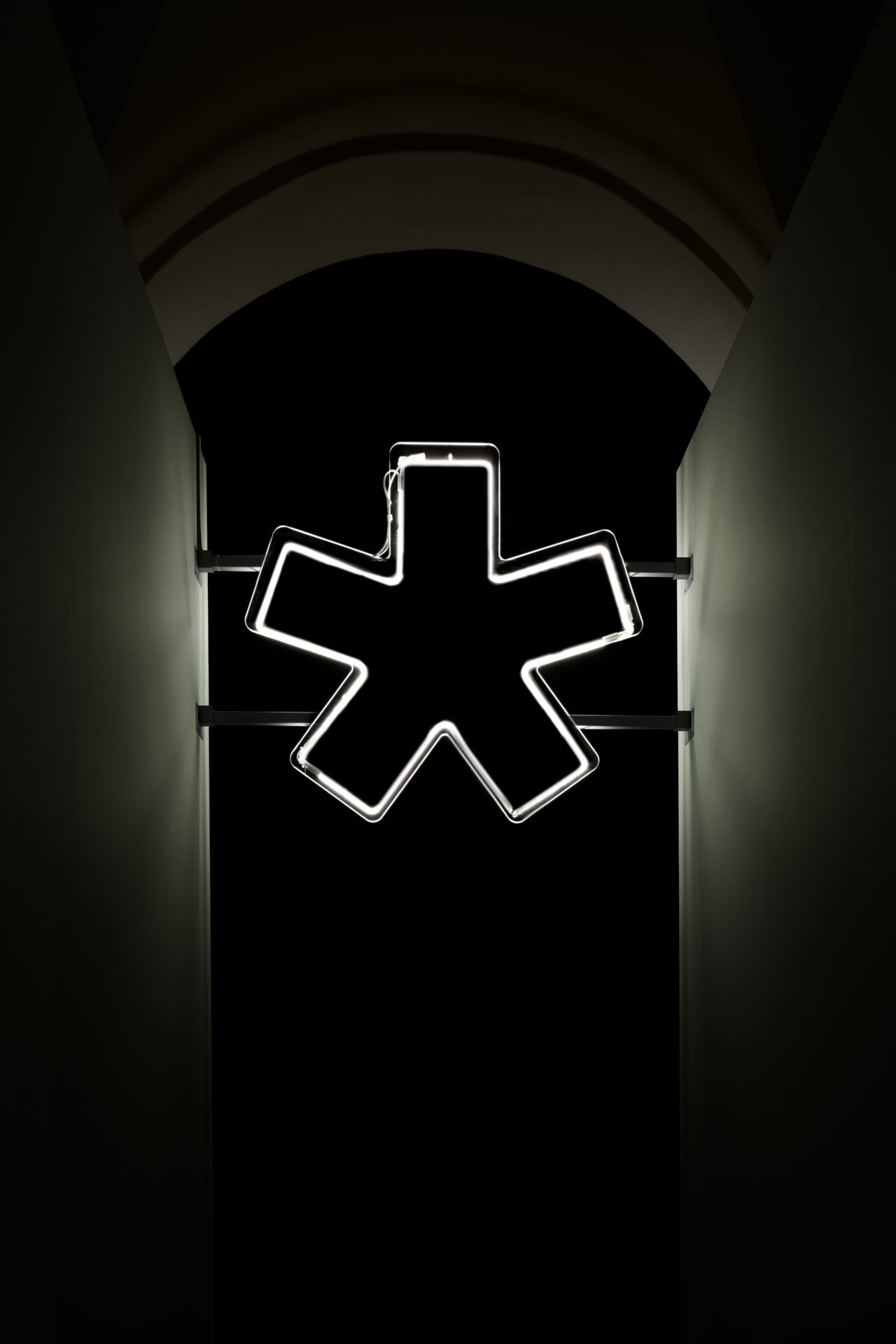
"Inspired by El Lissitzky, a key figure of the Russian avant-gardemovement in the early 20th century, ELIT PROUN BAR is the result of a creative collaboration between London-based architectural practice Carmody Groarke and Wallpaper* Handmade. Part art, part architecture, it was developed under the auspices of elit® Vodka, a platinum, award-winning premium vodka, and unveiled at Wallpaper* Handmade’s “Wellness & Wonder” exhibition during Milan Design Week 2018, taking centre stage in the Mediateca Santa Teresa, an 18th century baroque church turned into digital library."
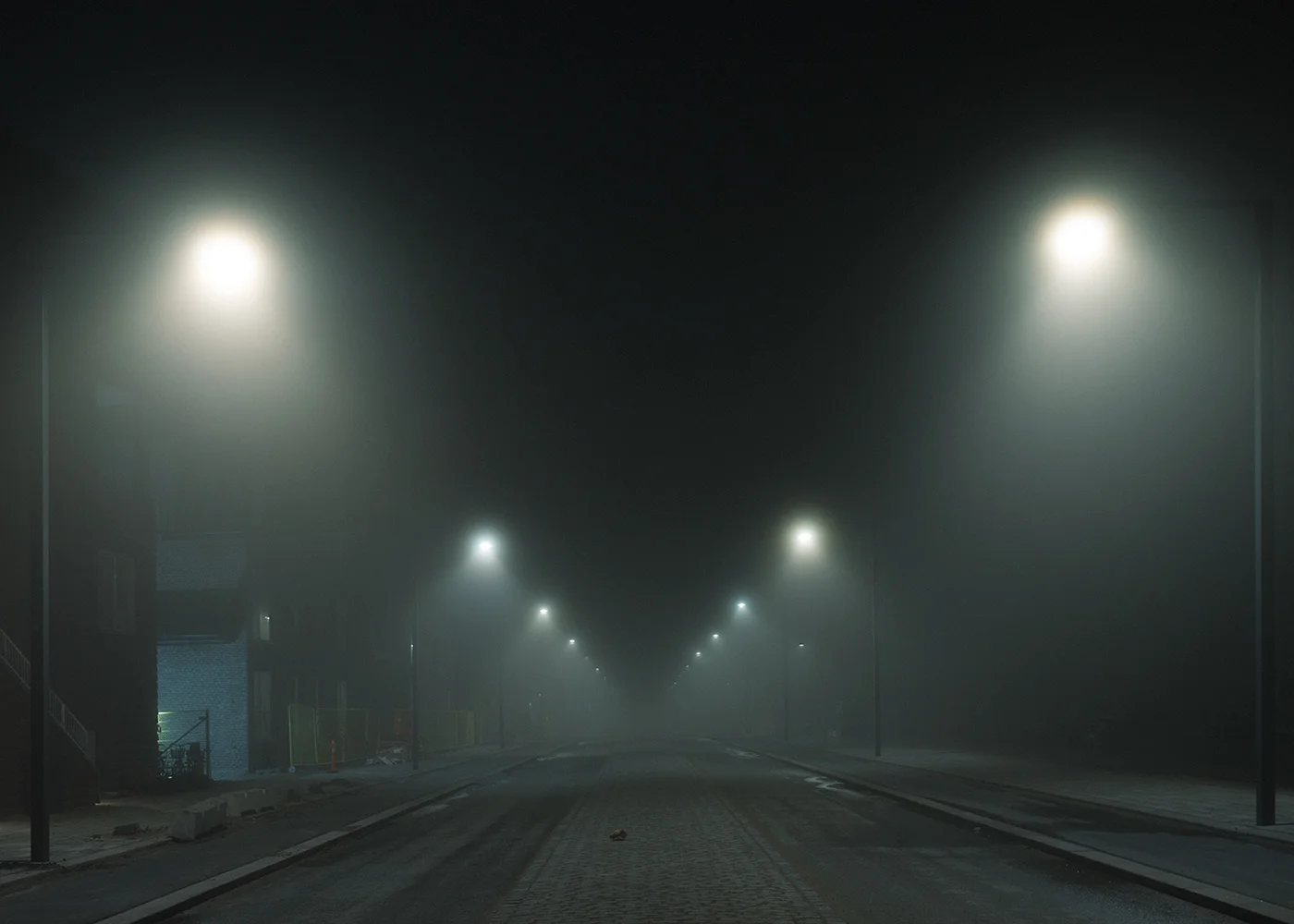
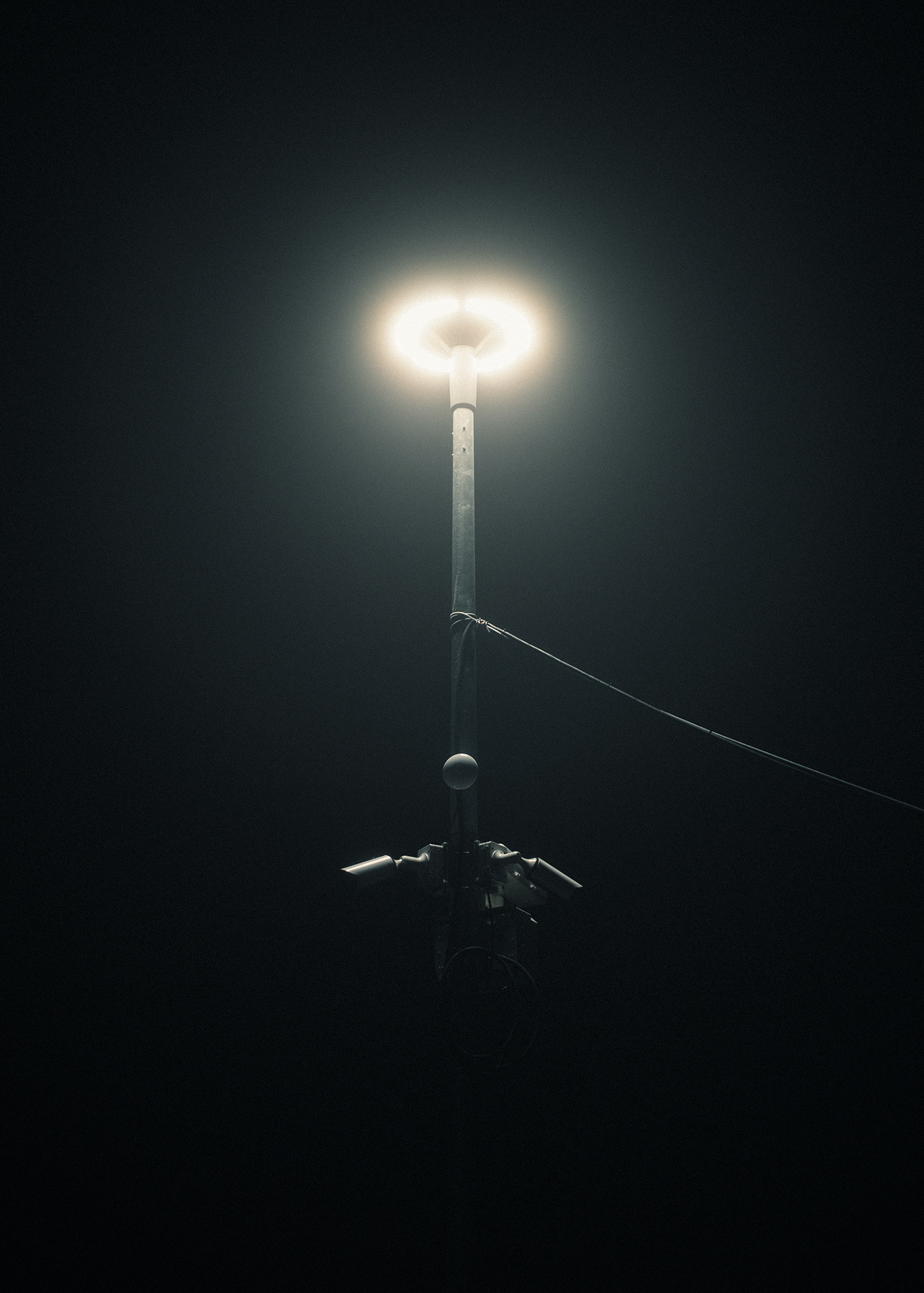
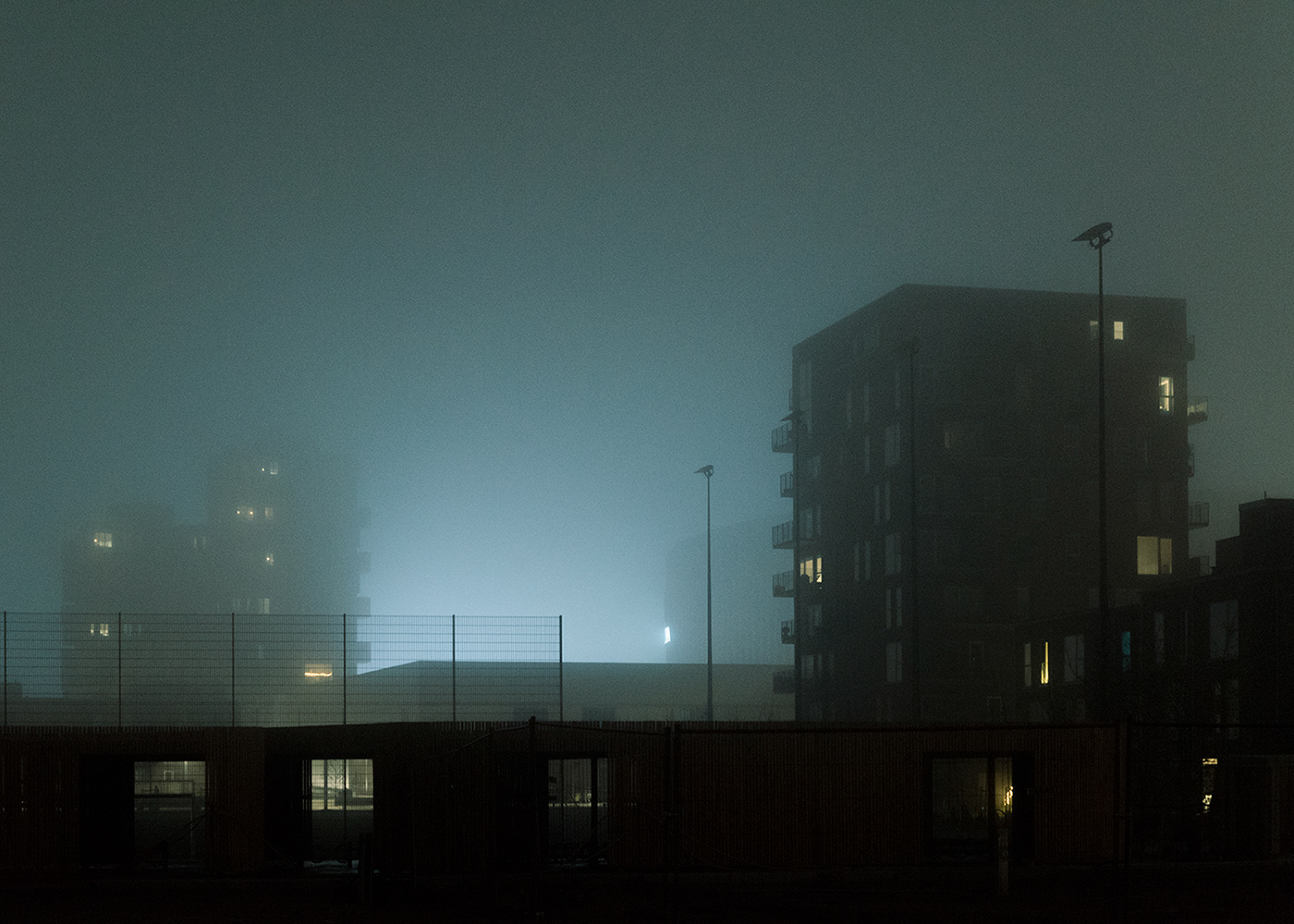
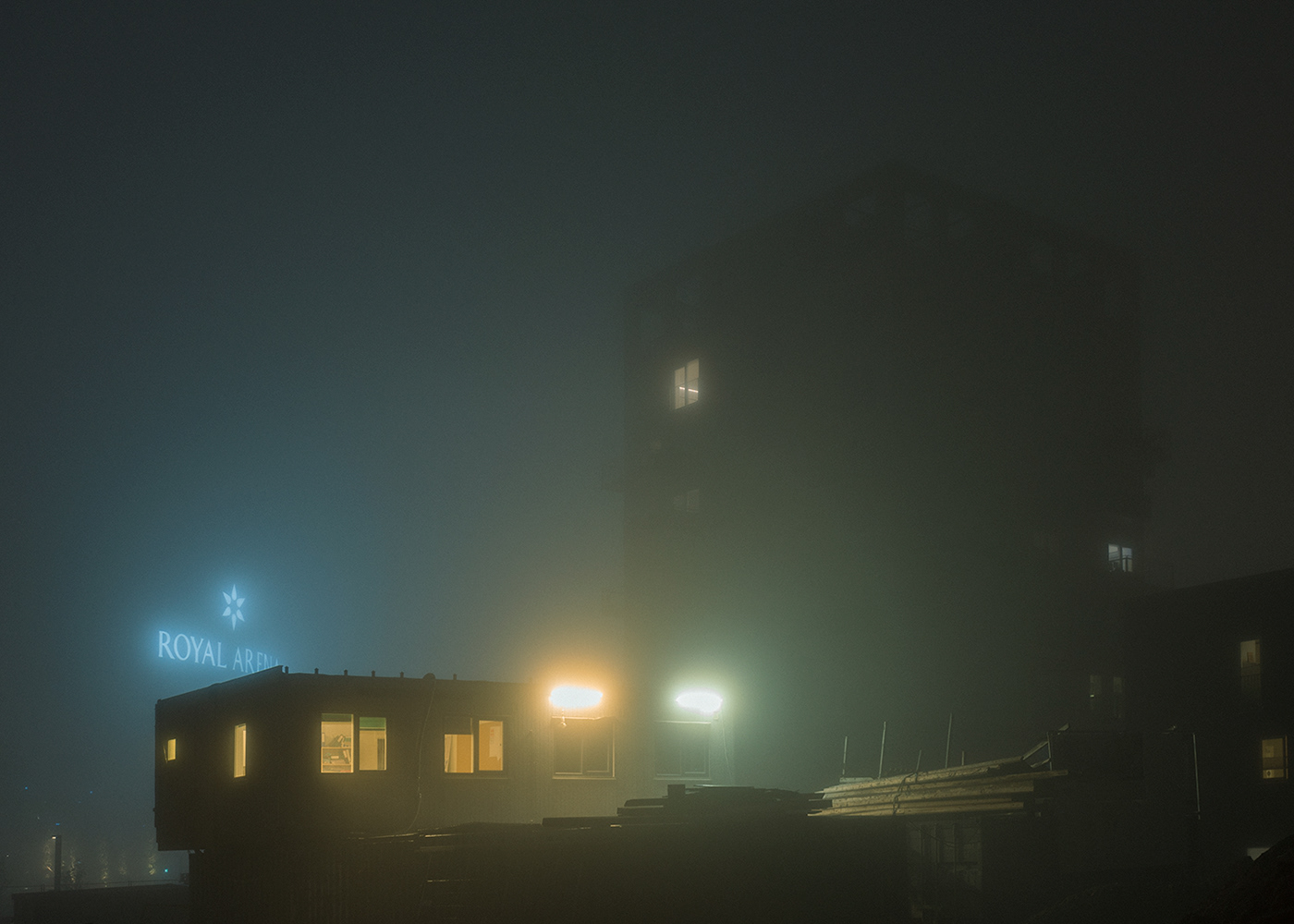
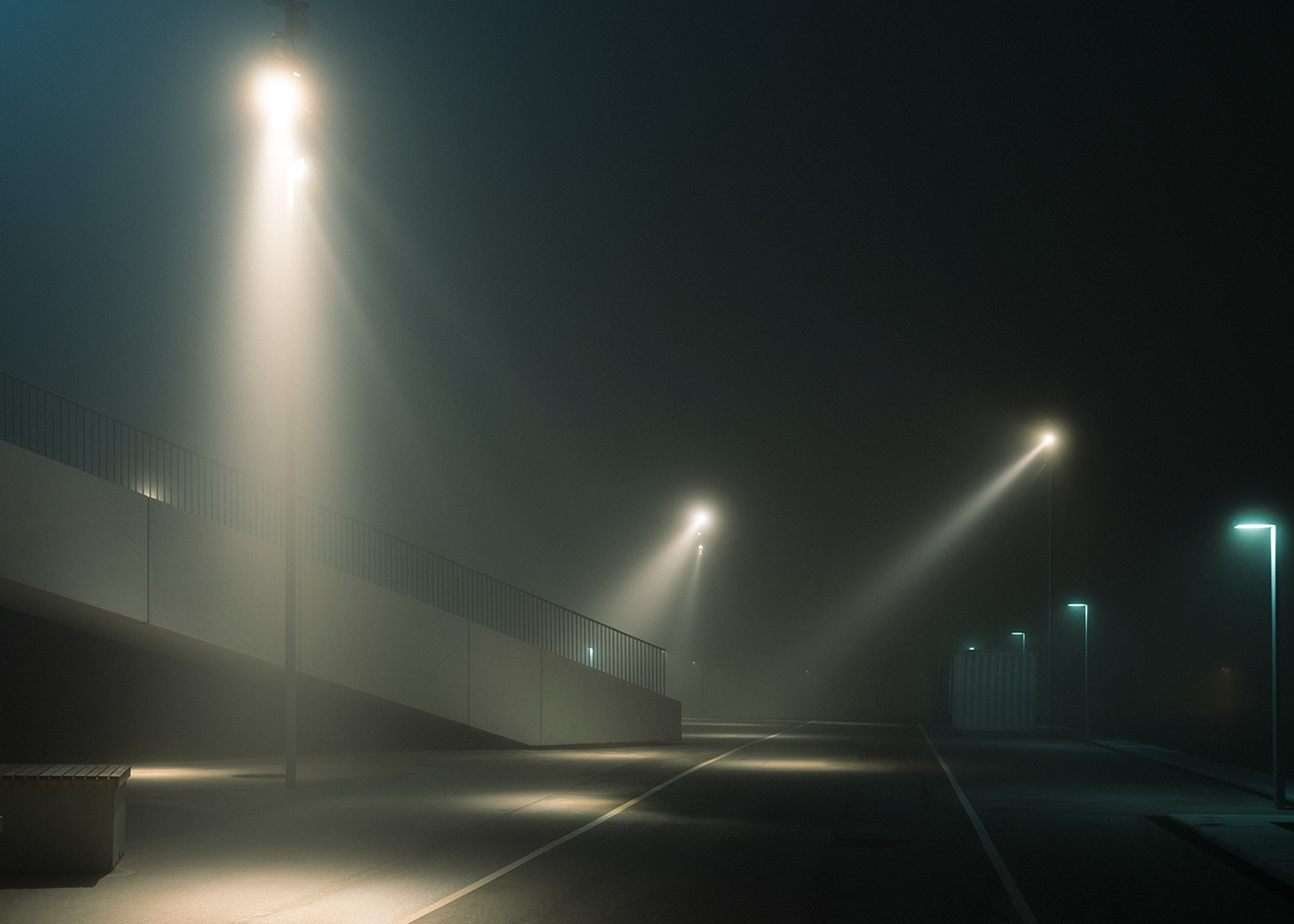
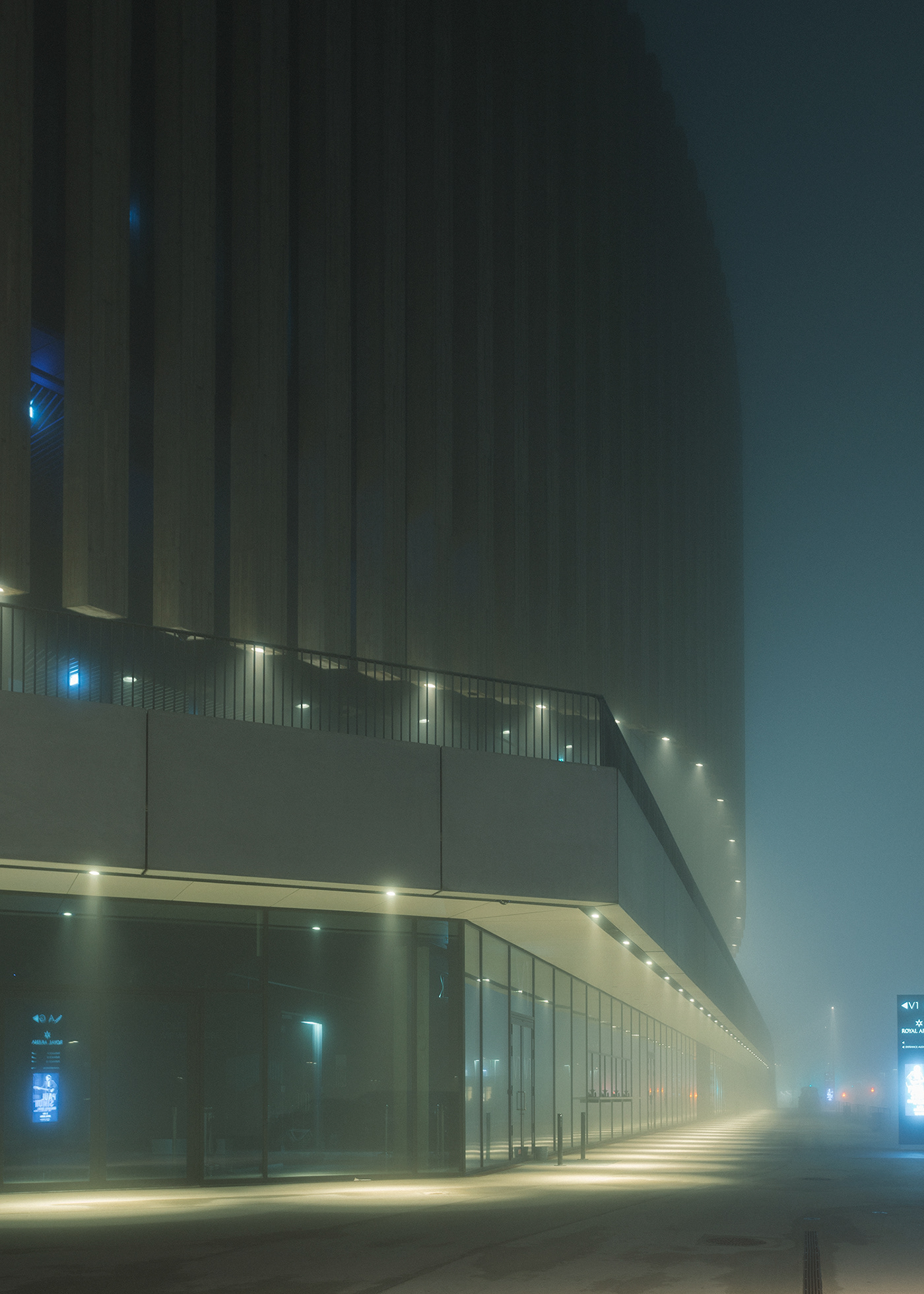
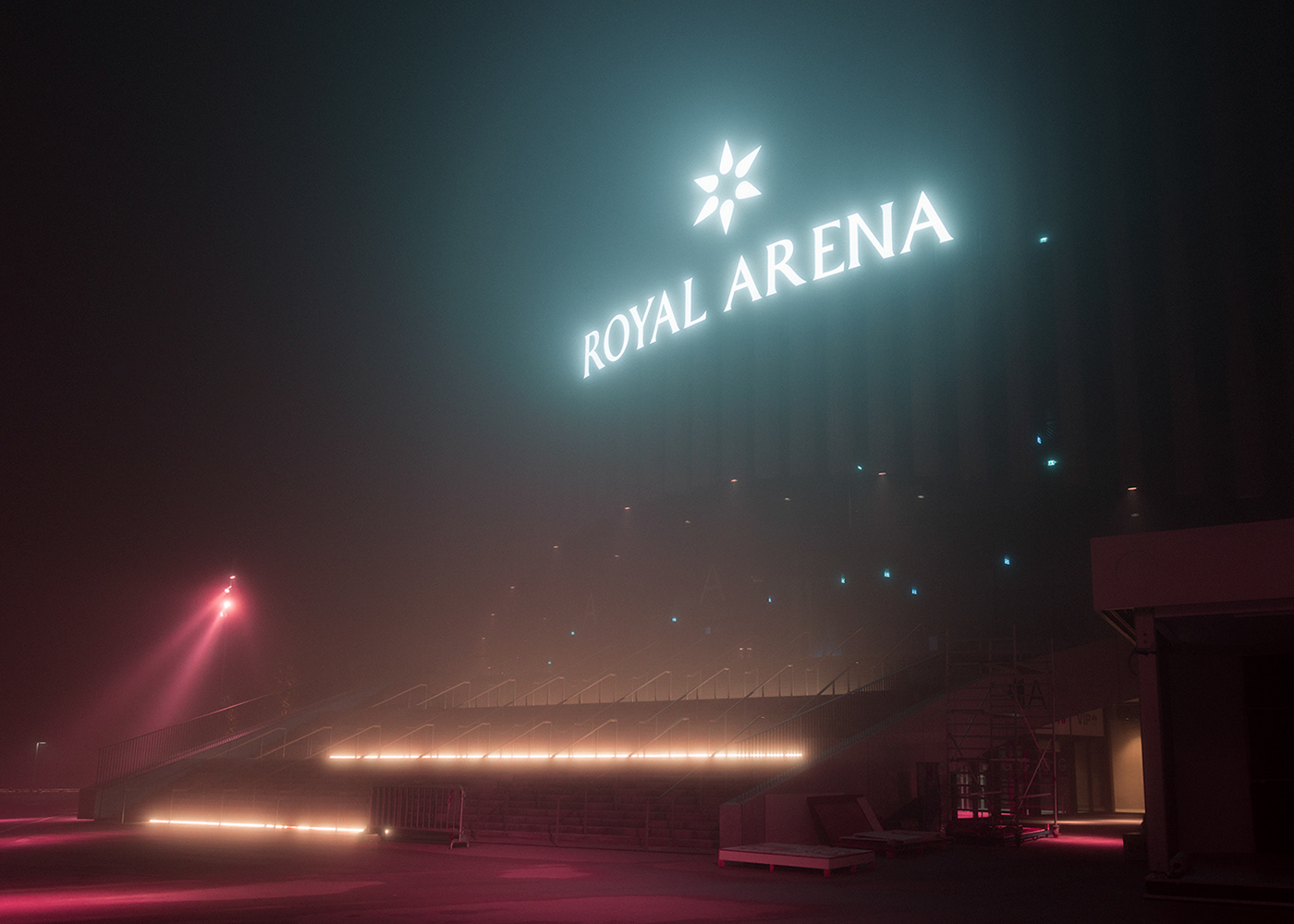
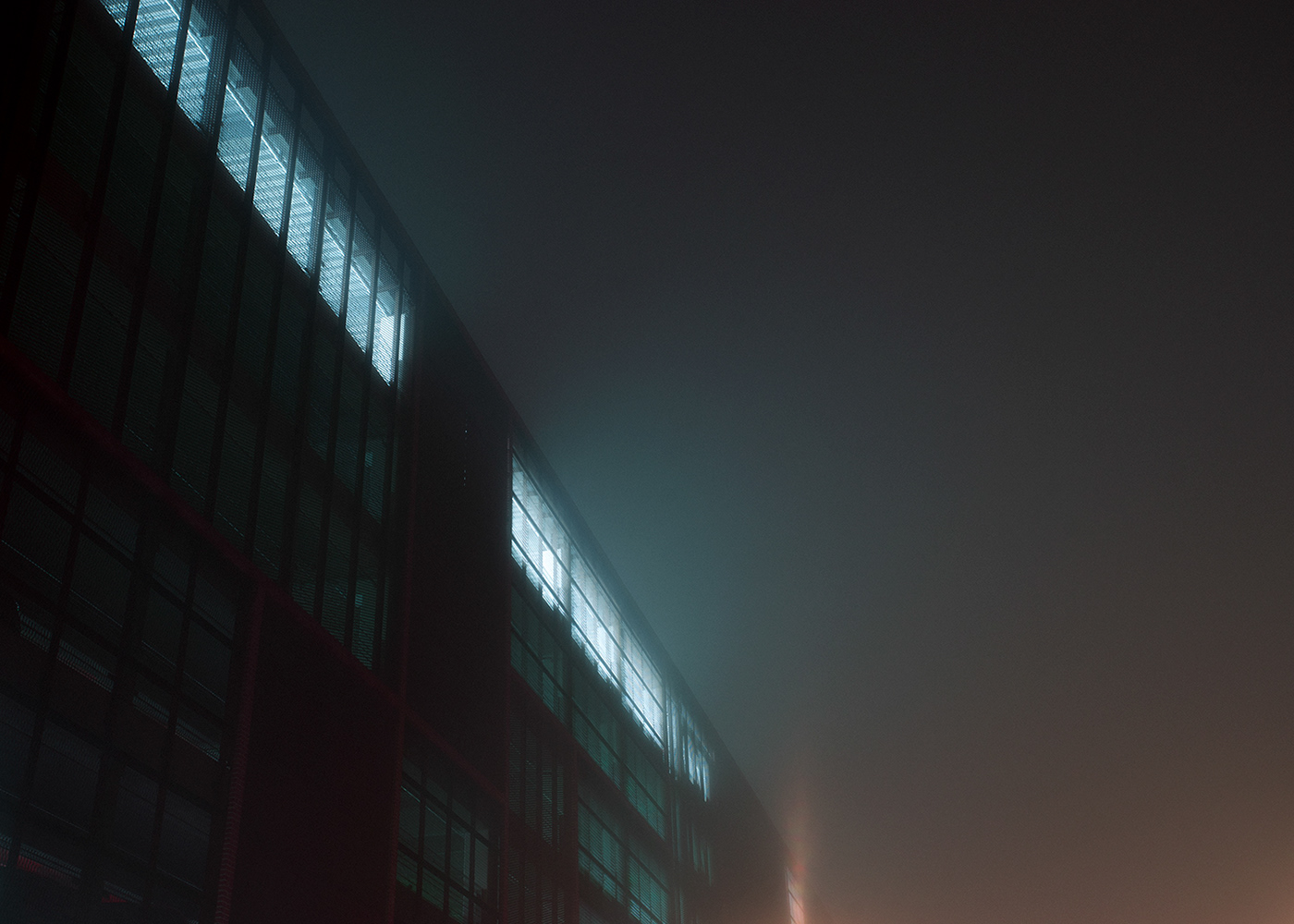
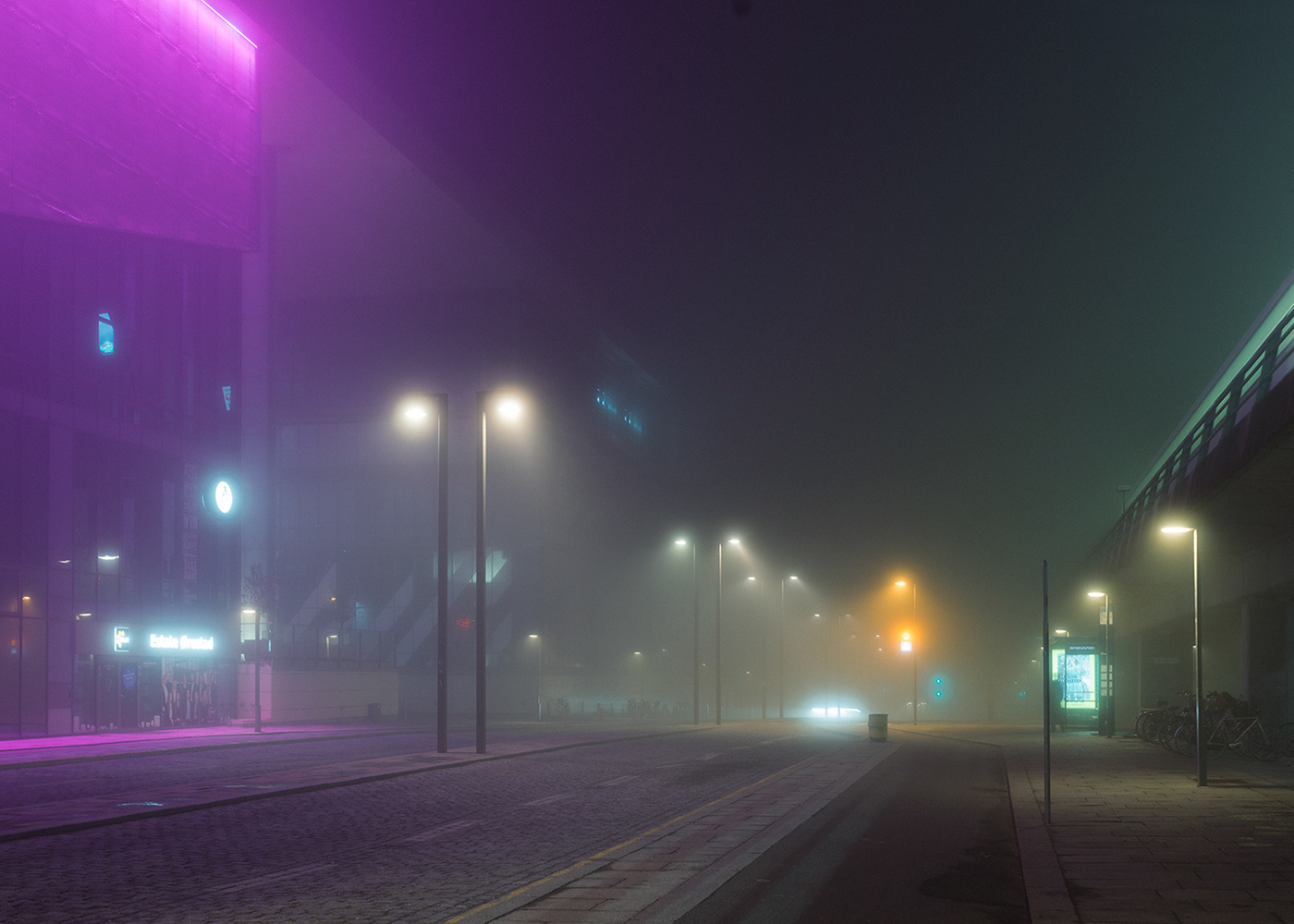
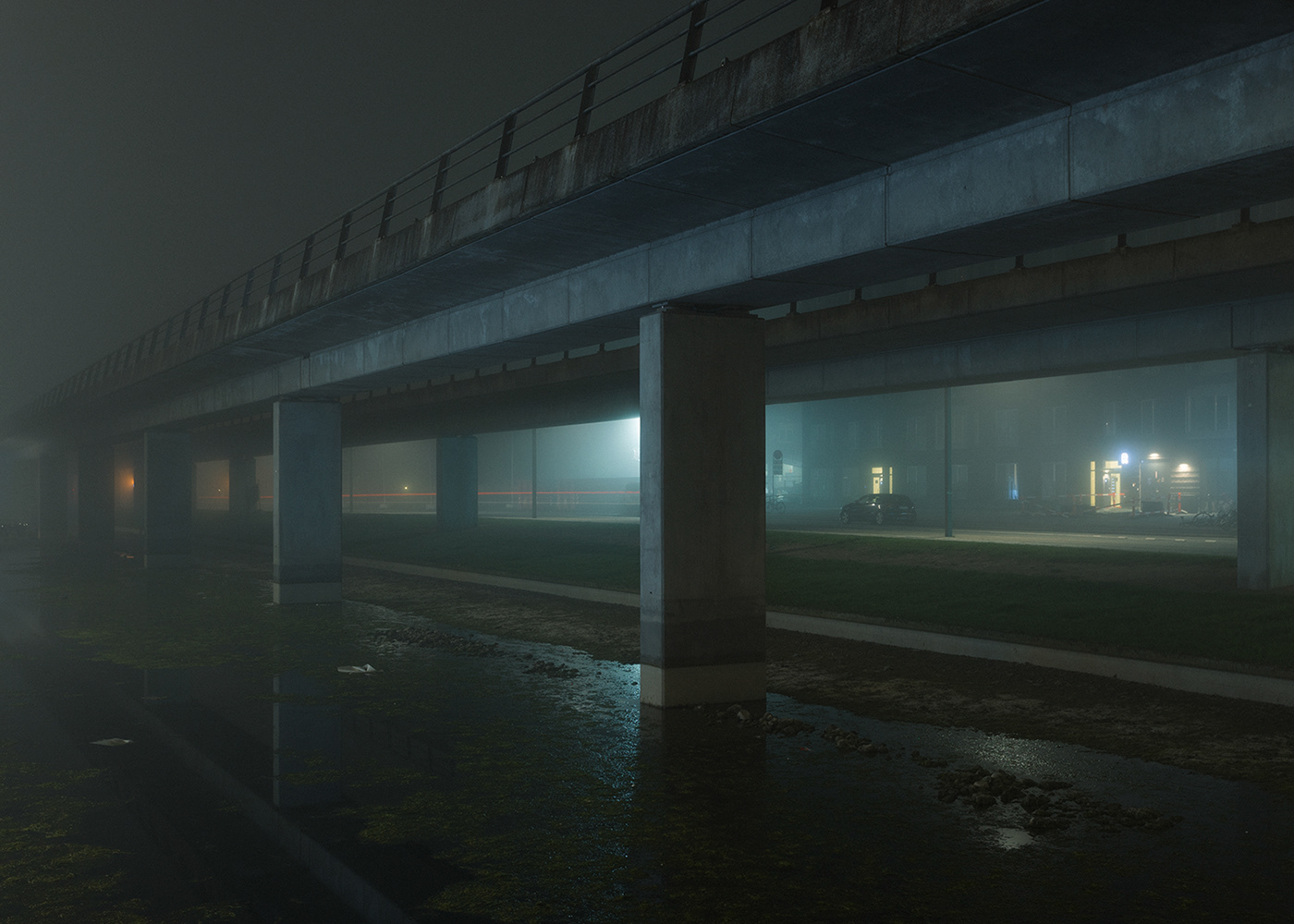
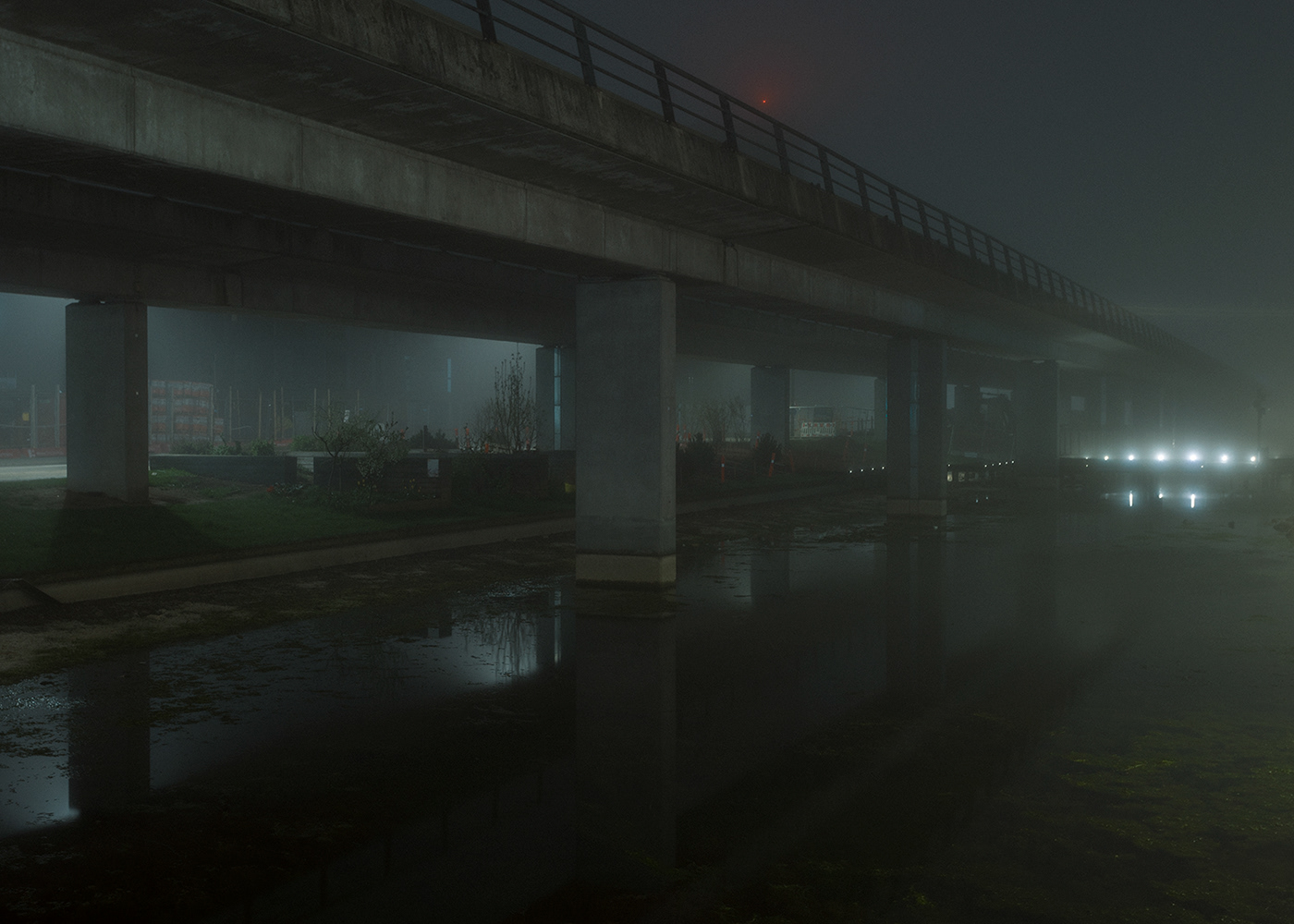
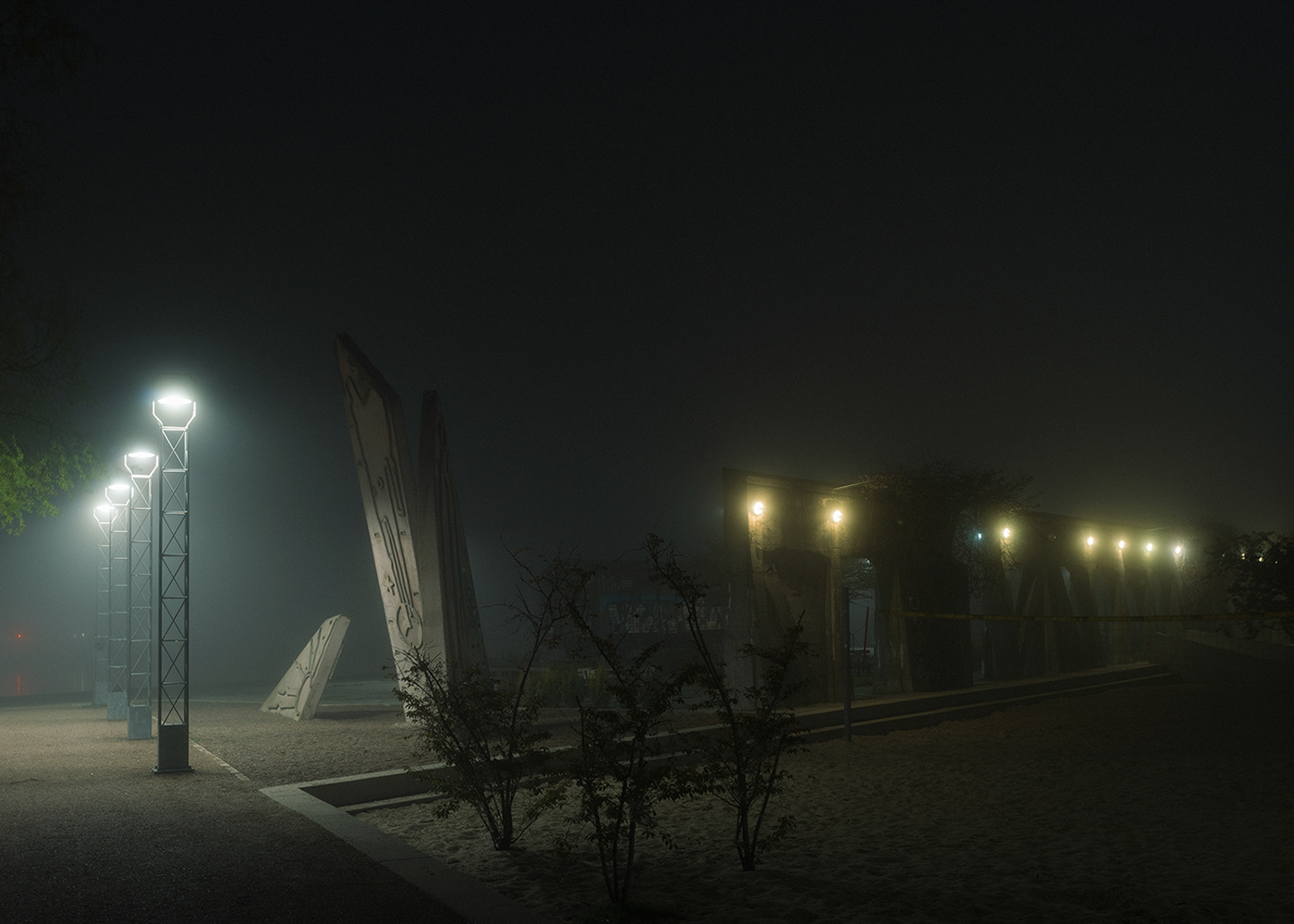
Kim Høltermand is a freelance architectural and landscape photographer from Denmark, recently dropped a series of hypnotising urban photography made in the fog after rain
"Our current society has evolved into an increasingly interconnected world through the 8.4 billion networked devices (as of 2017) that have become tools of survival in our modern lives. Personal data is constantly uploaded to these networks and a real-time stream of information and images that narrate our identities is available. The algorithms of these networks become filters for these narratives. altering the perception of our identities. The feedback, authentication, and traits of our identities within these digital networks have a very real influence on the psychological interpretation of ourselves. This alteration of our identities through networks is largely invisible, yet it creates very real barriers and conceptual walls, which we have to navigate in order to access. "
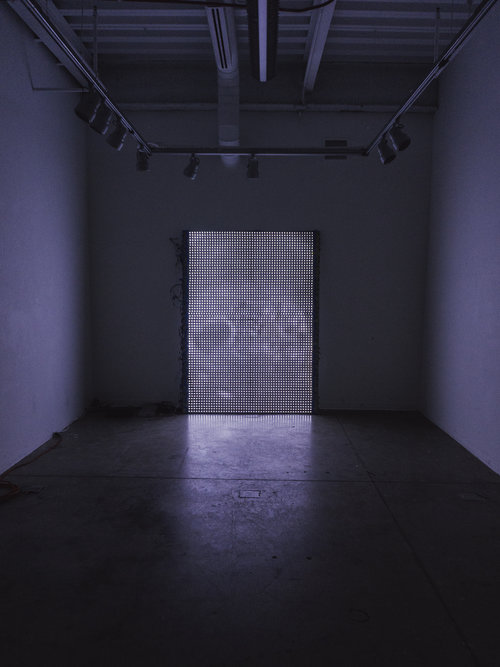
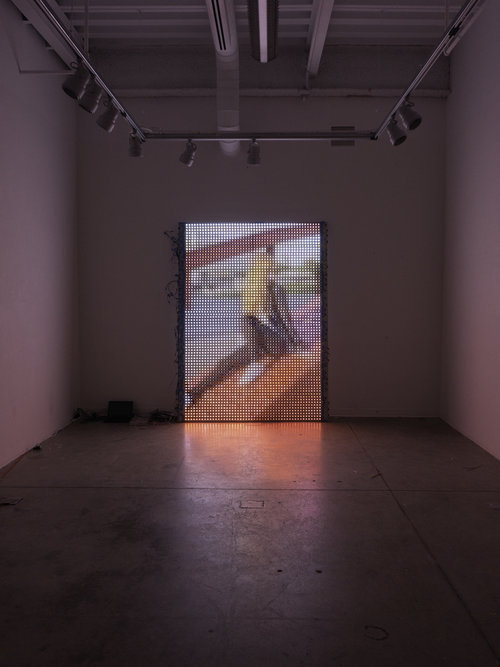
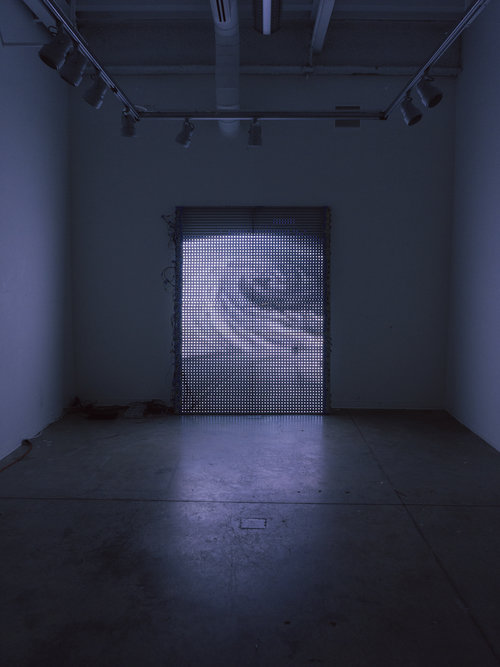
"By allowing viewers to see their own images which are uploaded to a transparent light panel through the internet, the algorithms and code contained in this work allows viewers to interact with algorithms in a transparent and visible way that is more akin the reality of the ways in which algorithms reorder and classify our identities without our knowledge. "
Hype Cycle is a series of futurist films exploring human-machine collaboration through performance and emerging technologies.
Machine Learning is the second set of films in the Hype Cycle series. It builds on the studio’s past experiments with motion studies, and asks: when will machines achieve human agility?
Set in a spacious, well-worn dance studio, a dancer teaches a series of robots how to move. As the robots’ abilities develop from shaky mimicry to composed mastery, a physical dialogue emerges between man and machine – mimicking, balancing, challenging, competing, outmanoeuvring.
Can the robot keep up with the dancer? At what point does the robot outperform the dancer? Would a robot ever perform just for pleasure? Does giving a machine a name give it a soul?
These human-machine interactions from Universal Everything are inspired by the Hype Cycle trend graphs produced by Gartner Research, a valiant attempt to predict future expectations and disillusionments as new technologies come to market.
Creative Director: Matt Pyke
Animation: Joe Street
Sound Designer: Simon Pyke (Freefarm)
Senior Producer: Greg Povey
Motion Capture: Audio Motion
Dancer /Choreographer: Dwayne-Antony Simms
Produced by: Playful
Written, Directed & Editorial by: Pablo Alfieri
3d Design by: Seba Morales
Animated by: Facu Labo
Sound Design by: Delirium deliriumdelirium.tv
From February 7 through March 17, 2018, Pilevneli Gallery presented Refik Anadol’s latest project on the materiality of remembering. Melting Memories offered new insights into the representational possibilities emerging from the intersection of advanced technology and contemporary art. By showcasing several interdisciplinary projects that translate the elusive process of memory retrieval into data collections, the exhibition immersed visitors in Anadol’s creative vision of “recollection.”
“Science states meanings; art expresses them,” writes American philosopher John Dewey and draws a curious distinction between what he sees as the principal modes of communication in both disciplines. In Melting Memories, Refik Anadol’s expressive statements provide the viewer with revealing and contemplative artworks that will generate responses to Dewey’s thesis.
Comprising data paintings, augmented data sculptures and light projections, the project as a whole debuts new advances in technology that enable visitors to experience aesthetic interpretations of motor movements inside a human brain. Each work grows out of the artist’s impressive experiments with the advanced technology tools provided by the Neuroscape Laboratory at the University of California, San Francisco. Neuroscape is a neuroscience center focusing on technology creation and scientific research on brain function of both healthy and impaired individuals. Anadol gathers data on the neural mechanisms of cognitive control from an EEG (electroencephalogram) that measures changes in brain wave activity and provides evidence of how the brain functions over time. These data sets constitute the building blocks for the unique algorithms that the artist needs for the multi-dimensional visual structures on display.
Anadol’s installations do not only address a productive espousal of cutting-edge technology and art but also a strong preoccupation with the study of human memory from Ancient Egyptians to Blade Runner 2049. The exhibition’s title, Melting Memories, refers to the artist’s experience with unexpected interconnections among seminal philosophical works, academic inquiries and artworks that take memory as their principal themes. The title further draws attention to the melting of neuroscience and technology into these centuries-long philosophical debates, questioning the emergence of a new space where artificial intelligence is not in conflict with individuality and intimacy.
Designed & Developed at Refik Anadol Studio
Nicholas Boss
Efsun Erkilic
Kian Khiaban
Ho Man Leung
Raman K. Mustafa
Toby Heinemann
Sound Design : Kerim Karaoglu
Software Development : Kyle McLean / Steffan Klaue
Scientific Support
UCSF / Neuroscape Lab Members
Adam Gazzaley, M.D., PH.D.
"Wanderers" is an ongoing project performed by Mediated Matter group at MIT Media Lab, lead by Prof. Neri Oxman
"Traveling to destinations beyond planet Earth involves voyages to hostile landscapes and deadly environments. Crushing gravity, amonious air, prolonged darkness, and temperatures that would boil glass or freeze carbon dioxide, all but eliminate the likelihood of human visitation. Wanderers explores the possibility of voyaging to the worlds beyond by visiting the worlds within. 3D printed wearable capillaries designed for interplanetary pilgrims are infused with synthetically engineered microorganisms to make the hostile habitable and the deadly alive. Each design is a codex of the animate and inanimate with an origin and a destination: the origin being engineered organisms, which multiply to create the wearable within a 3D printed skins; and the destination being a unique planet in the solar system."
"We explore a computational approach and associated protocol, which emulates biological growth by developing complex geometries over multiple iterations. The general framework for the generation of grown structures utilizes a hybrid approach to the simulation of evolving interfaces. A geometric input representation—phenotype (e.g. a triangle mesh, a set of line segments, or a point cloud) is transformed into an intermediate representation—genotype. Data gathered from these three representations is then used to deform the initial geometric representation. Lastly, the deformed initial representation is topologically changed to react to the deformation of the object. This is done iteratively, such that results given for input representations are continuously deformed and refined. As the process repeats, the deformations aggregate into the growth of a coherent form. By altering the geometric genotype and phenotype, a broad variety of different structures can be ‘grown’."
The setting for this exploration is the solar system where, with the exception of planet Earth, no life can exist. The series represents the classical elements understood by the ancients to sustain life (earth, water, air and fire), and offers their biological counterpart in the form of microorganisms engineered to produce life-sustaining elements. The wearables are designed to interact with a specific environment characteristic of their destination and generate sufficient quantities of biomass, water, air and light necessary for sustaining life: some photosynthesize converting daylight into energy, others bio-mineralize to strengthen and augment human bone, and some fluoresce to light the way in pitch darkness. Each wearable is designed for a specific extreme environment where it transforms elements that are found in the atmosphere to one of the classical elements supporting life: oxygen for breathing, photons for seeing, biomass for eating, biofuels for moving, and calcium for building. Design research at the core of this collection lies at the intersection of multi-material 3D printing and Synthetic Biology.
The Wanderers were unveiled as part of the exhibition: ‘The Sixth Element: Exploring the Natural Beauty of 3D Printing' on display at EuroMold, 25-28 November, Frankfurt, Germany, Hall 11, Booth FN01. This work was done in collaboration with Christoph Bader and Dominik Kolb. The wearables were 3D printed with Stratasys multi-material 3D printing technology. Members of the Mediated Matter group led by Will Patrick and Sunanda Sharma are currently working on embedding living matter in the form of engineered bacteria within the 3D structures in order to augment the environment. Each piece intends to hold life sustaining elements contained within 3D printed vascular structures with internal cavities. Living matter within these structures will ultimately transform oxygen for breathing, photons for seeing, biomass for eating, biofuels for moving and calcium for building. Scientific collaborators include Dr. James Weaver, Prof. George Church, Prof. Pamela Silver, Prof. Tim Lu, Allen Chen, Stephanie Hays, Eléonore Tham and Dan Robertson.
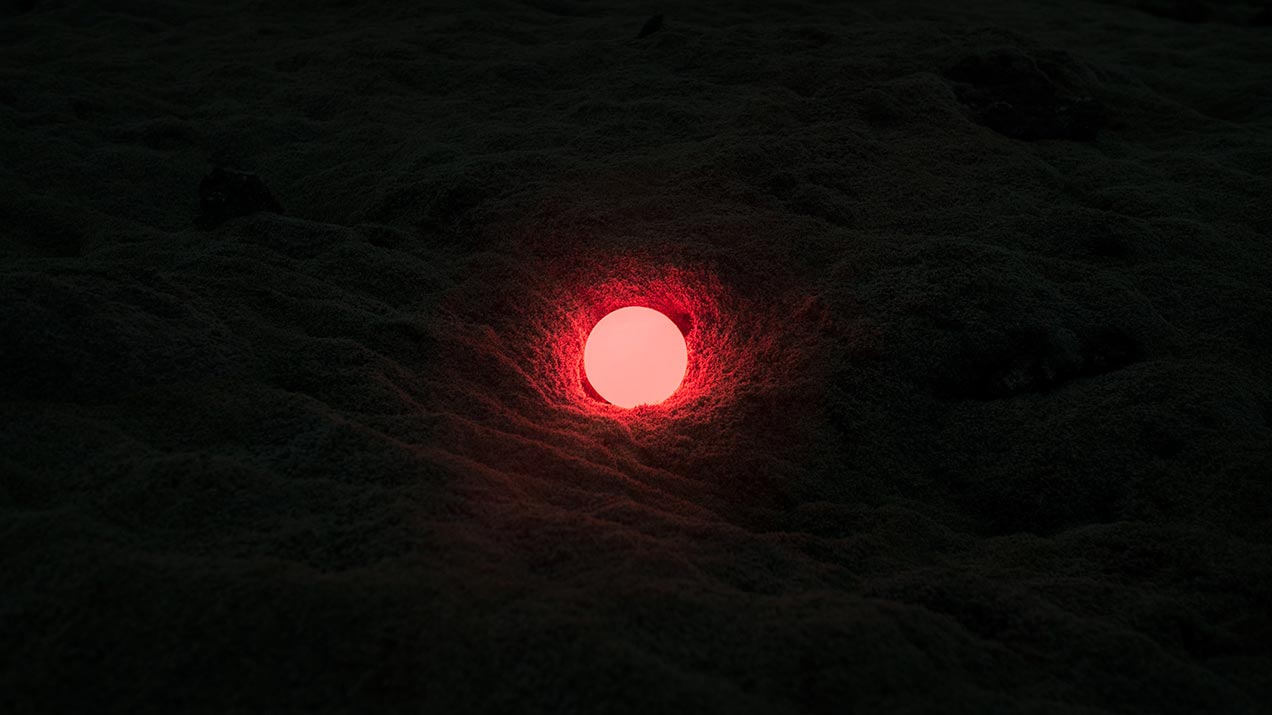
Tarek Mawad and Friedrich van Schoor, also known as collective 3hund are two german artists, sharing the same passion for nature, adventure and dark melancholic images. They teamed up with electronic composer Achim “Künstler” Treu, a.k.a. UFO Hawai, to create "LUCID". A surreal world based on simple geometric light shapes that seem misplaced, but somehow blend with its surrounding at the same time.
"The idea was to create a surreal world based on simple geometric light shapes that seem misplaced, but somehow blend with its surrounding at the same time. Shapes that emphasize the mood of its surrounding in the most simple way. By installing electroluminescent light shapes and wires in untouched landscapes, a single lightsource tells a surreal story of magic and loneliness in a surreal and intense way. Every environment has its own light installation.
The intention was to summarize all installations in a cinematographic way to create a touching short film"
Pioneer of Russian motion design - Vladimir Tomin, best known as a co-founder of Nord Works (together with Alex Frukta) and Digital Decade resident, released his massive showreel summing up few years of 24/7 animation work.





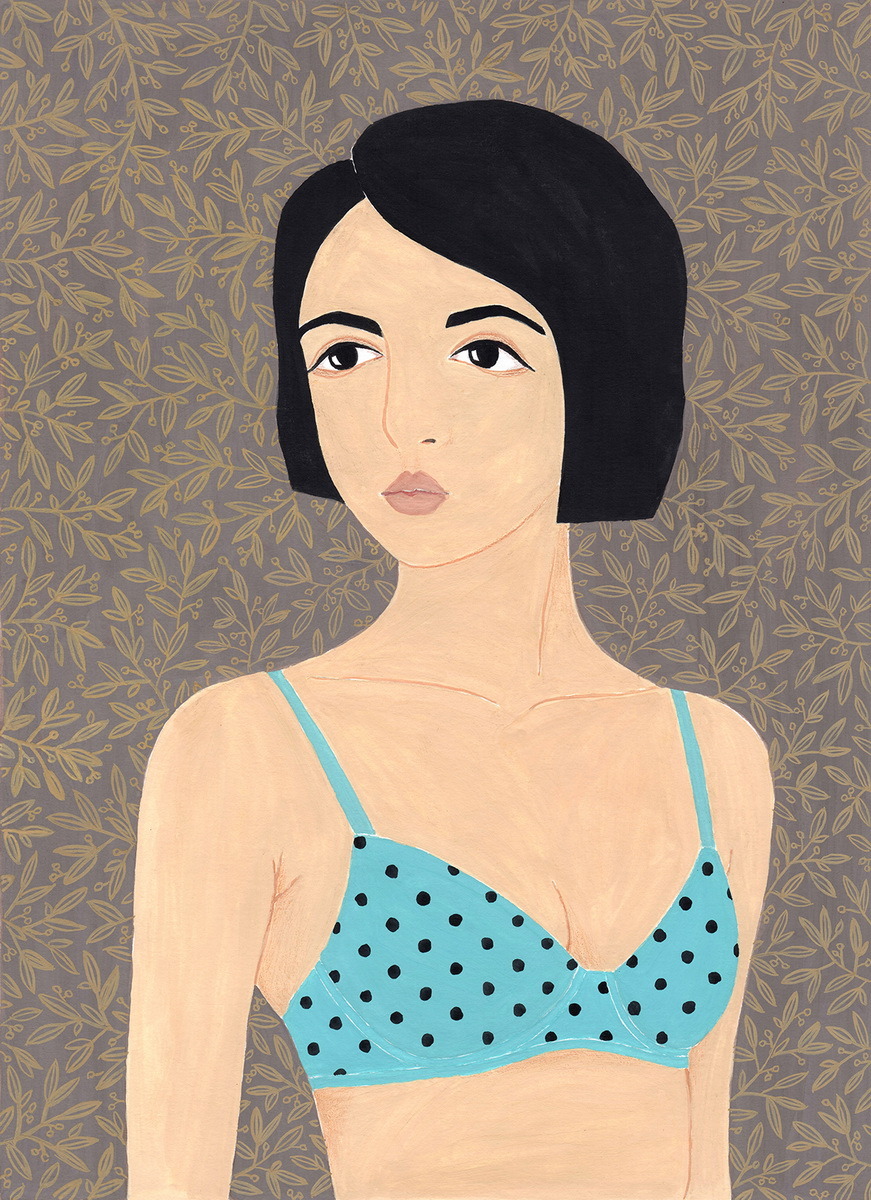
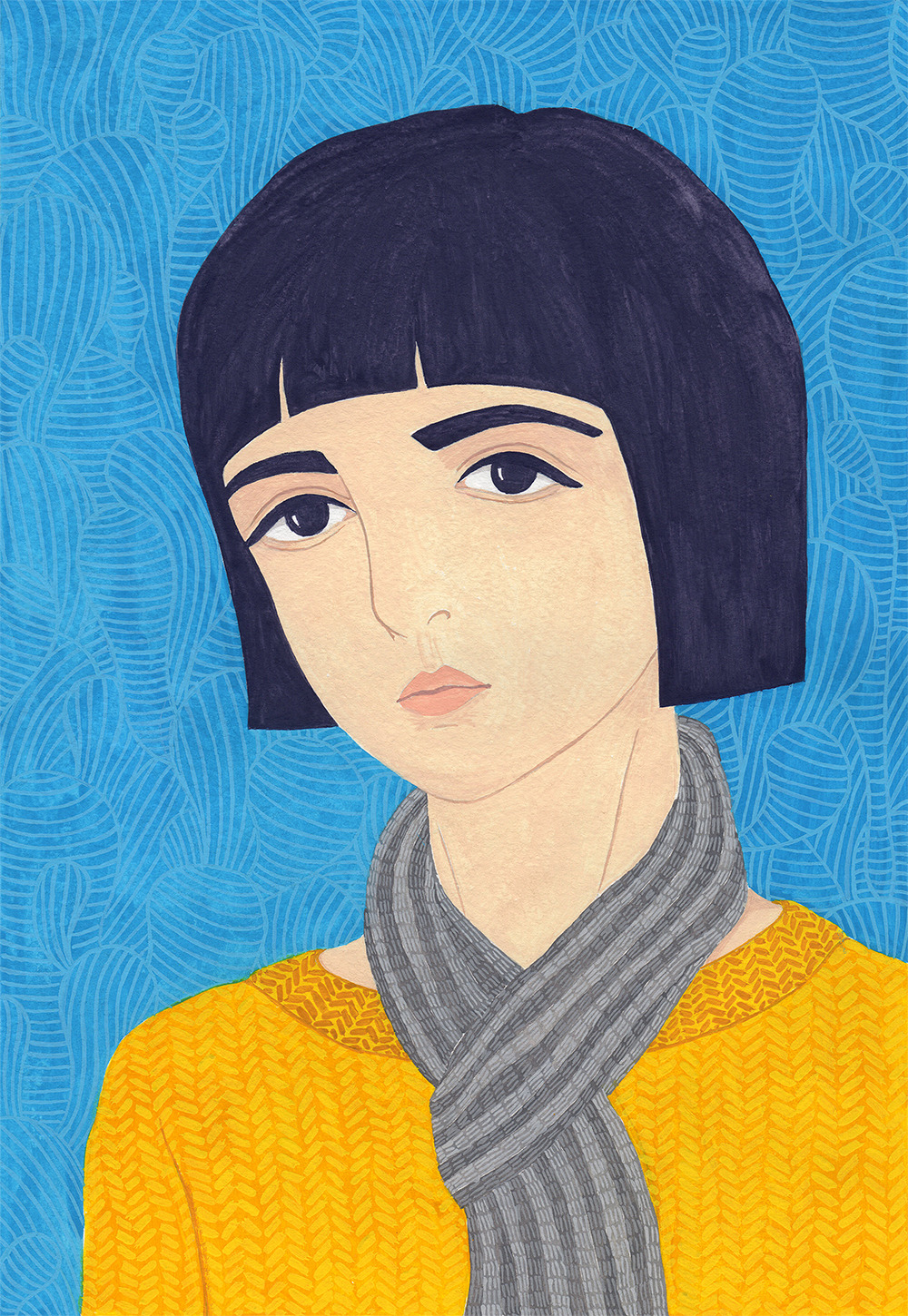
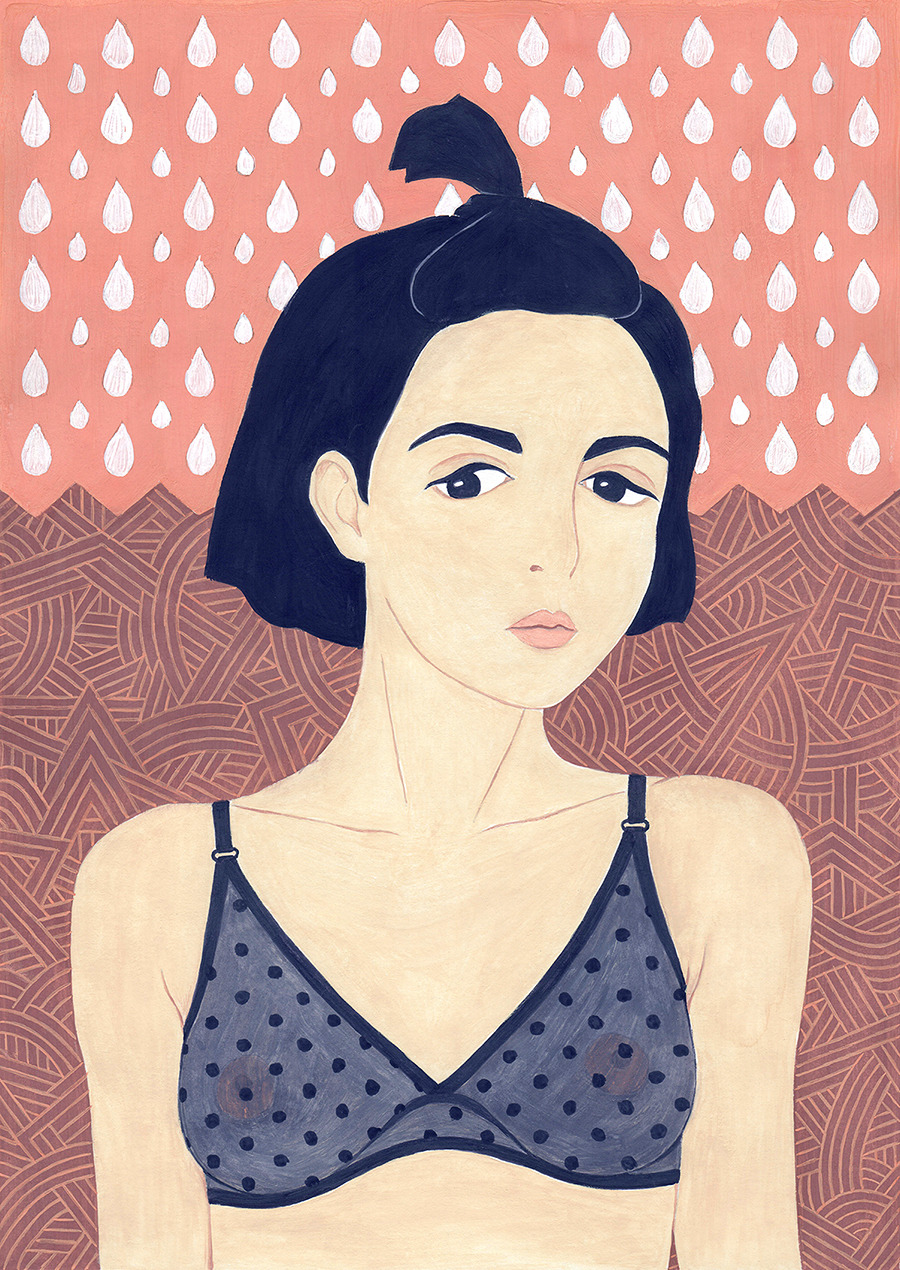
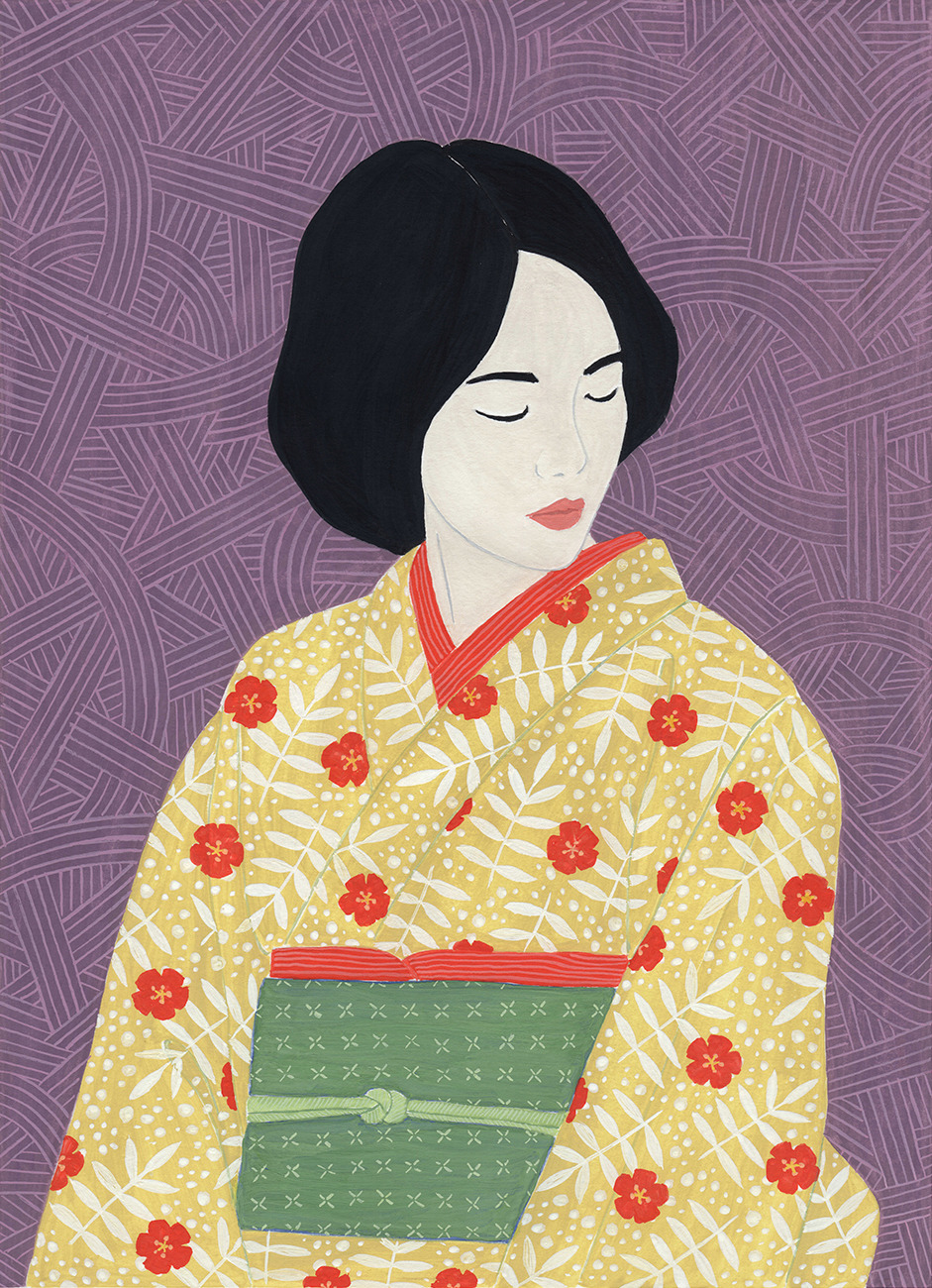
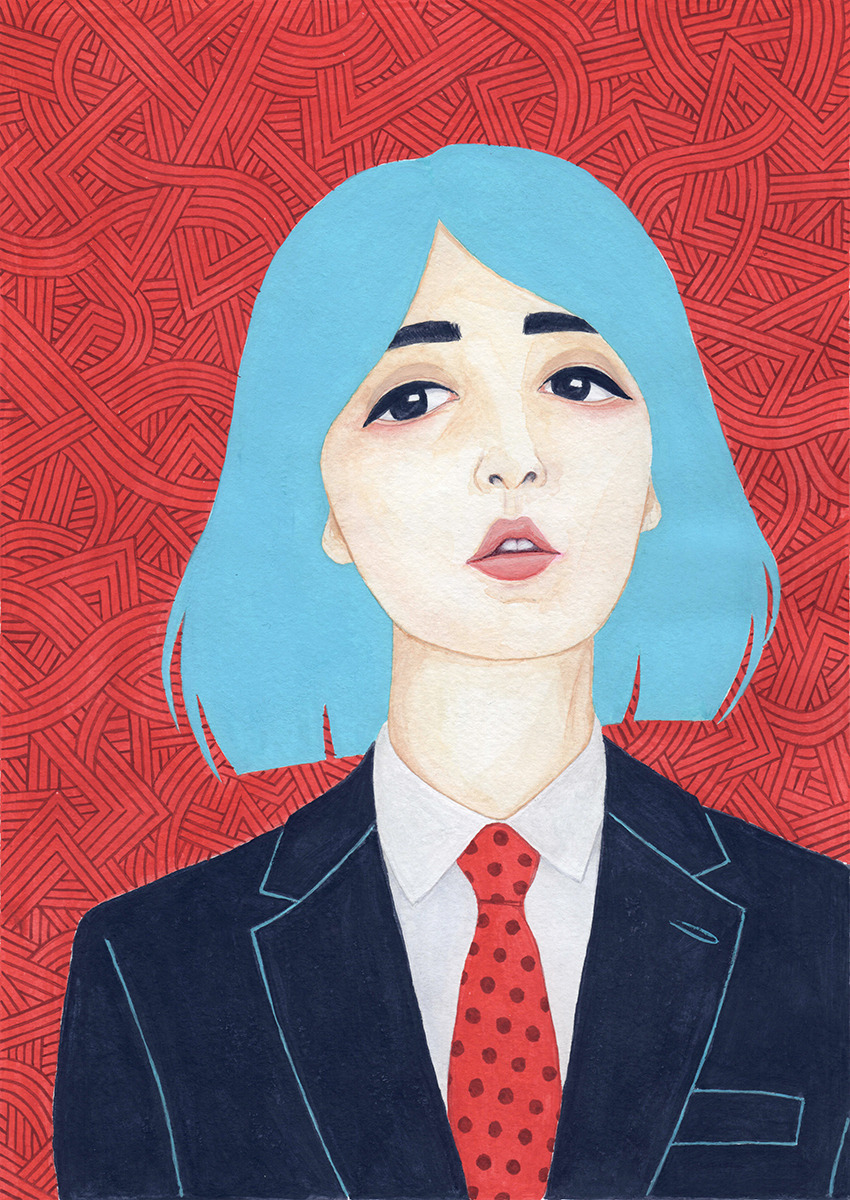
Minsk-based self-taught illustrator Sasha Fishkin creates naive portraits carefully using Japanese pattern backgrounds "tsuru" that helps main characters to stand out and please an eye with their imperfections.
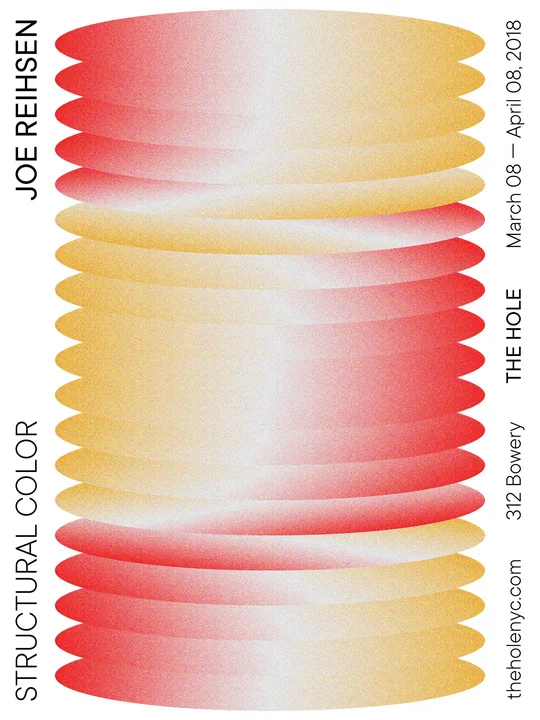
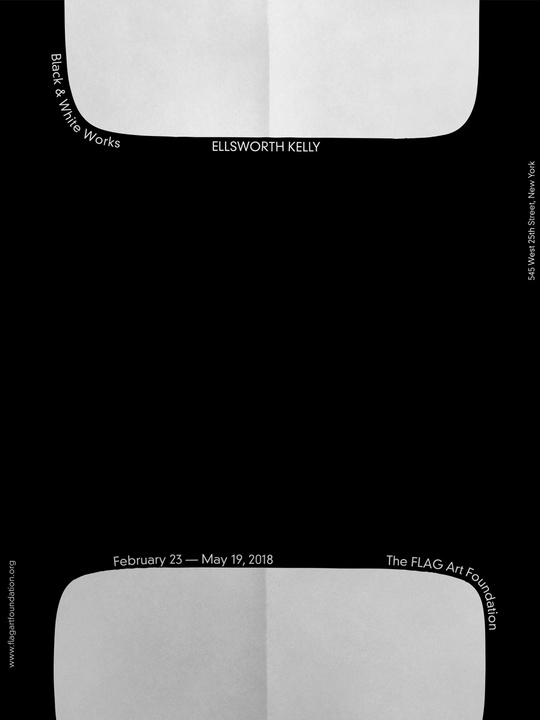
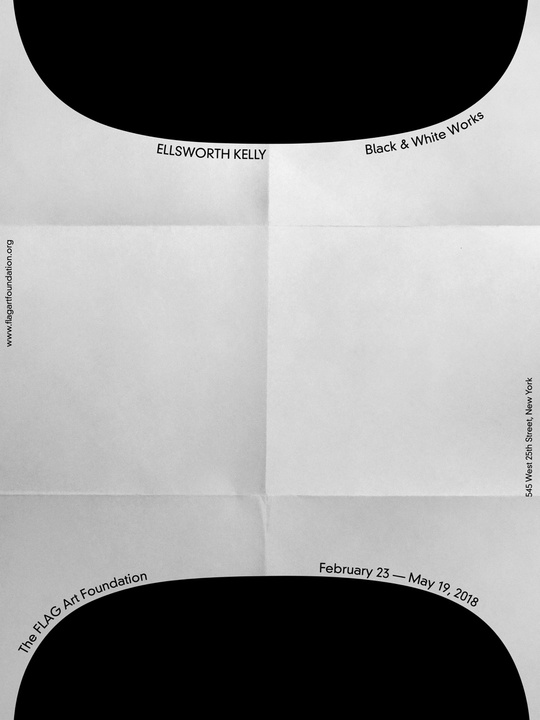
Every day Artem Matyushkin goes to one exhibition at various New York galleries and designs a poster for each one of them. He says that while he was doing it he realized that the most interesting part about it and also the biggest challenge is finding something in the artists' style that can be translated into graphic design language.


Alexandra Gavrilova and Sergey Titov are Moscow artists, working together as Stain. They are focused on abstract forms and concepts to find concentration in today's poly-dimensional information flow, seeing creative process as a way to render one's idea of the world and oneself, to learn more about principles of nature and human perception. Stain works with generative methods to create graphics, audiovisual and light installations.
"Abstract objects on the projection are moving slowly according to the solid dynamics, an active environment is filled with bits of recursive reactions. This algorithmically conditioned but probabilistically unstable graphical canvas depicts a metaphor of causation and reflection on the events in the life of communities. All the scene is filming with low frame rate. The real situation in the space of the exhibition turns to a documentary, in another time, it immerses the observer in eternity and transience of the view from afar on the events happened a minute ago."
"The interrelations of the elements of sets, the patterns of their combinations, and the constancy of recurring circumstances constitute the stabilities of our existence."
"Everyone can influence the image with tilting a smartphone connected to the local network.
Sound by Lazyfish is also realtime synthesized and forms a whole with the graphics.
Audience's interaction with the installation floats between game, creation or contemplation, depending on participnts' mood and actions. Visually complex image is a metaphor of virtual structures, which one can affect intuitively easy. Participant's mind is immersed in the process of influence and perception of emotional feedback. Graphic style hints at futurist aesthetics and has a certain irony along with intention to rethink our attitudes to technology."


Esther Brown is a British/South African artist and designer born and raised in Japan, currently settled and working in the UK. She completed a BA HONS in Fine Art in 2014, worked as a print designer and has won an award for her drawings.
Gleaning elements from her multicultural background, Esther’s work is based around the concepts of symmetry, beauty and Utopia. Brightly coloured birds sit on a background of patterns and golden halos, and animals are surrounded by a wreath of voluptuous flowers and butterflies. Her pieces often reflect the conflict between animals in decorative spaces and the desire for all nature to be wild and free. Both the small fragile creatures and those creatures considered more powerful are depicted and upheld in an other-worldly utopian environment, where their beauty and uniqueness is to be celebrated.
Photography © do mal o menos.
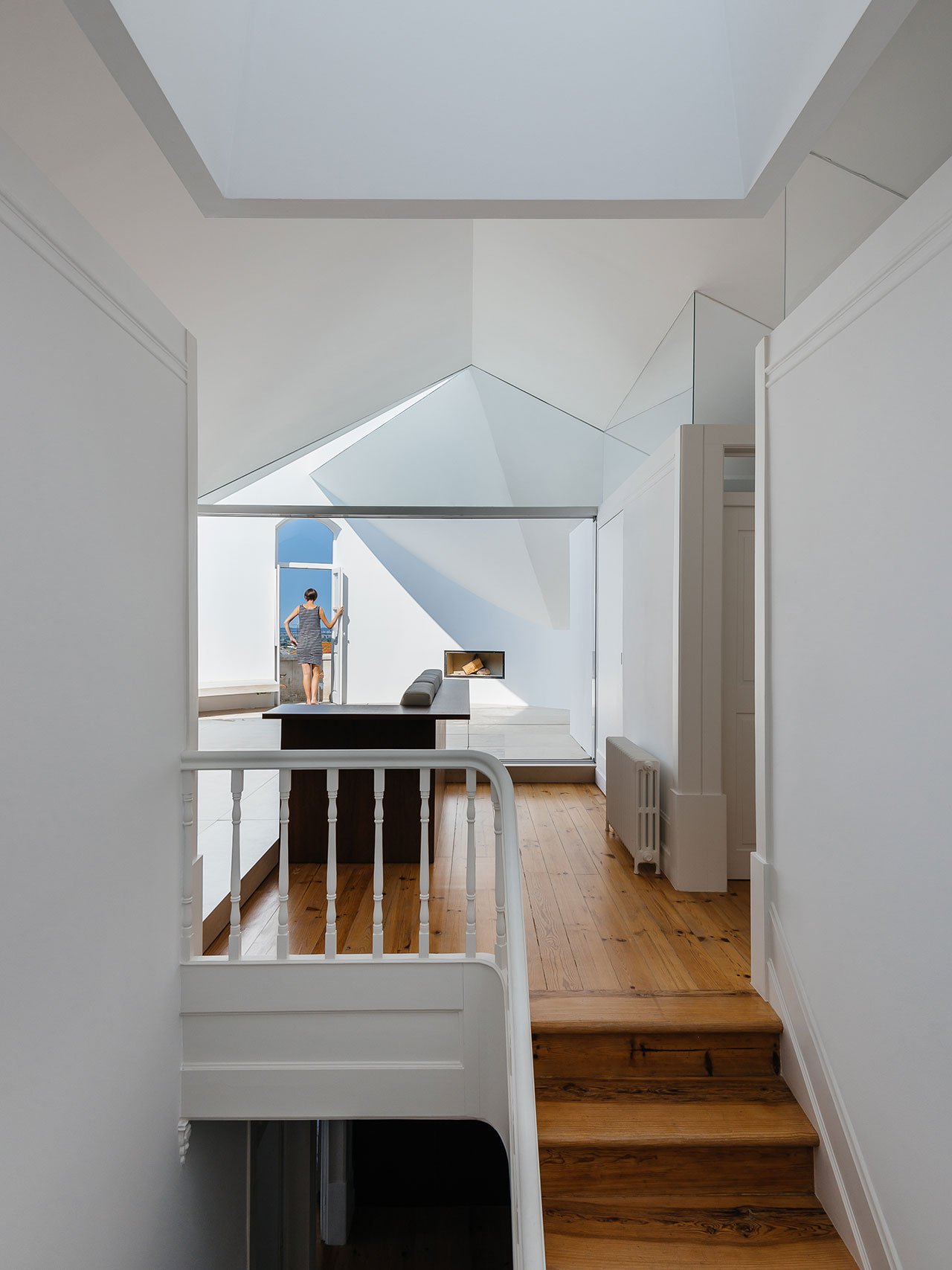
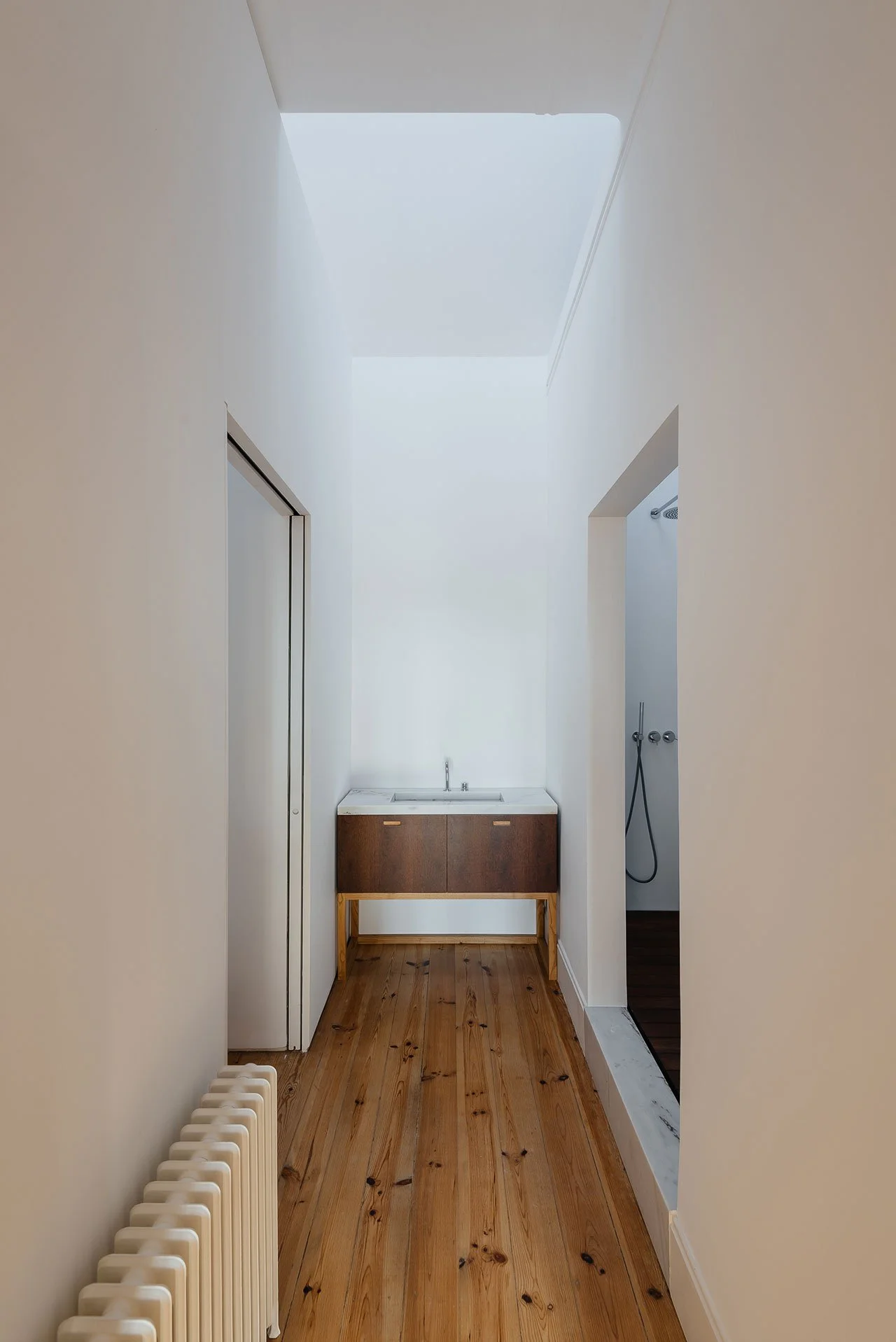
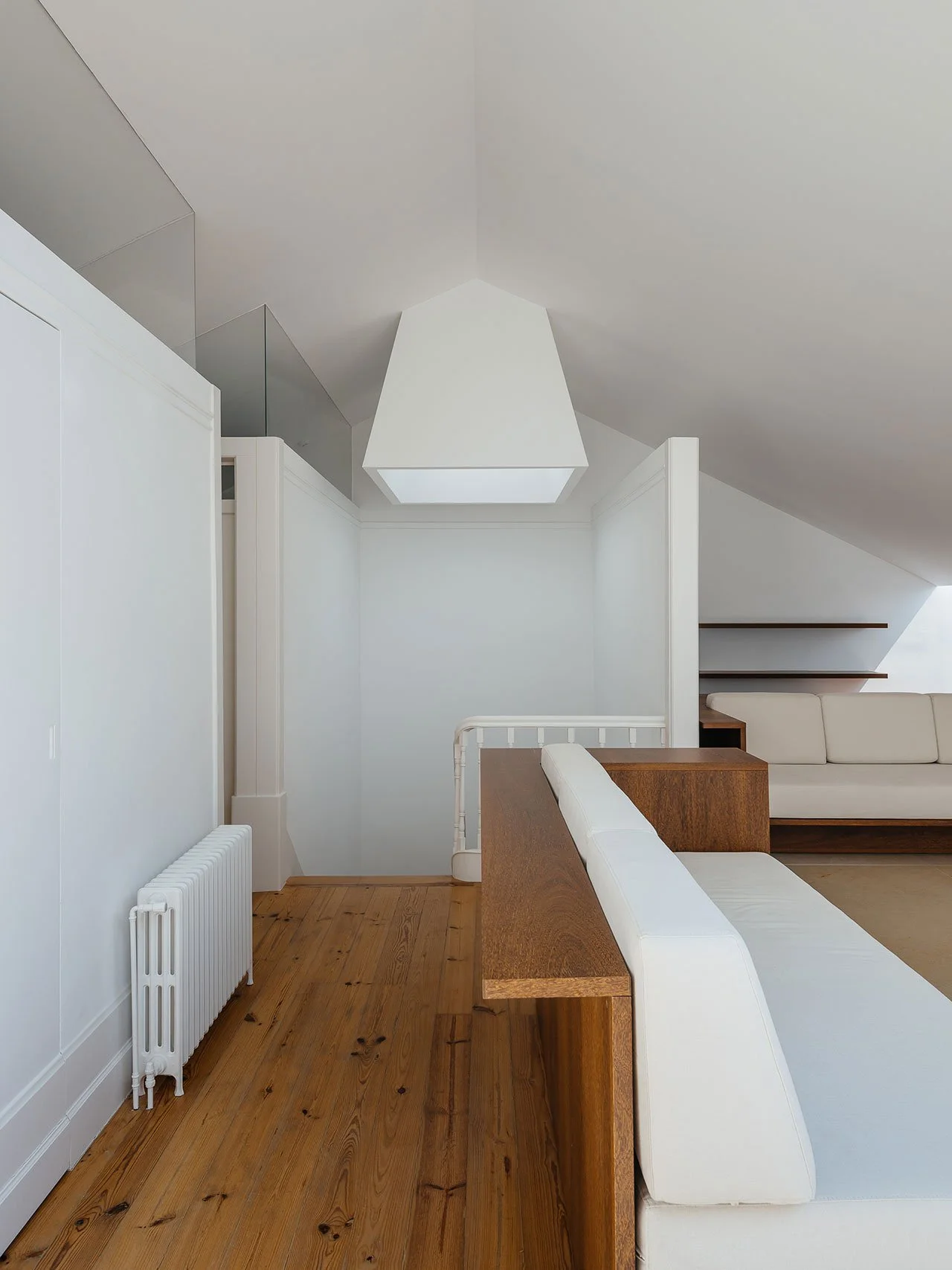
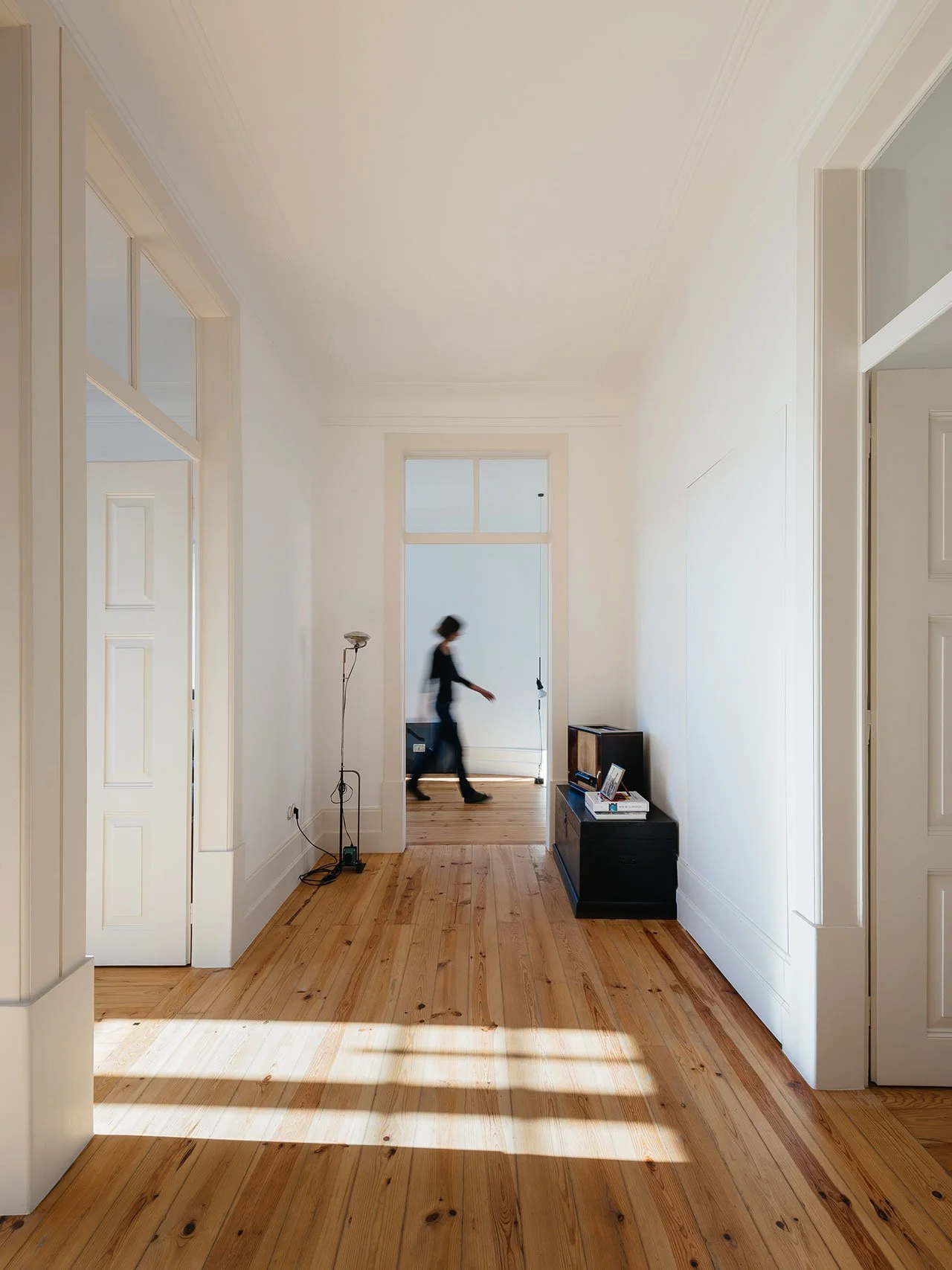
"Picturesquely built upon a hillside on the east bank of the Rio Mondego, the Portuguese city of Coimbra is known for its university, the oldest academic institution in the Portuguese-speaking world, but its charm lies in its kaleidoscopic architecture that features a mixture of buildings spanning nearly a millennium. Part of this historical spectrum is the “Redondo”, a four-storey terraced house built at the beginning of the 20th century which has been thoroughly renovated by Portuguese architects João Branco and Paula del Río of Branco-Delrio Arquitectos and artfully photographed by Lisbon-based architectural photographers do mal o menos."

New York based Milan and Melbourne raised illustrator Ilya Milstein works mainly as editorial artist for clients include The New York Times, Kiehl's and Vice Media. In his recent series commissioned by the New York Times Style Magazine, Ilya recreates "New Yorkers and Their's 80s routines"
“These detailed streetscapes follow a character as she navigates the bustling and gritty New York of the era, crossing paths along the way with figures like David Wojnarowicz, Sylvia Woods and Andy Warhol”
The era might have been old New York’s last real gasp — a time when the very streets, dirty and unsafe as they were, seemed infused with possibility. Here, notable locals revisit their routes and routines, from lunch on the Upper East to nighttime sojourns to then-emerging neighborhoods like TriBeCa. - NYT
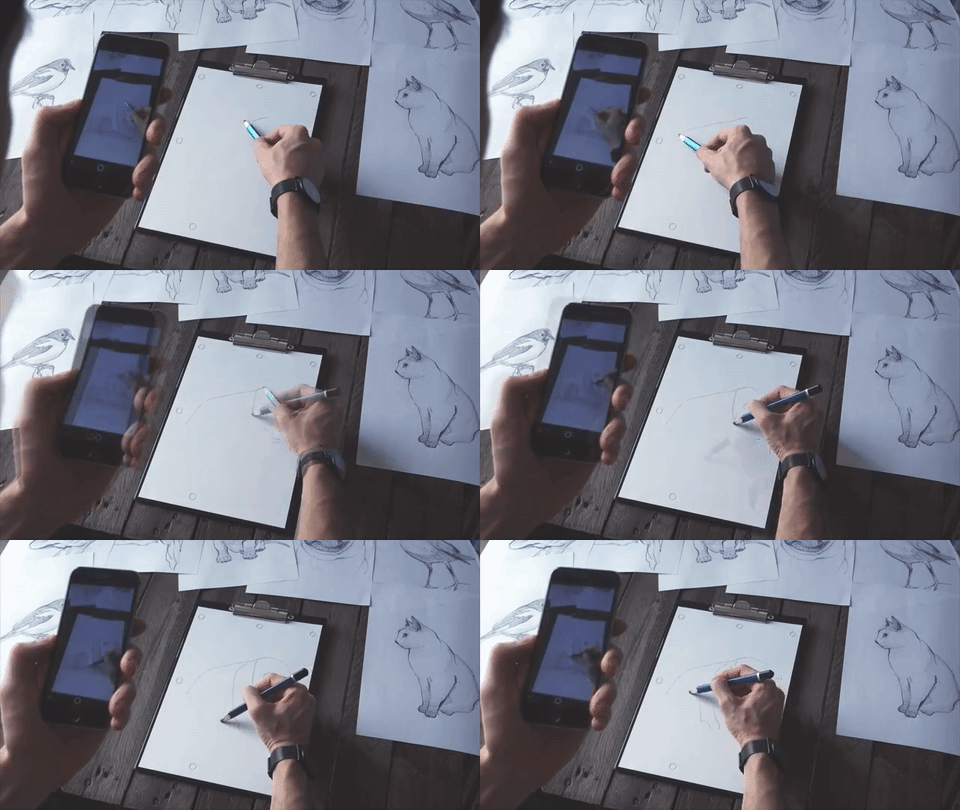
Imagine you need to transfer a huge mural, or copy your digital sketch to a paper. Surely you will find the way to do it, but it won't be that fast and satisfying as using Augmented Reality technology brought you by Sketchar App. Brought up by russian-speaking team in Lithuania Sketchar is the second (Russian built) application that recently won the Webby Award best known as "Web Oscar" (first app was Glitche)
SketchAR is a fully-fledged tool for teaching drawing using augmented reality, machine learning, and neural networks. The app puts virtual images on paper to let you trace drawings from your phone.


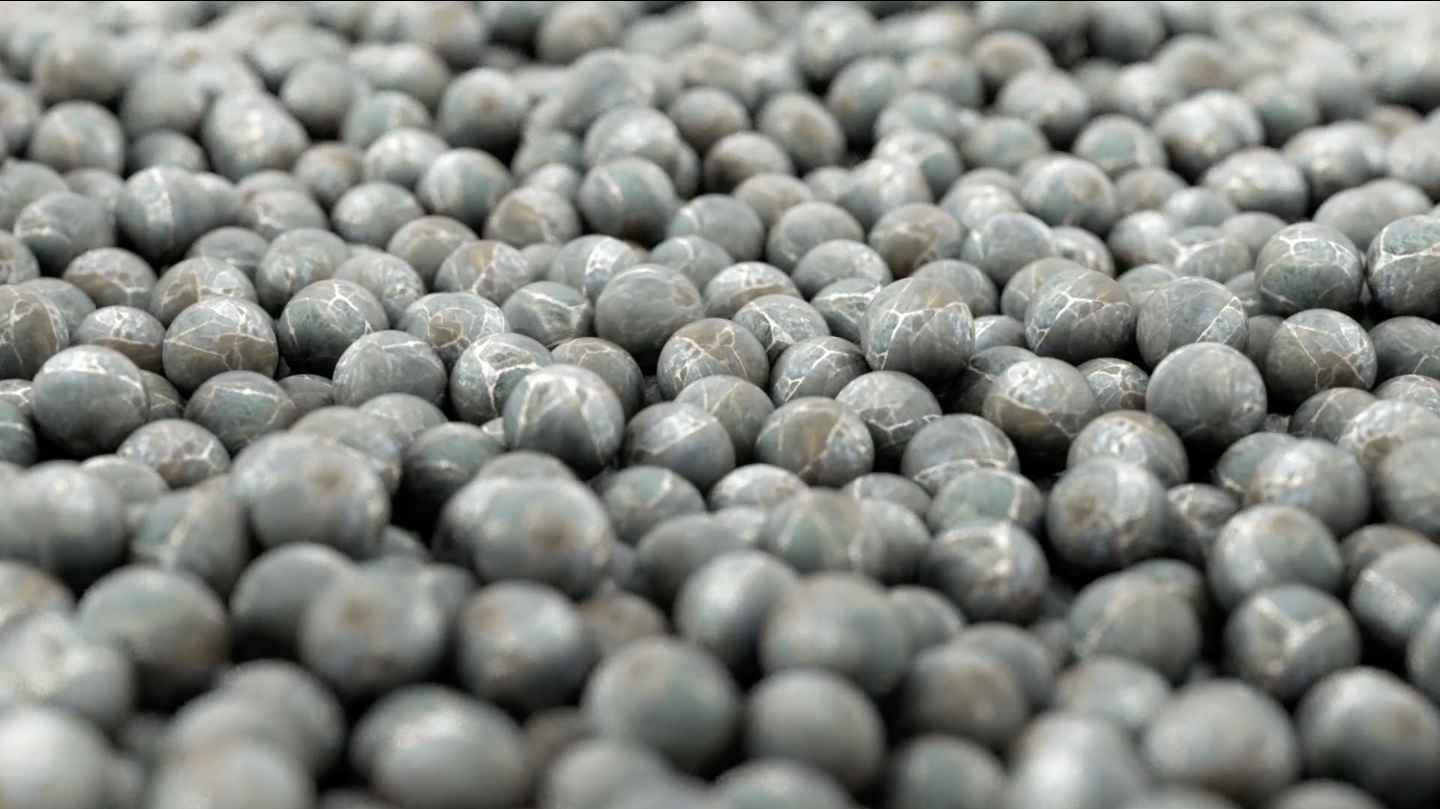
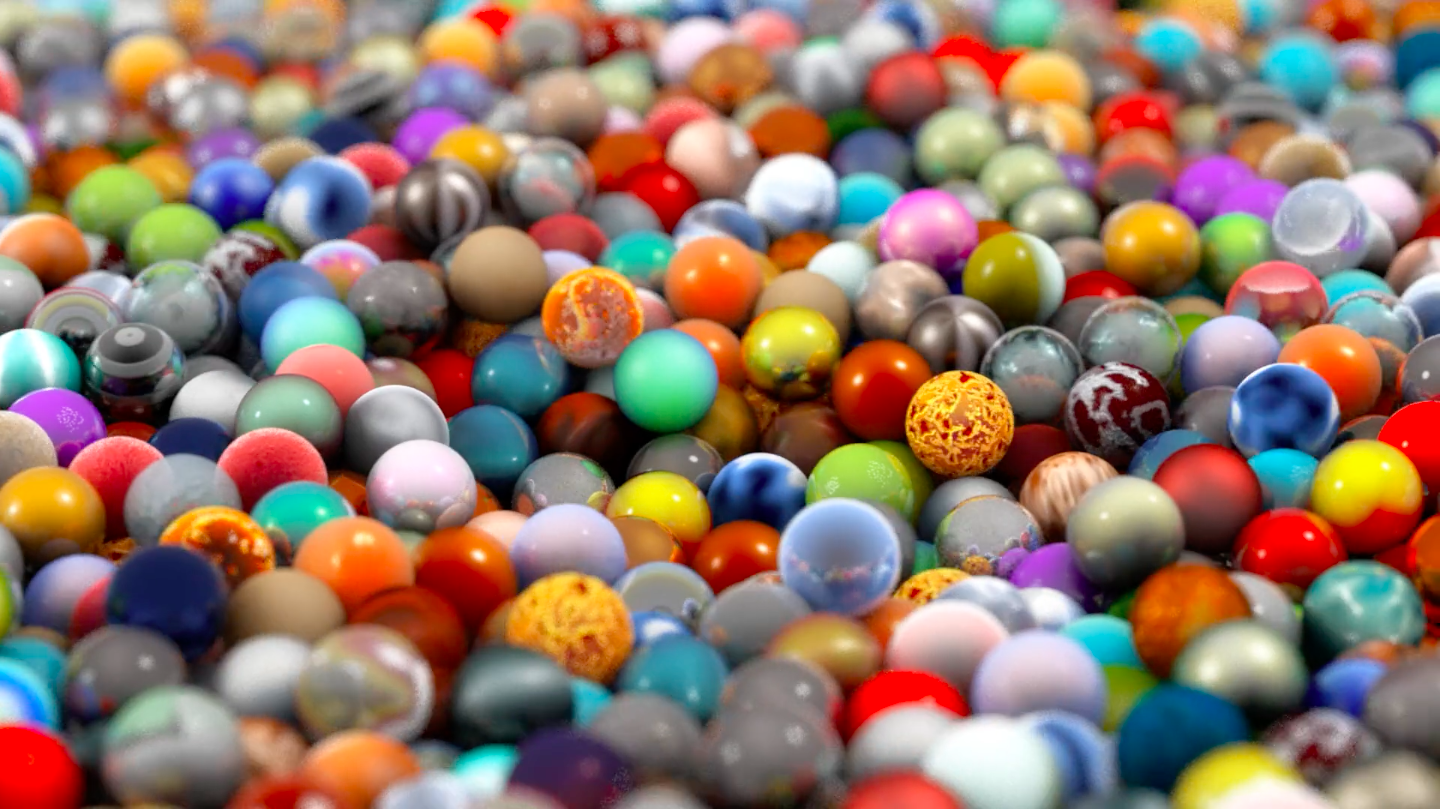
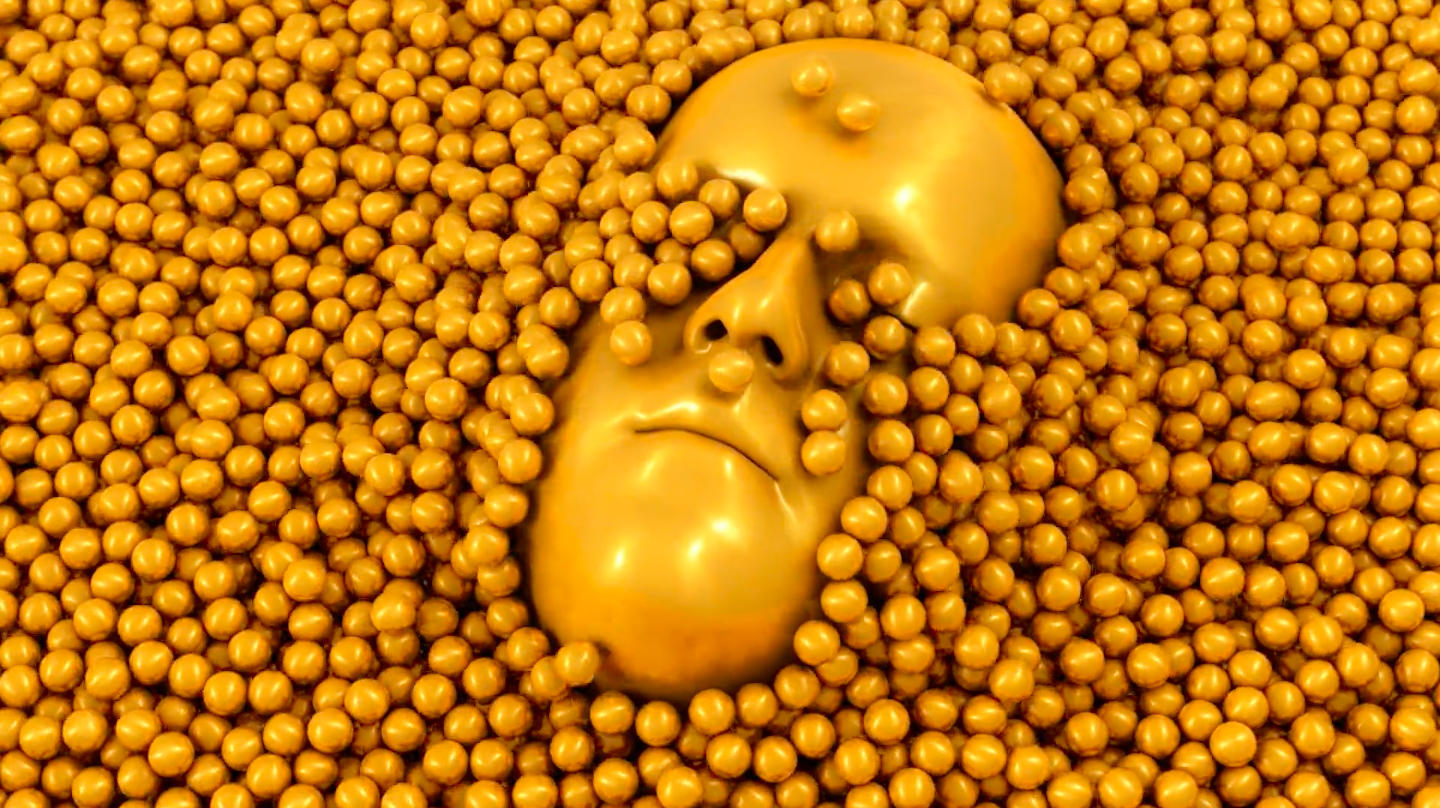
Directed by Murat Saygıner
muratsayginer.com
facebook.com/muratsayginerpage
Music & Sound Design by Zenthing / Jochen Mader
zenthing.tv
facebook.com/itsazenthing/
Jenna Rose Marti is a Milwaukee, Wisconsin based digital artist and photographer. She works within installation and digital photography to explore themes of identity, religion, memory, and escapism.
Though her work, she creates a sense of escapism in order to find comfort in the unfamiliar while revealing the discomfort in the familiar. The surreal nature of her work creates a sense of fantasy that exists within the familiarity of the physical world, and seeks the balance of the good and the evil in life. She pulls from her own experience with religion, personal relationships with people, and other worldly experiences to create this dialogue.