Louis MacLean Photography
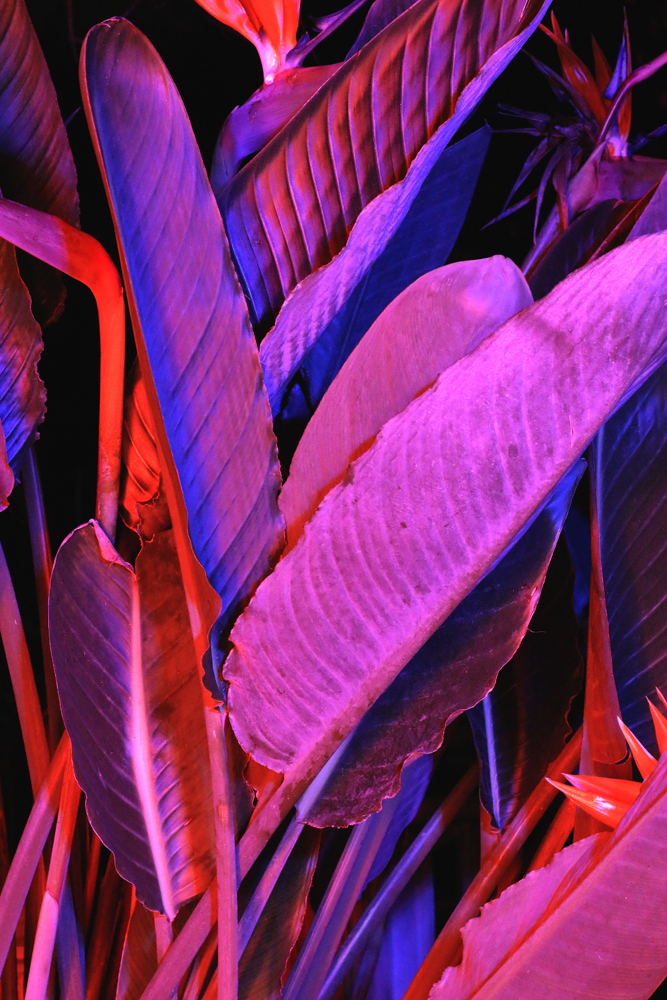
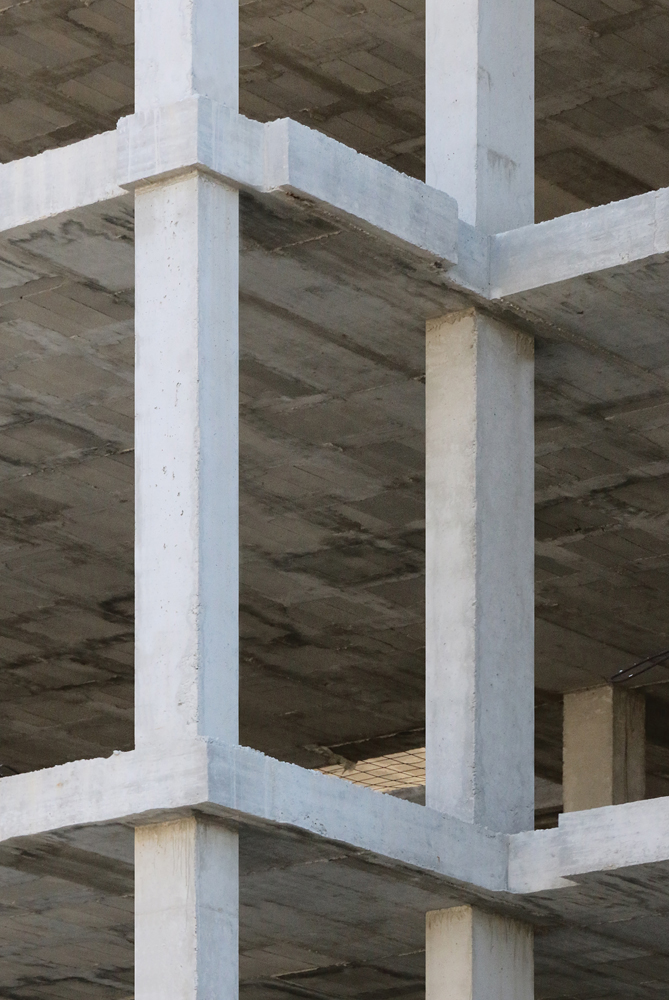
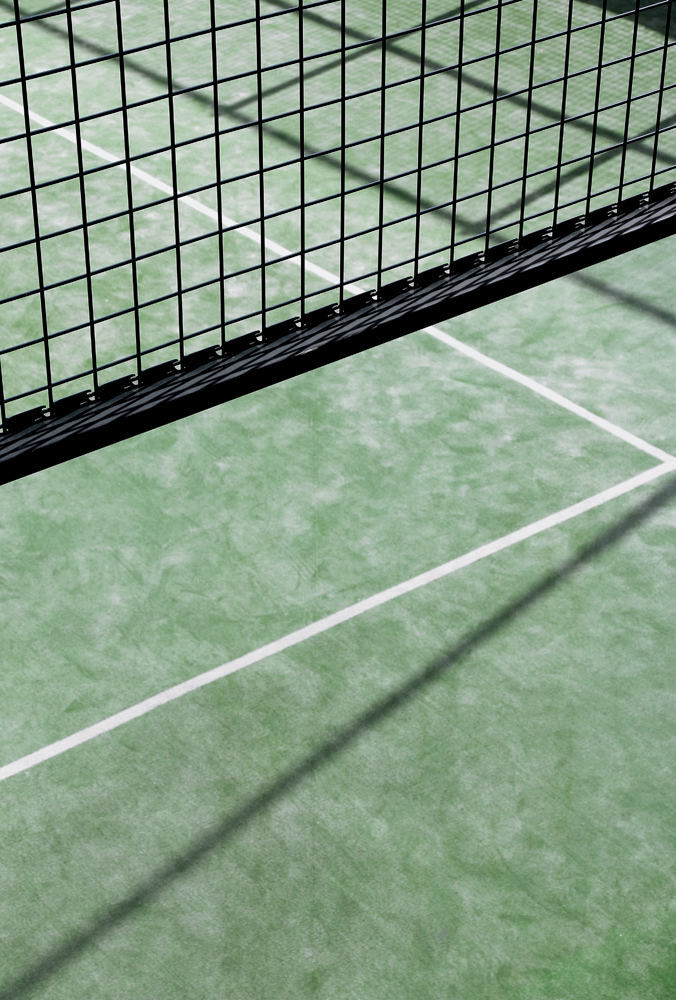
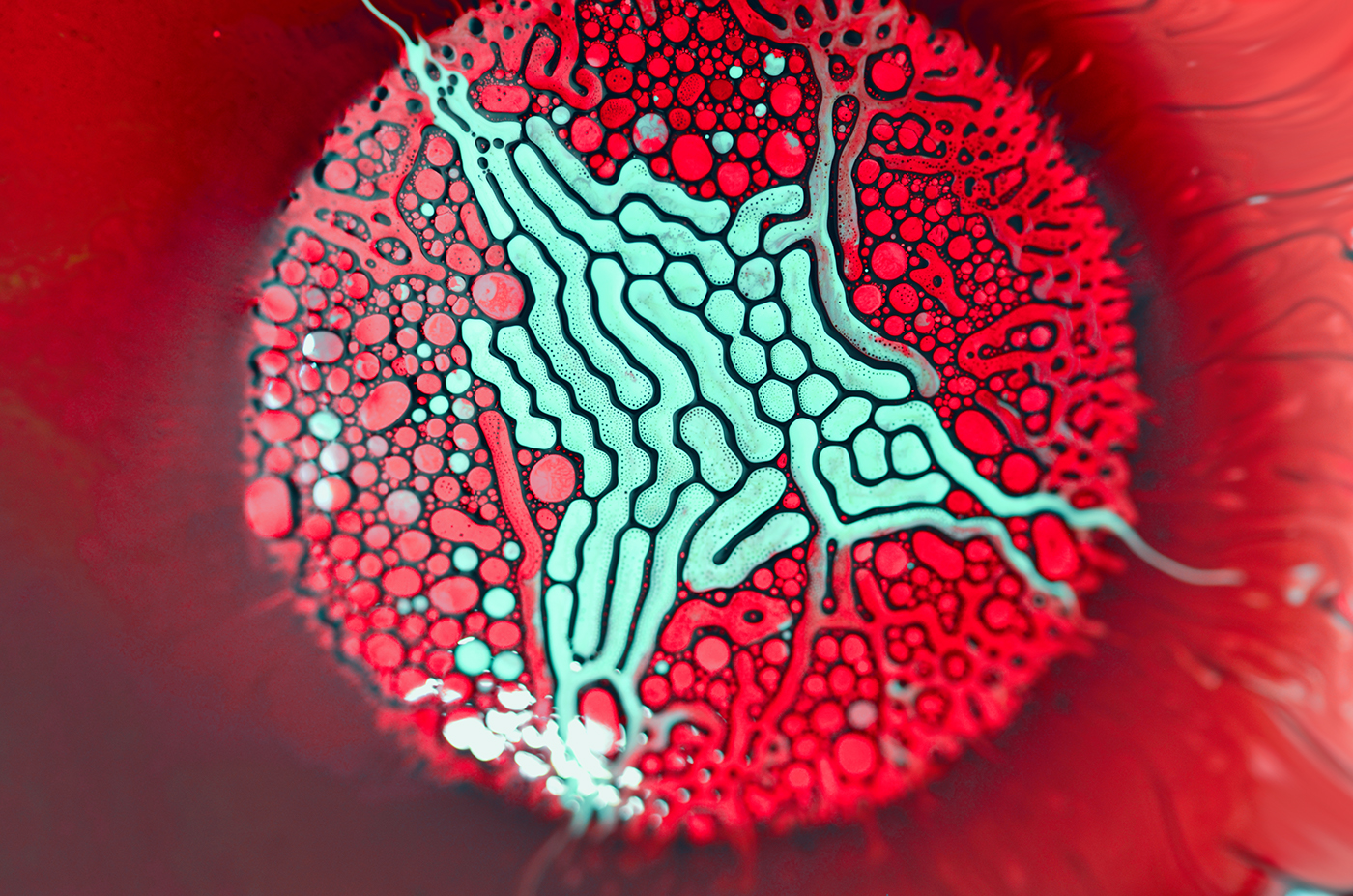
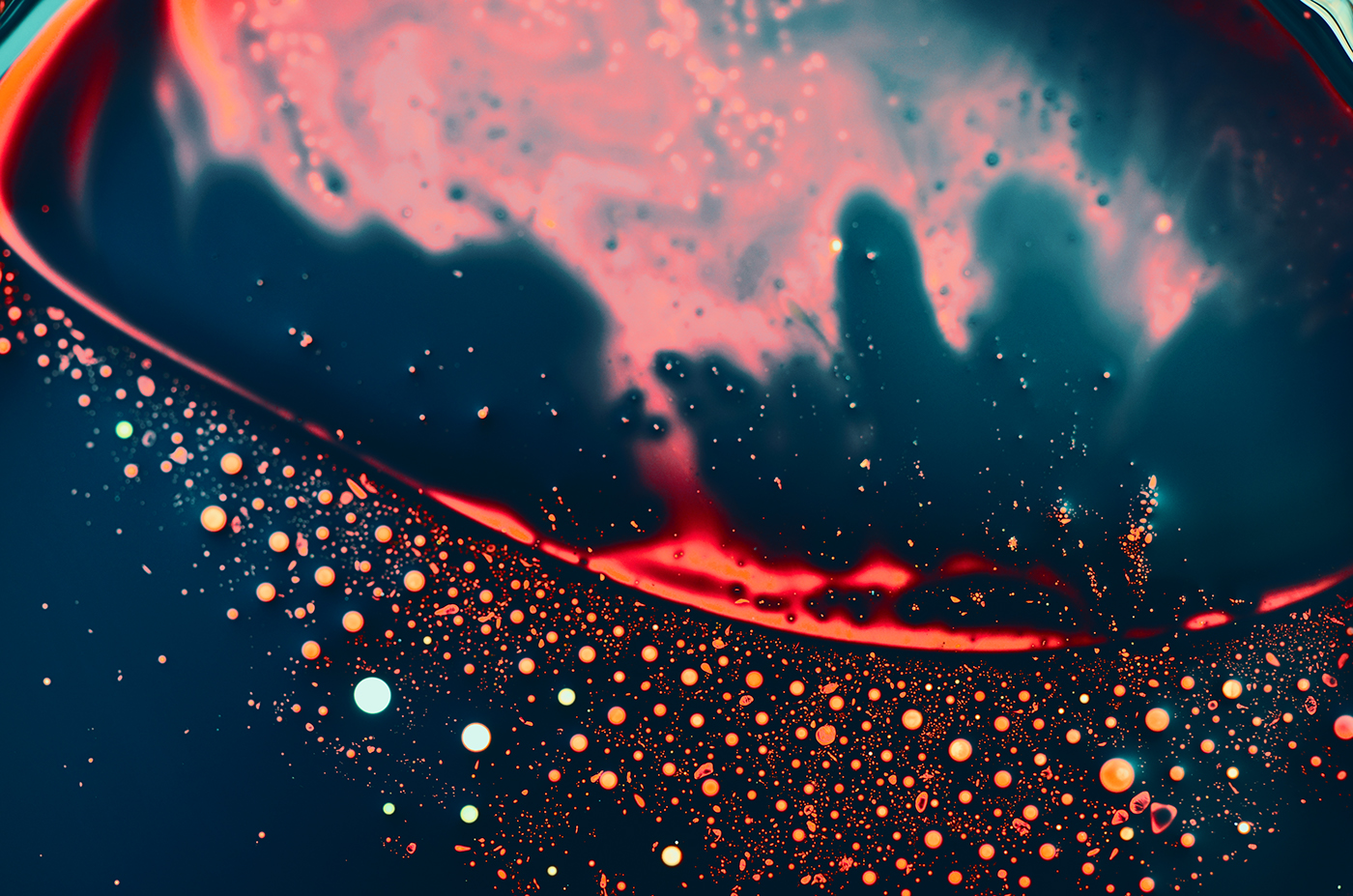
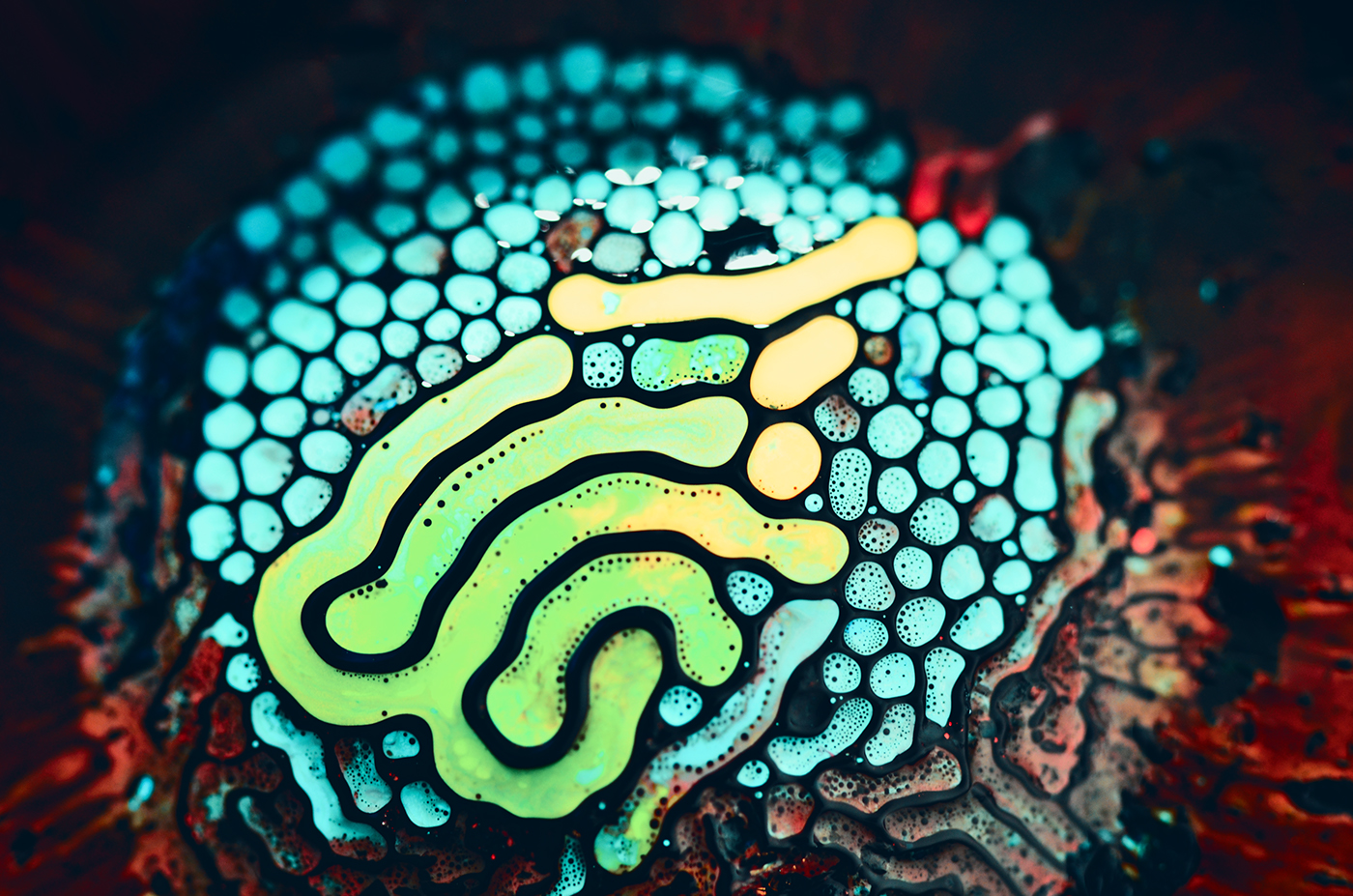
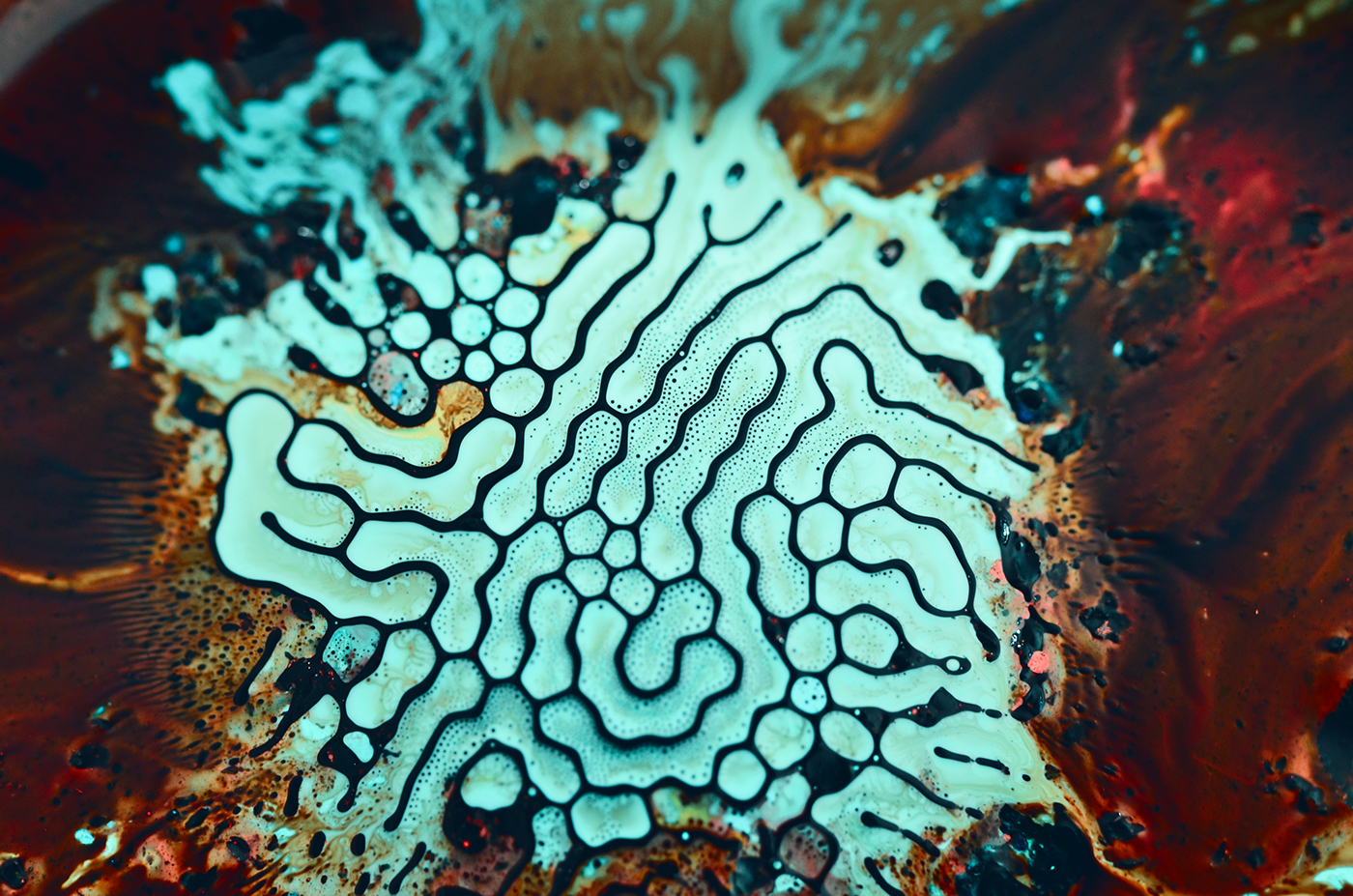
Scottish photographer Louis MacLean has a keen eye for details merely stripping taken object from its function to only have composition made of form and colour.
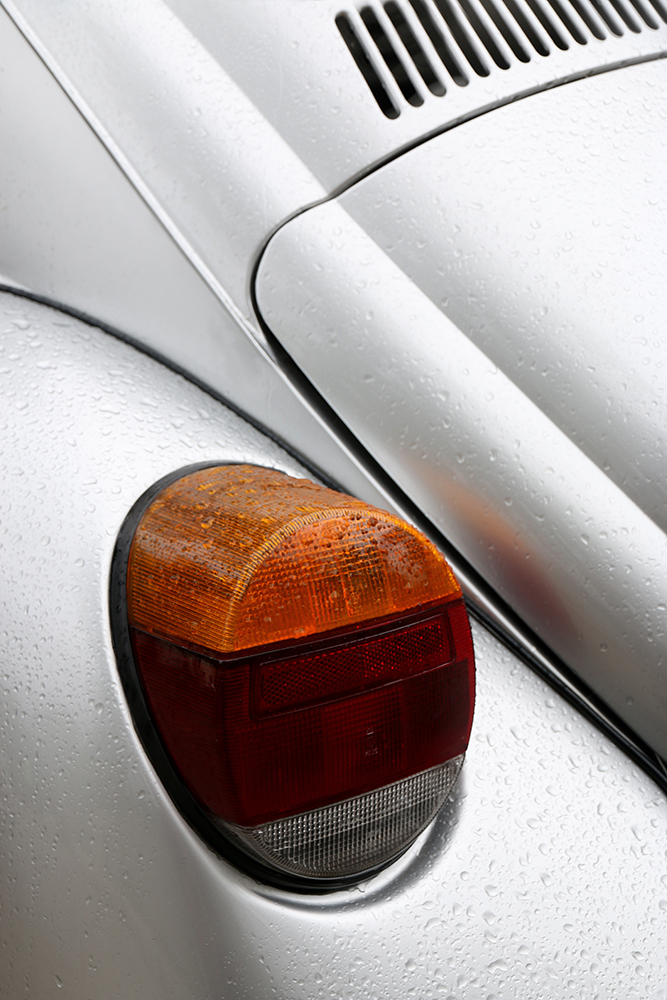
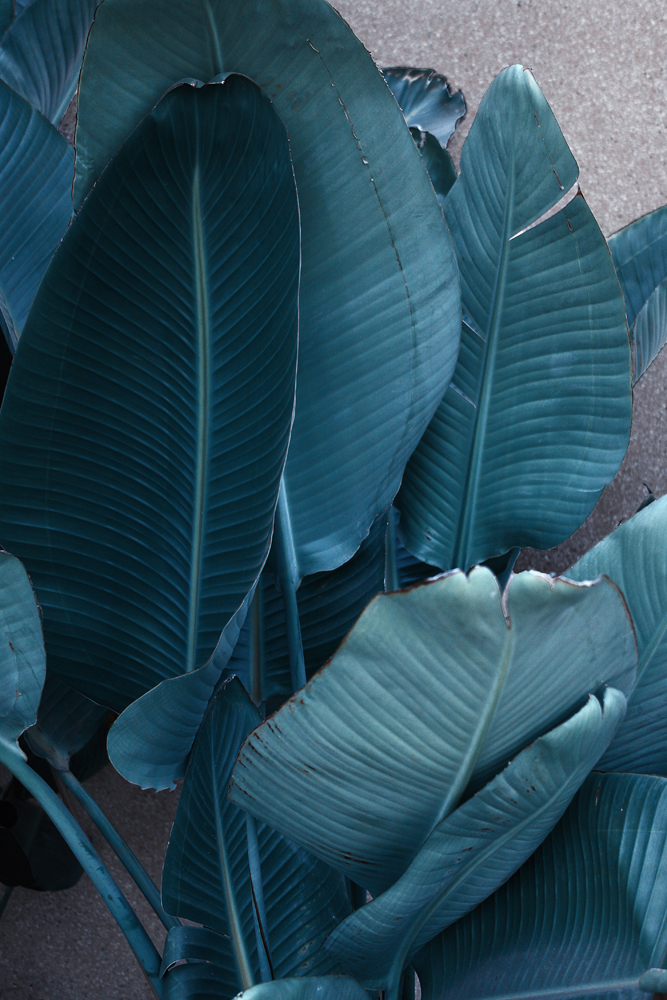
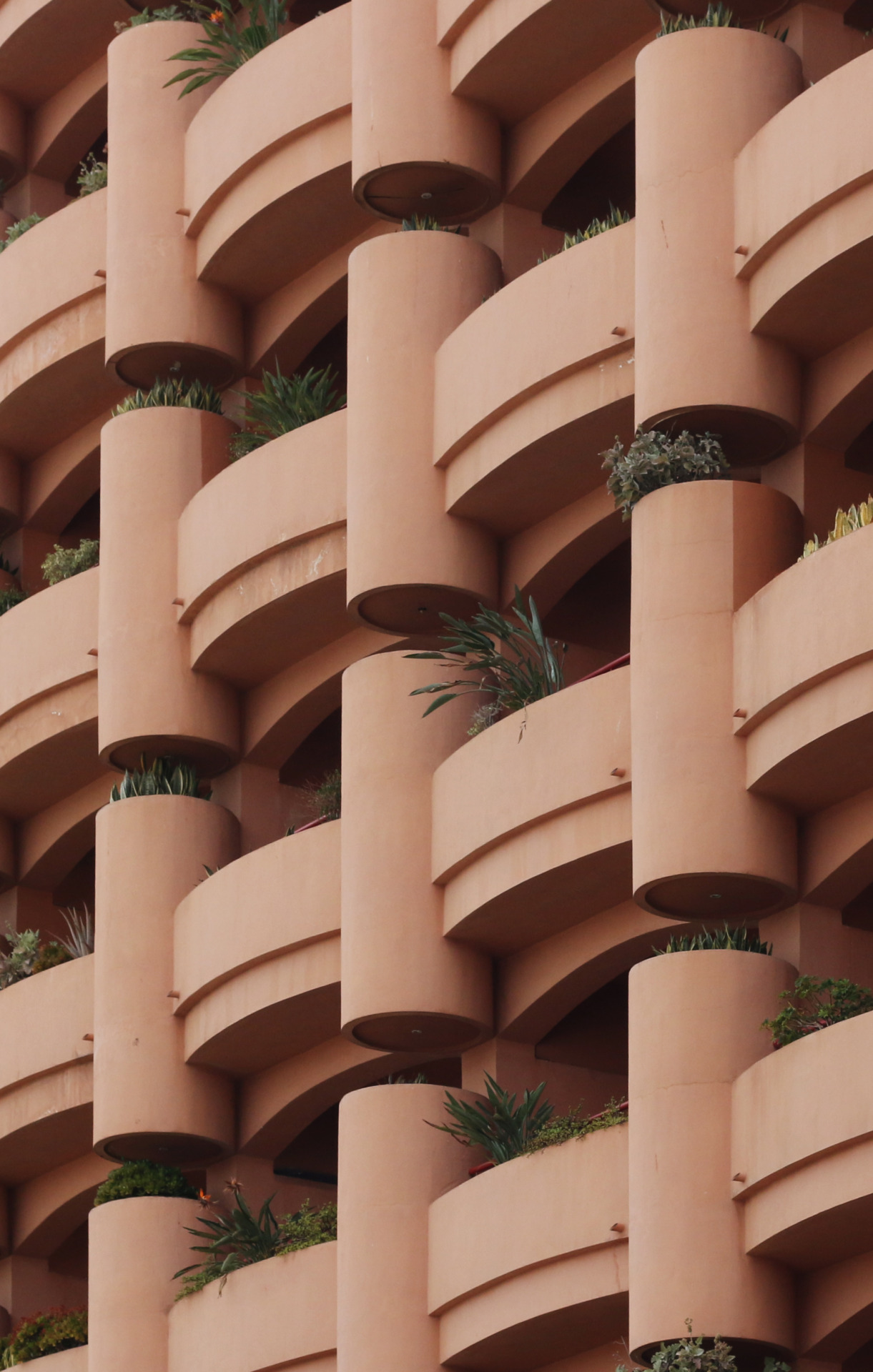

3rd Wave of Inspiration
Since 2003

Scottish photographer Louis MacLean has a keen eye for details merely stripping taken object from its function to only have composition made of form and colour.
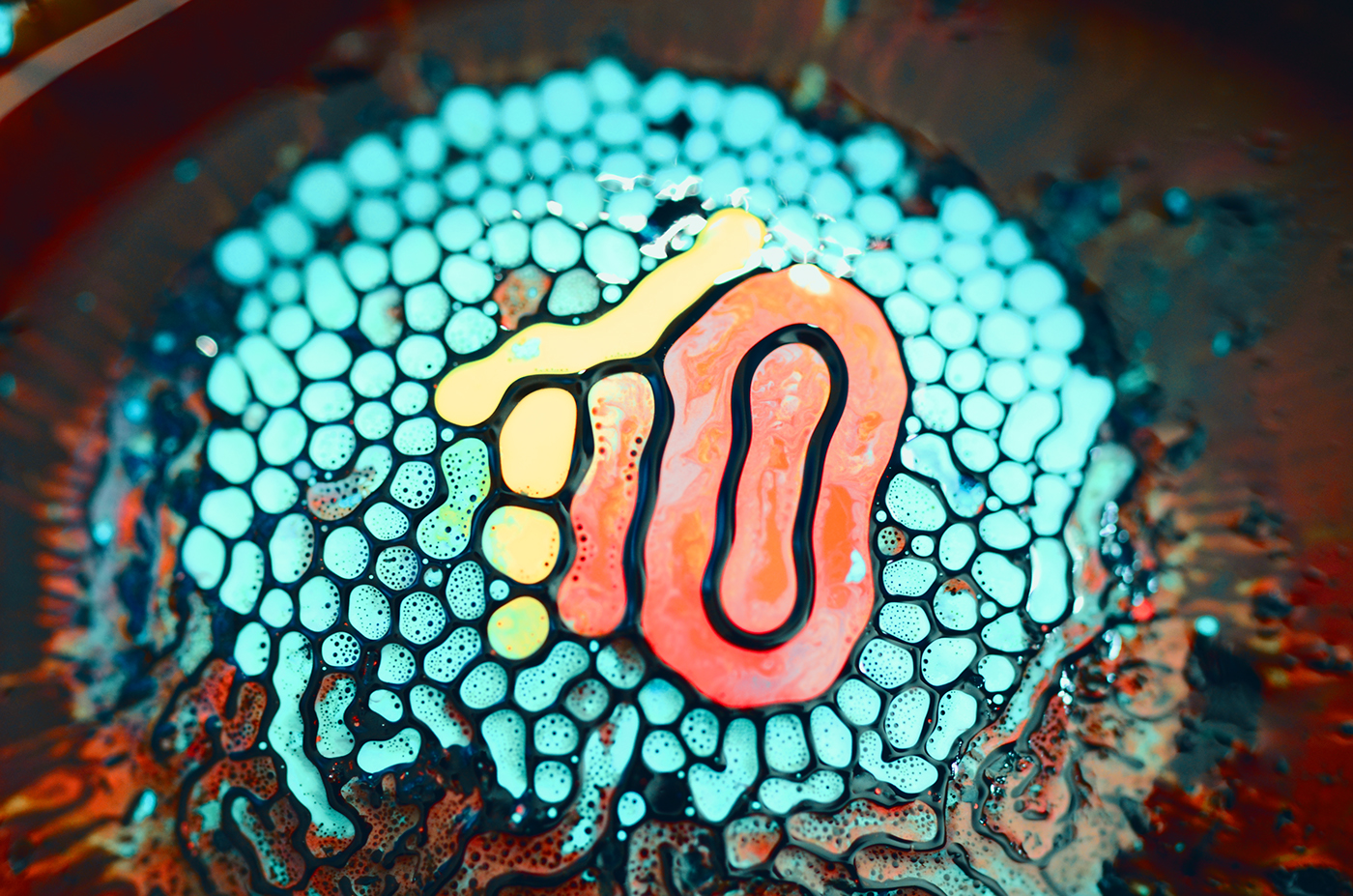
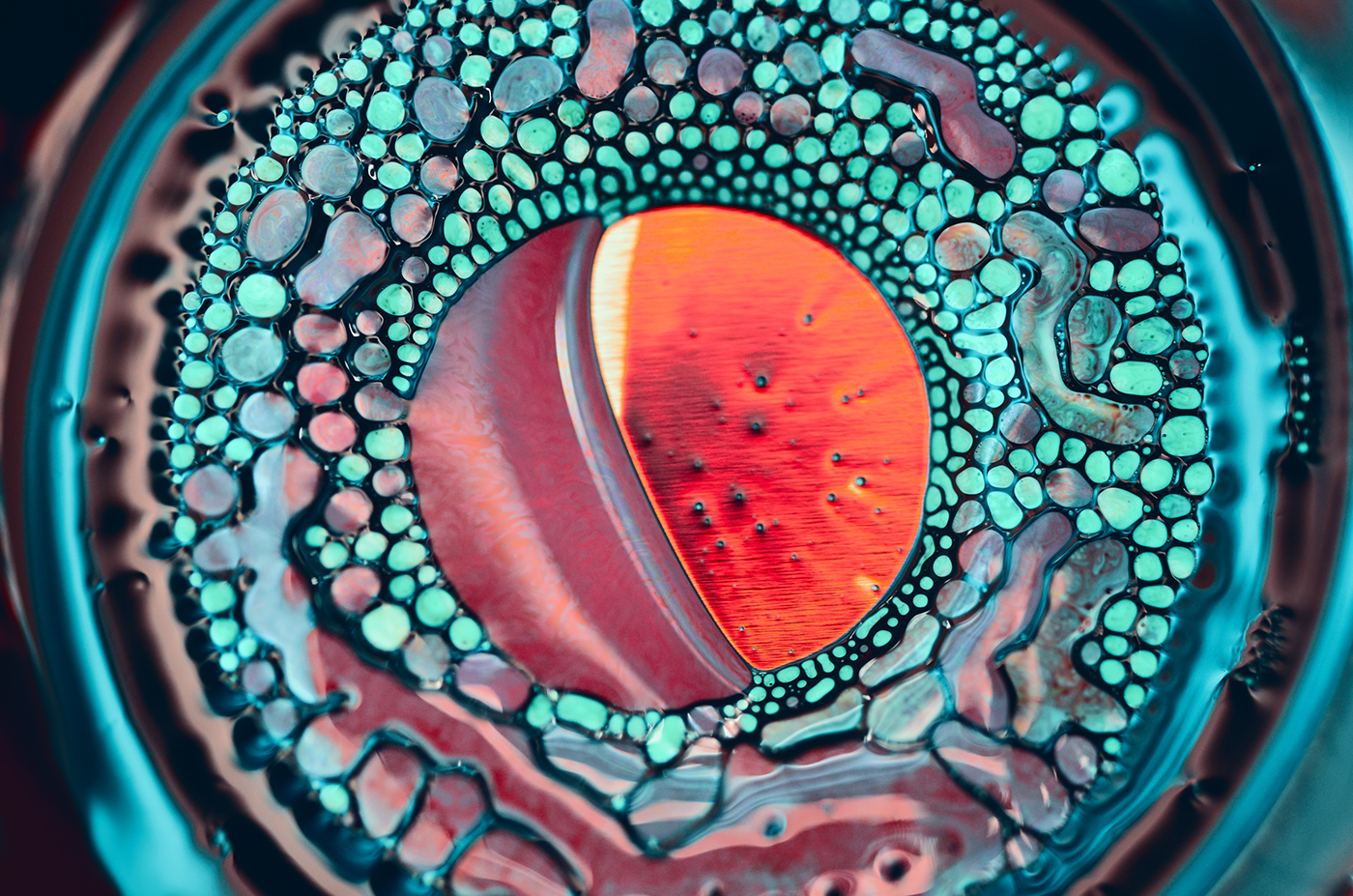
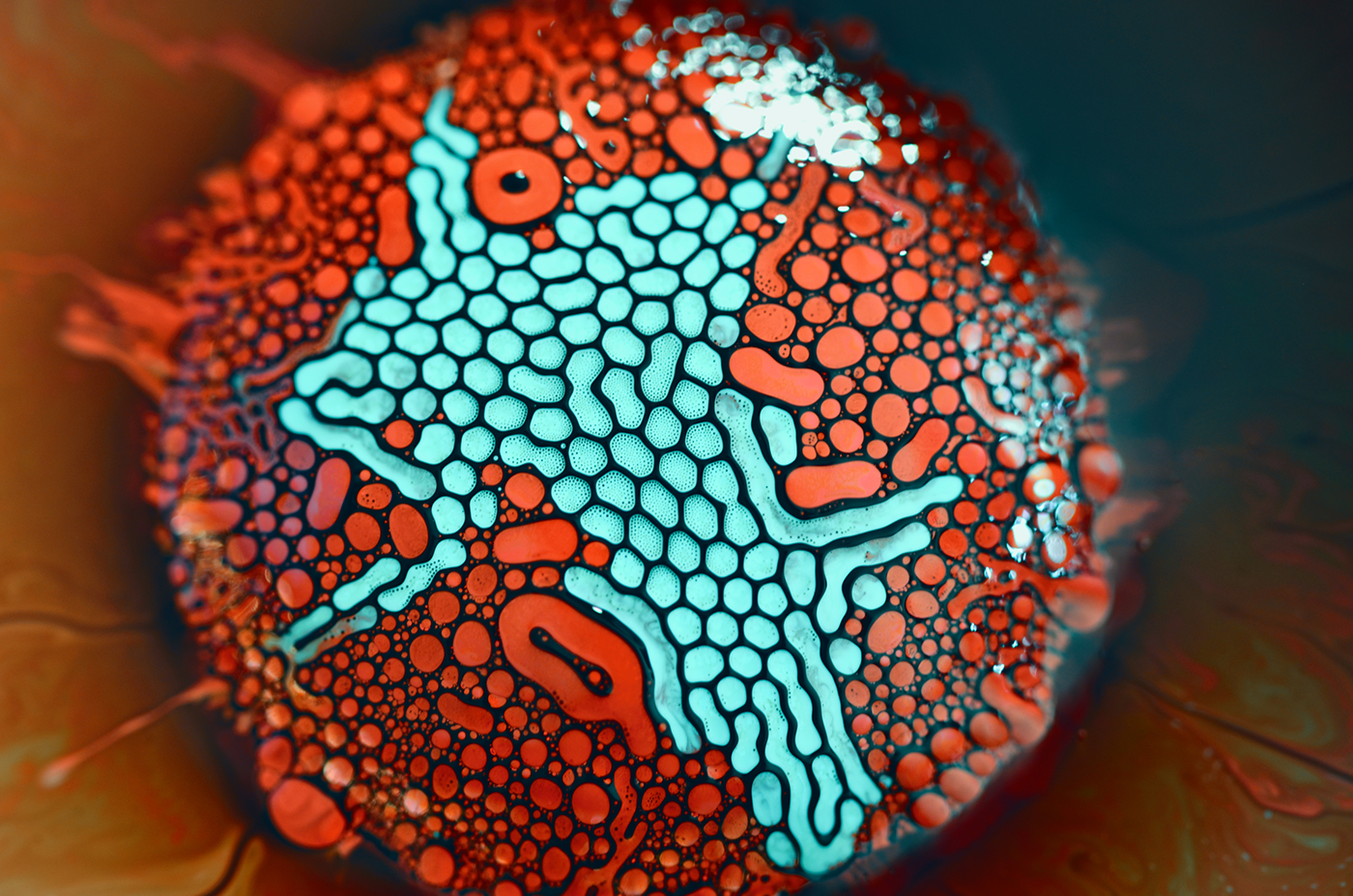
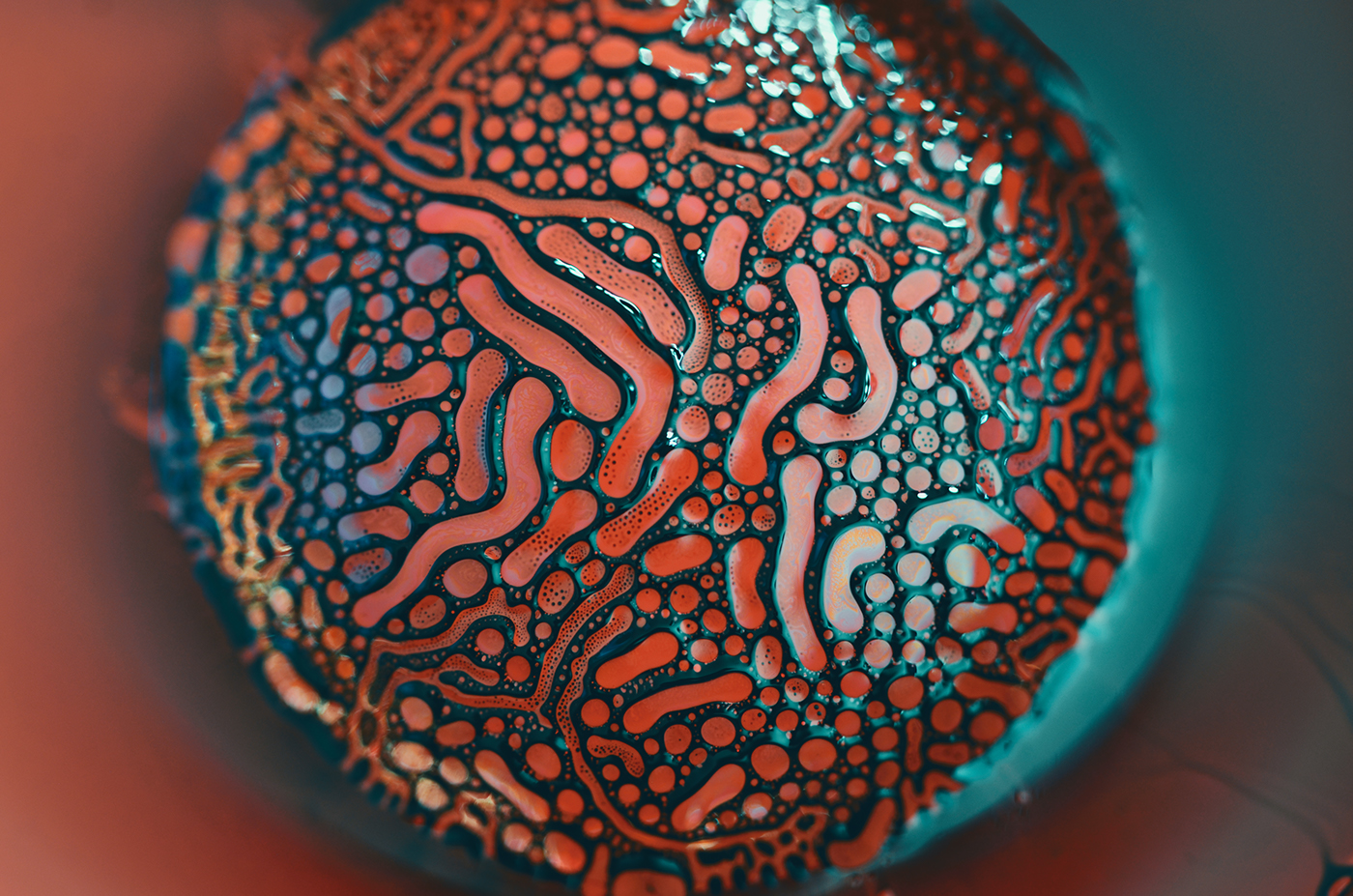
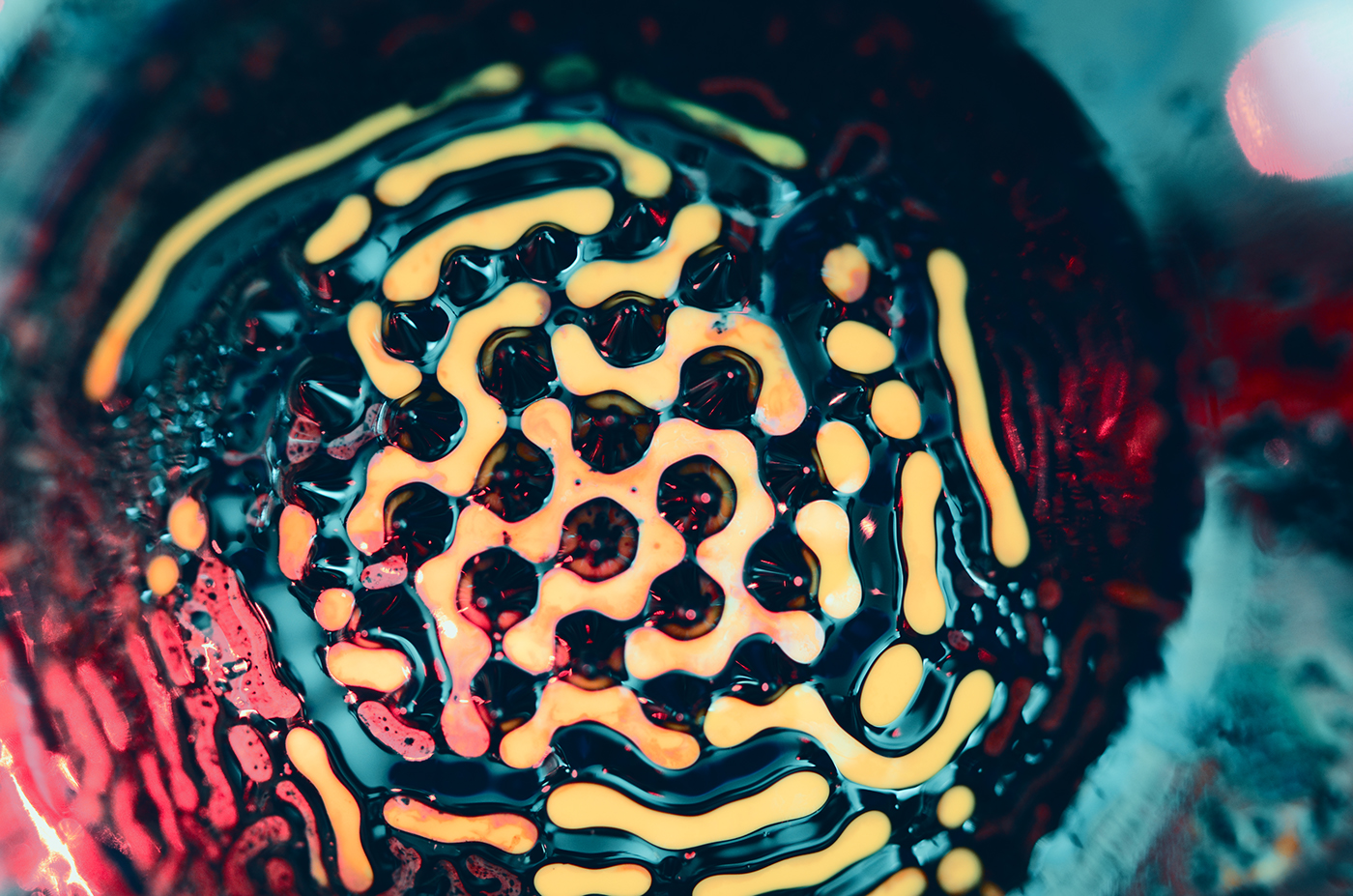
“My passion for patterned art has evolved to focus on fluid-based photography over the course of the last ten years. From working with computer generated fractals, to researching various procedural pattern systems, to playing with acrylic paints in a water tank, I finally found my way to ferrofluid and ink experiments. This photoshoot was done with a Nikon D7100, and a Nikon micro lens”


It’s been almost four centuries since the world lost the talent of one its most influential classical painters, Rembrandt van Rijn. That's clear world will never see another new piece from him even there were numerous hoax and fakes done during the last century. But what happens when tech minds step in the game? Having Microsoft and ING at their back, researchers, curators and developers from Museum Het Rembrandthuis, TU Delft and Mauritshuis created an AI that has generated a "new" Rembrandt painting by gathering and using data from all of his art legacy.

Visit the website to understand the project

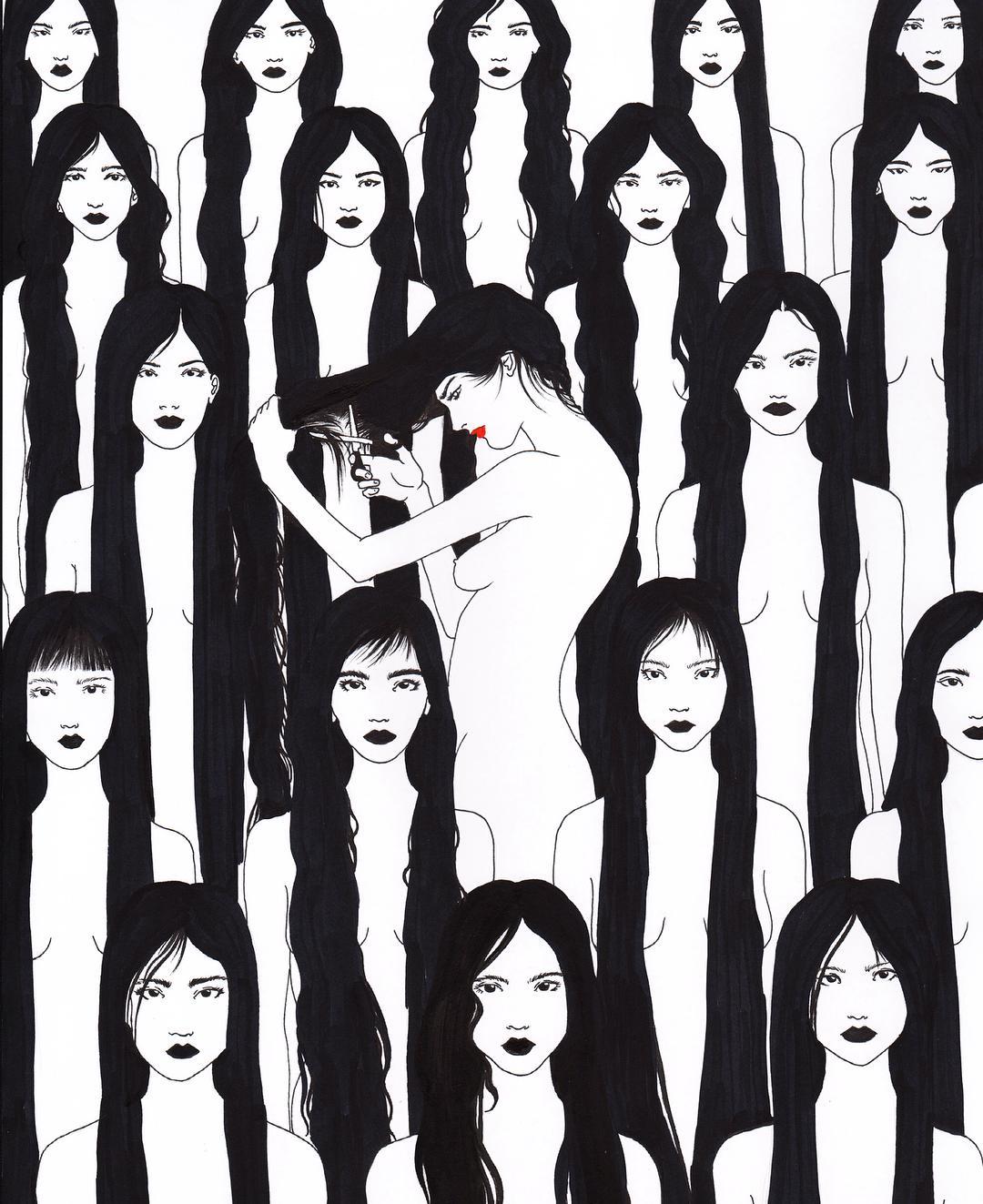
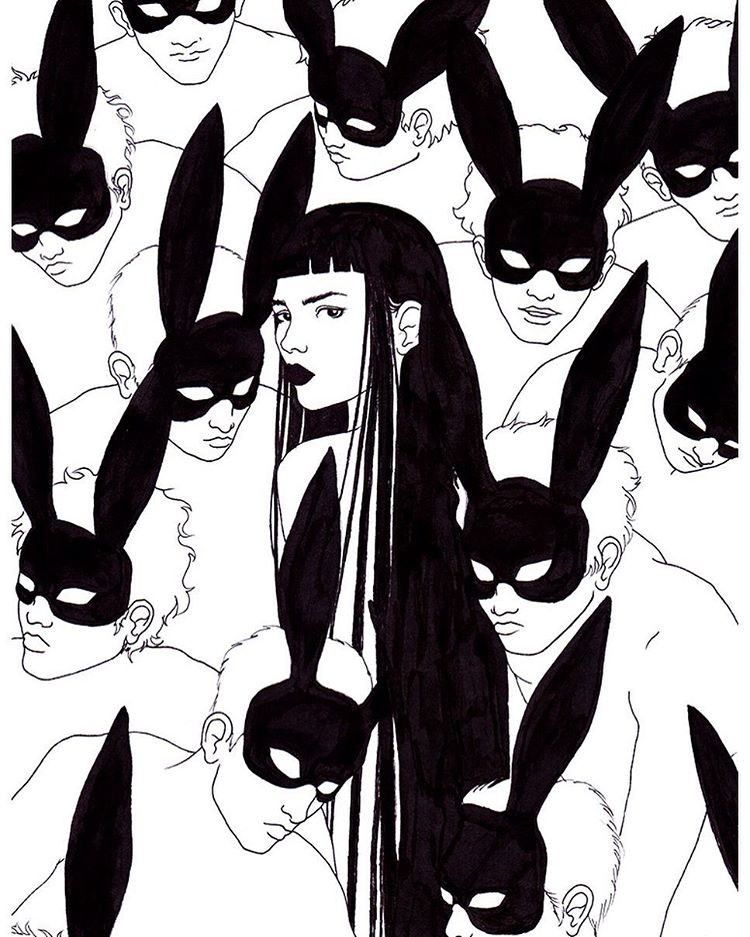
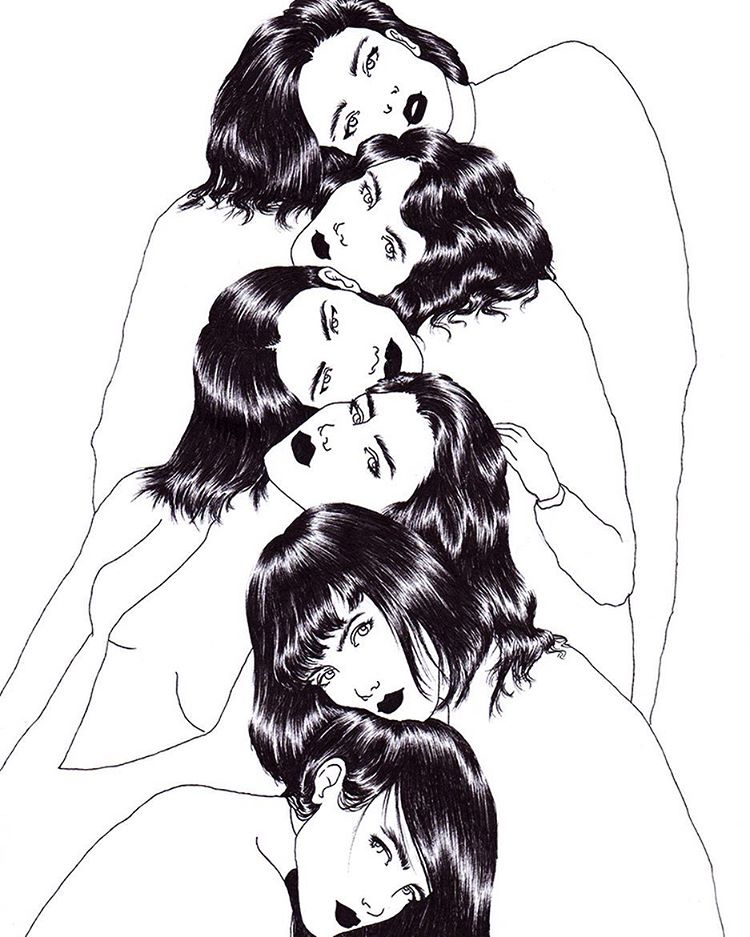
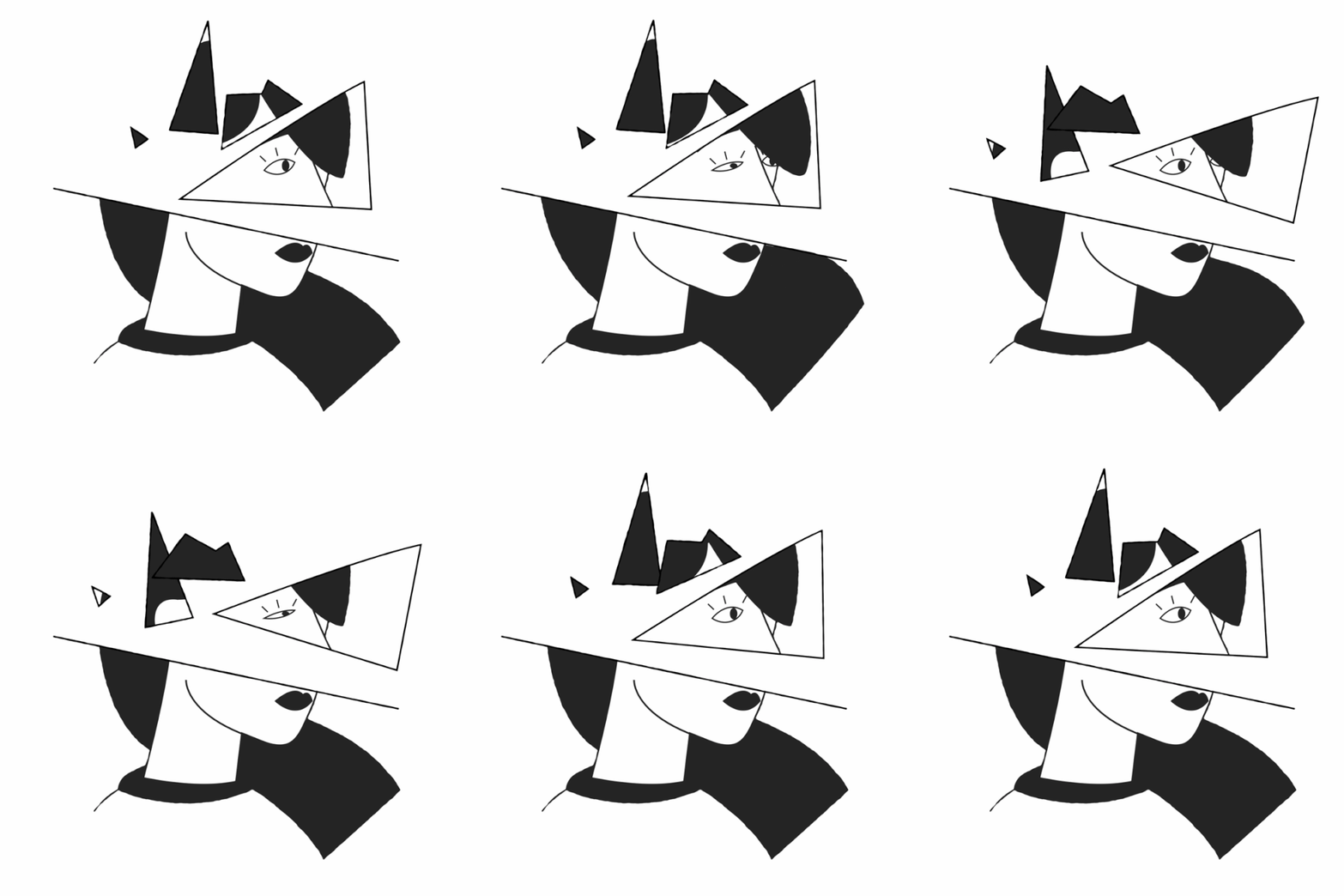
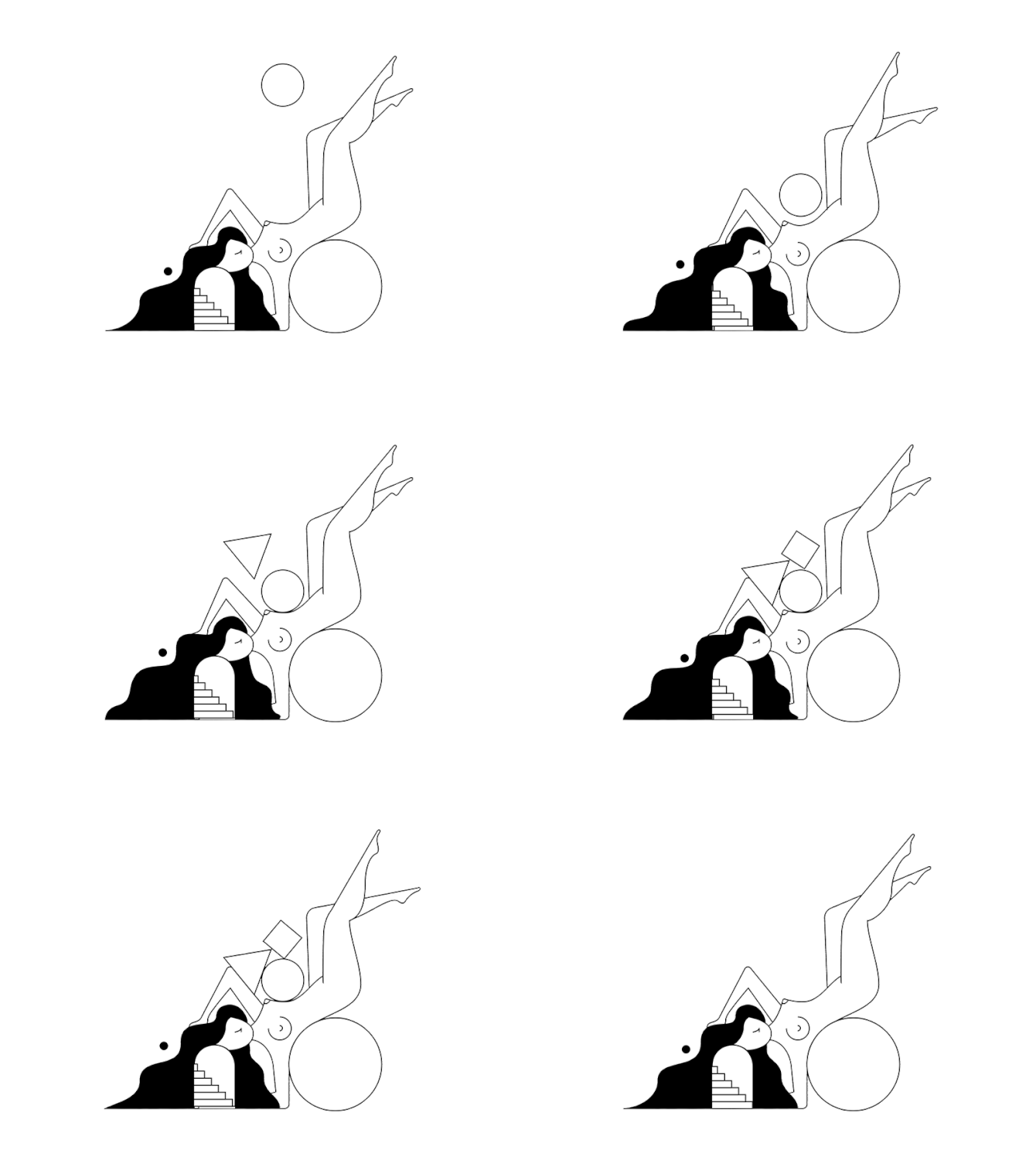
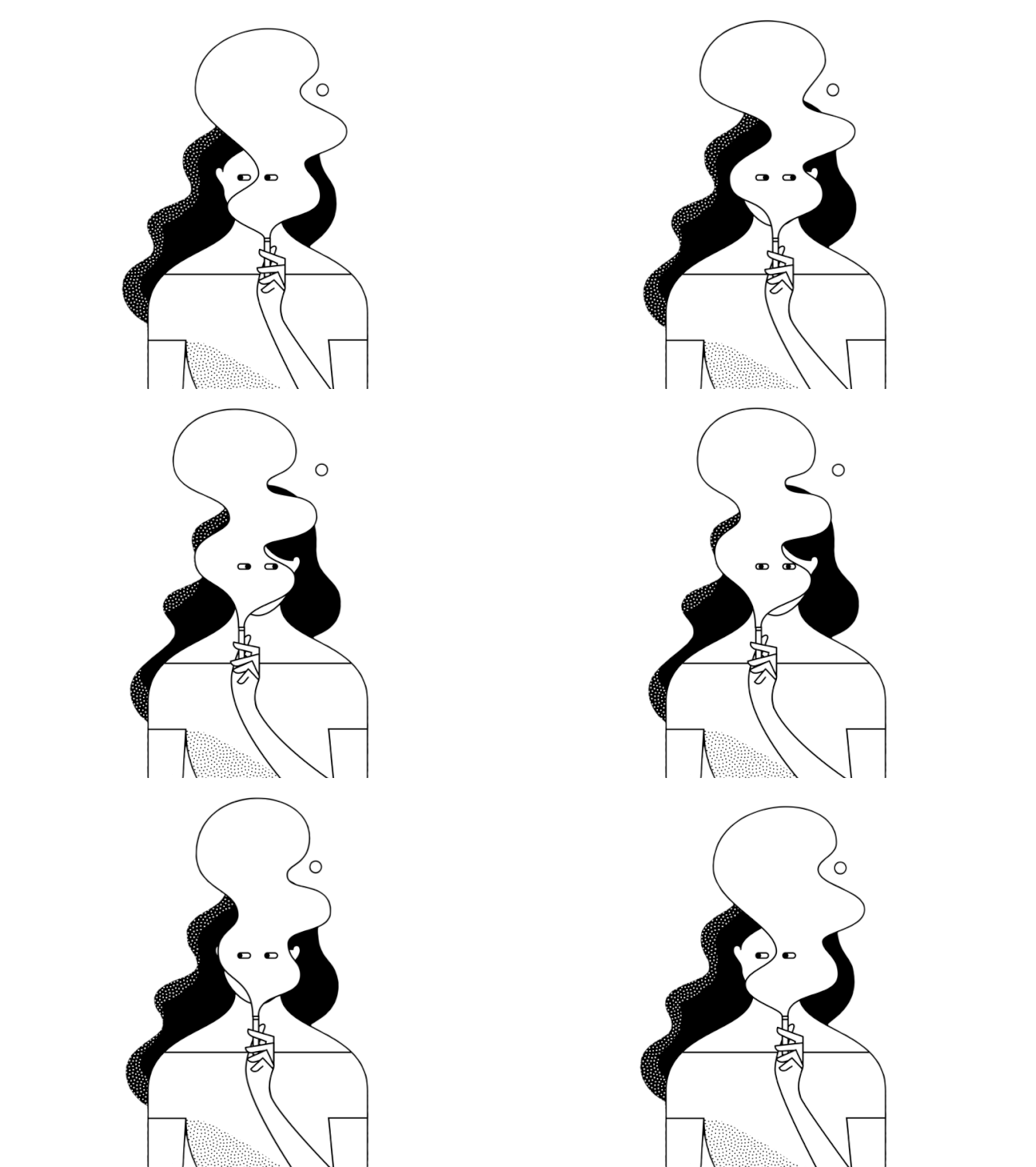
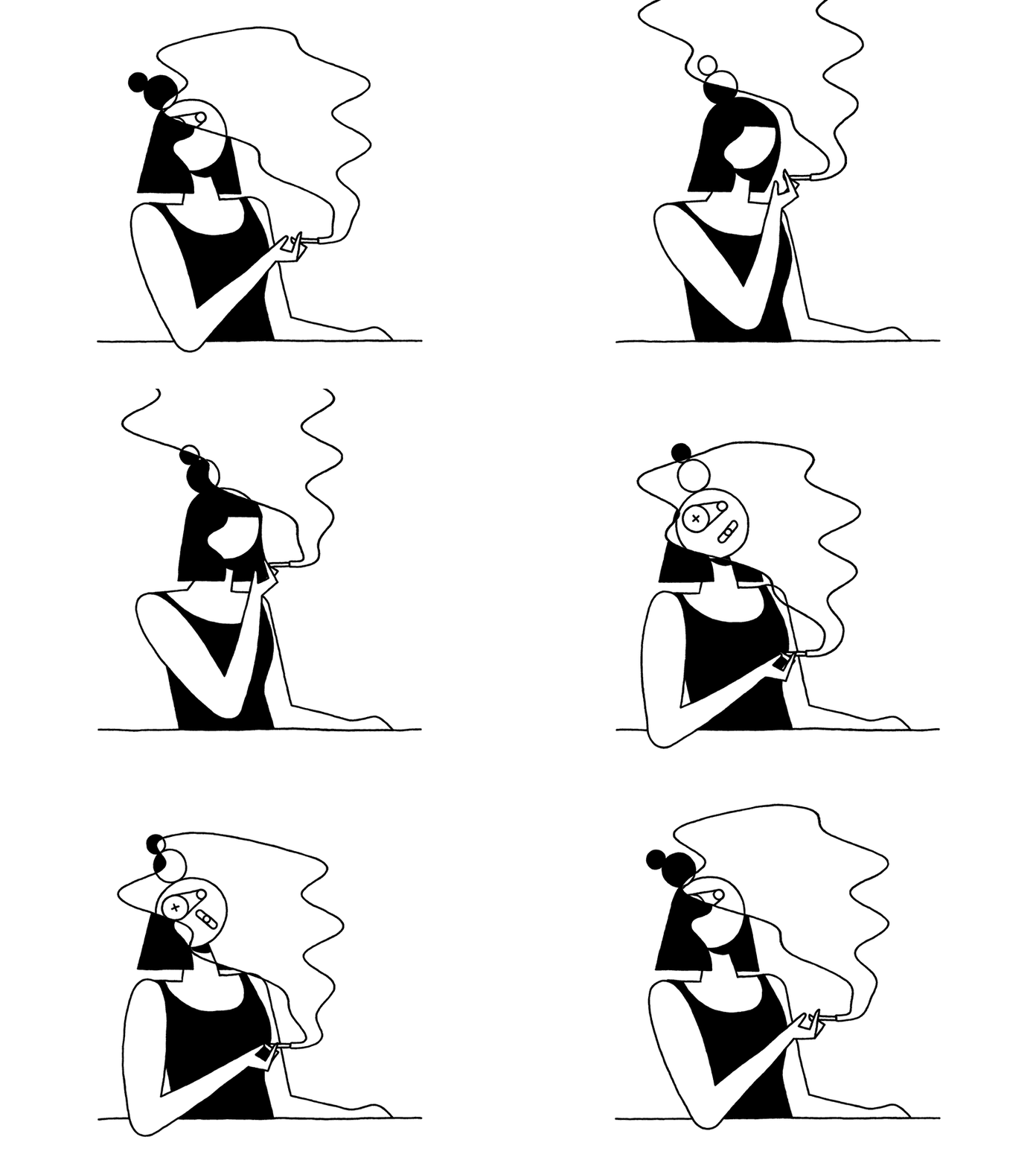
Berlin-based illustrator Sivan Karim creates black and white inked artworks by emphasising the role of female hair and beauty on each piece

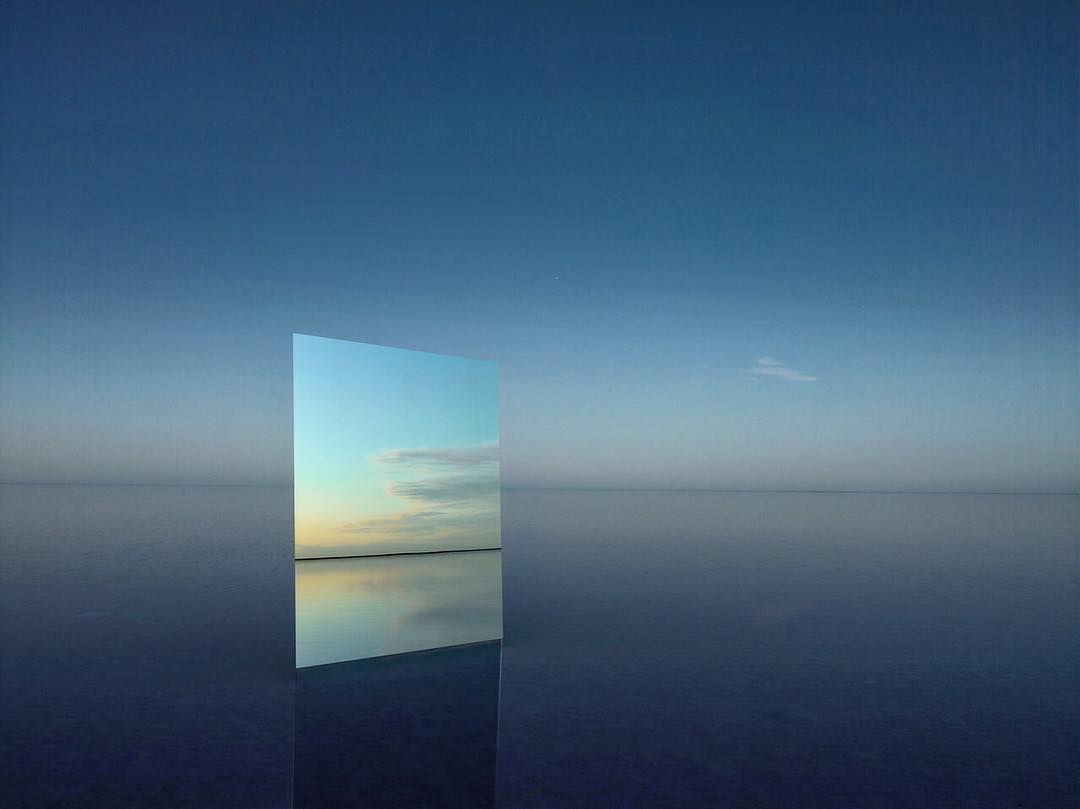
"Australian photographer Murray Fredericks’ long relationship with Lake Eyre, where his most recent series Vanity has been produced, commenced in 2003, and to date consists of twenty journeys to the centre of the lake where he photographs for weeks at a time in the vast and infinite landscape. Fredericks is not interested in documenting the literal forms of the landscape. He views the landscape as medium in itself which, when represented in a photograph, has the potential to convey the emotional quality of his experience and relationship to the lake."
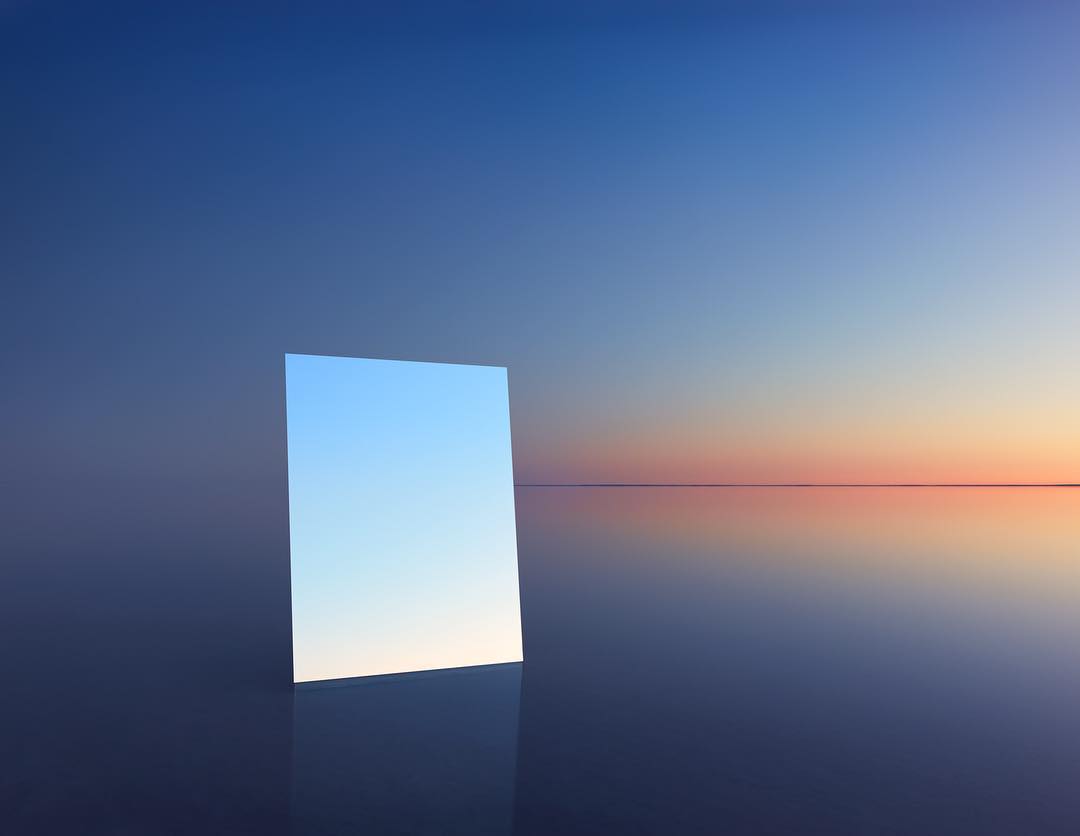
“The mirror can be seen as emblematic of our obsession with ourselves, individually, and collectively. In the ‘Vanity’ series, rather than reflecting our own ‘surface’ image, the mirror is positioned to draw our gaze out and away from ourselves, into the environment, driving us towards an emotional engagement with light, colour and space”
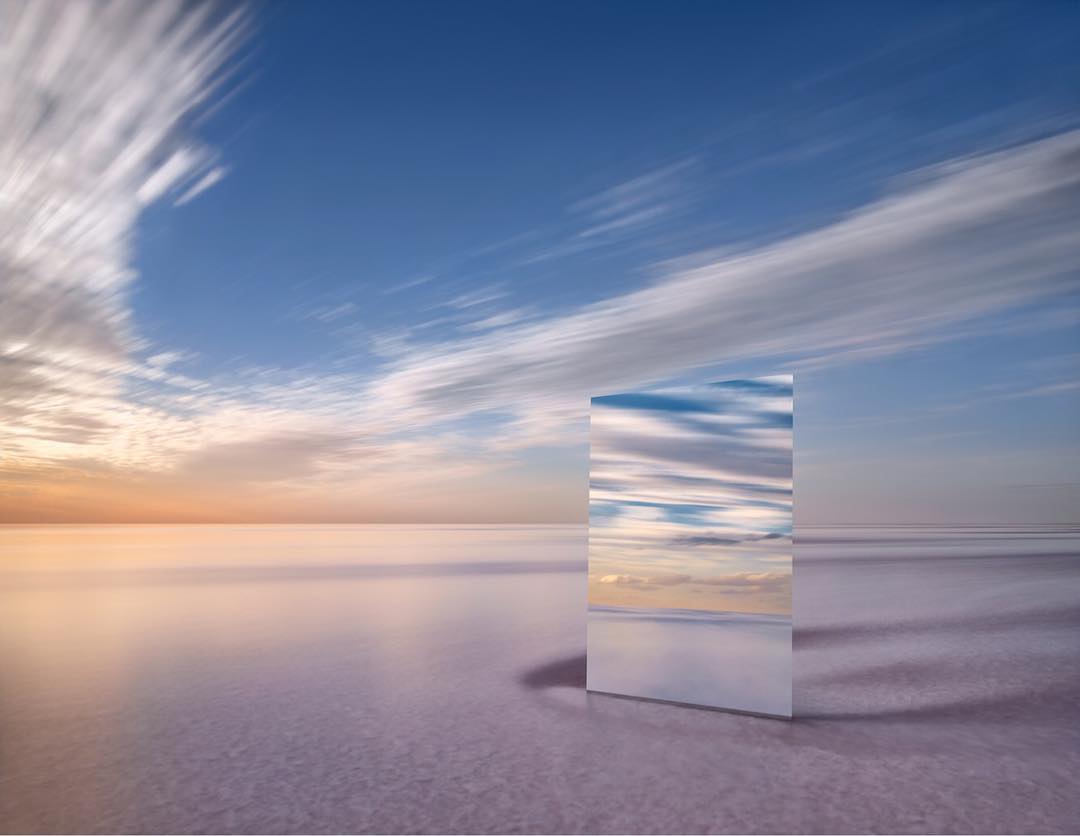
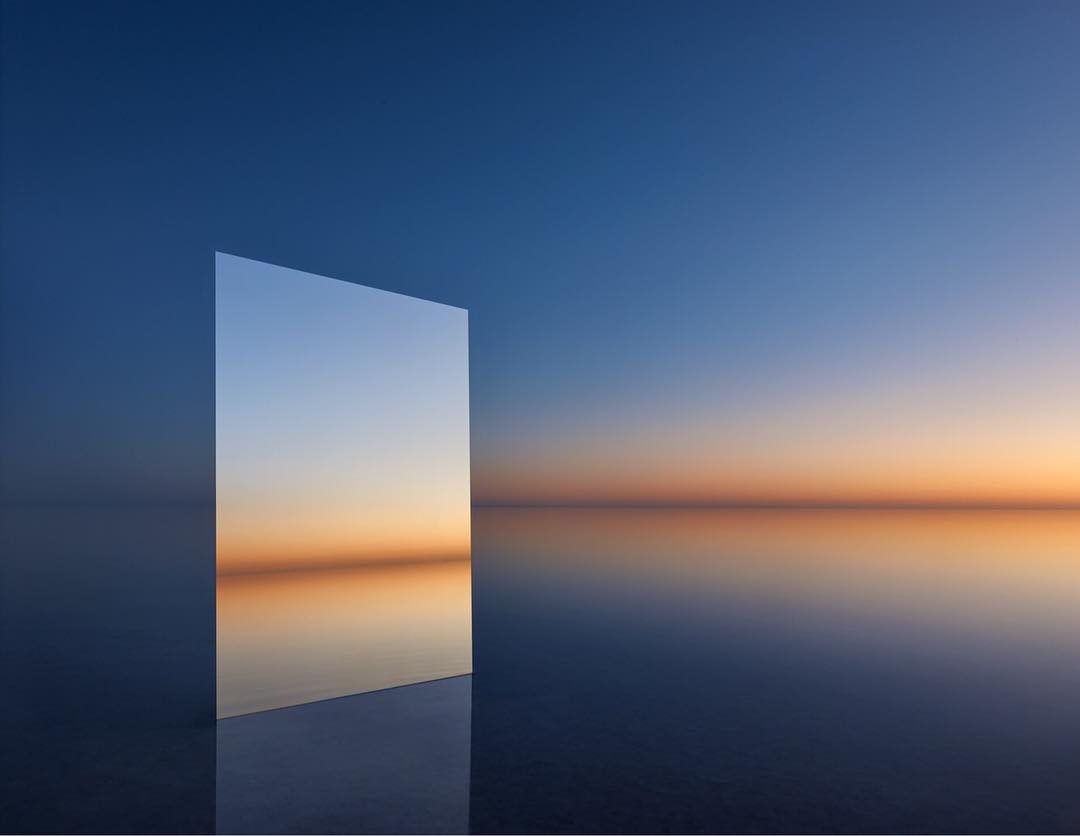
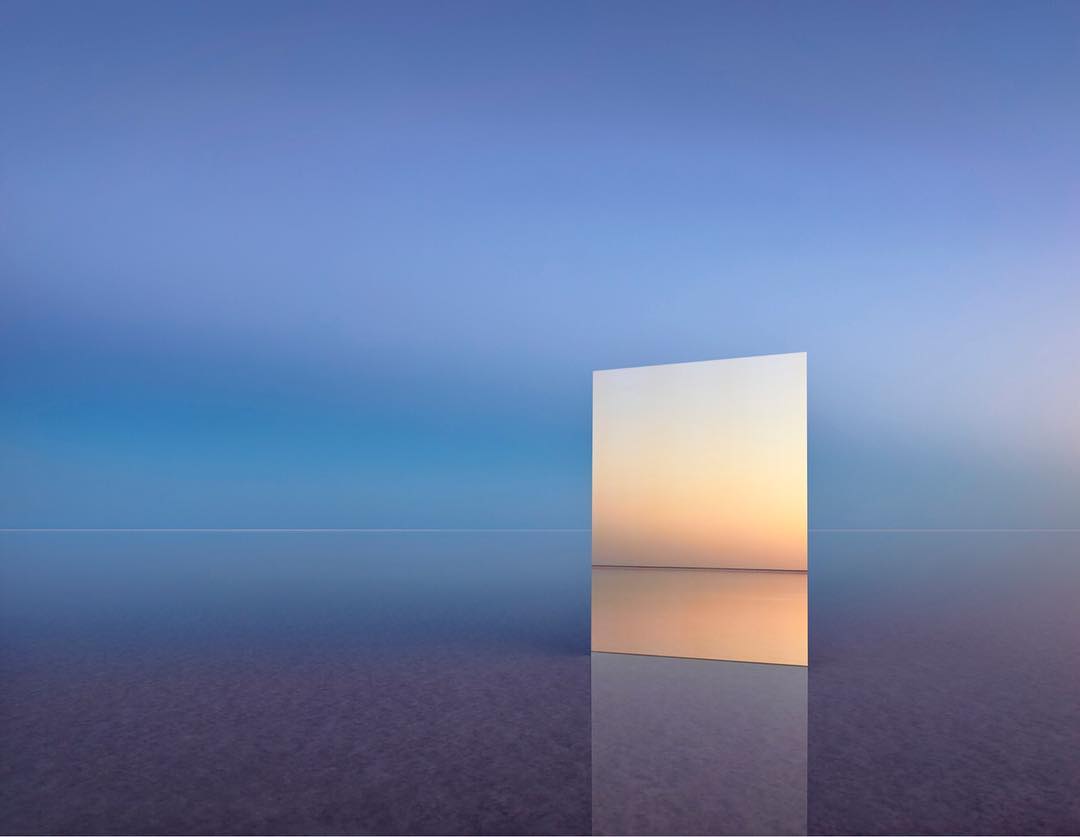
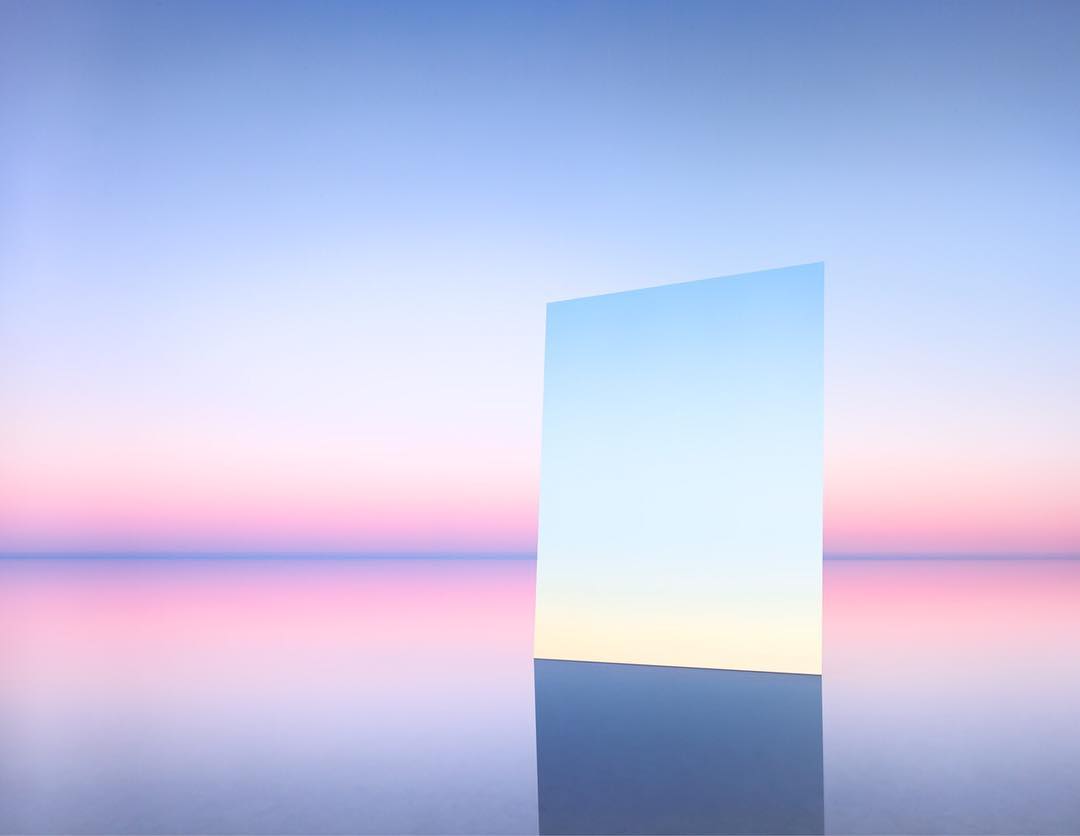
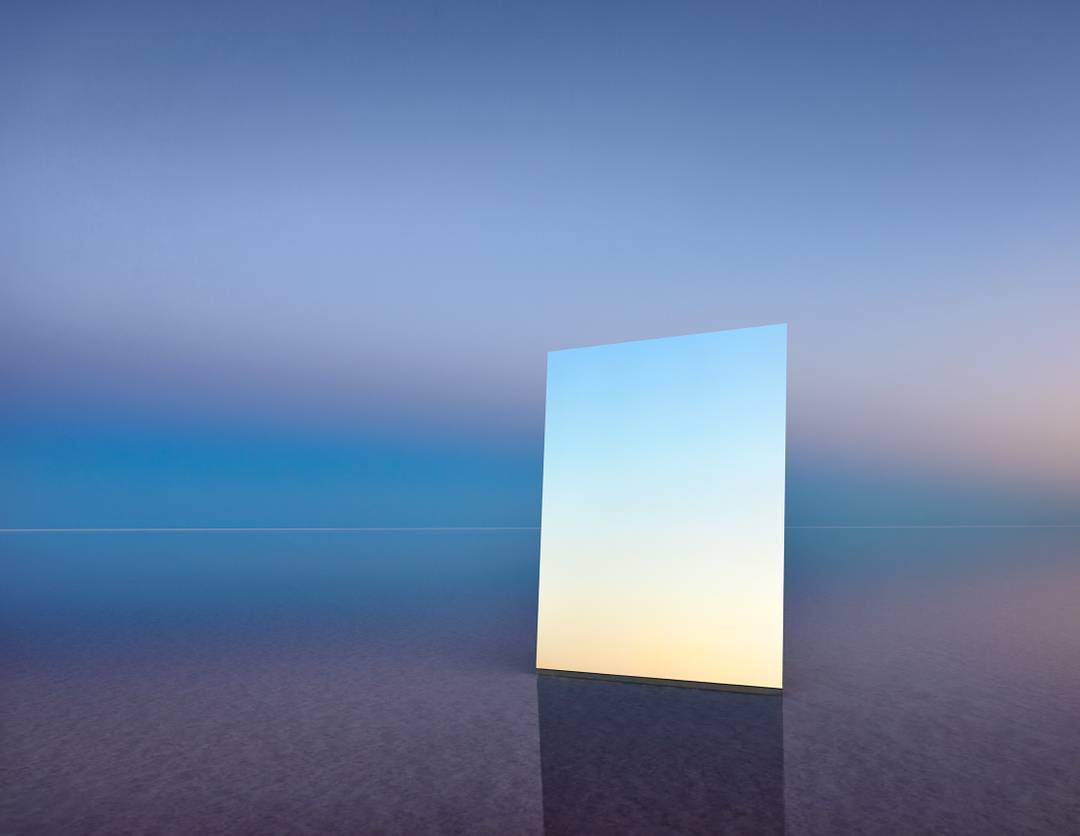
Murray Fredericks's Salt: Vanity is on view at Hamiltons through June 14, 2017.
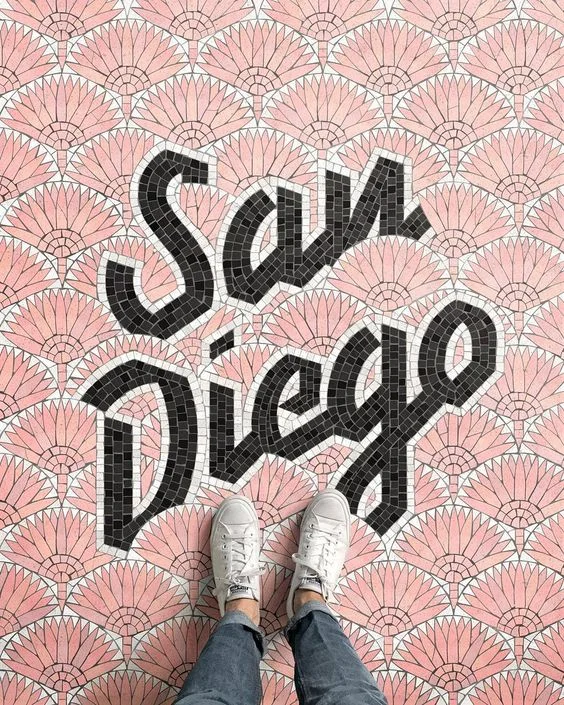
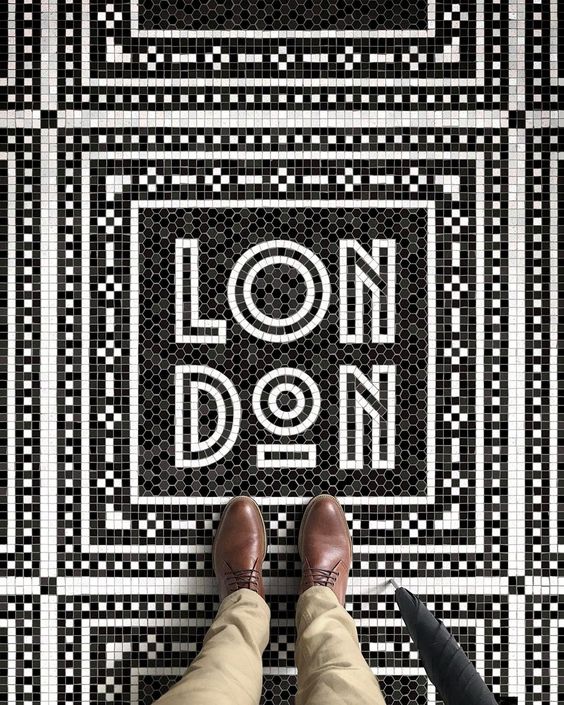
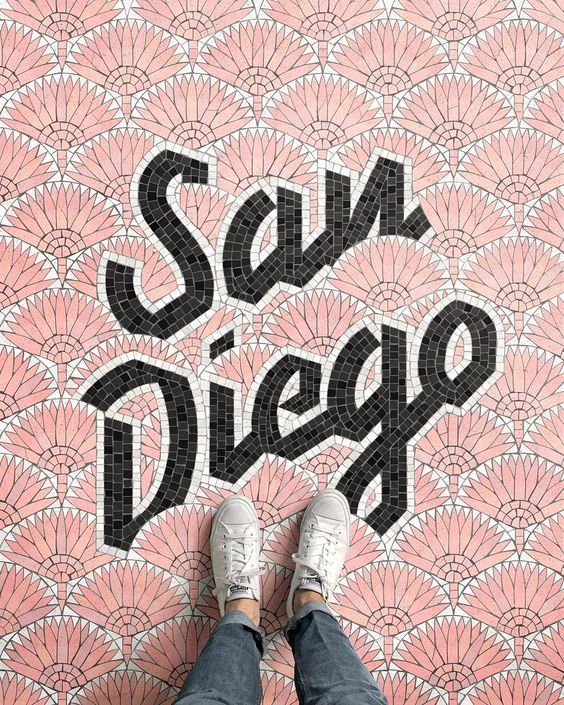
New York based designer Nick Misani shares his latest affair with floor mosaics he got in while still working at Louise Fili Studio she founded few decades ago. Formerly senior designer for Herb Lubalin, Louise Fili was art director of Pantheon Books from 1978 to 1989, where she designed close to 2,000 book jackets. The idea to run a small self-initiated project Fauxsaics came to Nick while he was digitally restoring Louise' books. He started to create faux digital mosaic inspired by the piece he saw in London
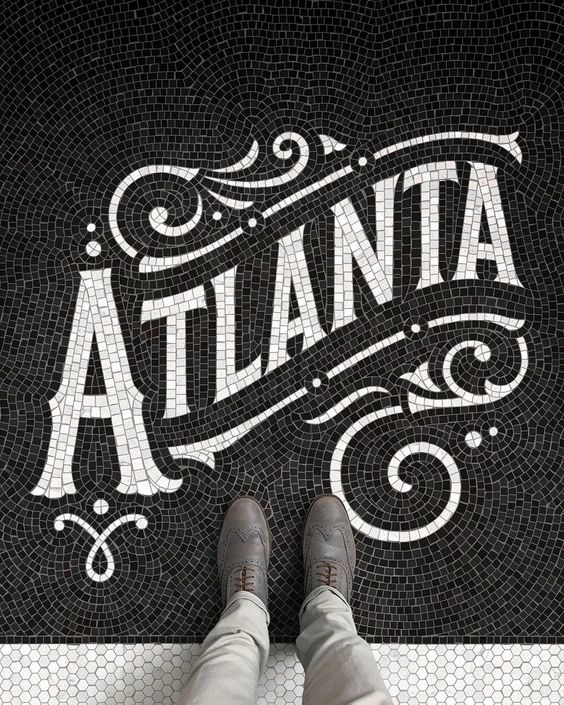
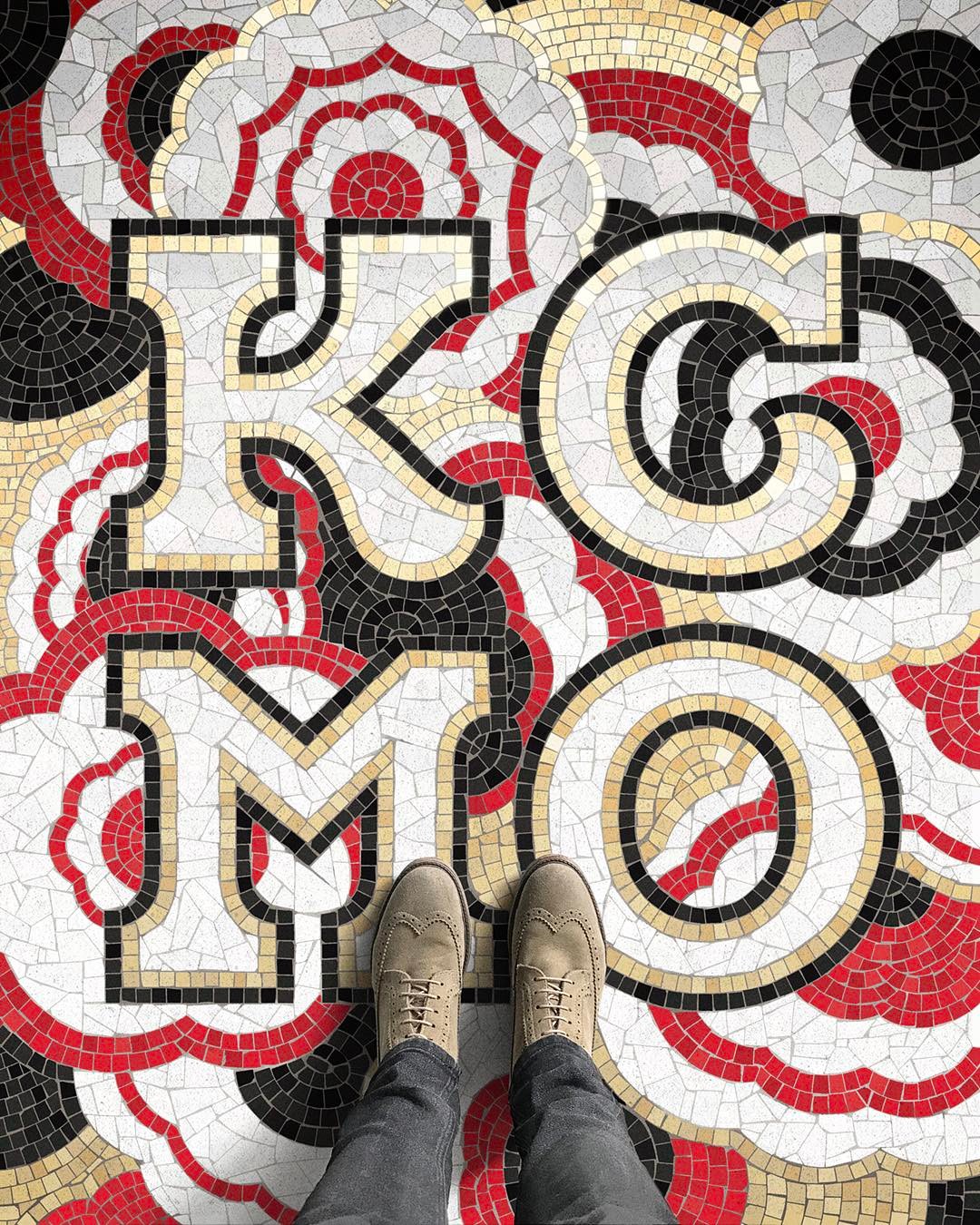
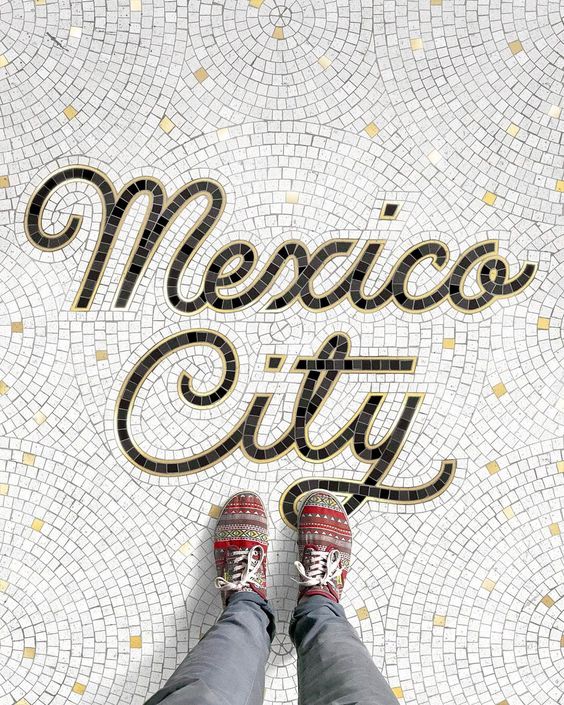
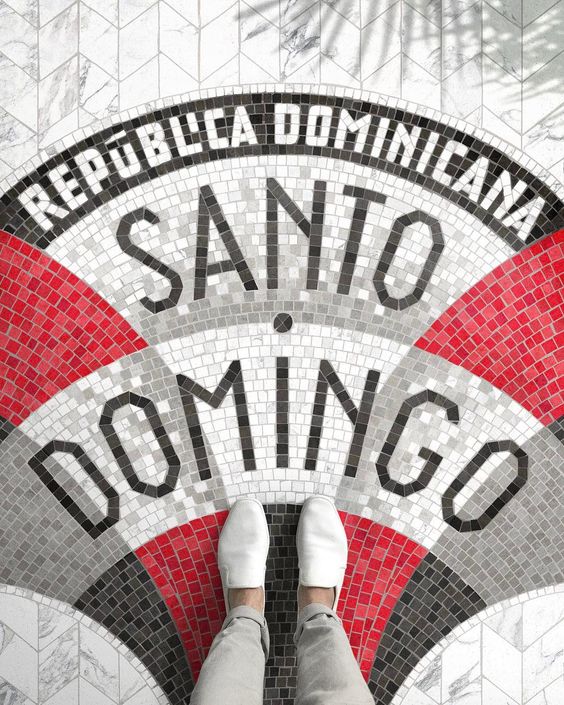
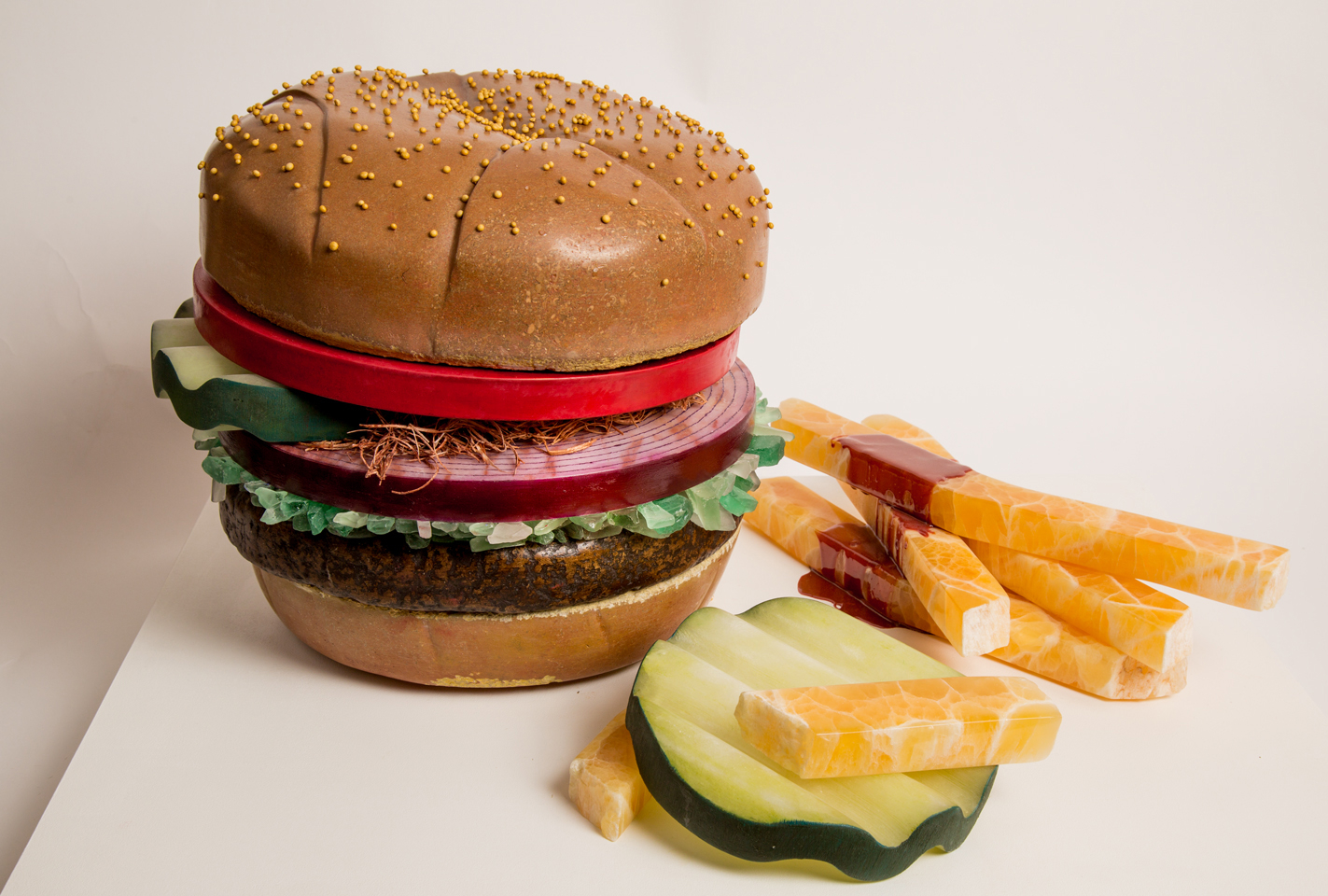
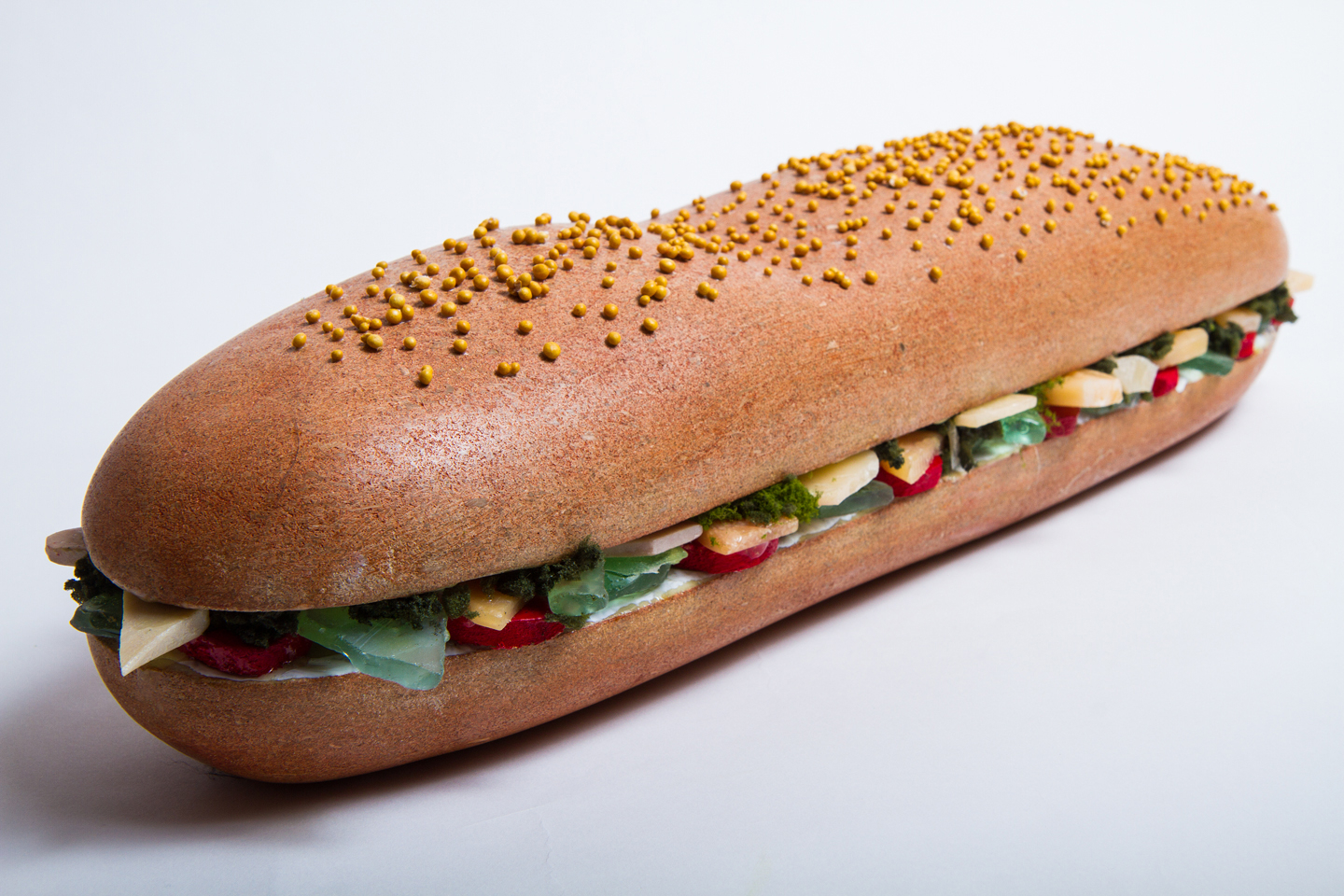
Robin Antar known for her hyper realistic recreation of American legacy - fast food in stones. Her quality of the work lead to the official letter from U.S Gov saying she cannot copyright her work because it to closely resembles famous products.
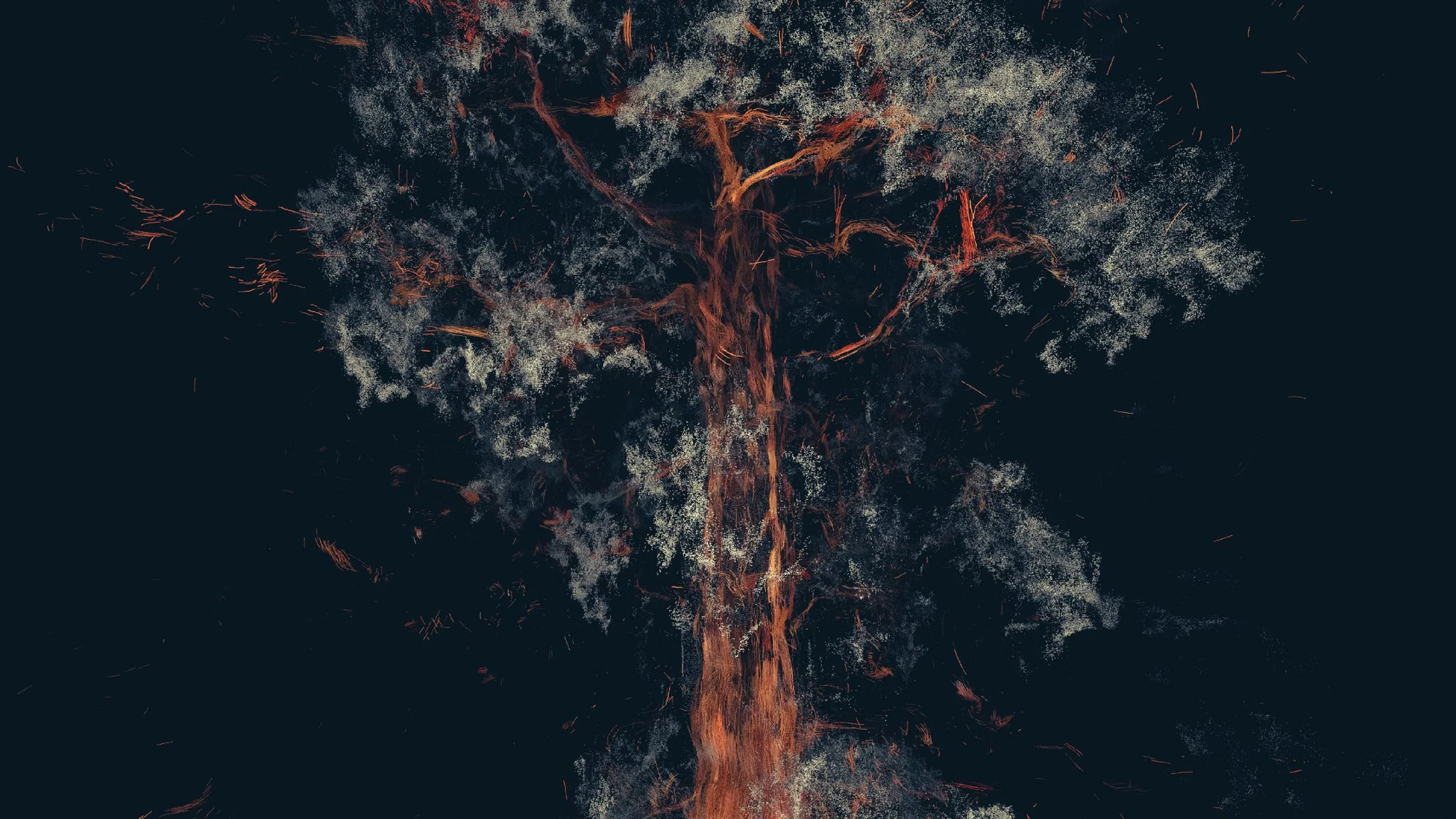
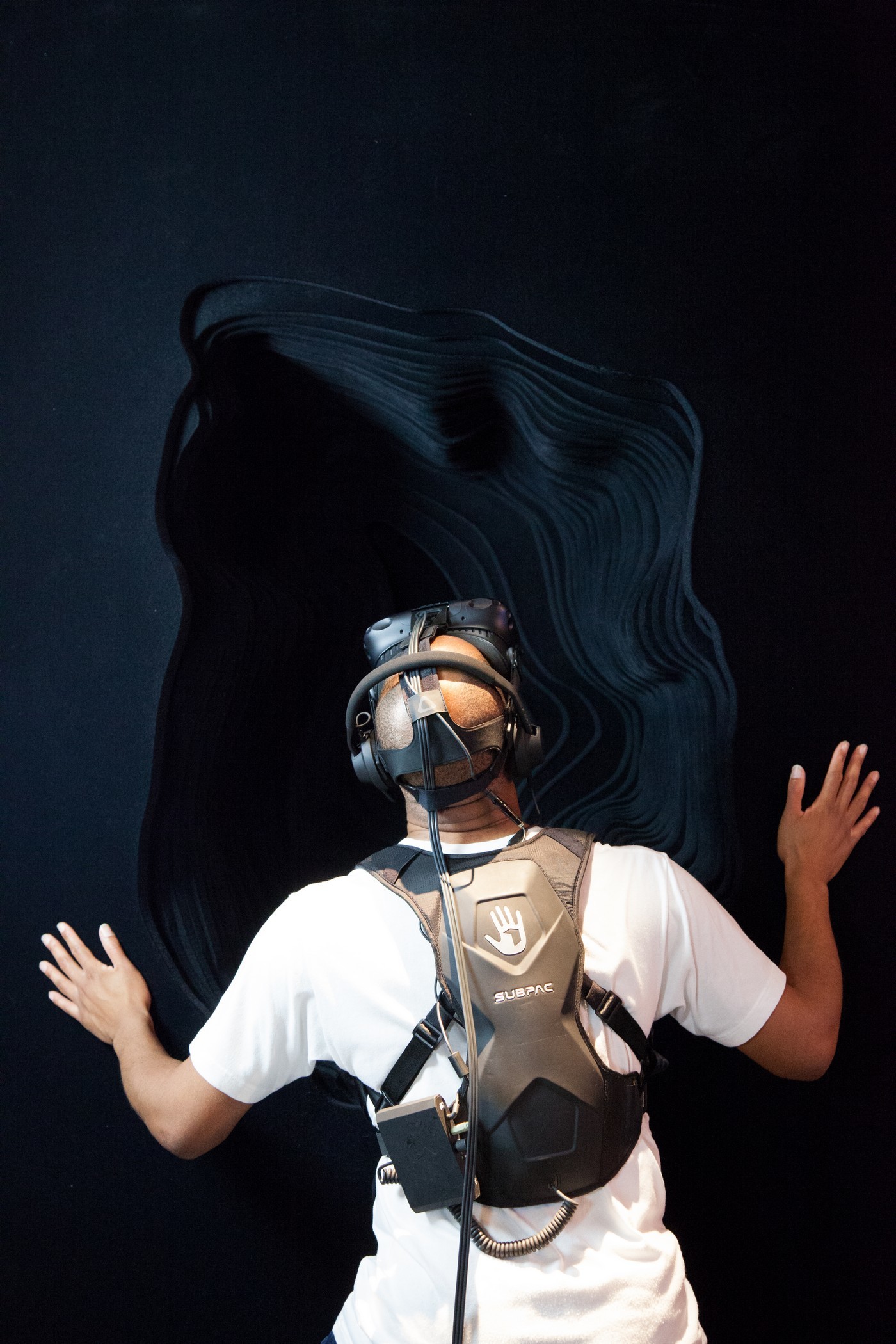
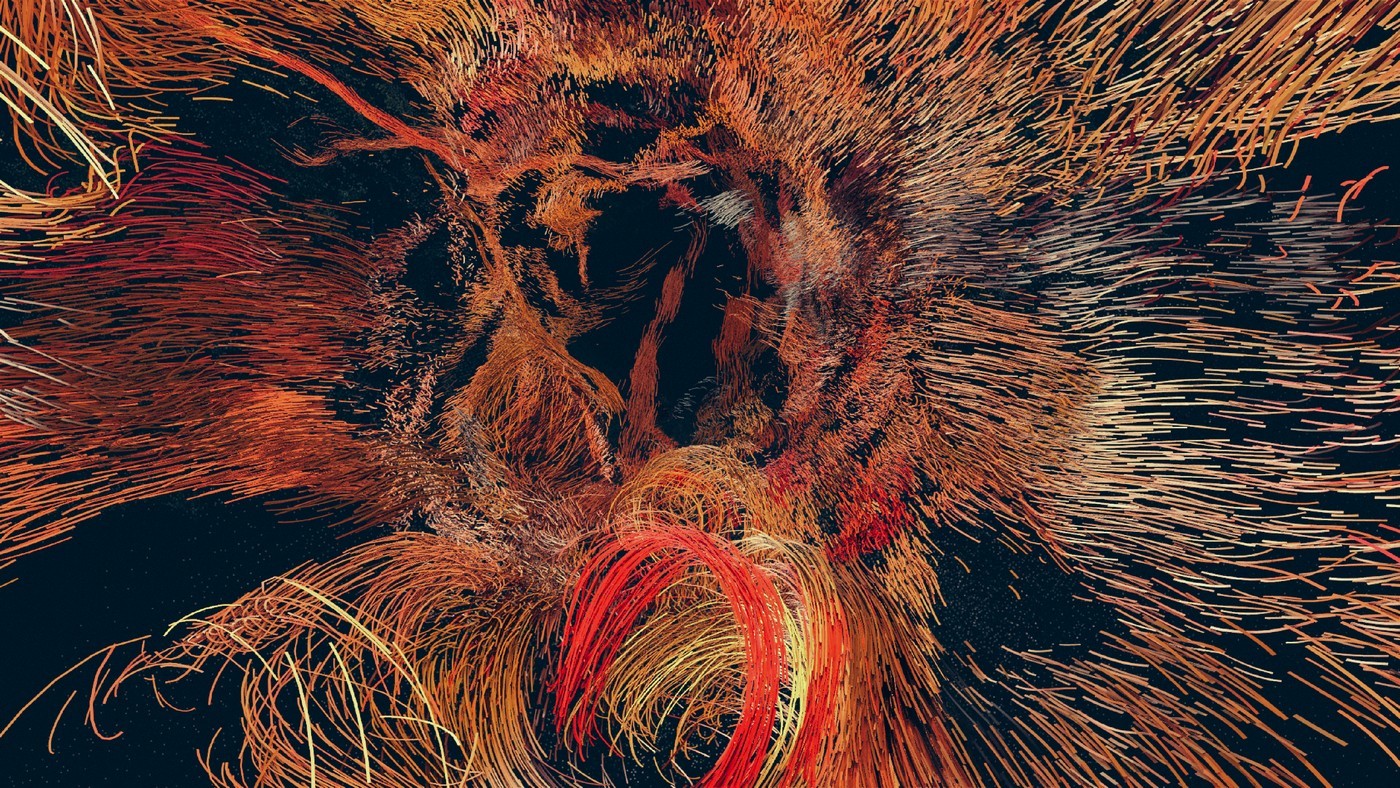
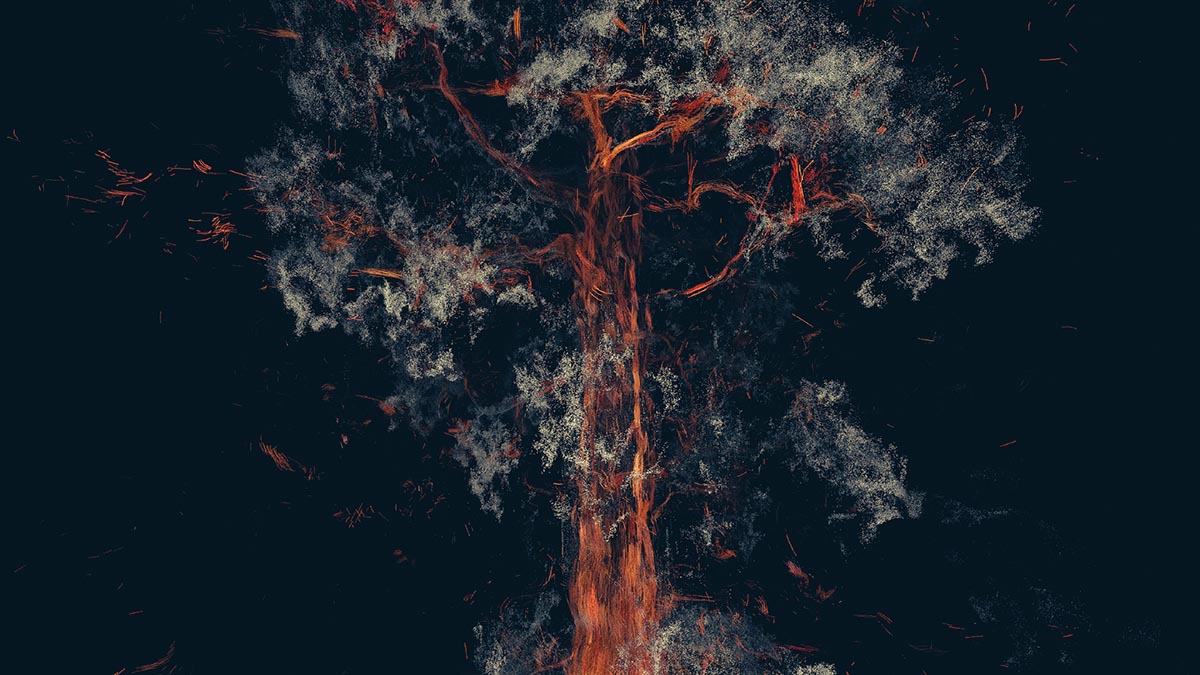
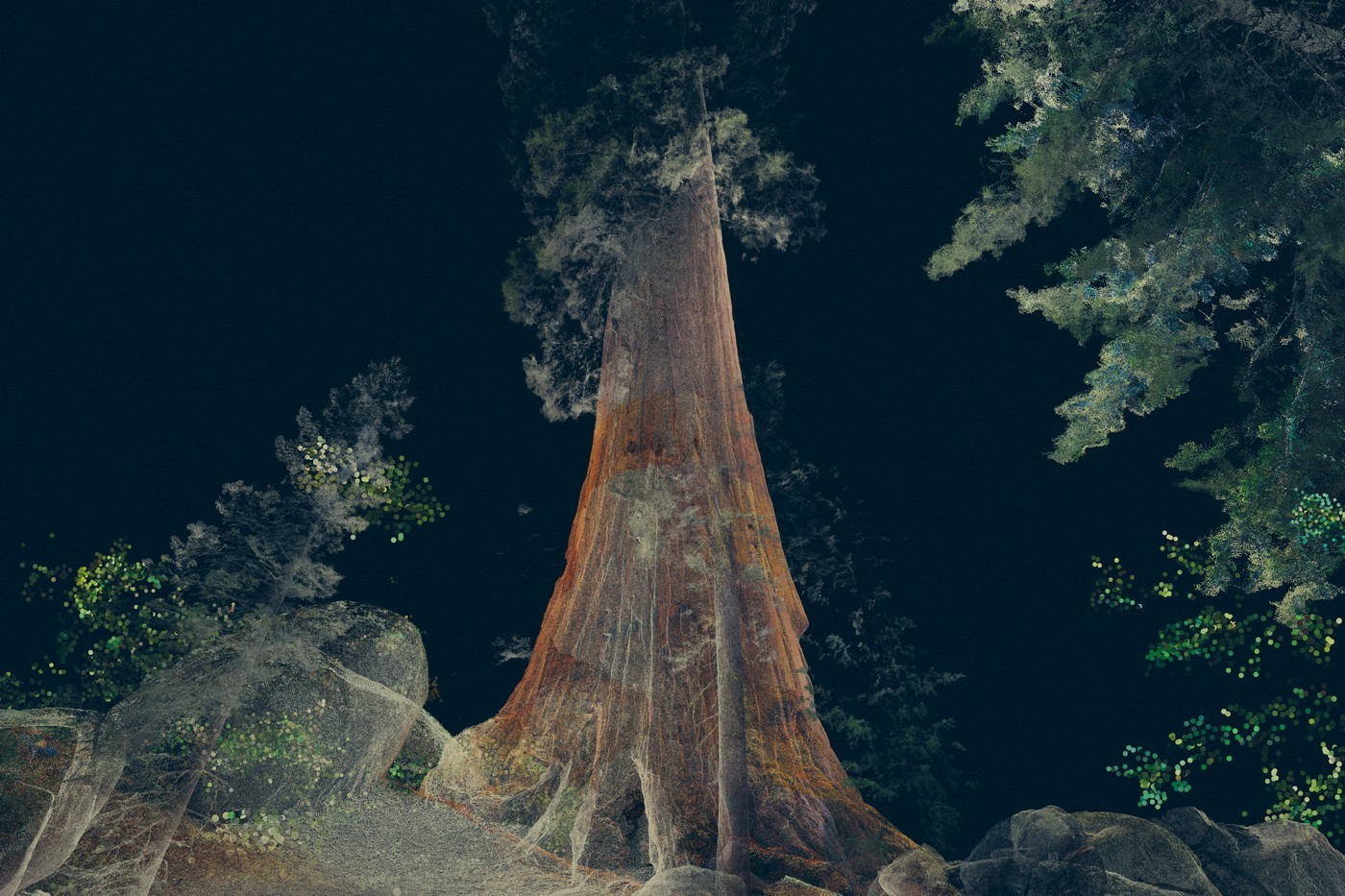
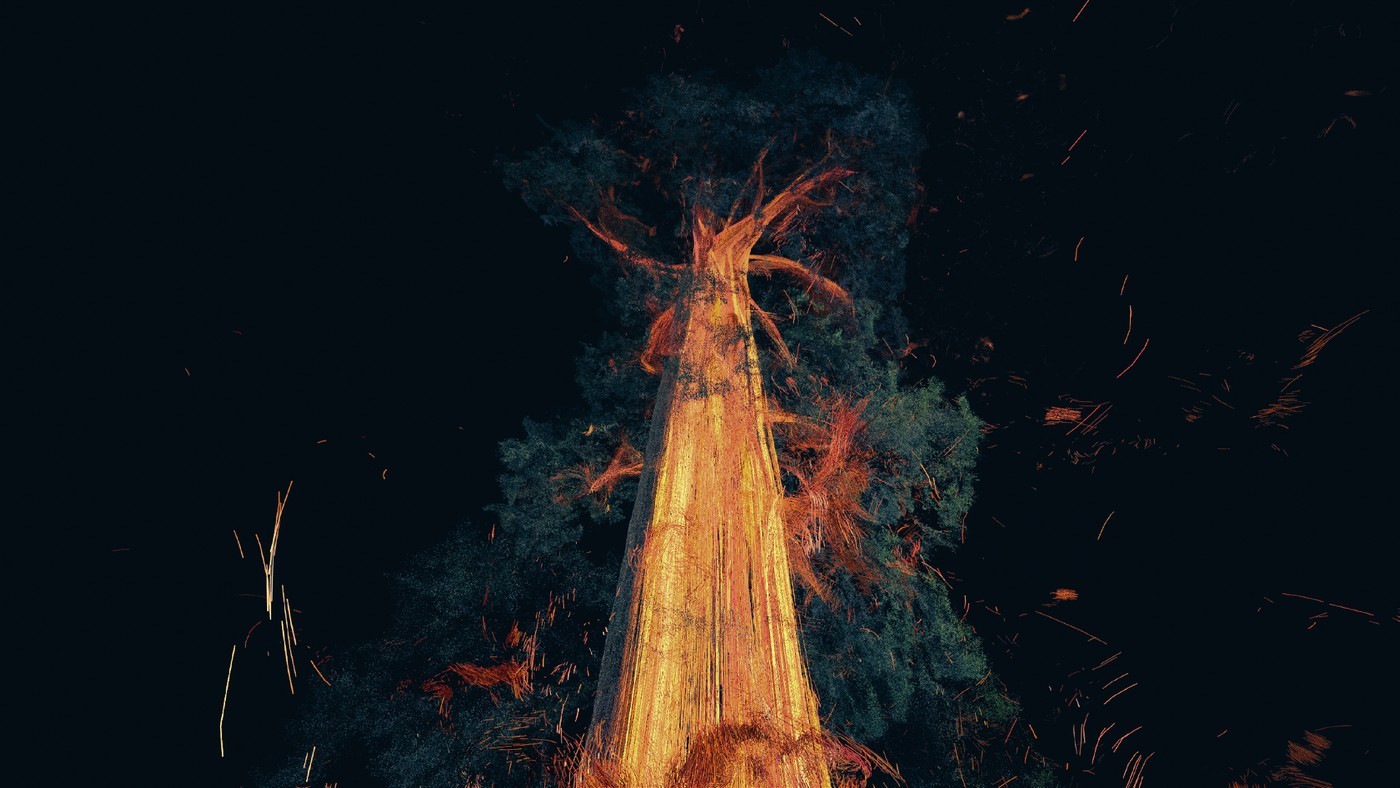
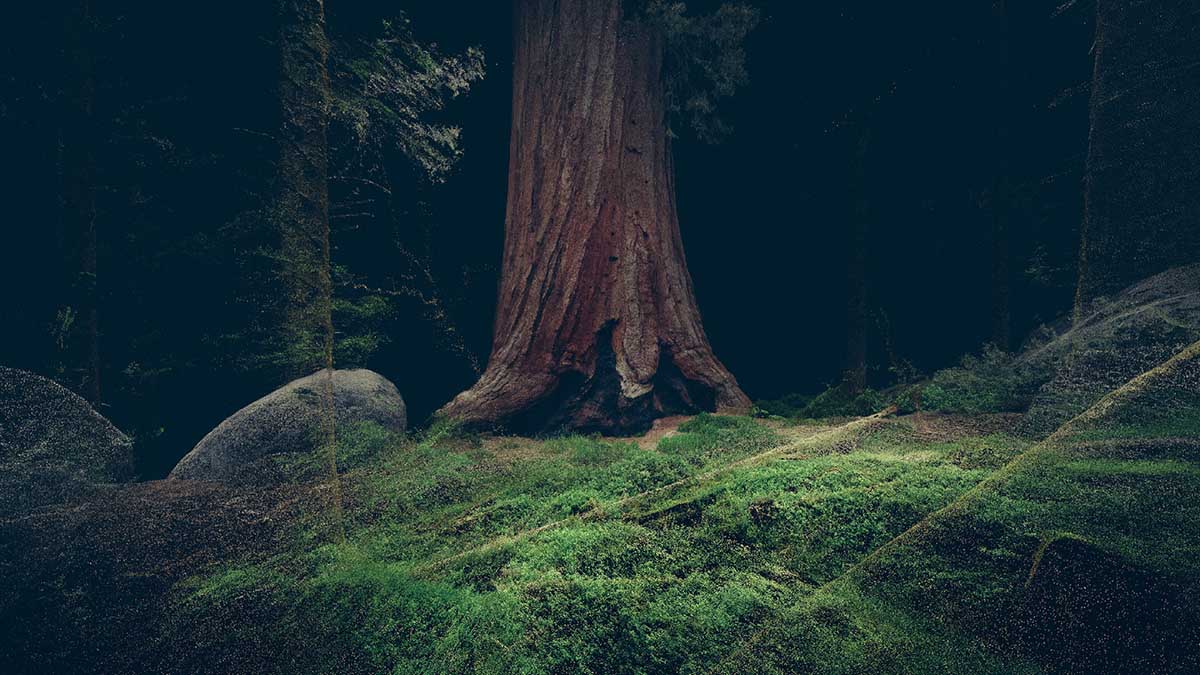
Tribeca 2017 Storyscapes awarded team of Marshmallow Laser Feast are behind "Treehugger: Wawona" - the VR Experience that is centred on nature's cathedral, the giant Sequoia from the famous Sequoia National Park (California, USA). Wawona is the (local Native American) Miwok’s word for ‘hoot of an owl’, imitating the sound of the Northern Spotted Owl - believed to be the tree’s spiritual guardian.

“The project we chose exemplifies the highest standards of artistry and inventiveness. It explores the potential for new visual forms and investigates unique modes of storytelling that allow us to tap into aspects the world and our lived experience that are intuitively known but seldom articulated. Through its use of poetic abstraction, embodiment, and the viewer’s own imagination and interpretation, we are able to unlock new ways of understanding and experiencing the world around us. We’ve selected this piece because we hope it will inspire others to start creating in ways that take risks and use the limitations of technology to revamp story and experience”
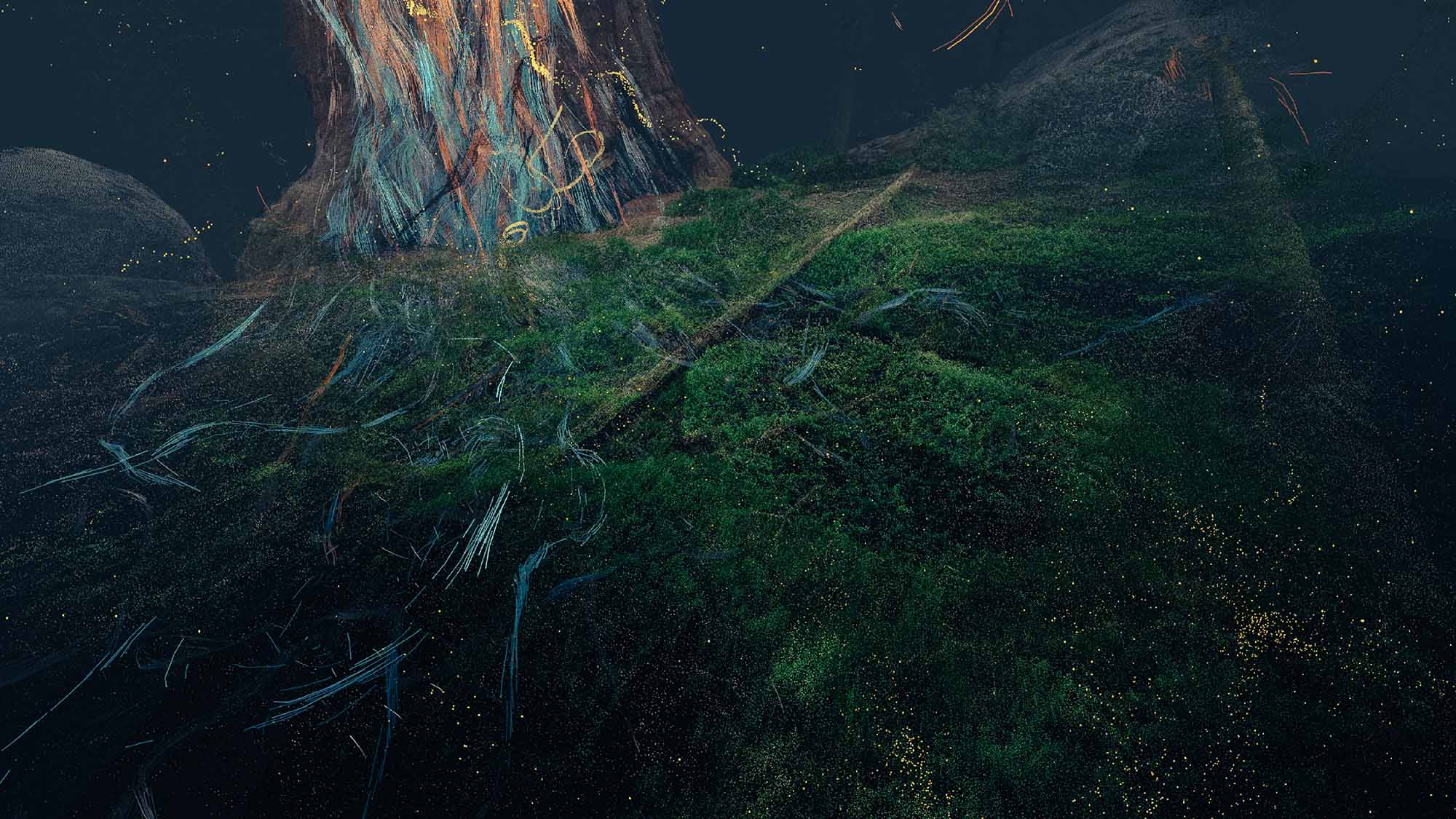
Participants are invited to don a VR headset, place their heads into the tree’s knot and be transported into the Sequoia’s secret inner world. The longer you hug the tree, the deeper you drift into ‘treetime’: a hidden dimension that lies just beyond the limit of our senses. Audiences embark on a journey of abstract visualisation, following a single drop of water as it traverses from root to canopy in these enormous living structures.

Splash
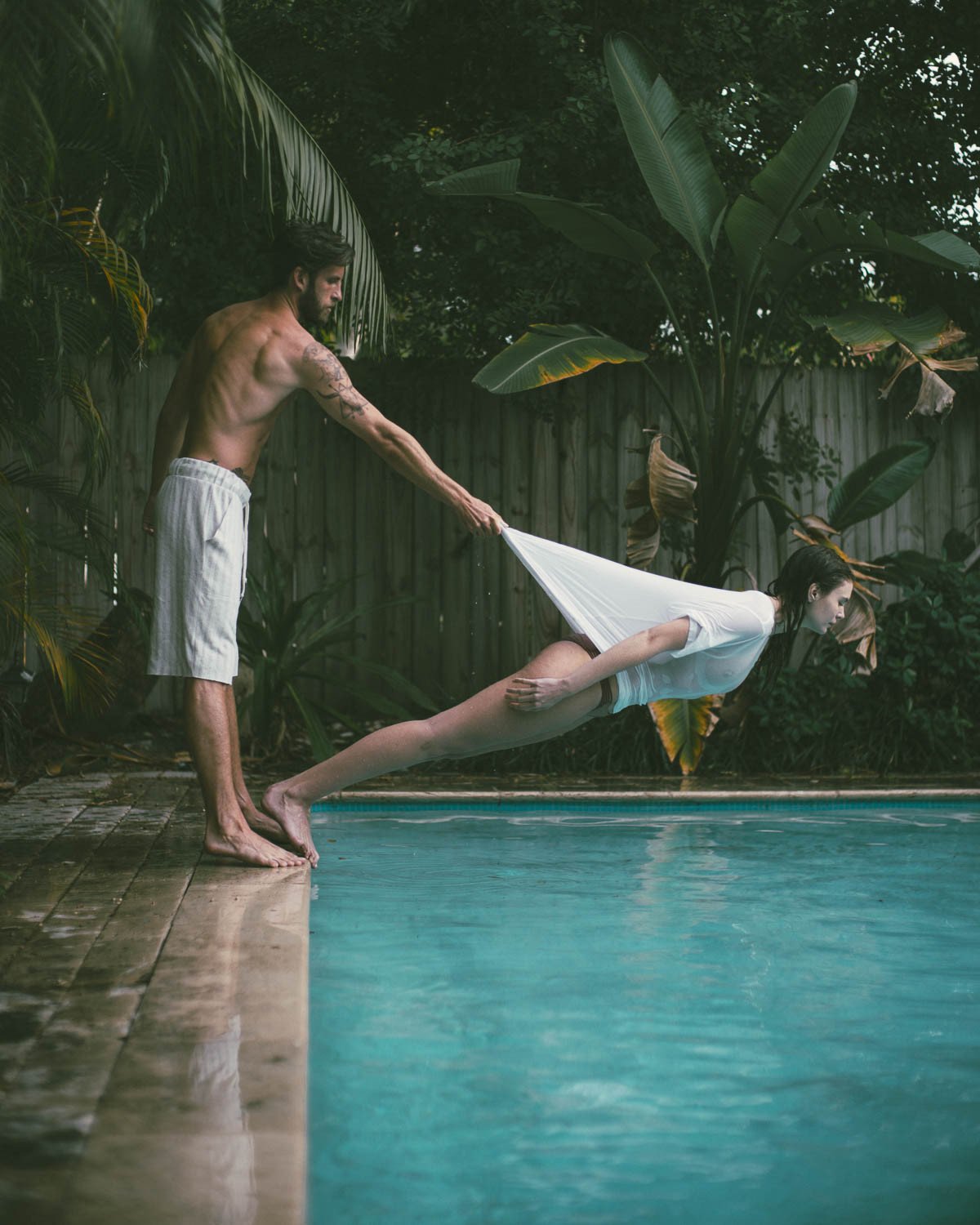
“A month ago I took a photo I had the idea the night before. I imagined a girl being held up by her incredibly long hair—like ridiculously long. Doubtful I’d find a model with hair as long as I envisioned so I just altered the idea to fit the photo shoot I was already doing.
I uploaded the photo and within 5 minutes can tell it was going to do really well. Just not 130,000 likes and 2,000 comments really well. I don’t know what I did or how it happened, but I’m glad.”
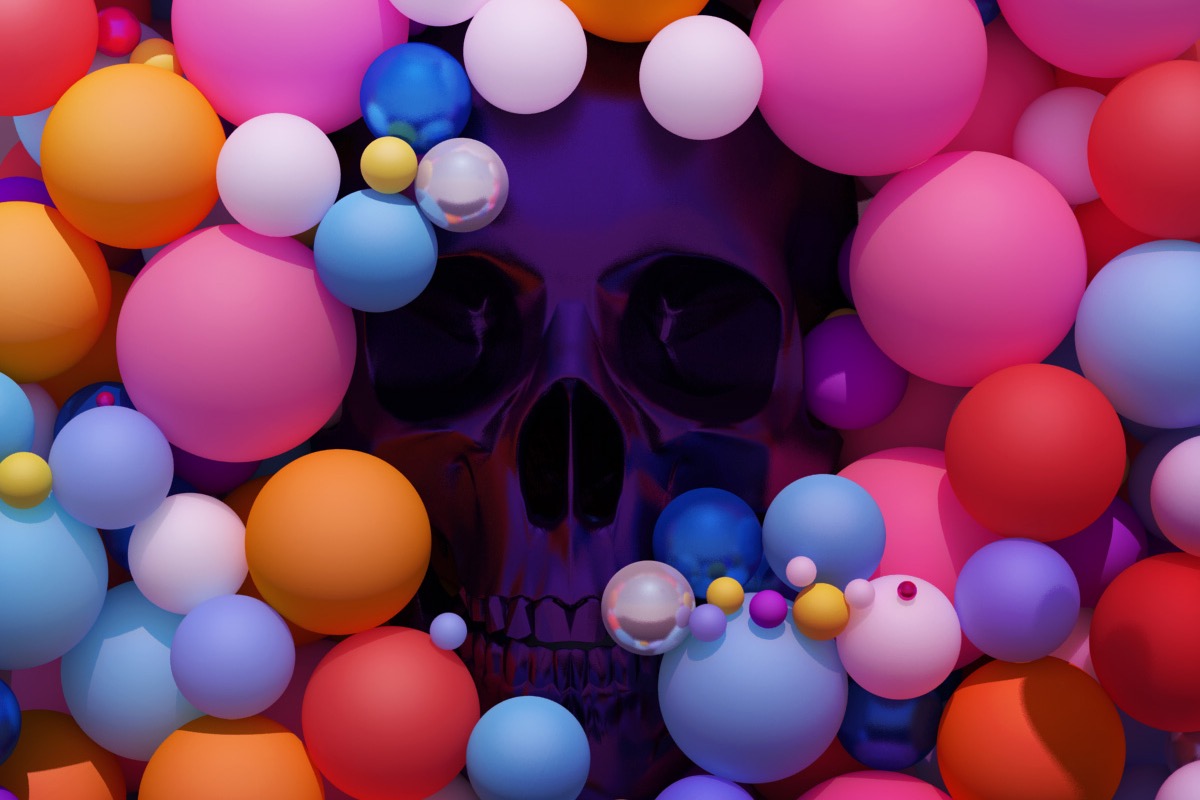
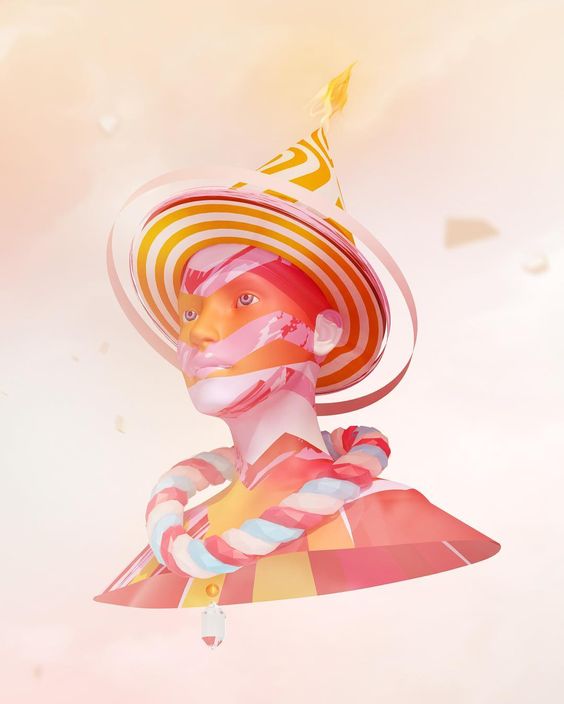
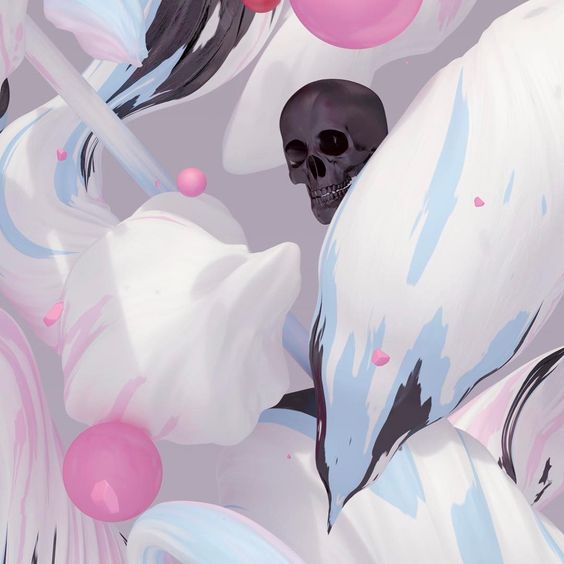
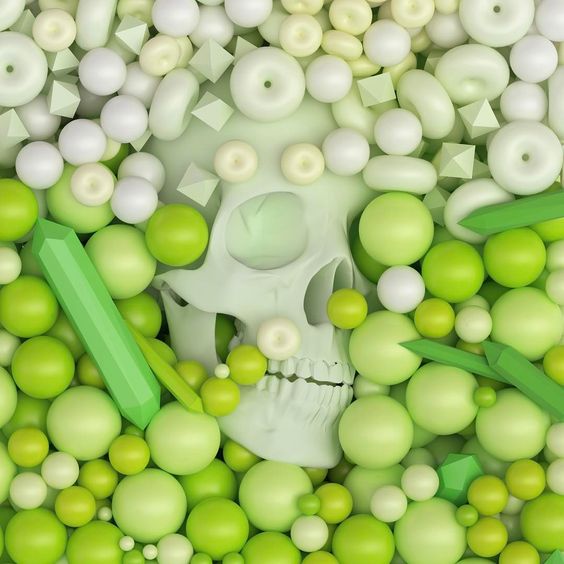
Digital artist Luke Choice is obsessed with blocking colours and CG shapes he renders and mix to deliver awesome illustrations




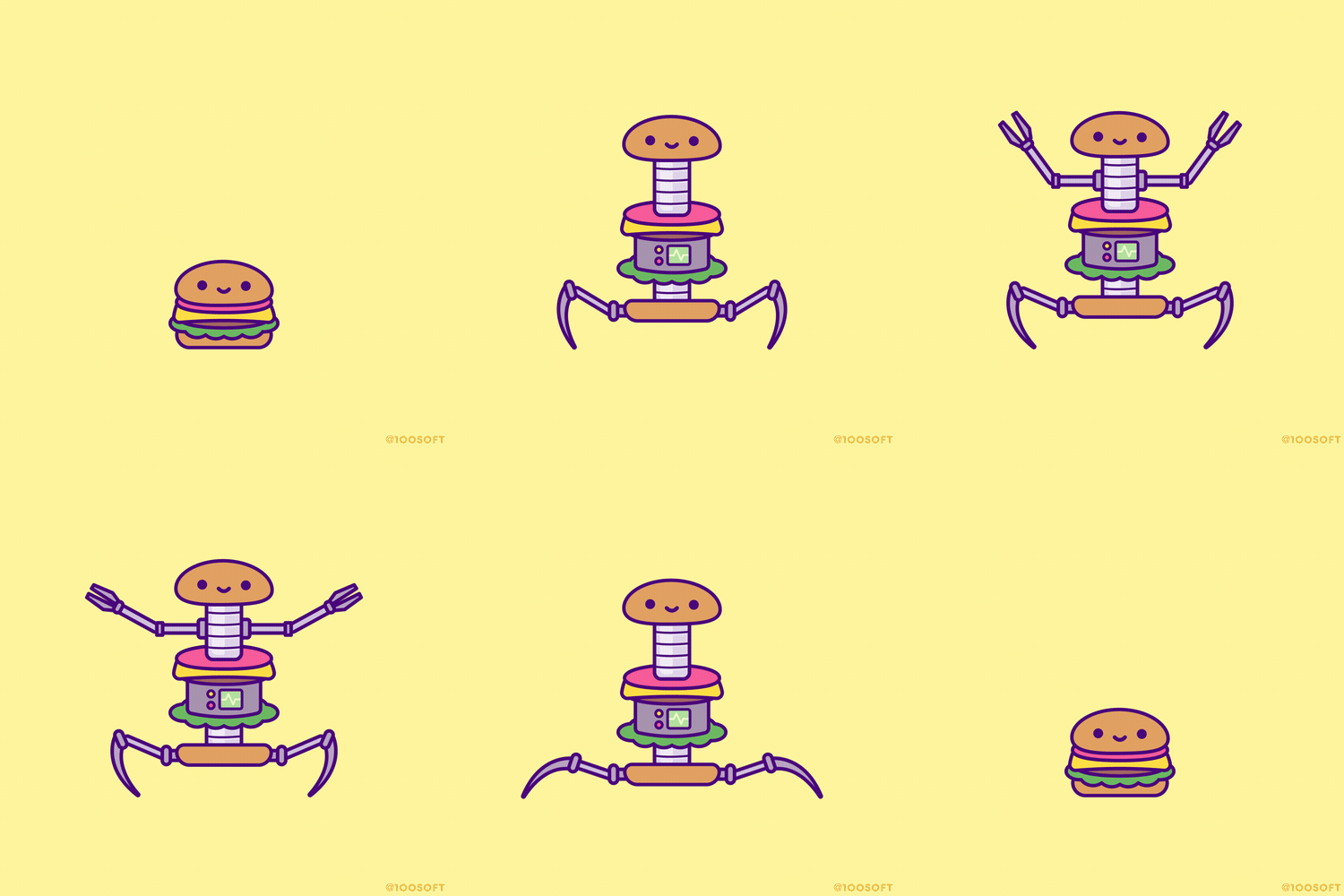
Truck Torrence lives in Los Angeles and makes kawaii pop art under the moniker 100% Soft. He is the designer of the official emoji for Star Wars and creator of the Kaiju Kitties. His work has been shown at Gallery 1988, Bottleneck Gallery, Giant Robot, & Spoke Art.

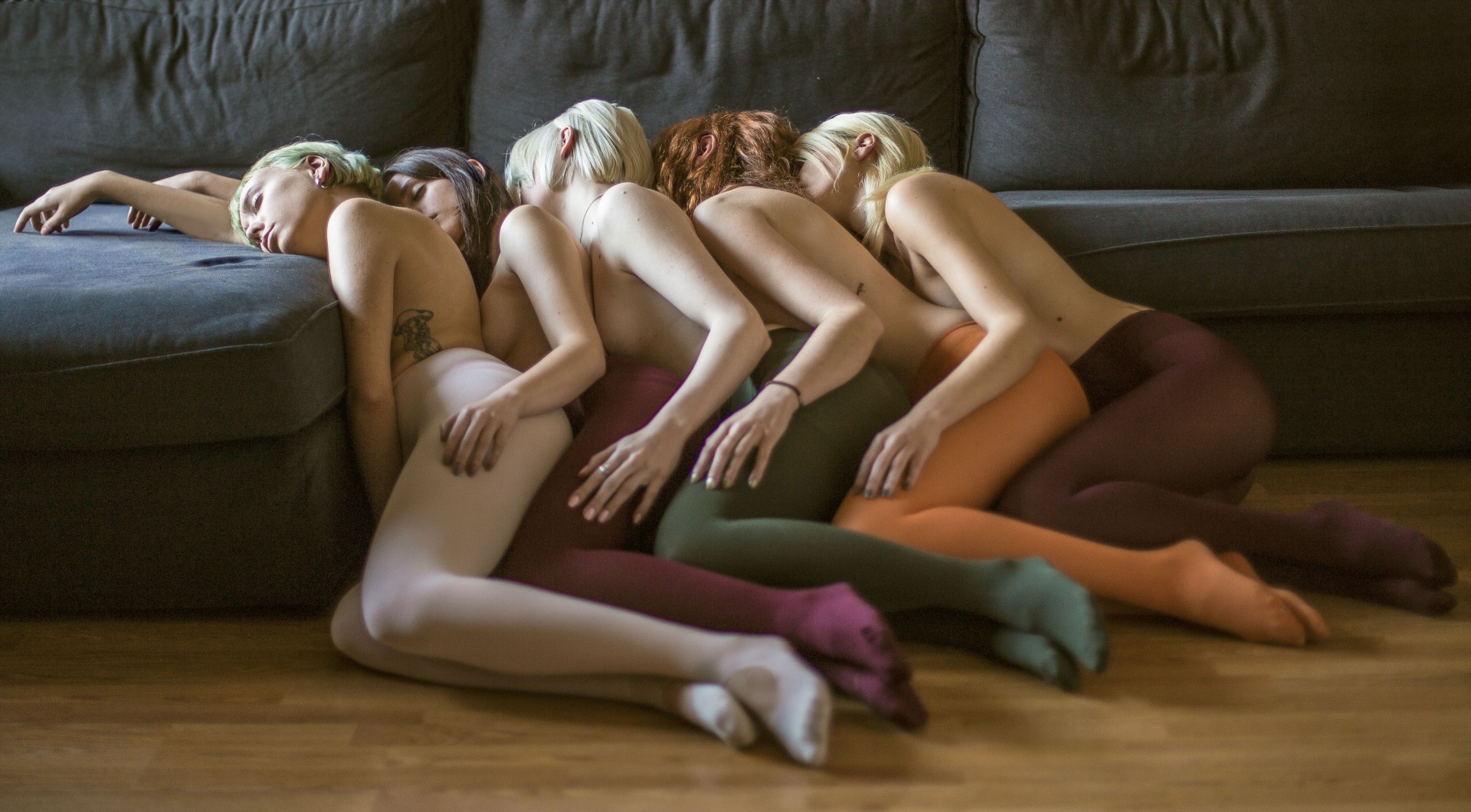
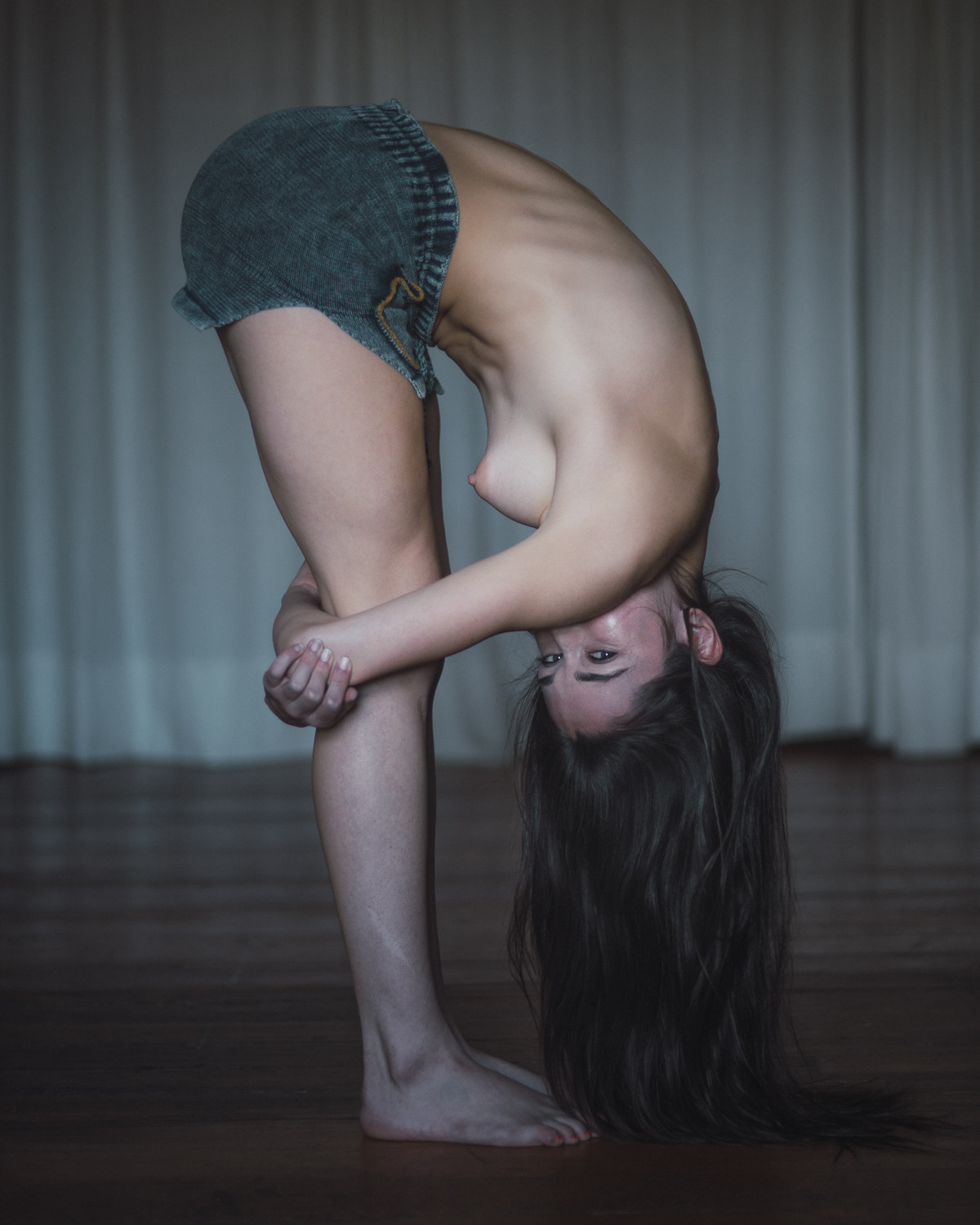
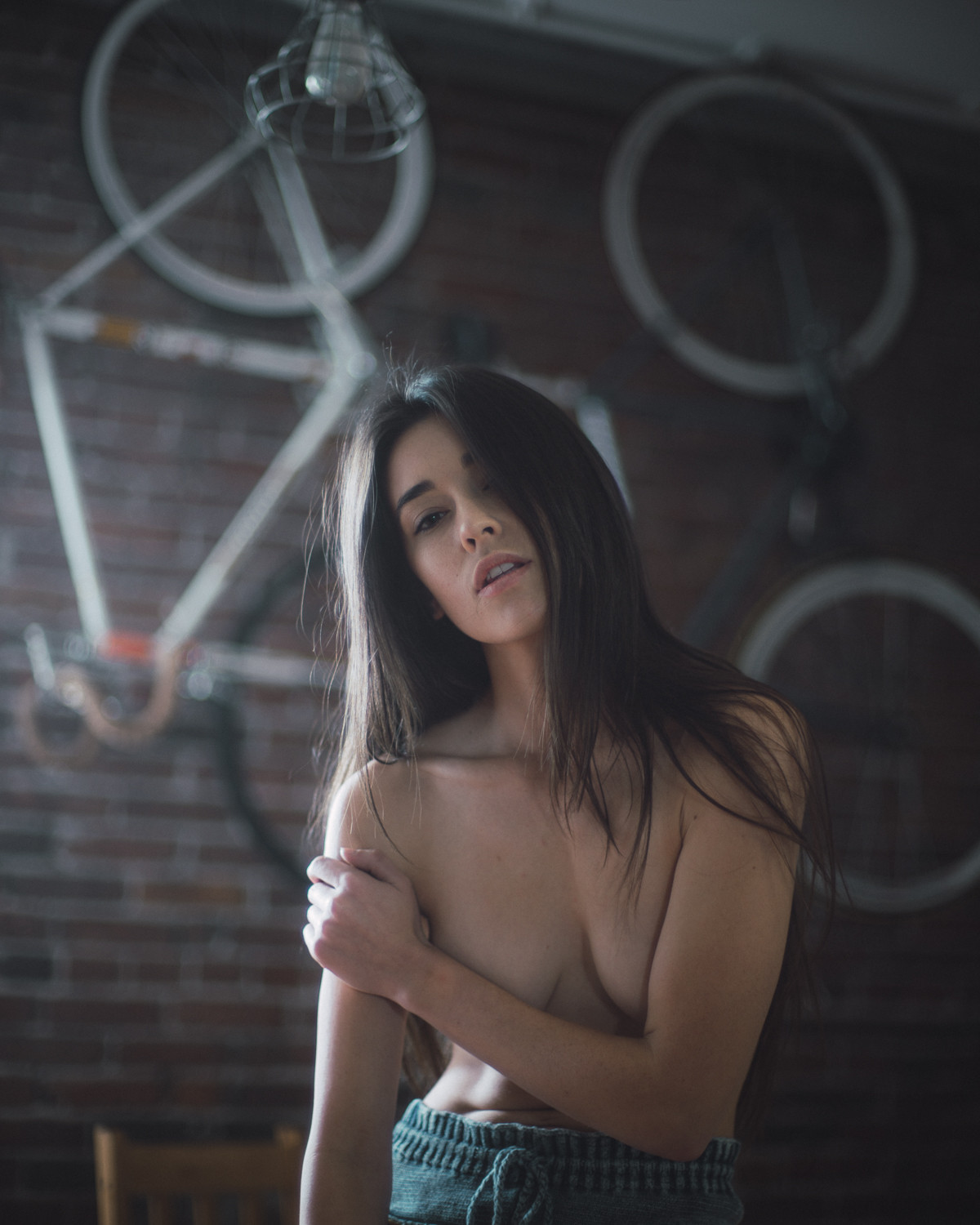
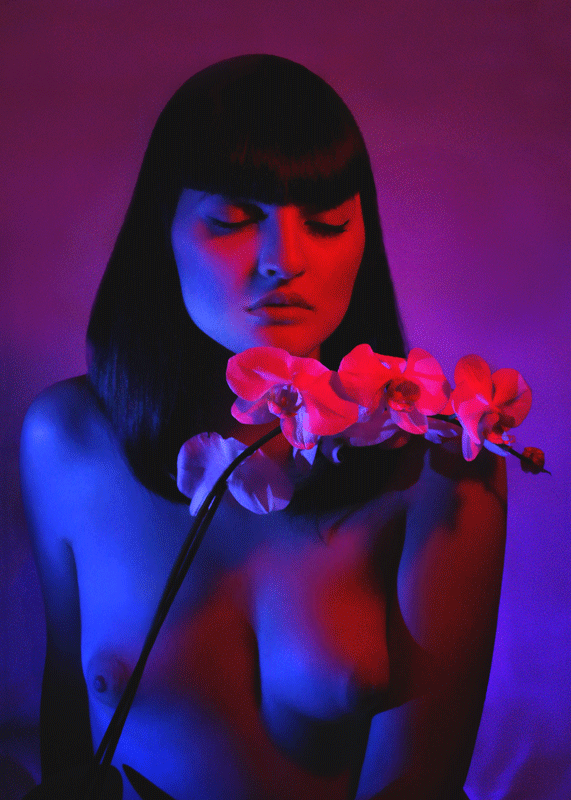
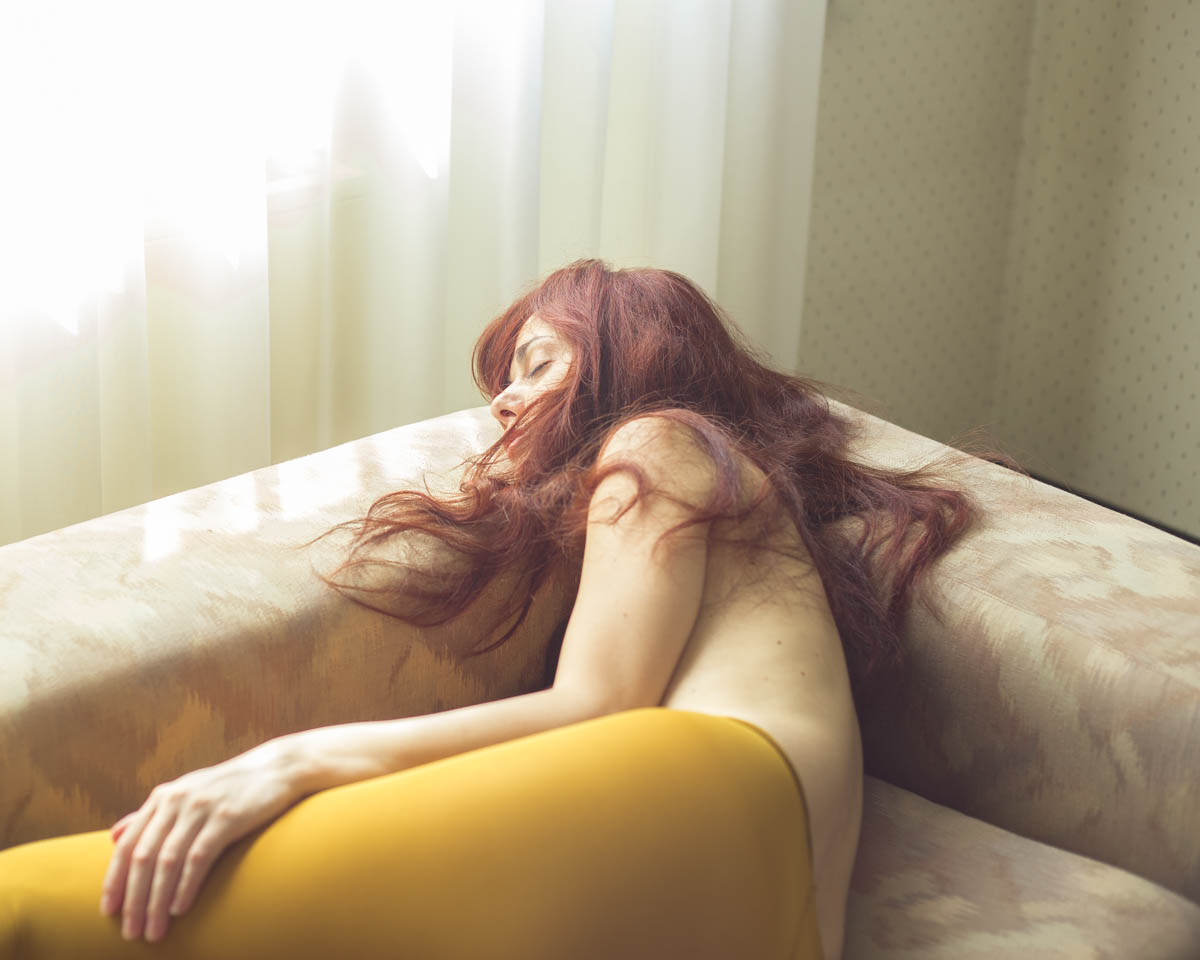
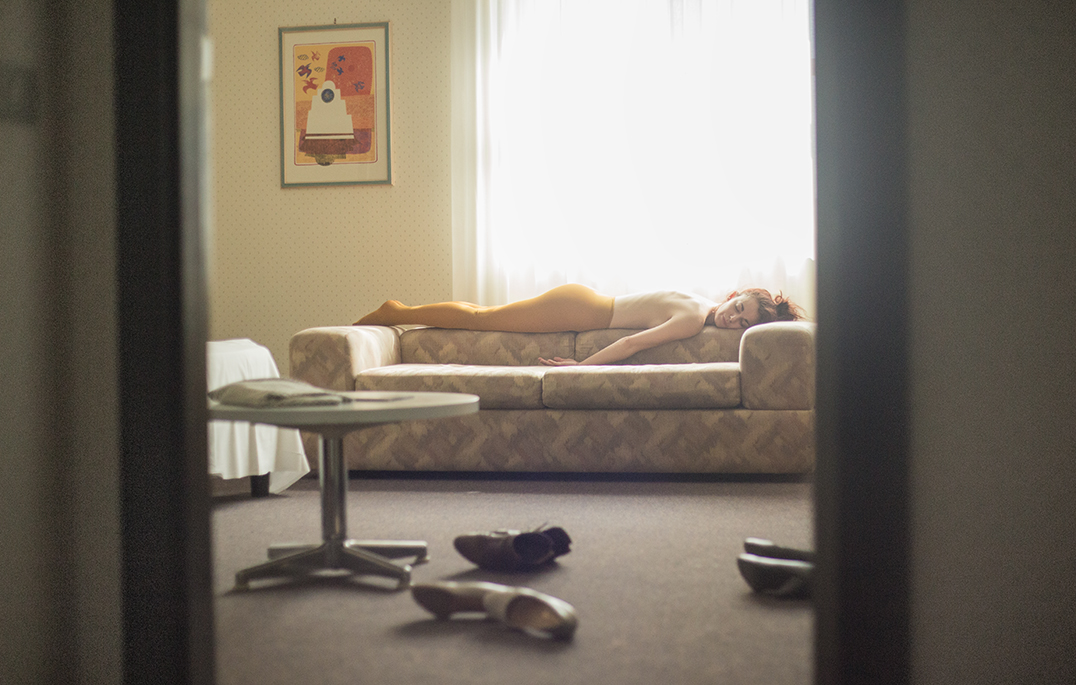
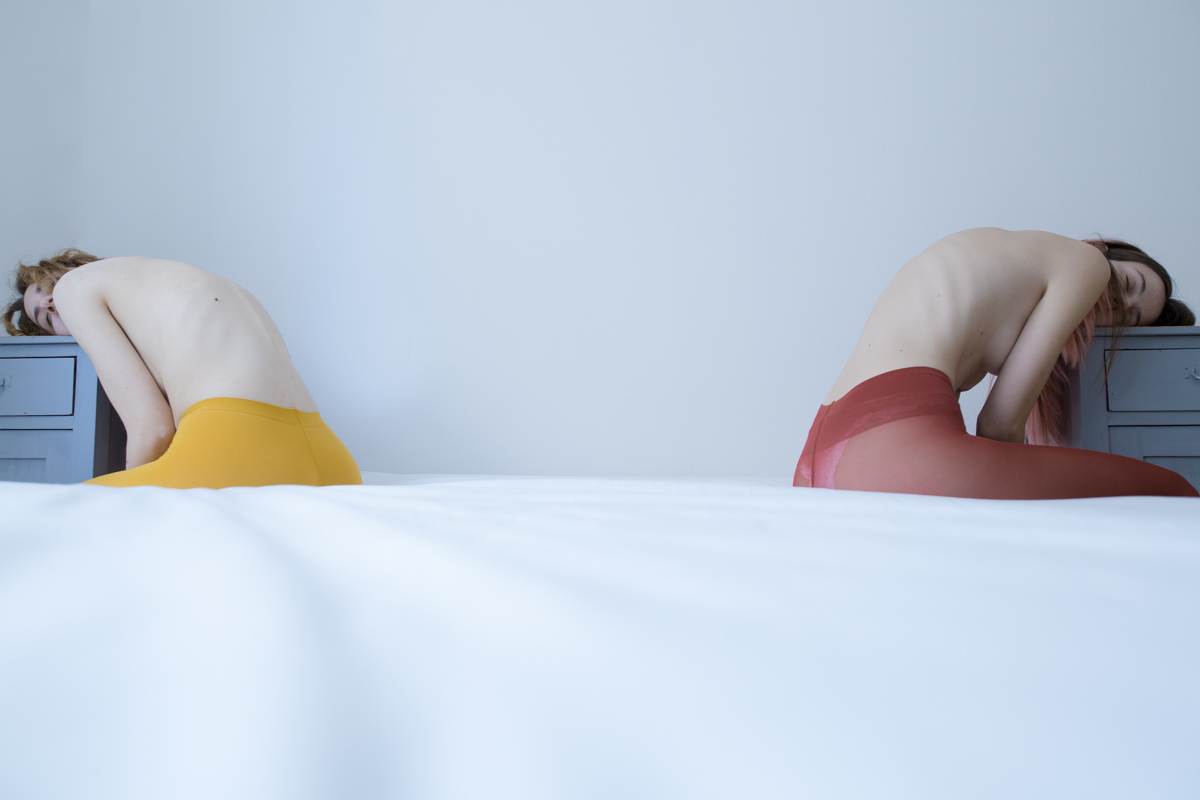
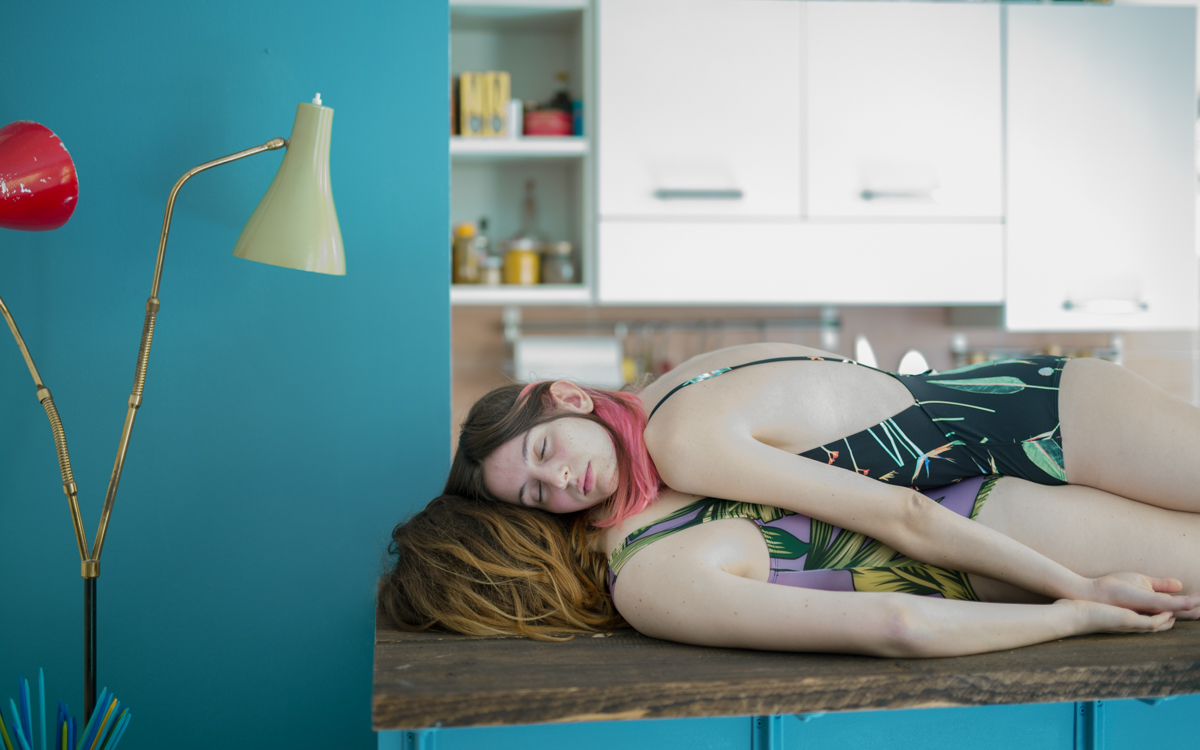
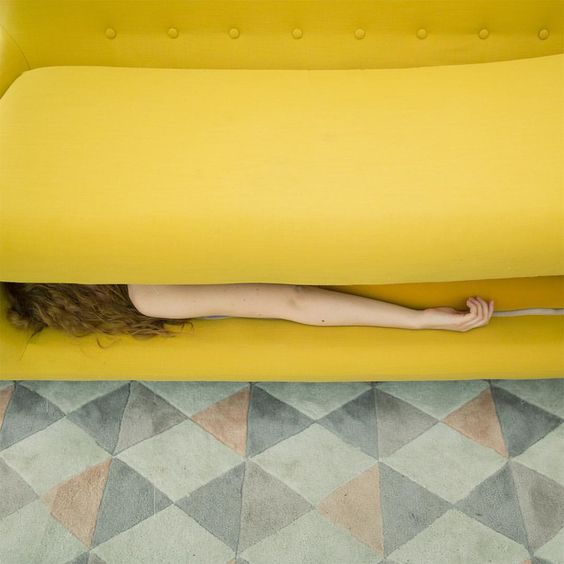
Working mainly with nude models Italian photographer Giuseppe Palmisano creates projects that eliminates sexual context and female body objectification leaving the viewer a lot of visual puzzles.
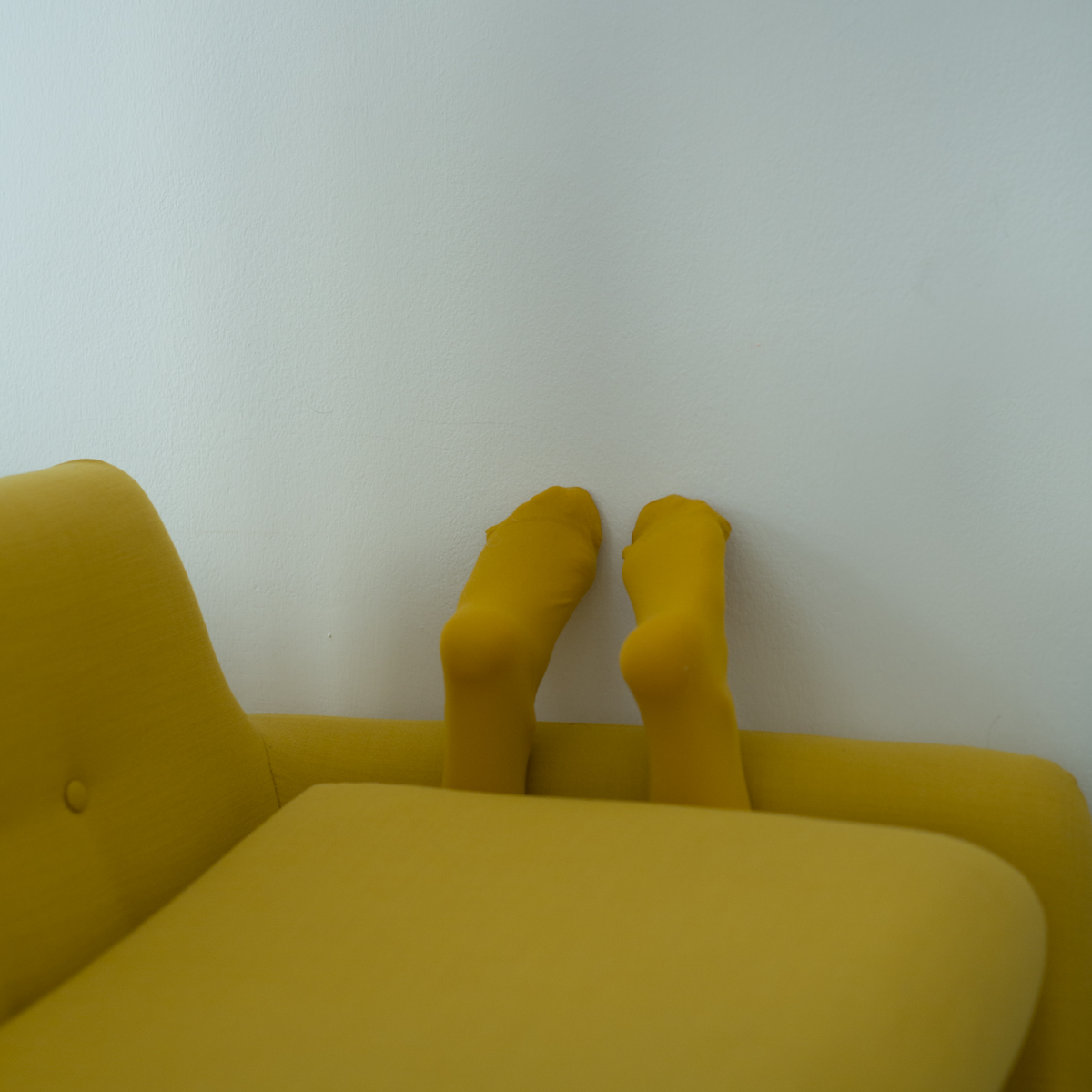
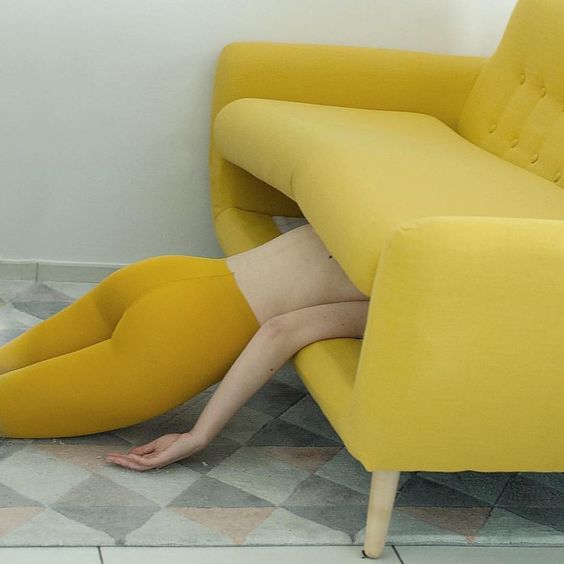
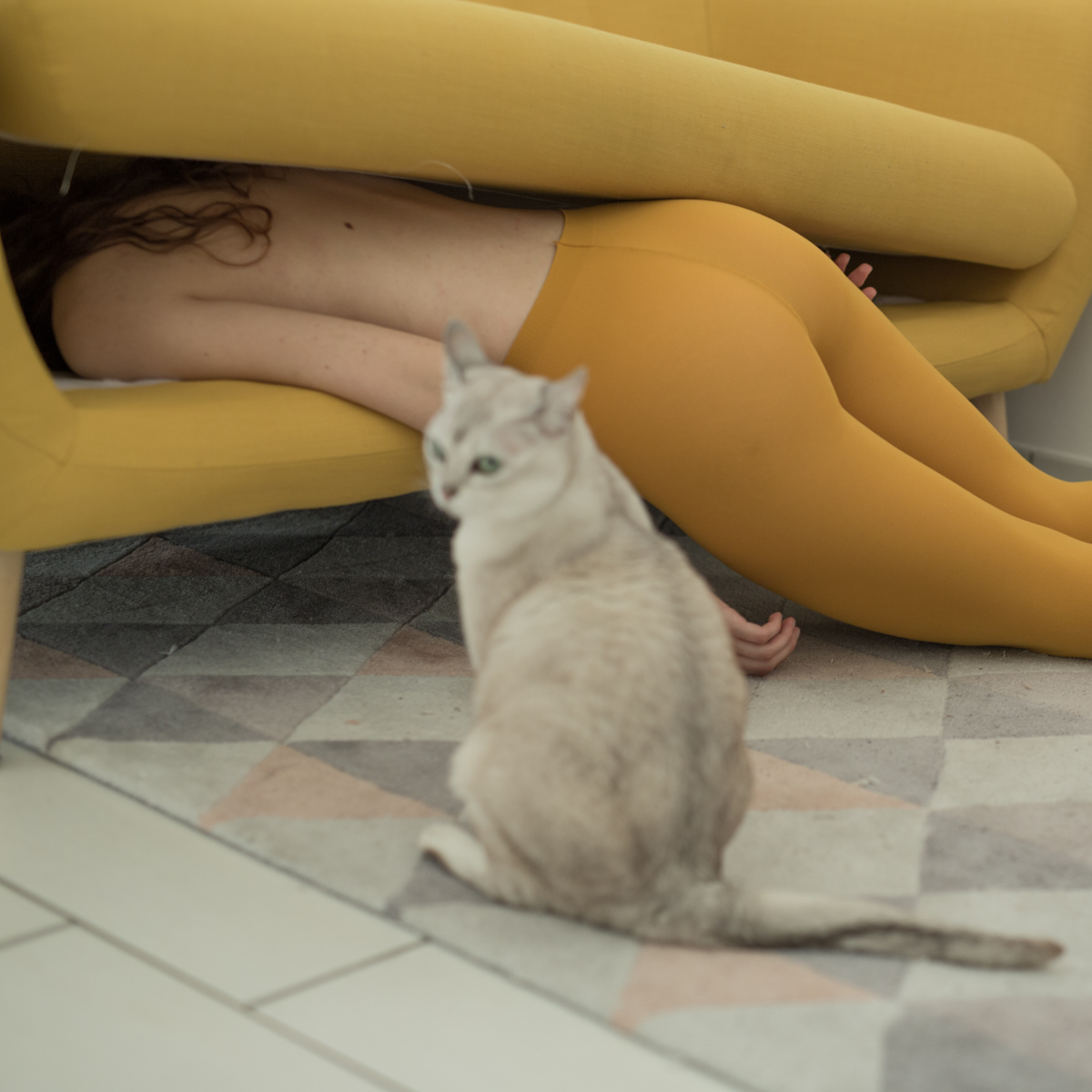
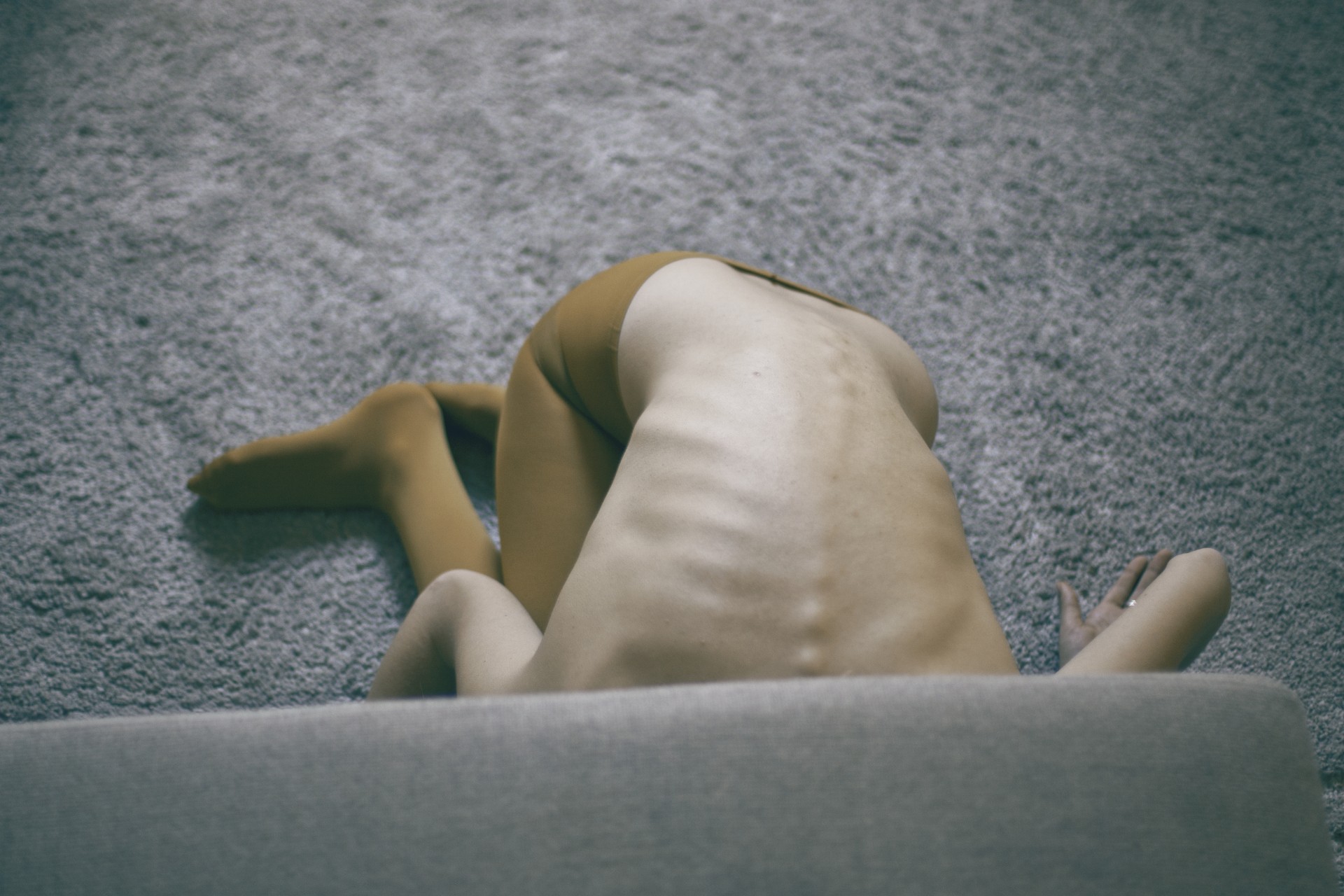
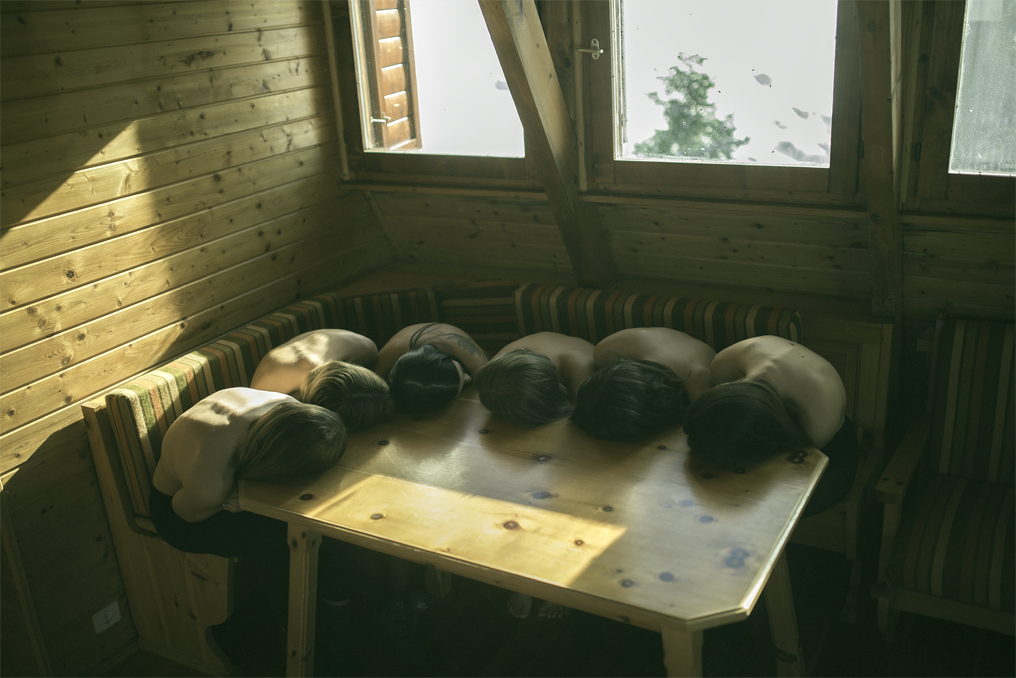
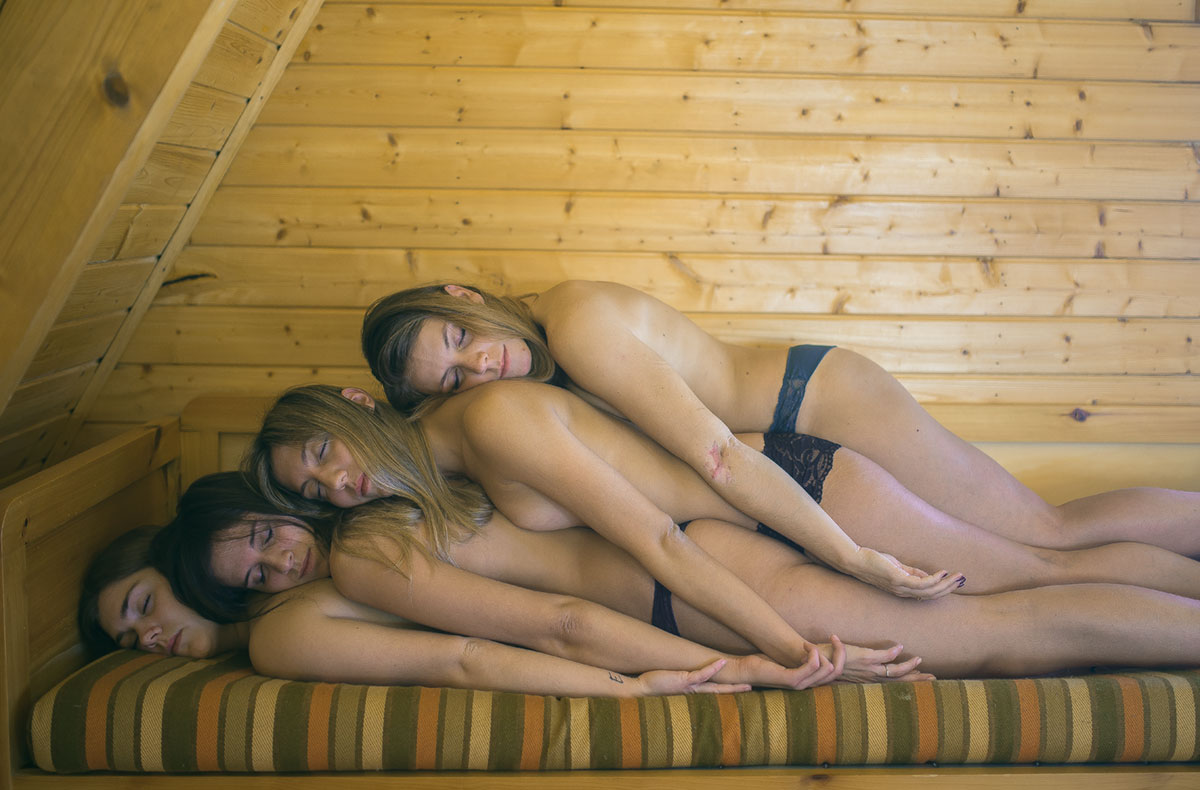
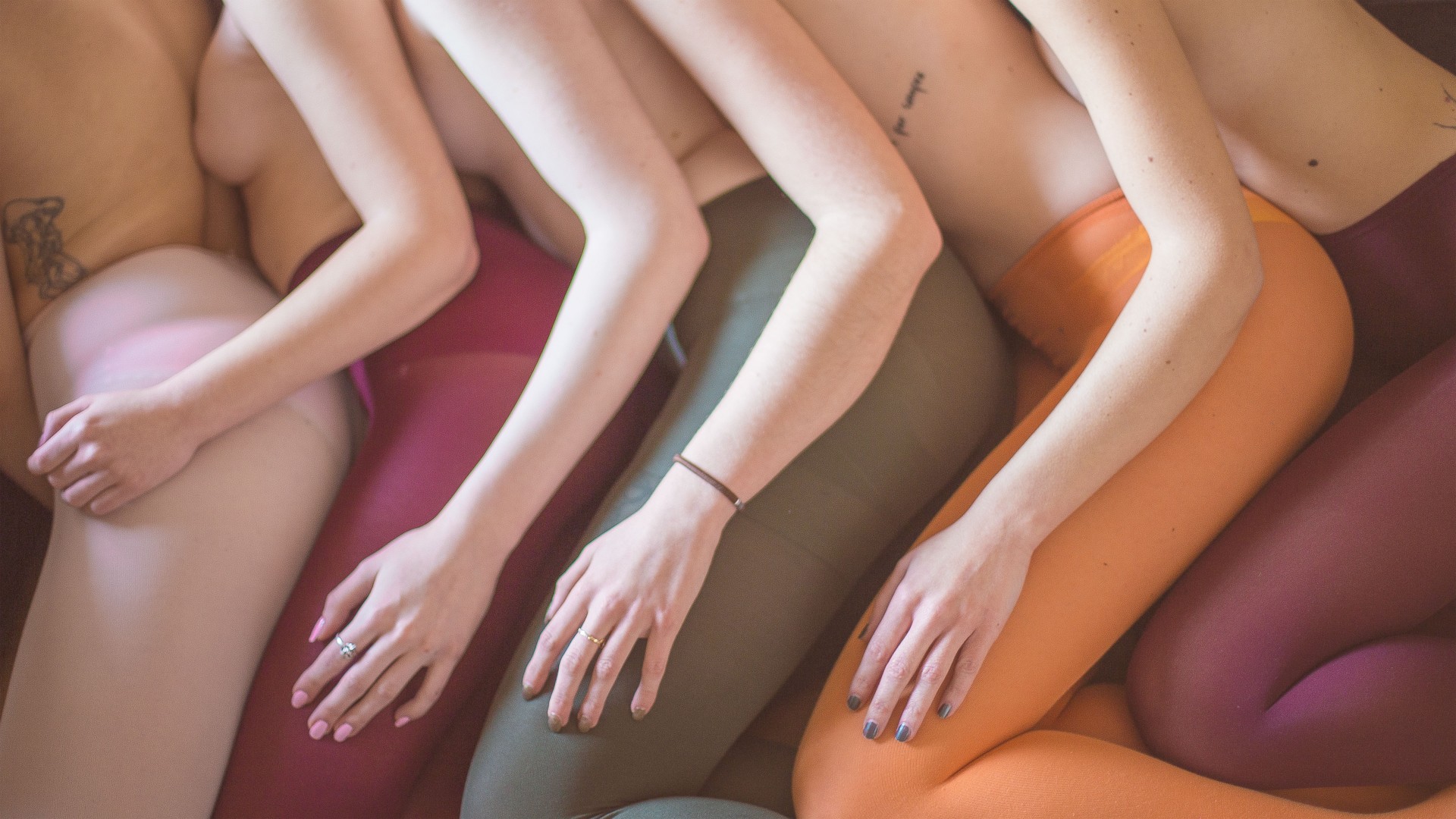

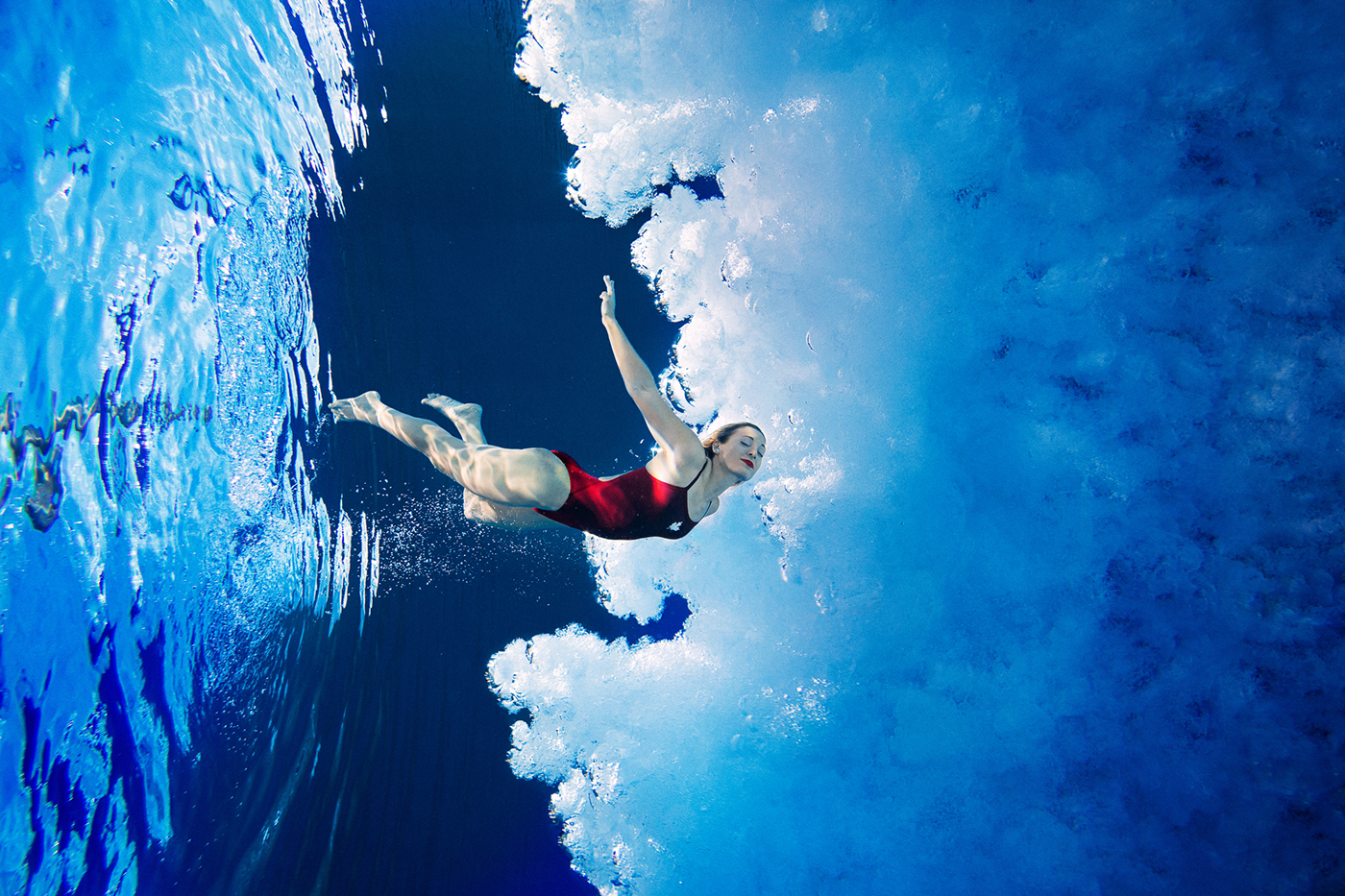
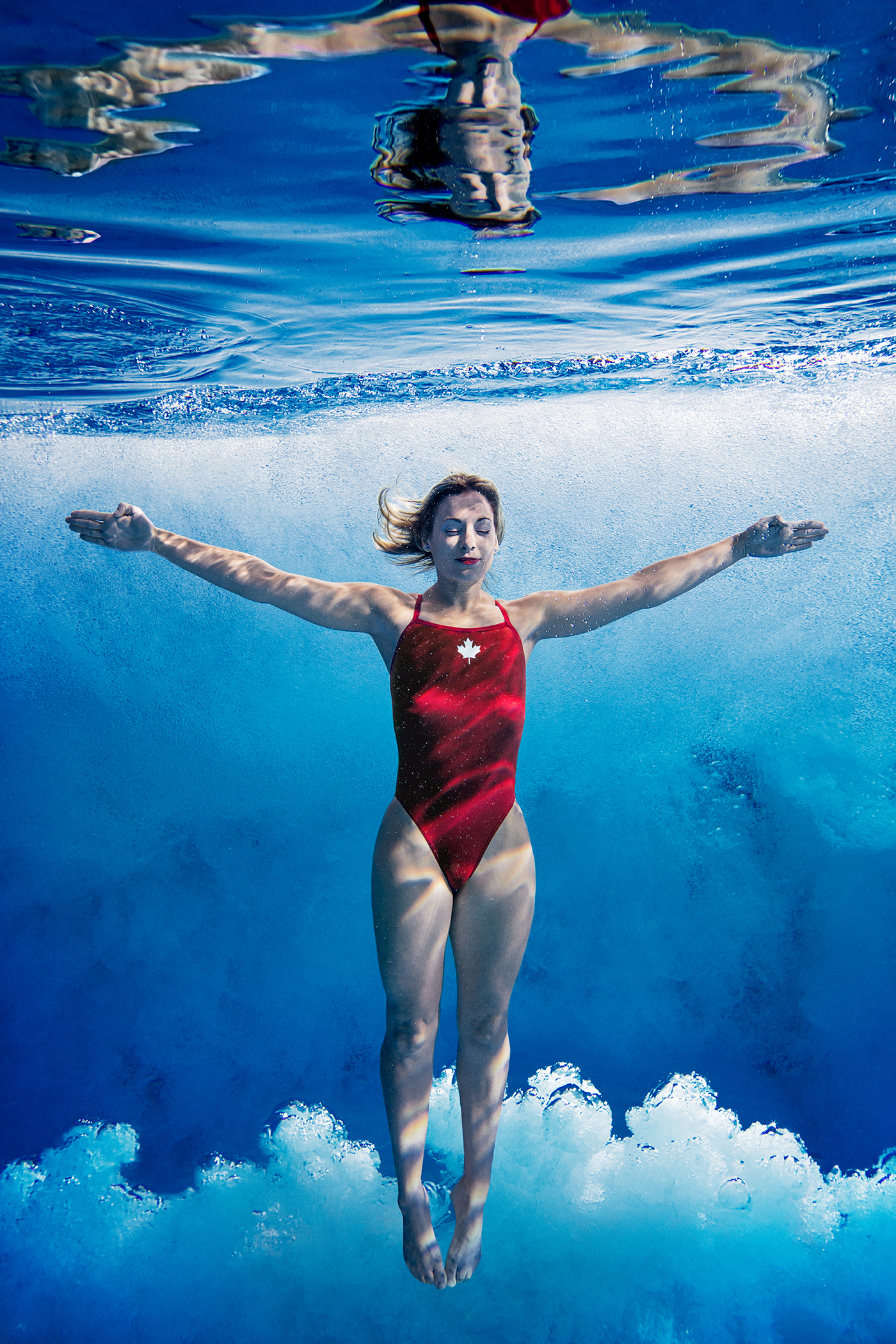
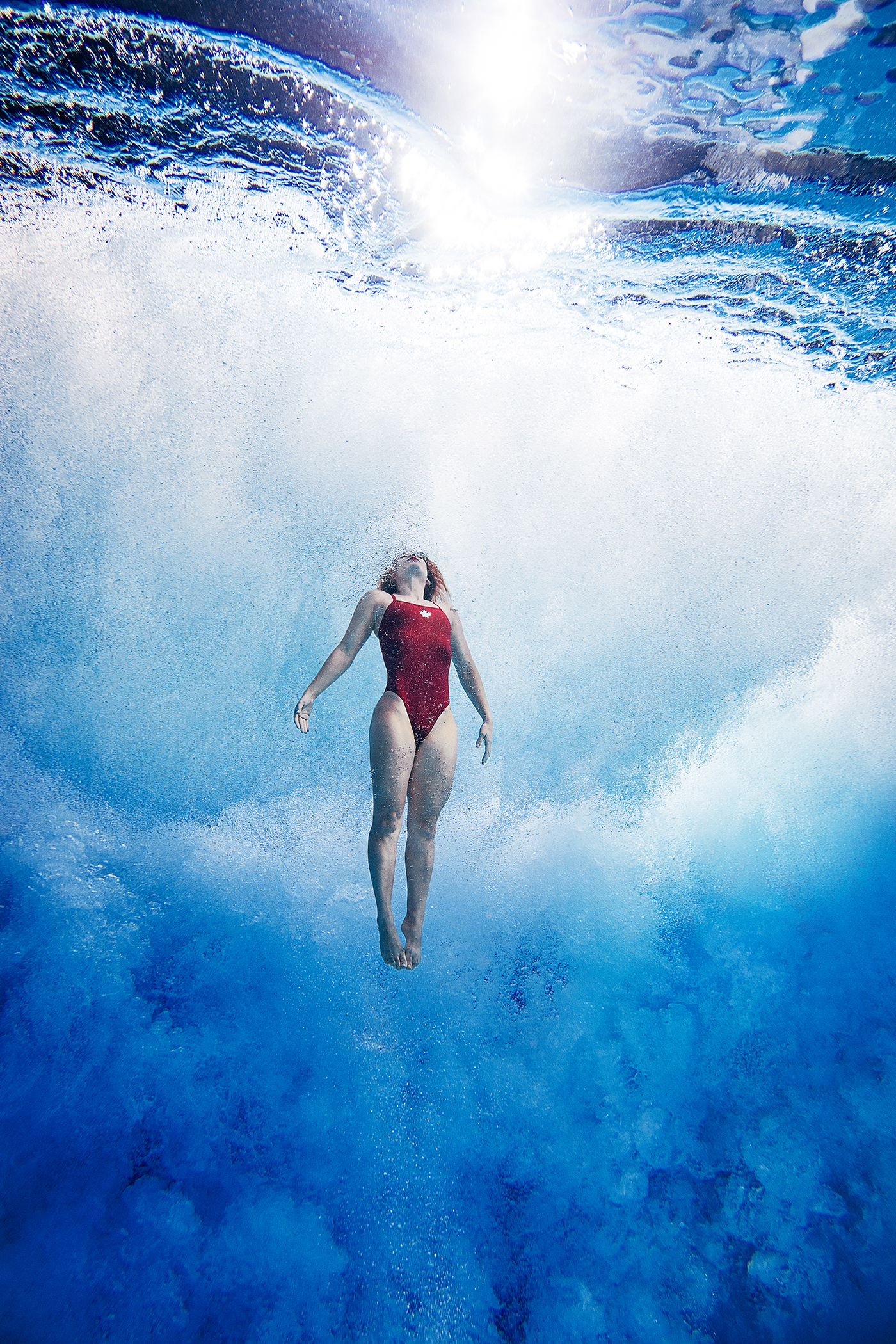
This small image session of cliff-jumper champion Lysanne Richard says a lot about photography skills of Felix Renaud

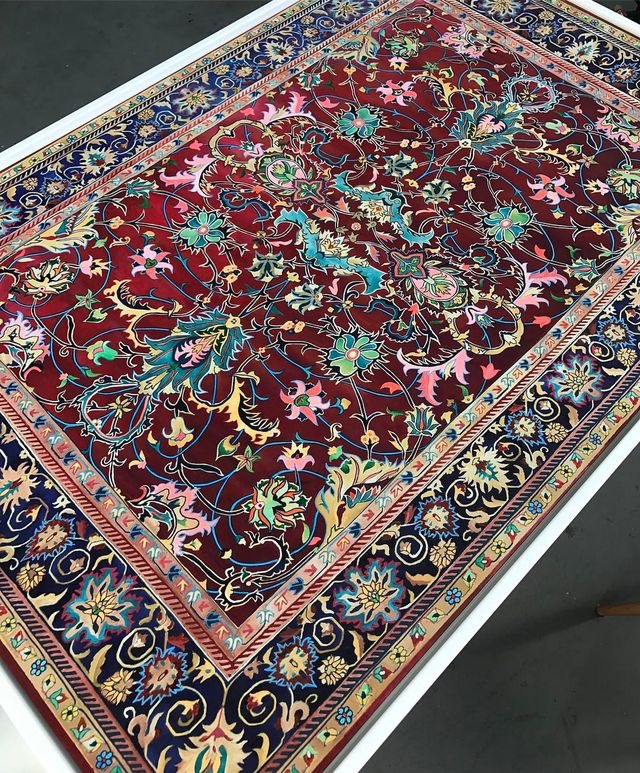
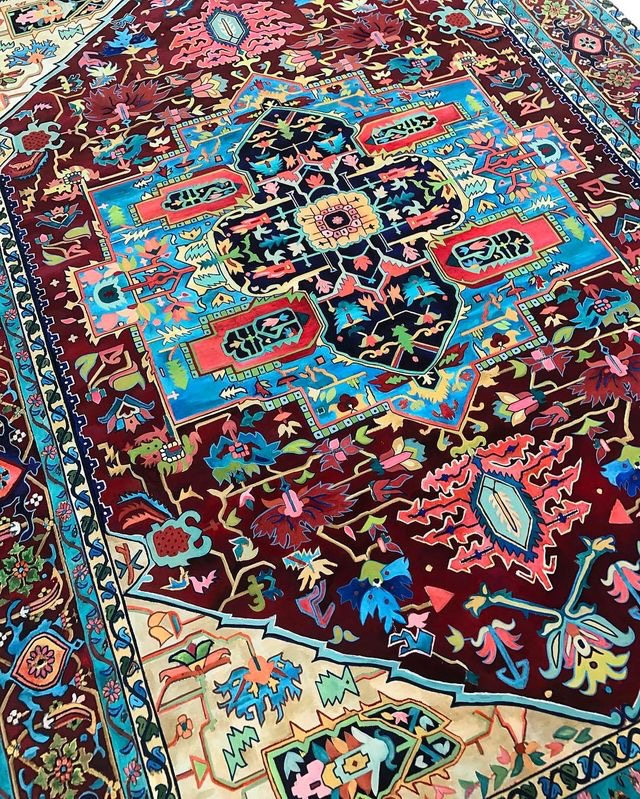
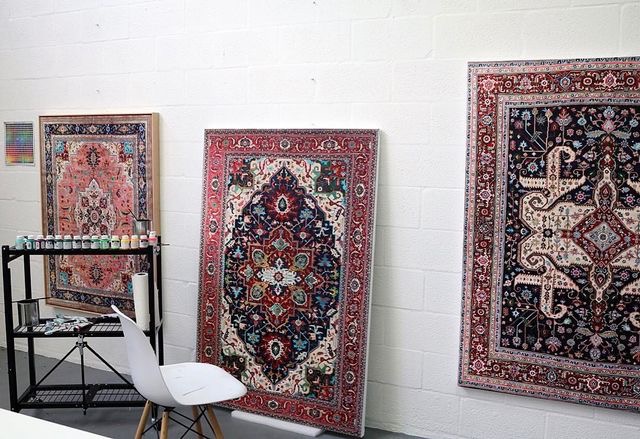
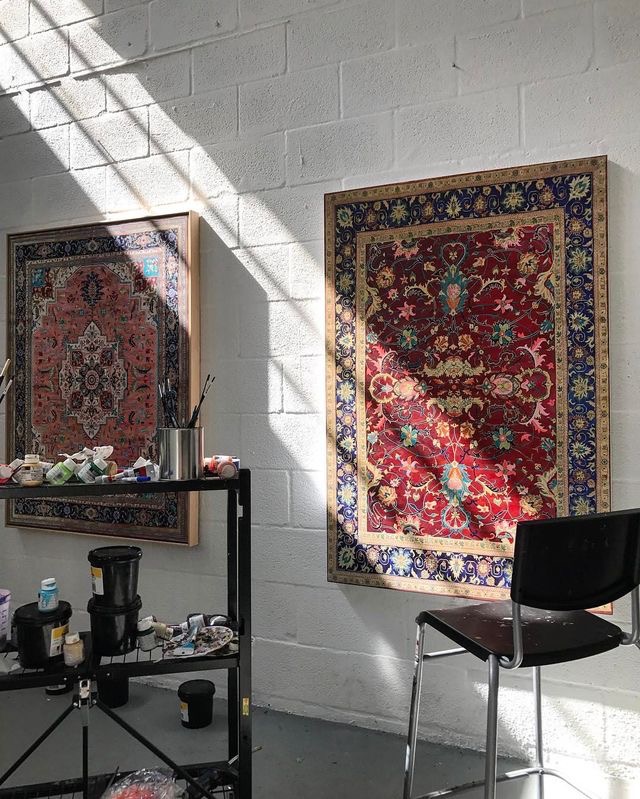
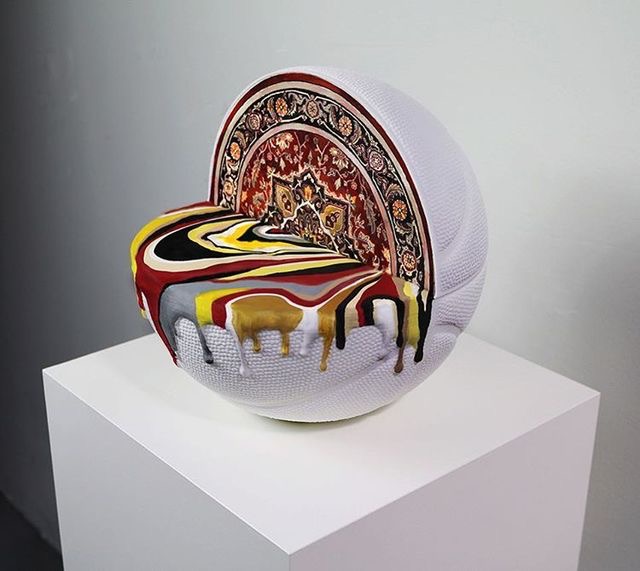
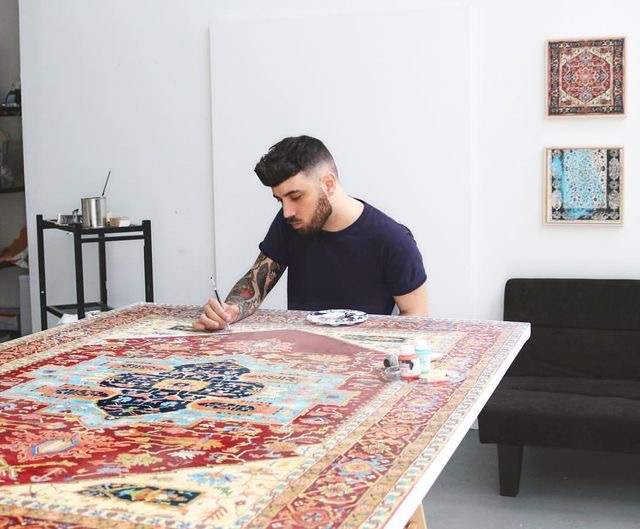
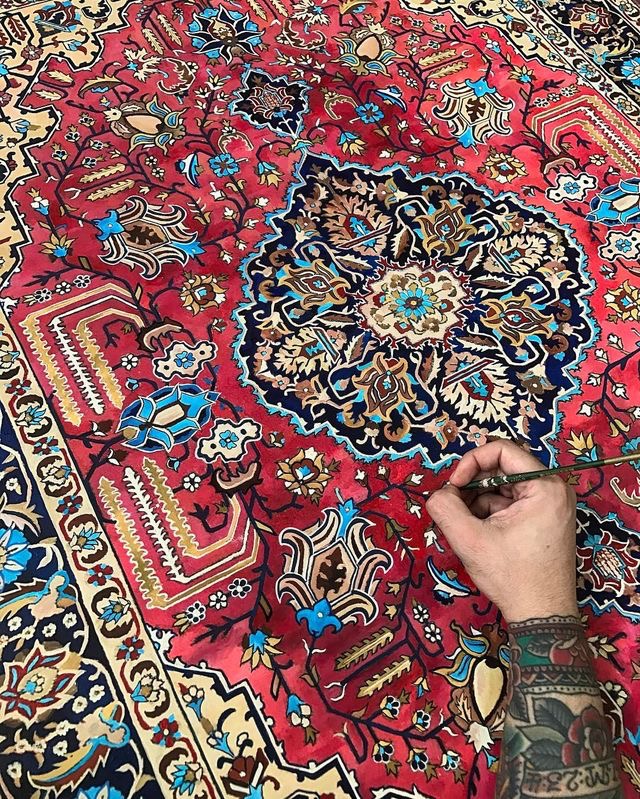
In this new series of paintings, Miami-based artist Jason Seife deftly renders the intricate patterns of old Persian carpets with a mixture of acrylic and ink. While the paintings utilize familiar motifs in rug design like leaves and geometric shapes, Seife introduces colors not normally associated with the heavy textiles, creating his own interpretations that reflect his mood or thoughts while executing the painting.
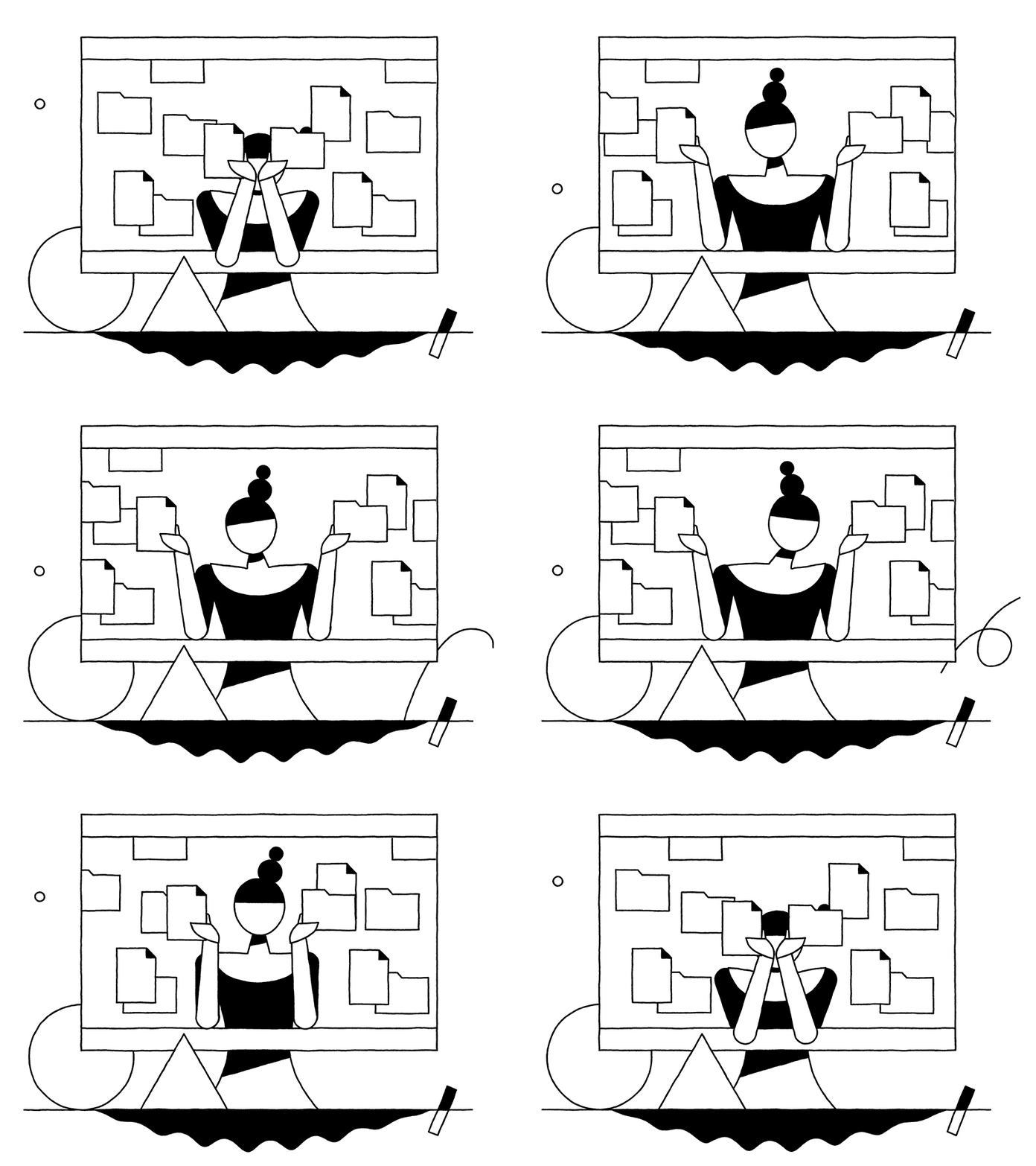
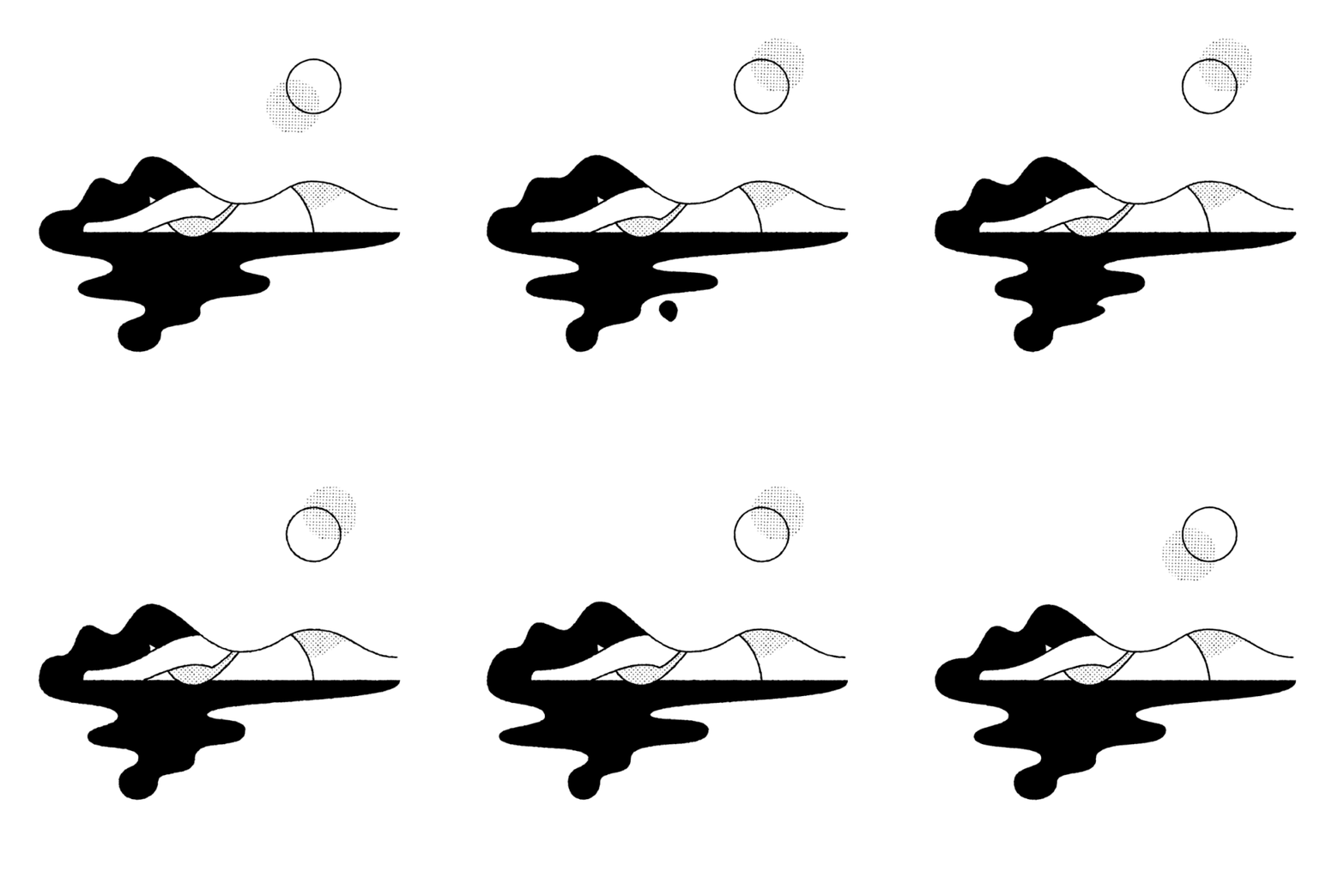
"Amsterdam based illustrator and graphic designer Timo Kuilder creates visual identities, websites, illustrations, as well as animations. His art is characterised by simple, synthetic shapes that enhance the conceptual aspect of his work. Kuilder also combines his personal work with commercial commissions. His clients include Monocle, Adobe, Bloomberg, De Correspondent and WeTransfer. Besides, the artist often creates an animated version as well as GIFS of his illustrations."
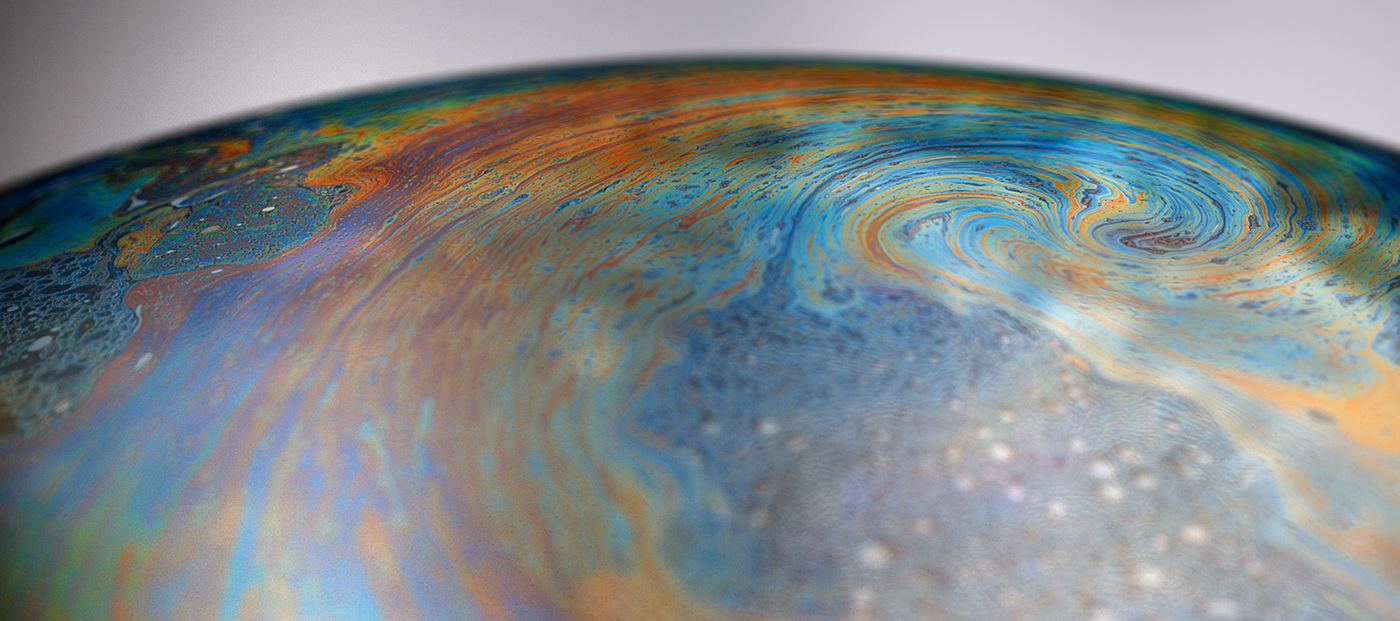
"Technicolor nebula swirl like cyclones across a sub-atomic realm. An endless stream of geometries sequence through the stratification of an atmospheric order that signals life. This is the primordial inception of a new world, in a preternatural cosmos."

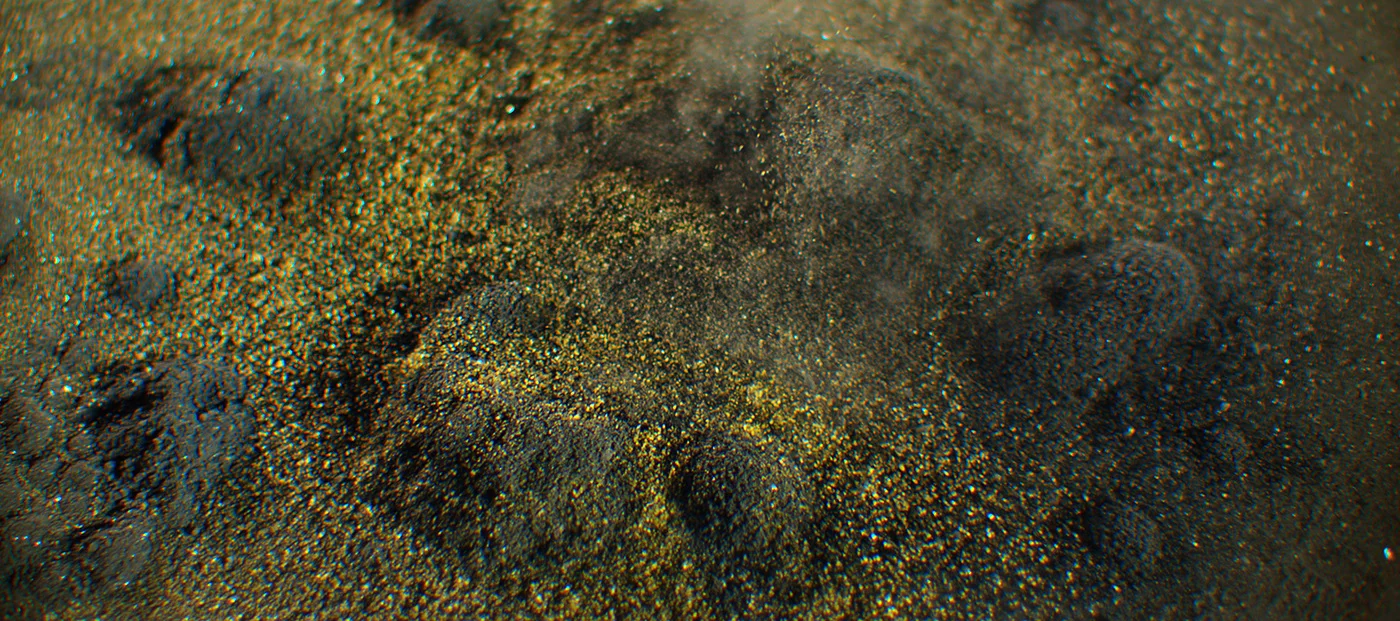
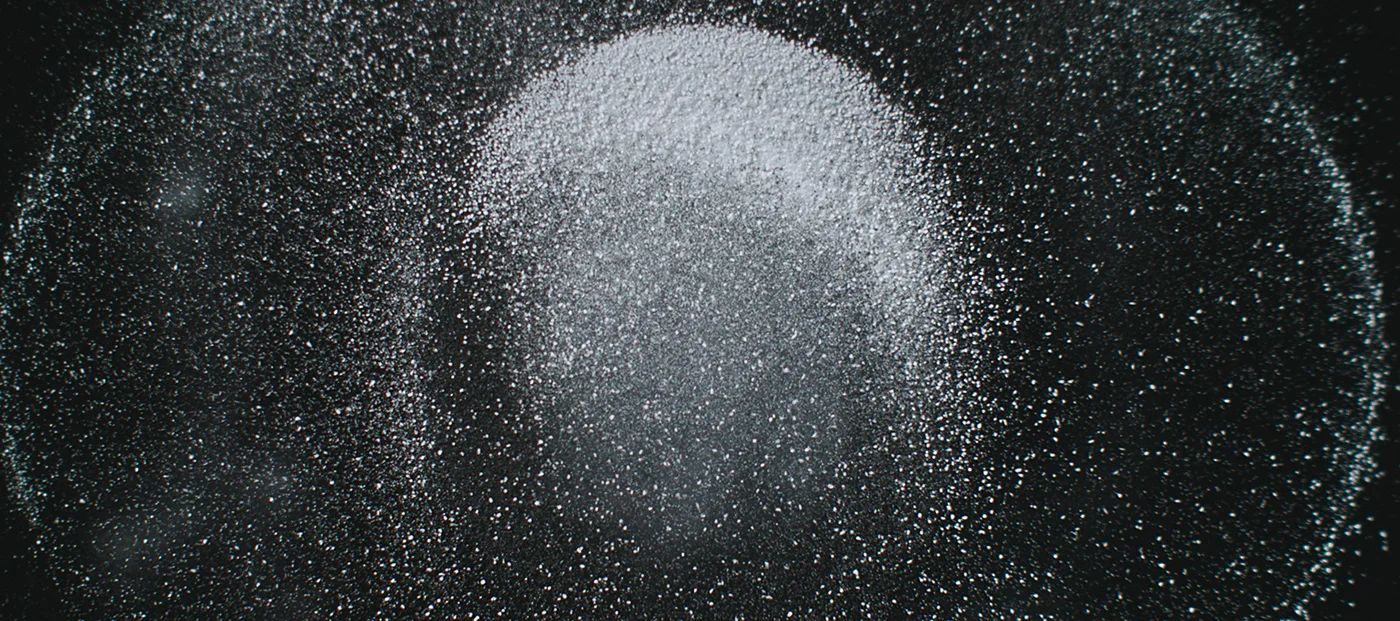
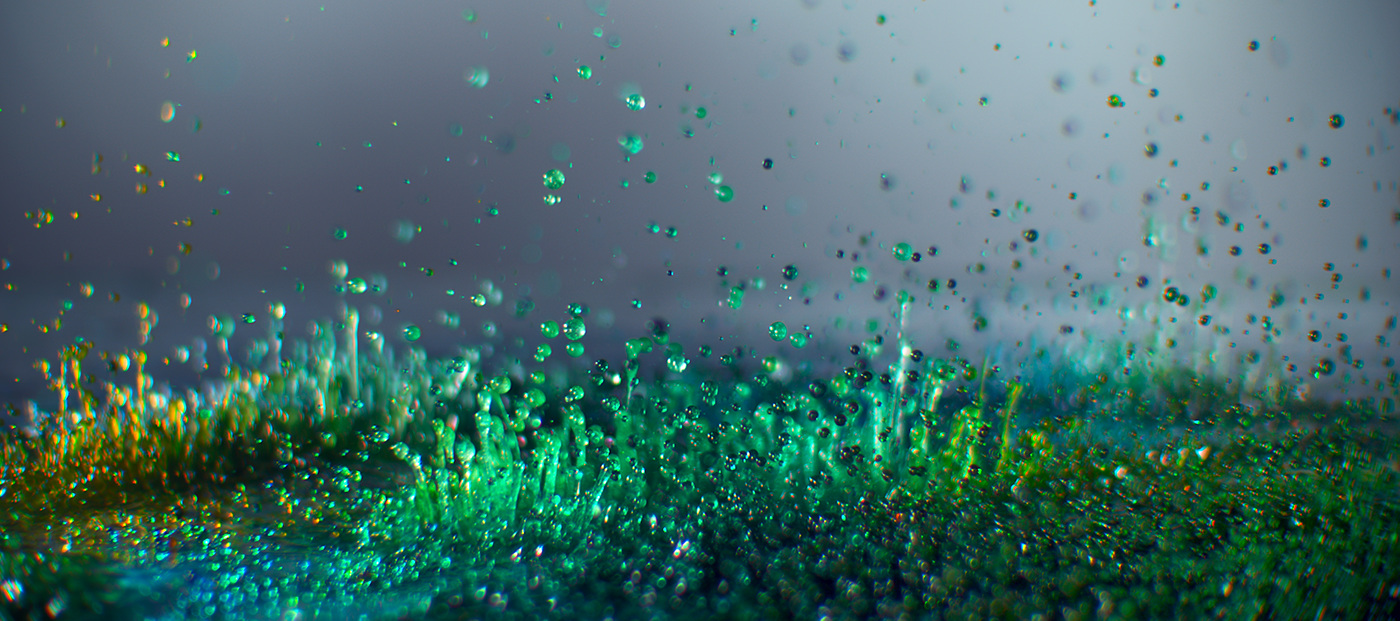

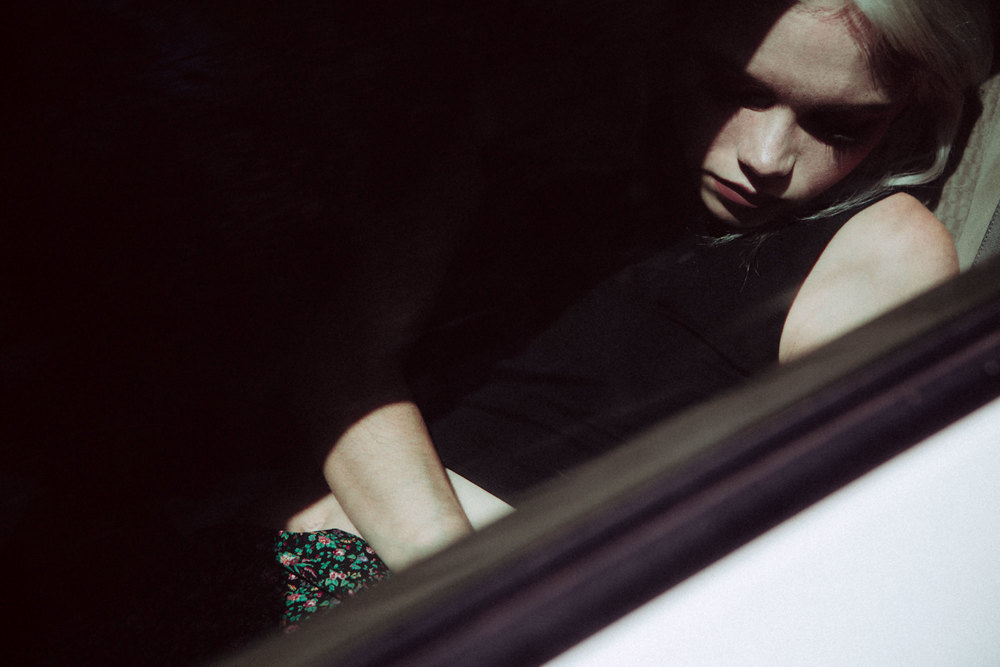
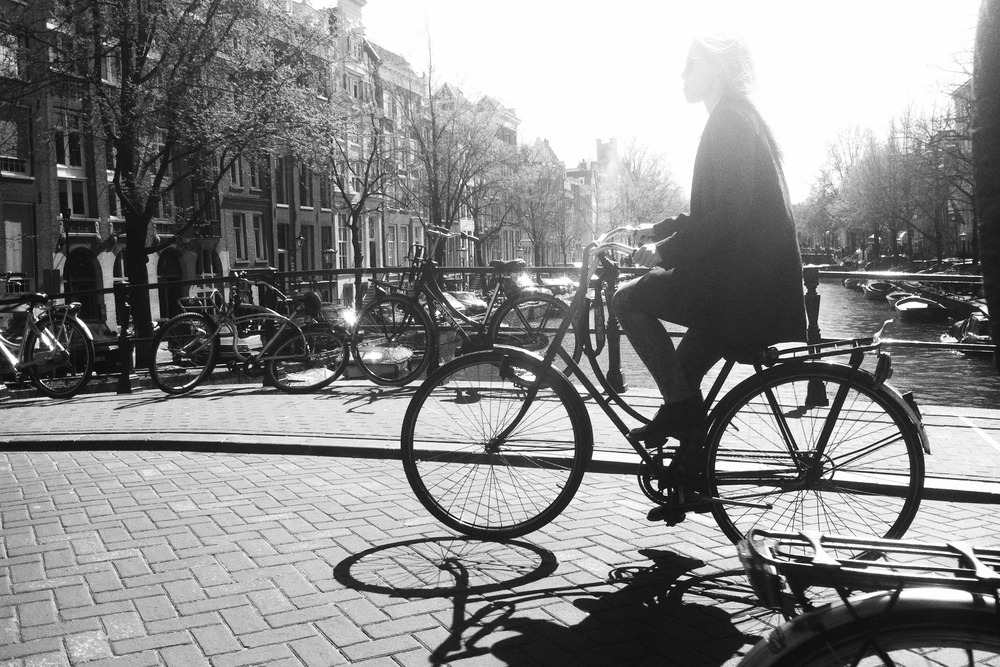
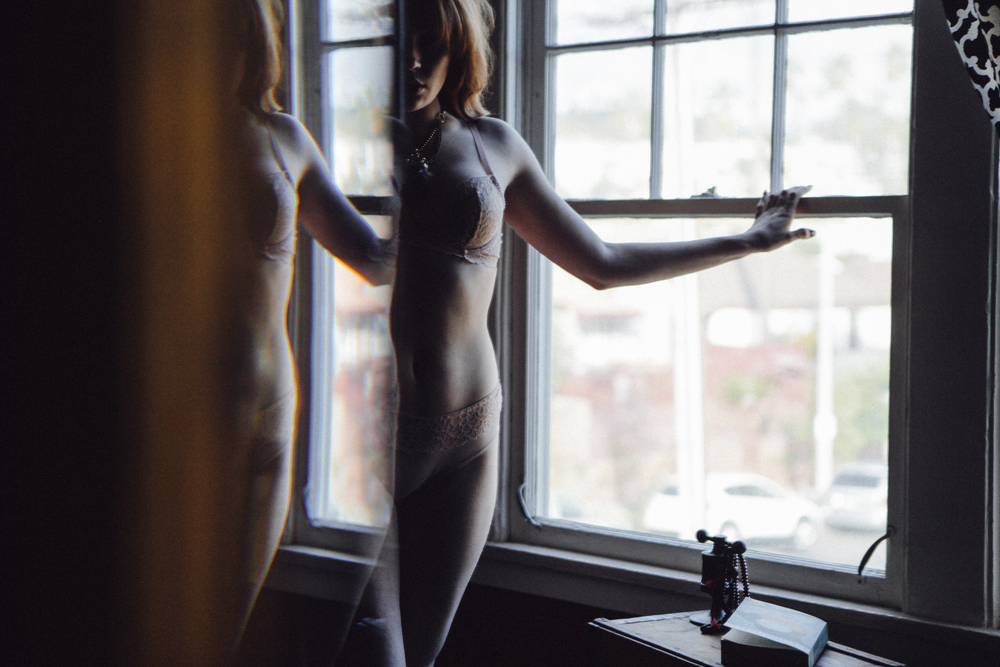
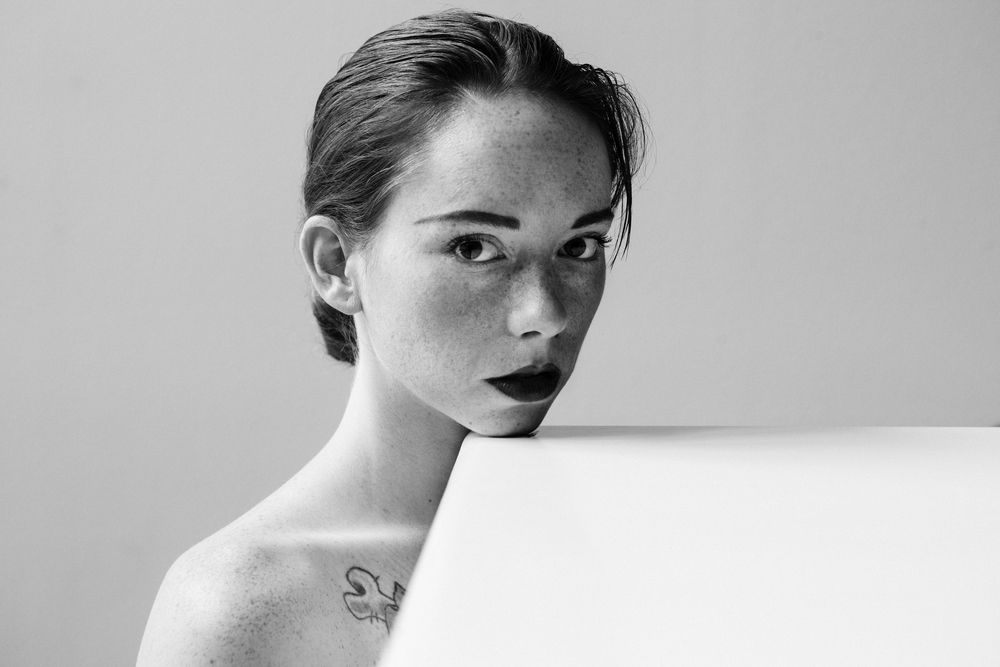
Started as a model and a self-portrait artist Hattie Watson transformed into full-body documentary and portrait photographer ready to take off for the next venture behind the lens of her camera
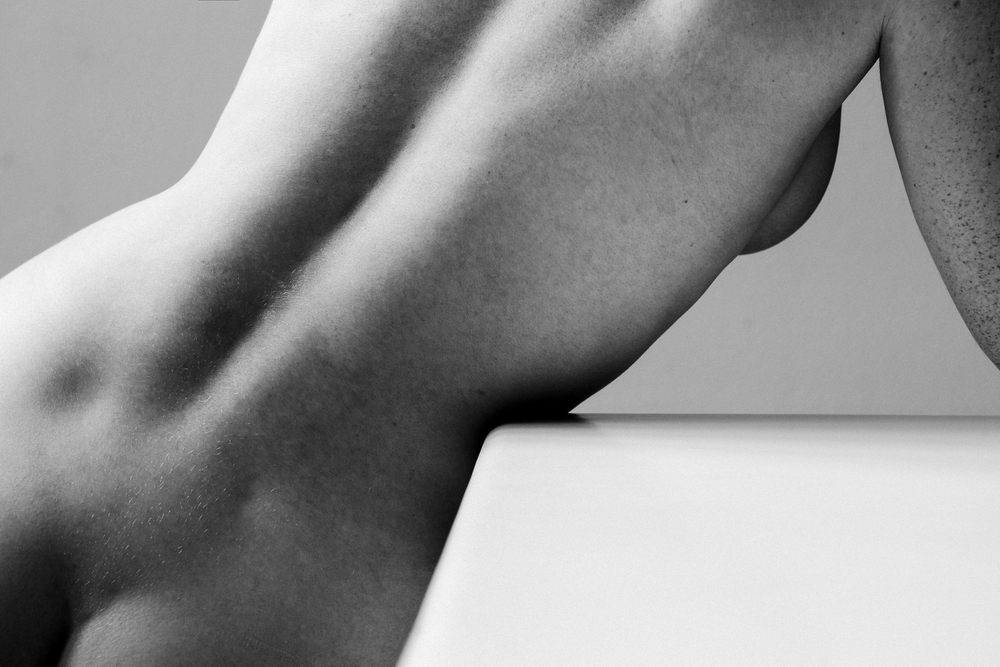
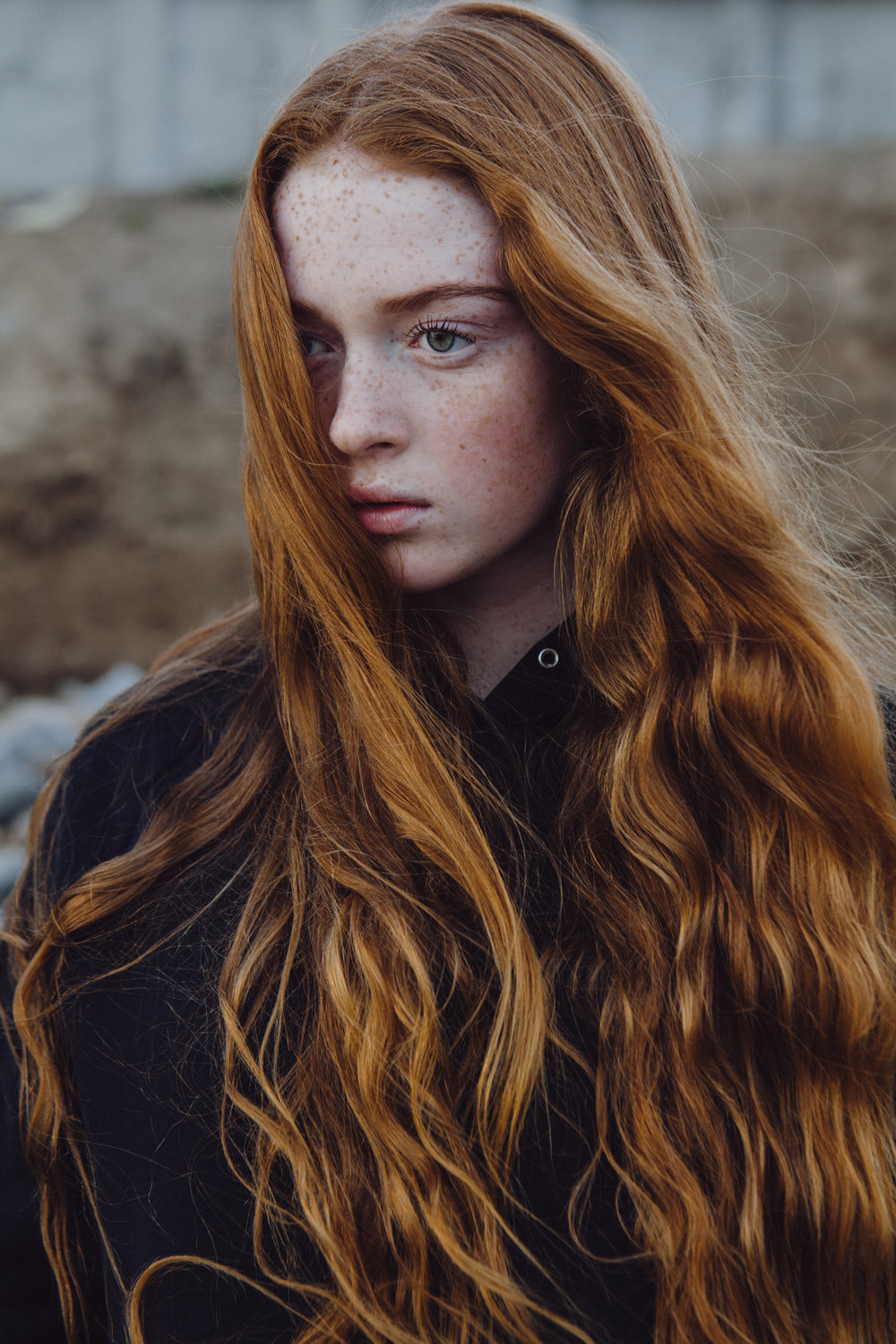
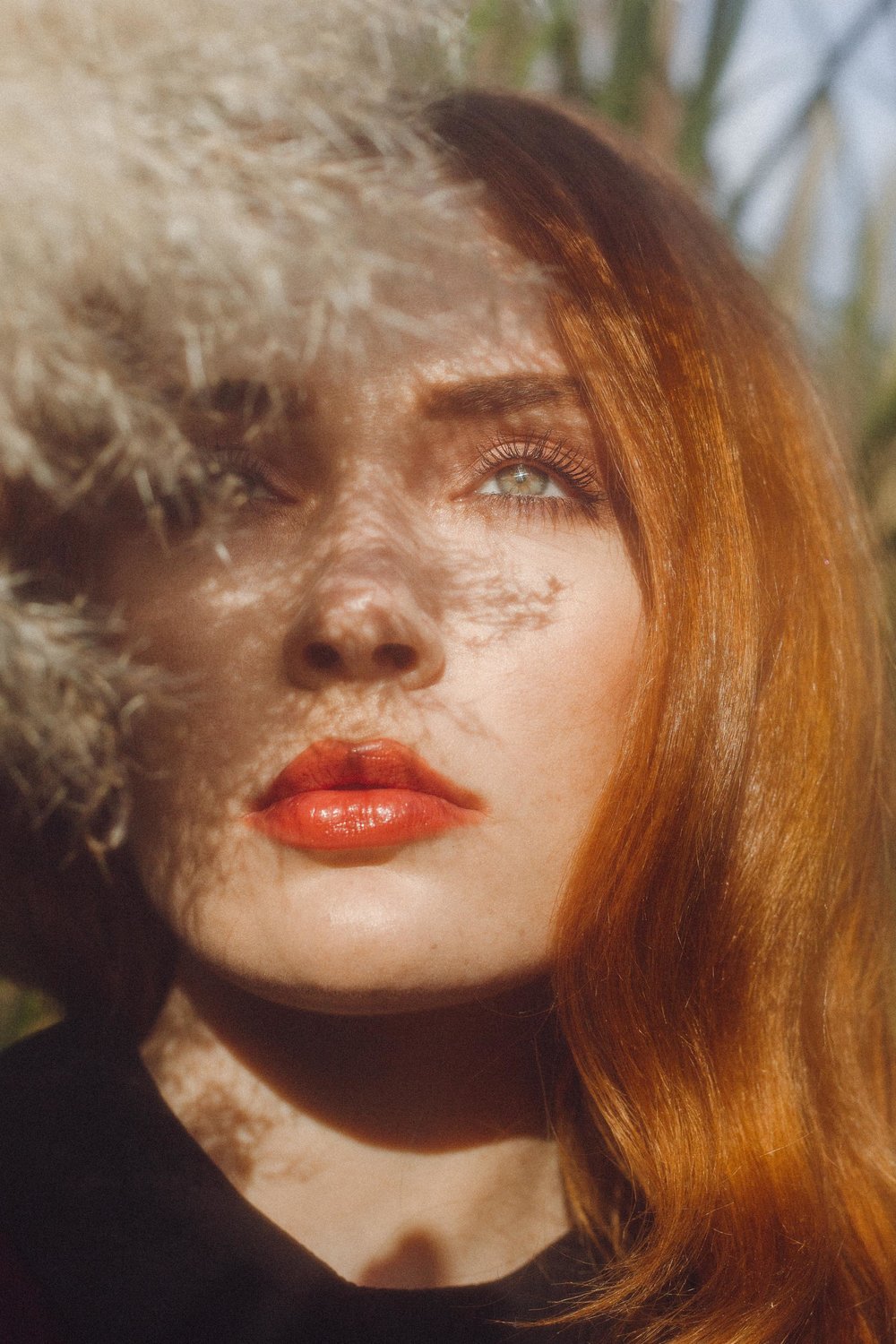
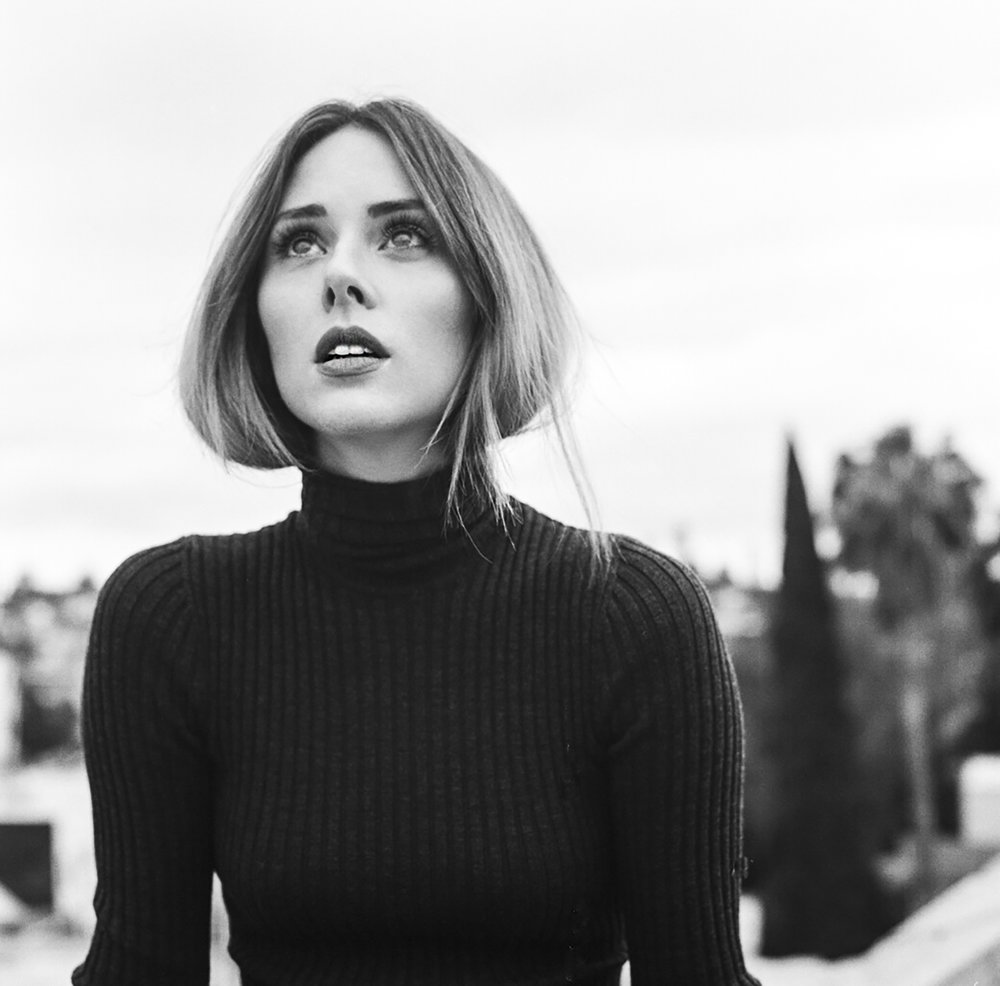
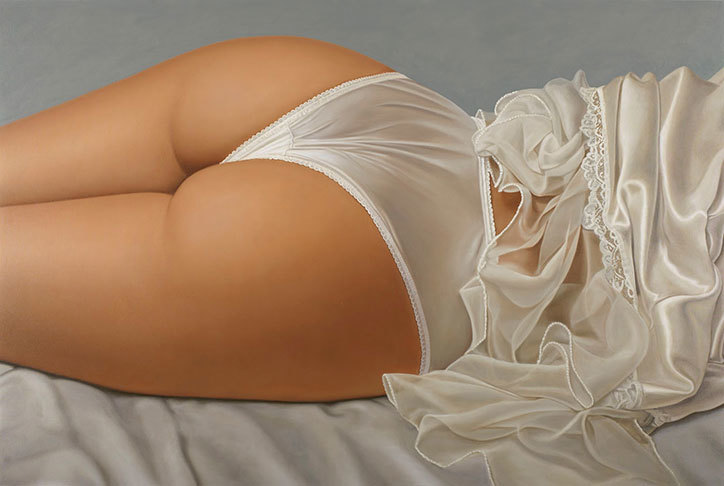
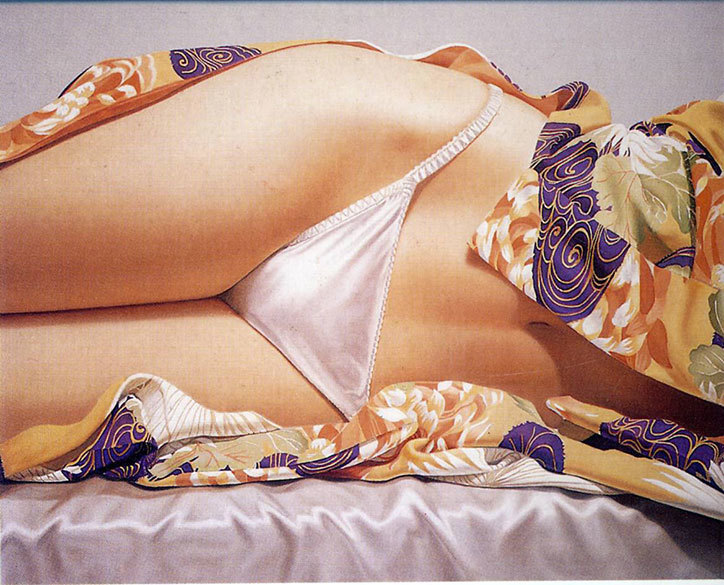
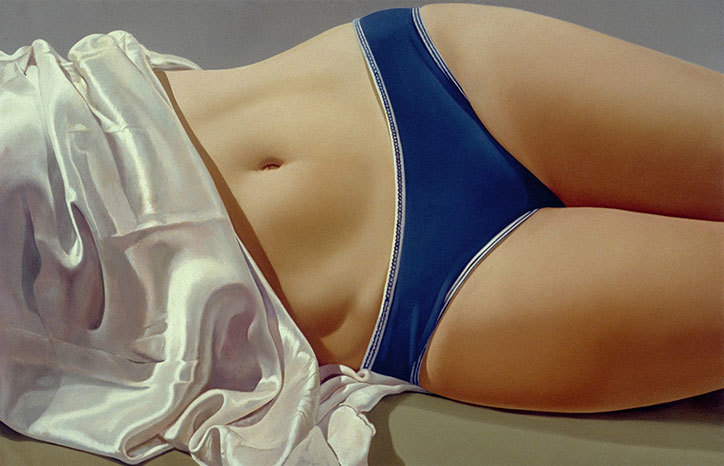
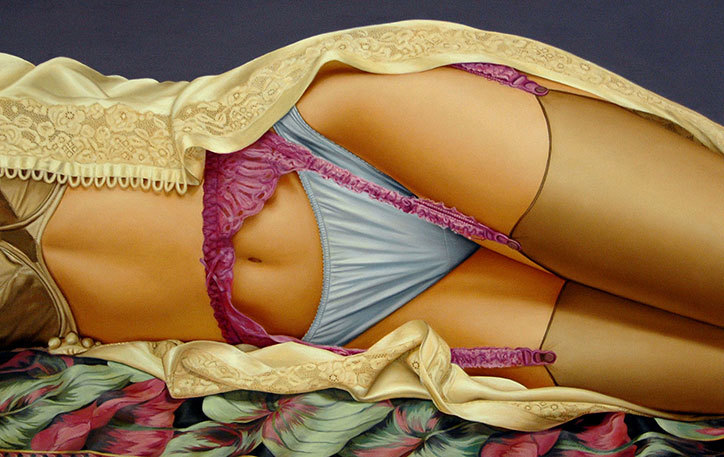
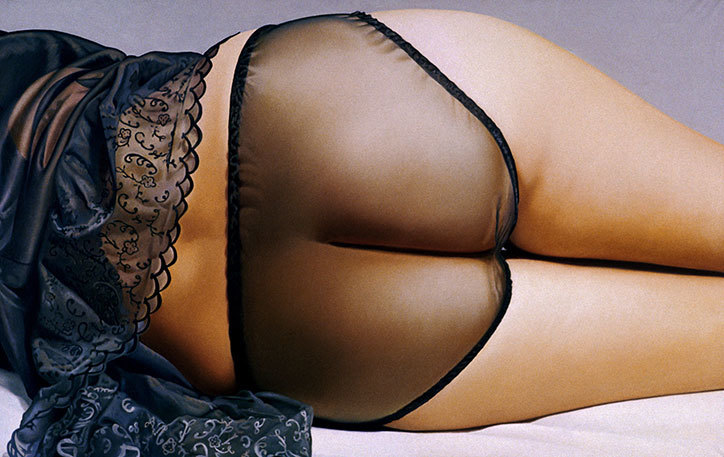
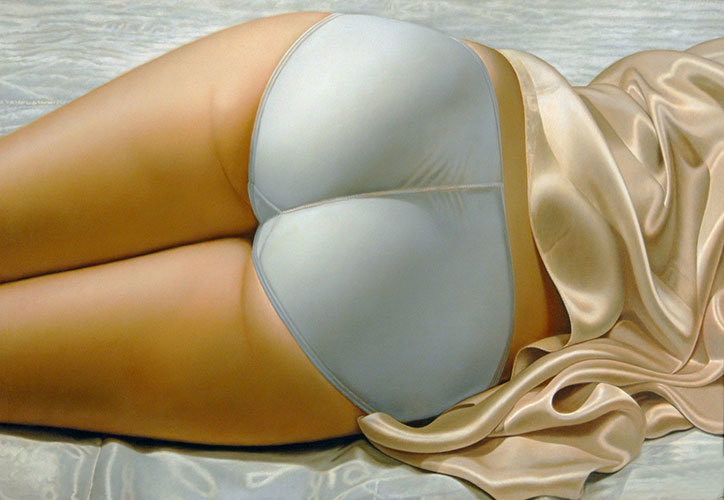
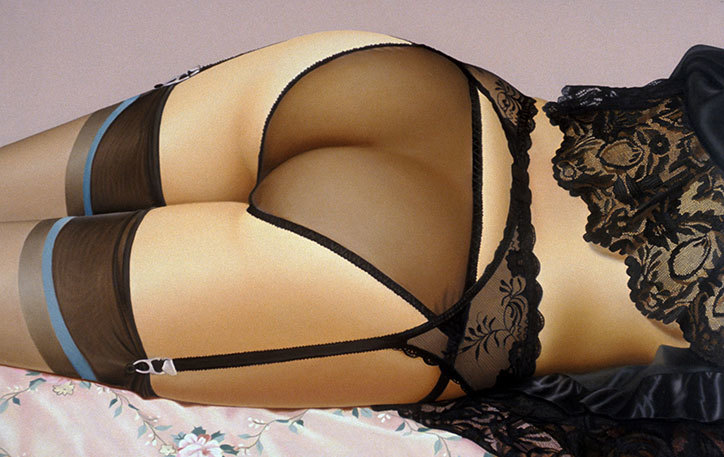
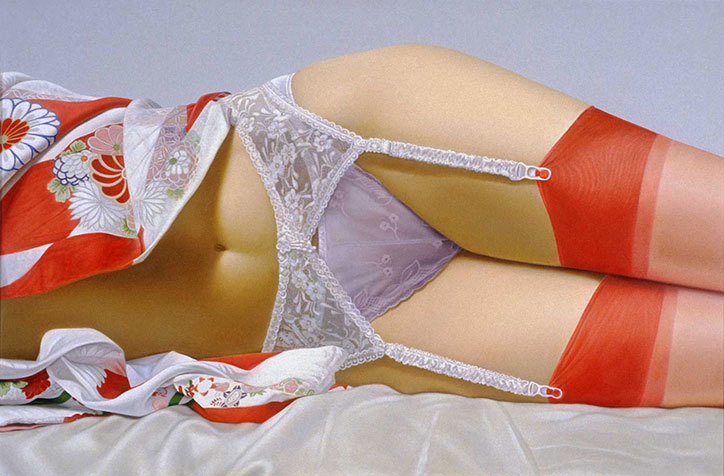
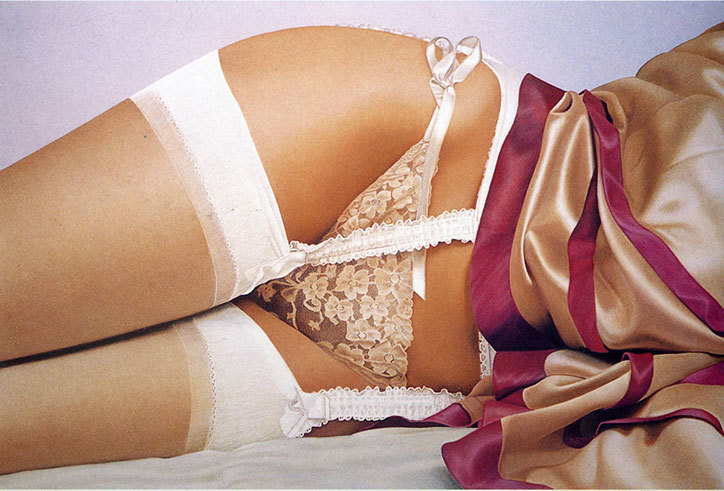
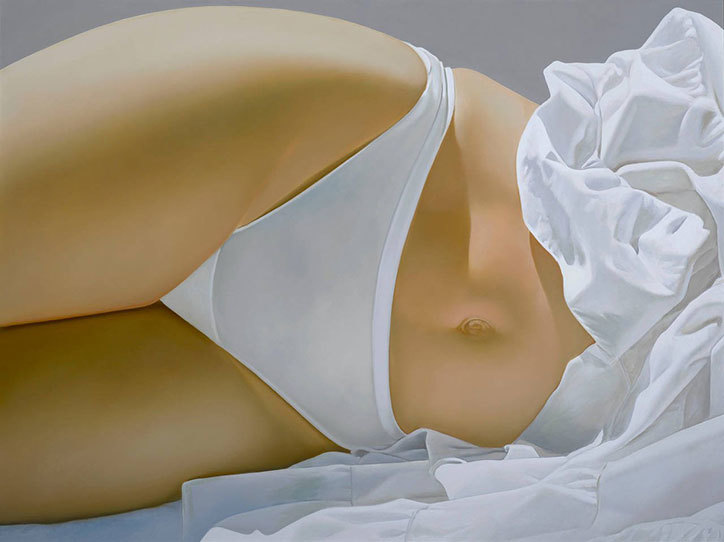
"John C. Kacere was an American artist. Originally an abstract expressionist, Kacere adopted a photorealist style in 1963. Nearly all of his photorealist paintings depict the midsection of the female body. The kitsch paintings make for pleasurable viewing, not least for the sexually-charged subject matter. John’s incredibly tuned hyperreal style lends itself to the flawless skin of the idealised Caucasian bodies he paints as well as it does to the slippery silk and satin folds of lingerie and bedsheets. As the curve of each woman’s hips builds a terrain across each canvas, the scantily-clad female form becomes a landscape of sexual possibility."
"50 years on, John’s work feels more contemporary than ever: were the paintings the photos they imitate, it’s easy to picture them riding high on fourth-wave feminism Tumblr and Instagram feeds."
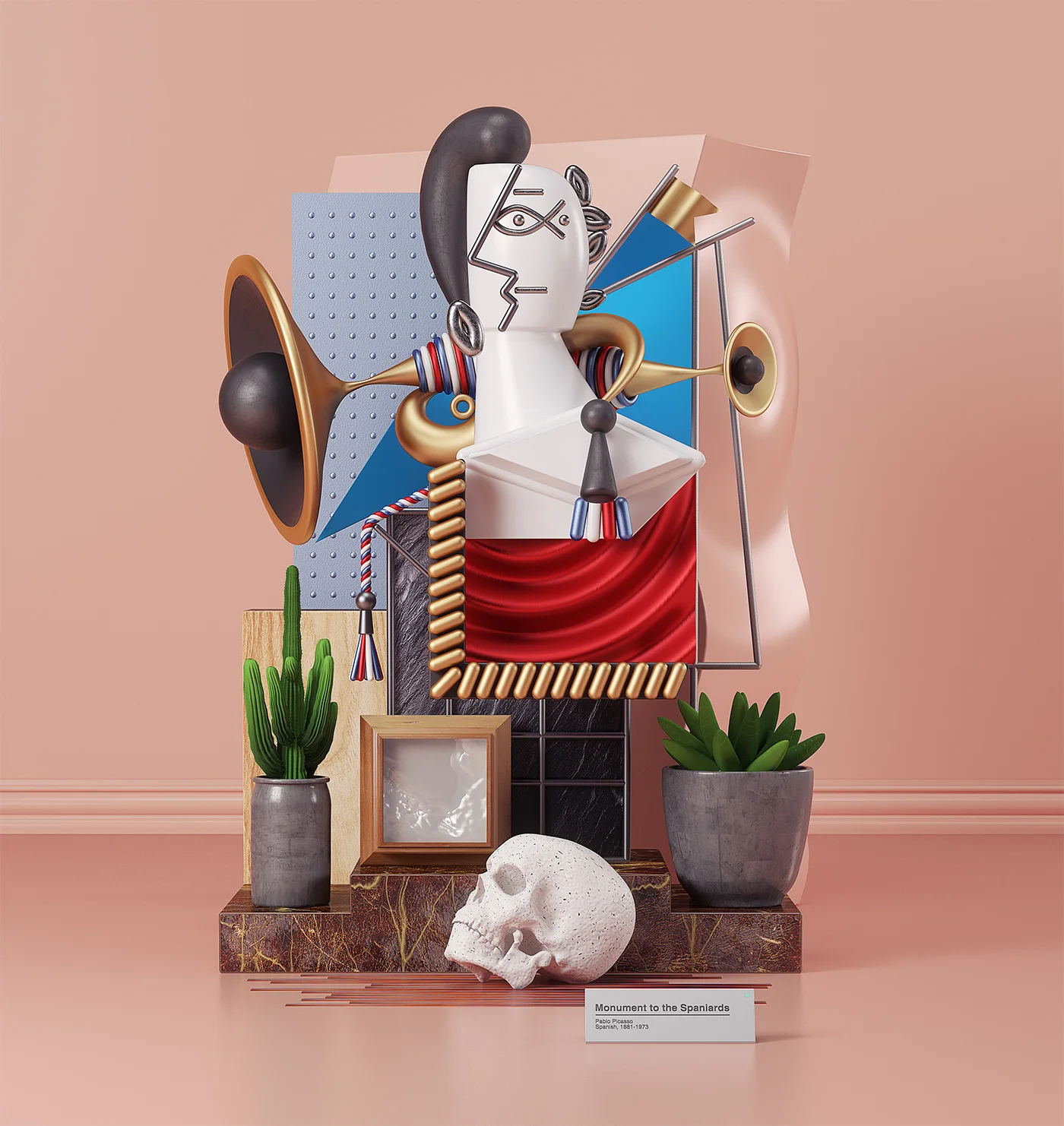
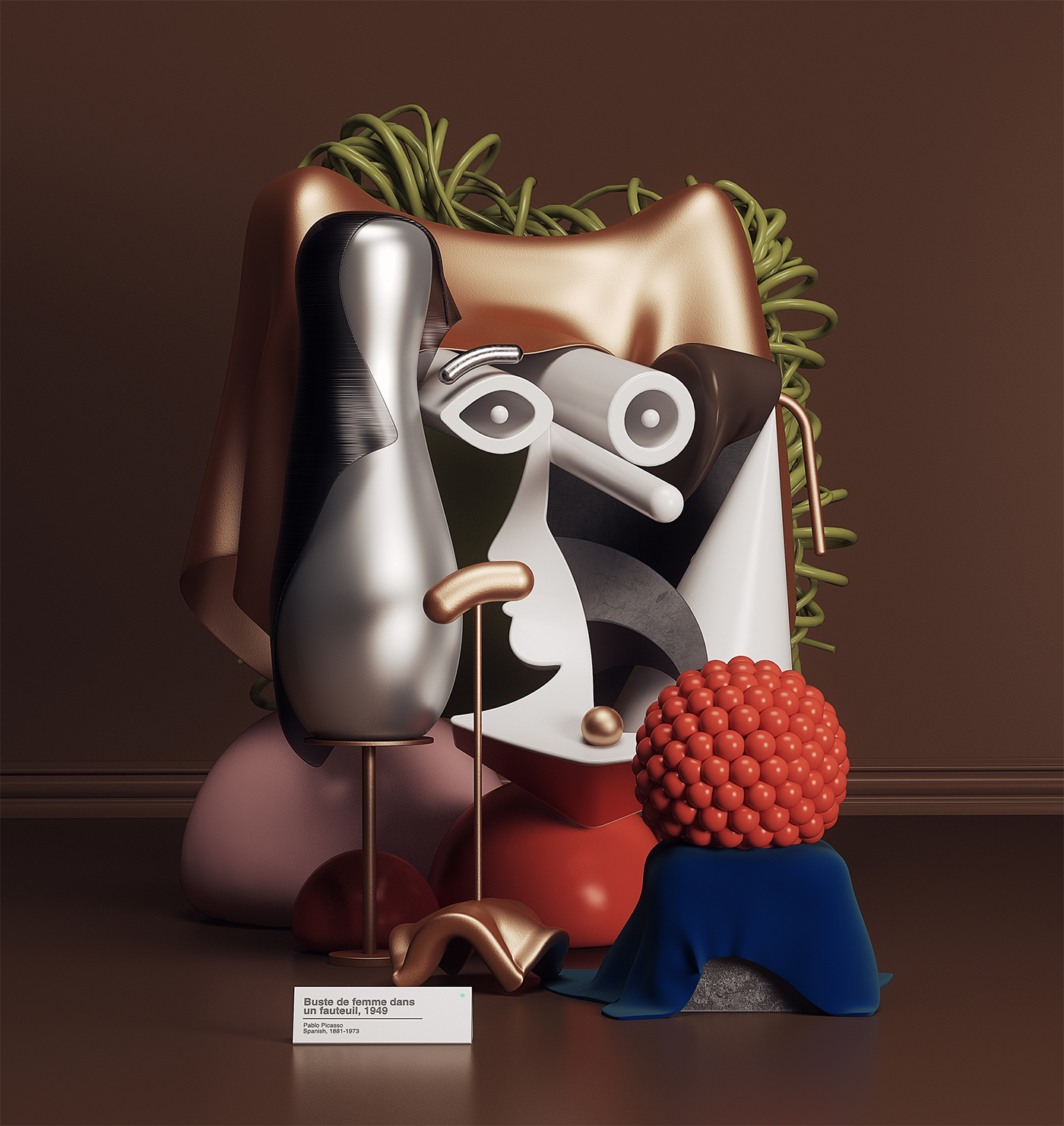
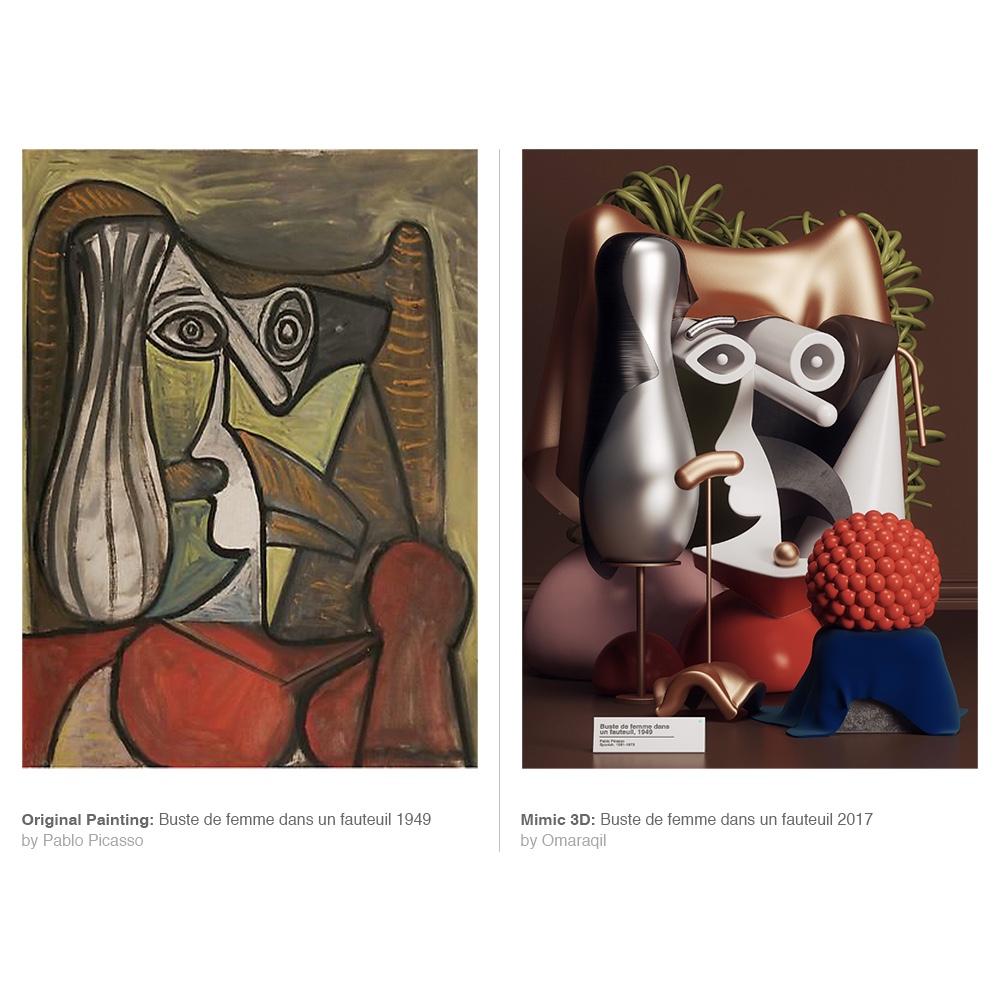
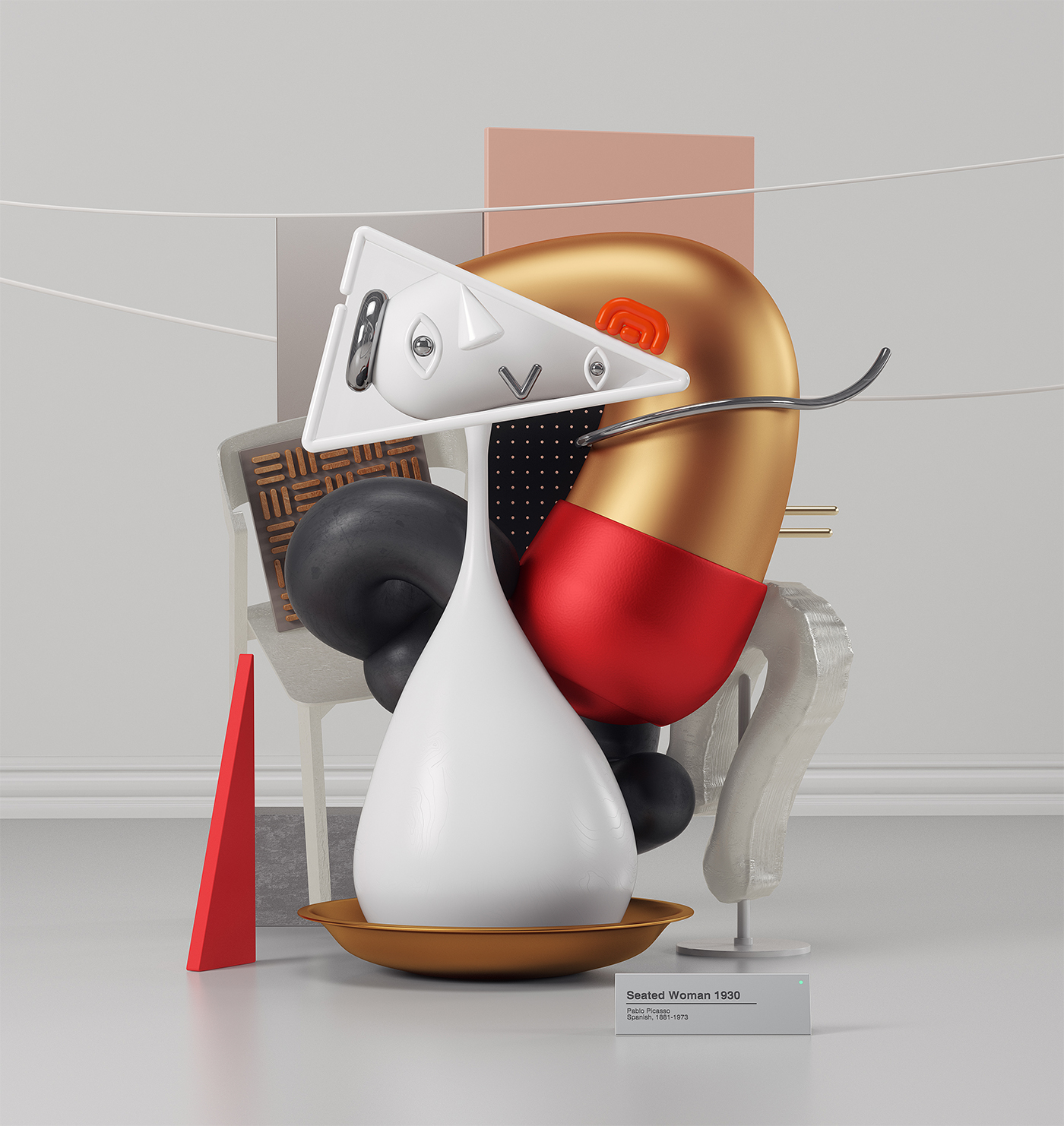
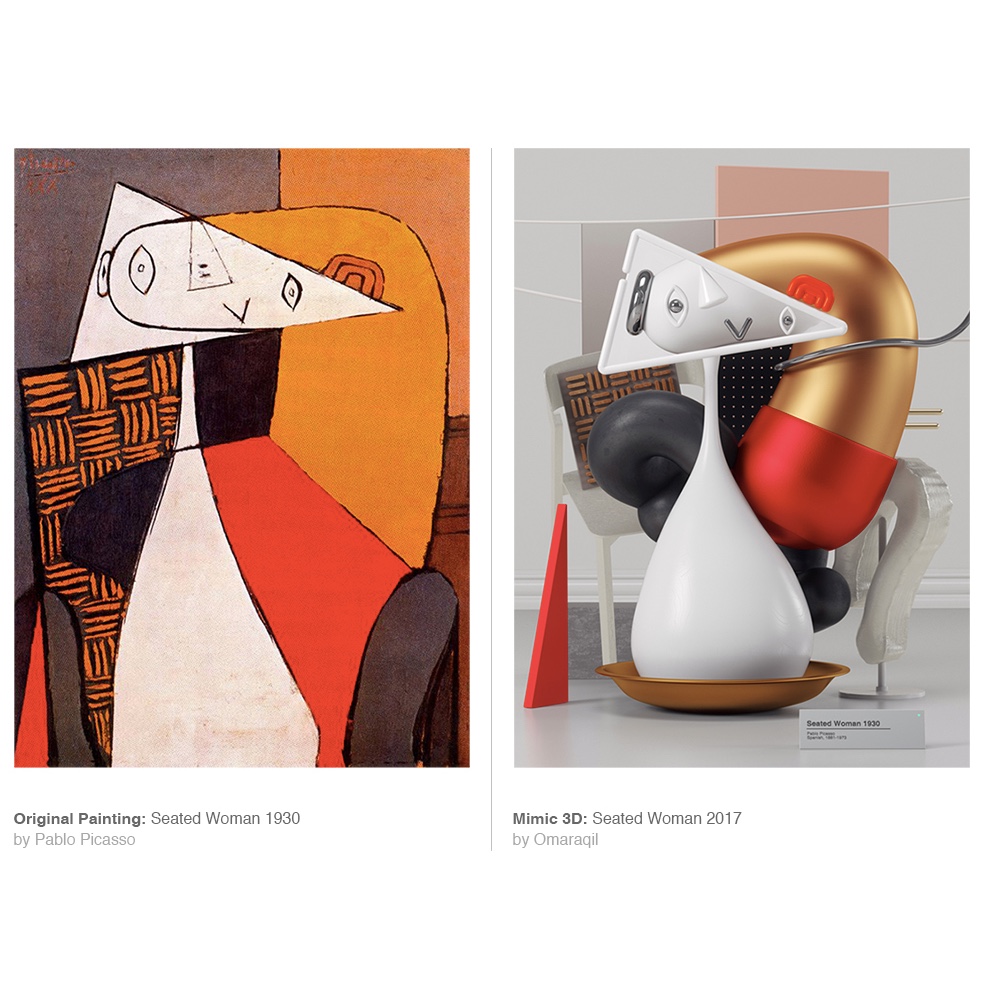
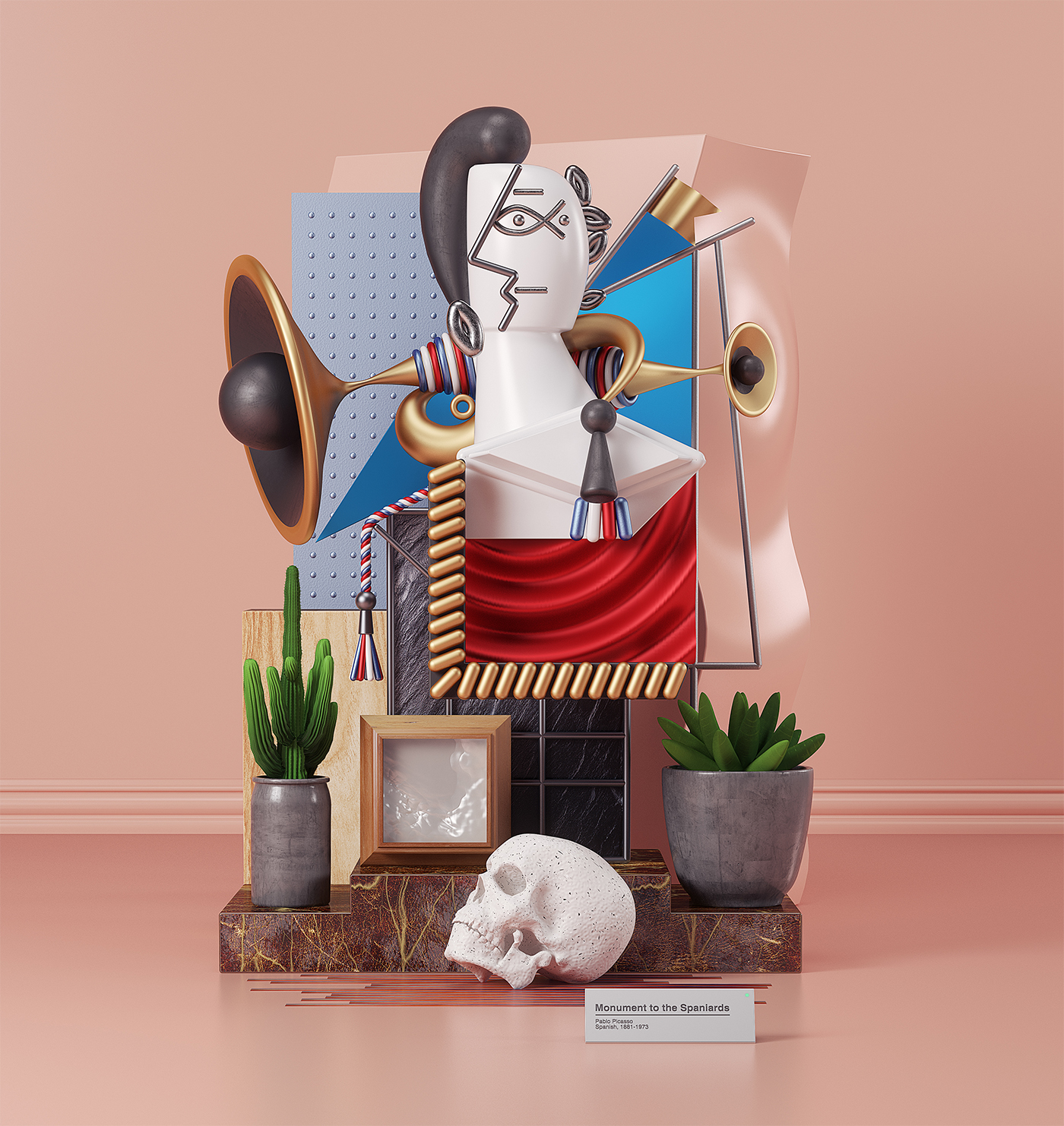
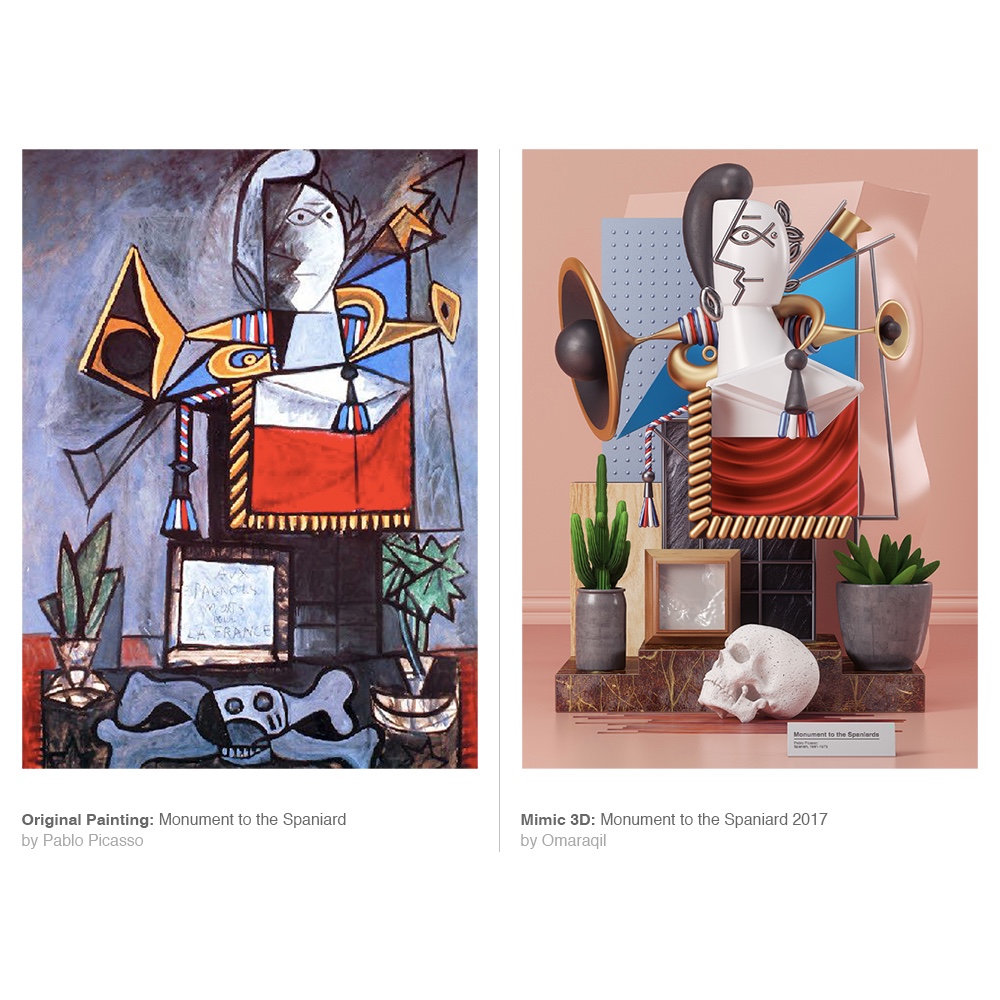
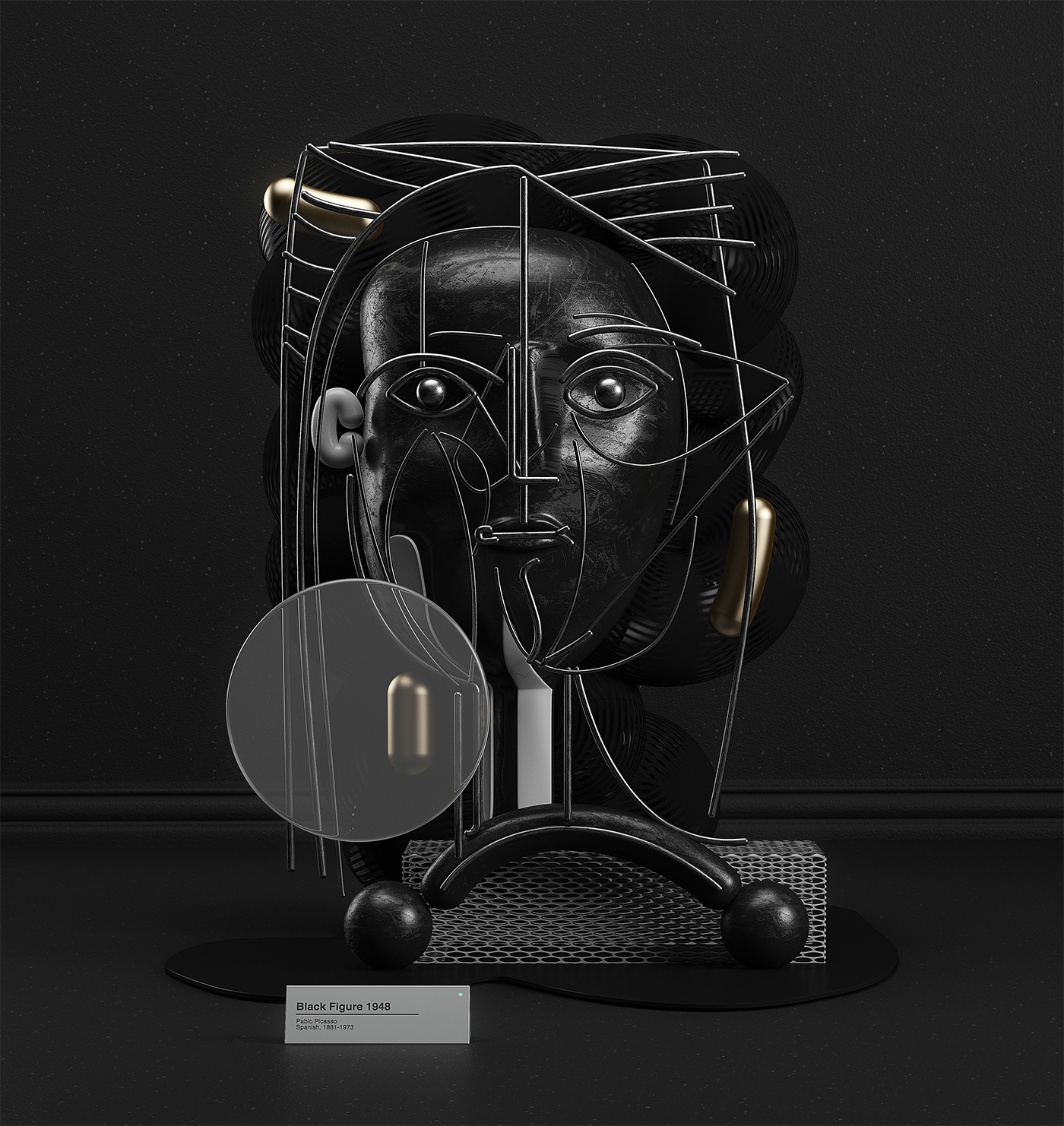
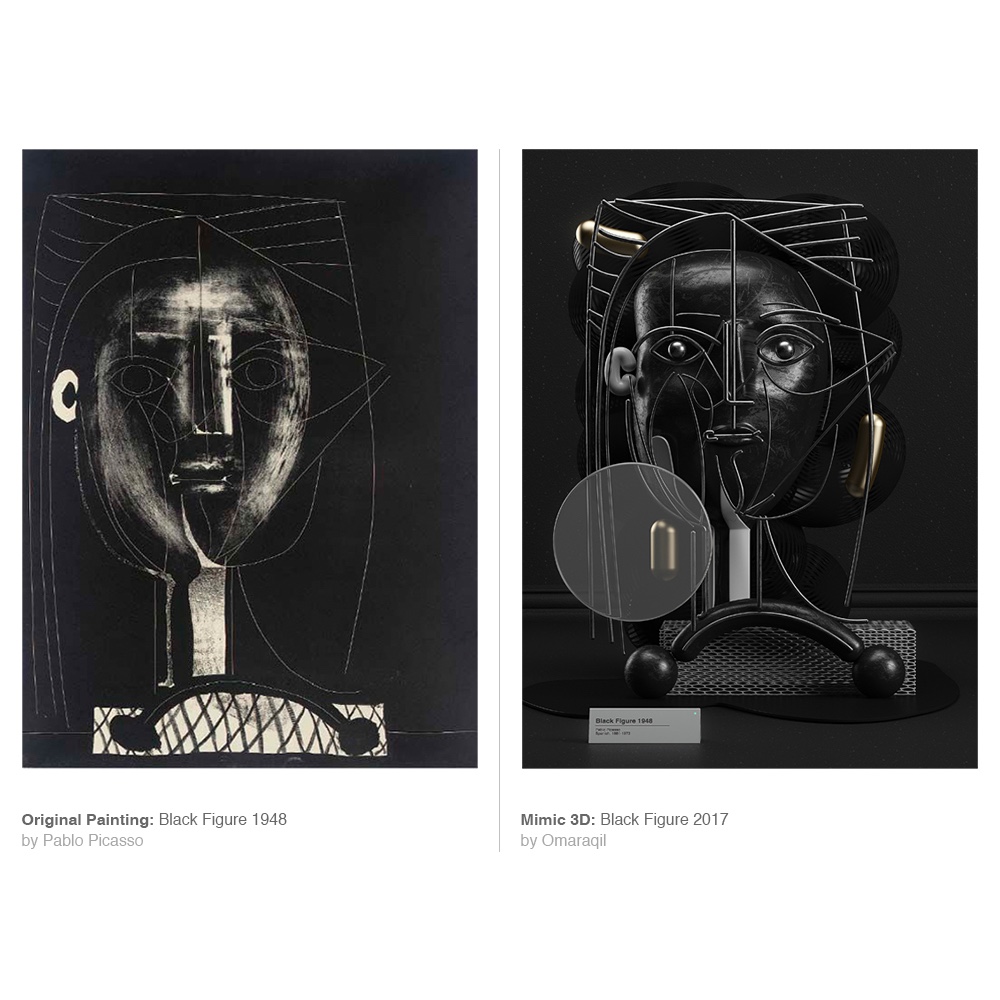
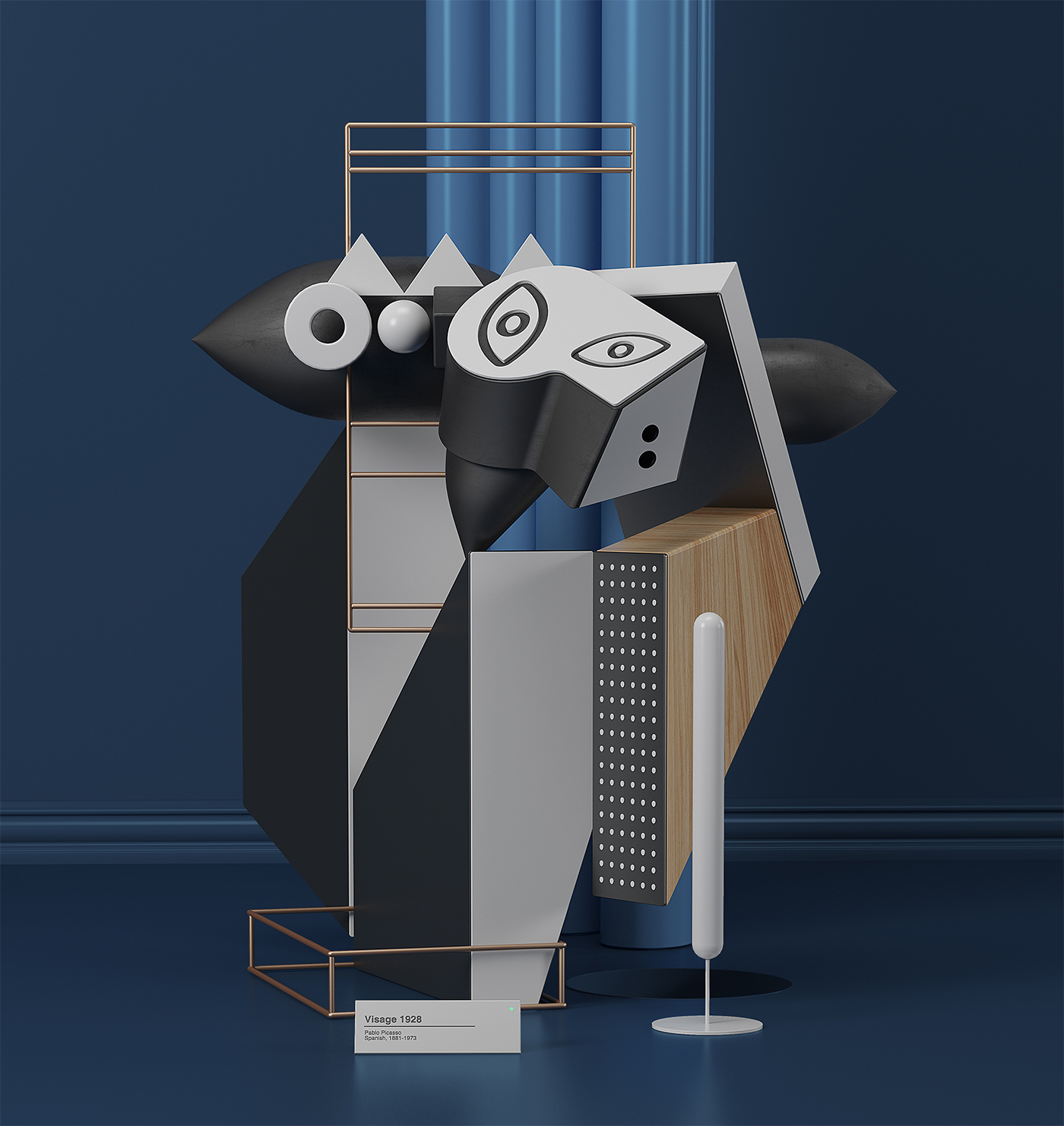
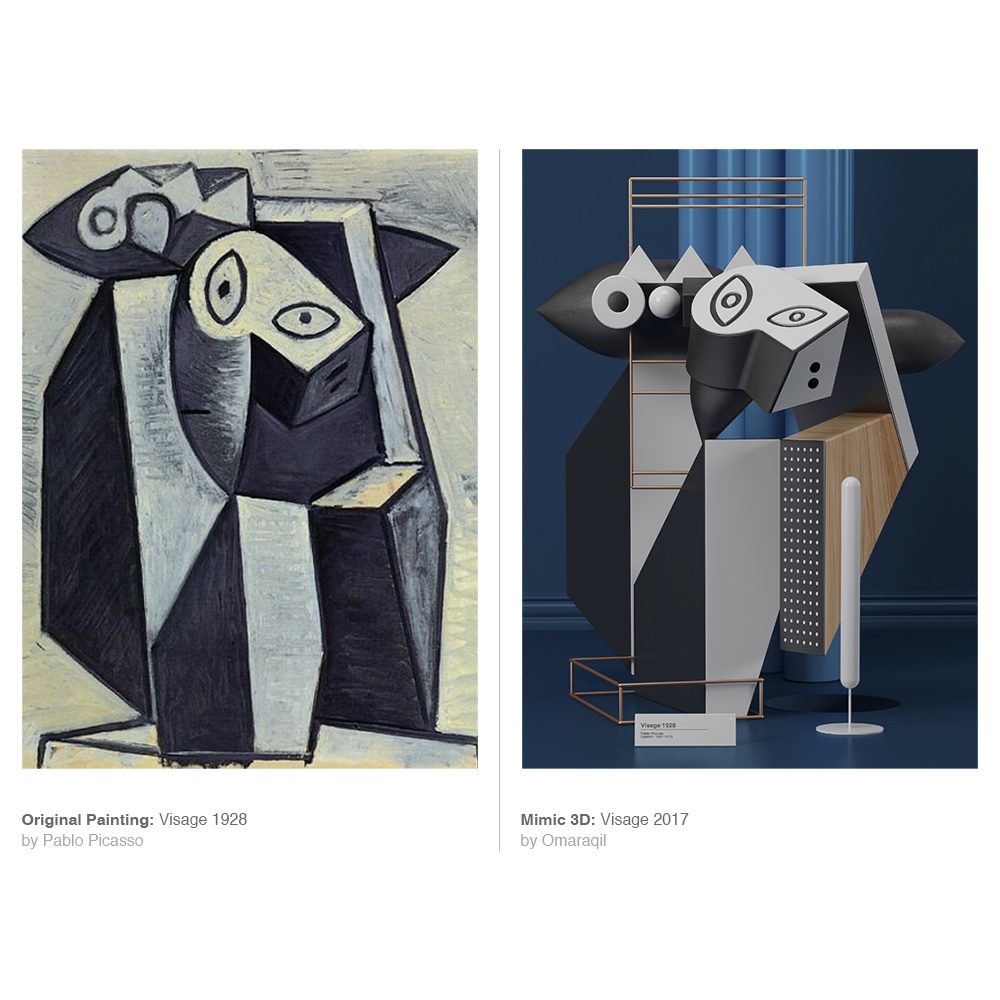
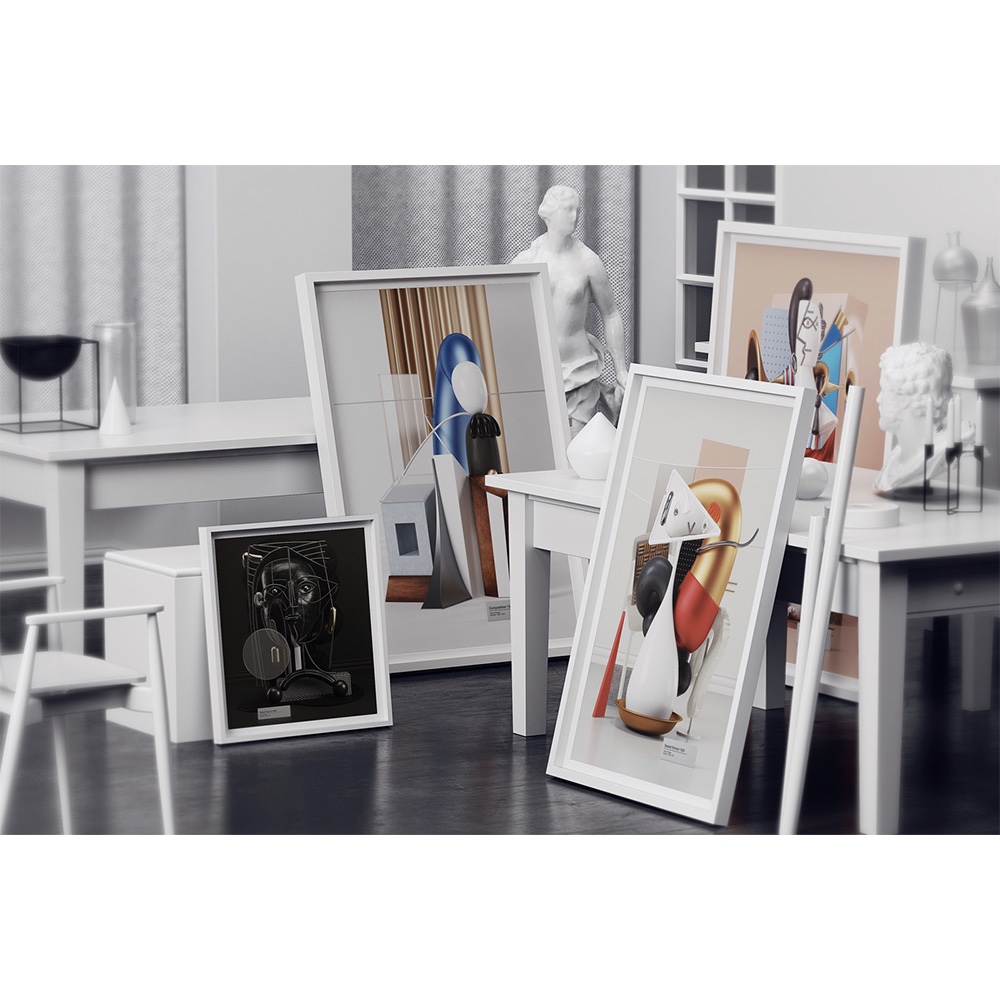
Digital artist Omar Ail interprets Picasso paintings as a sleek modern digital sculptures

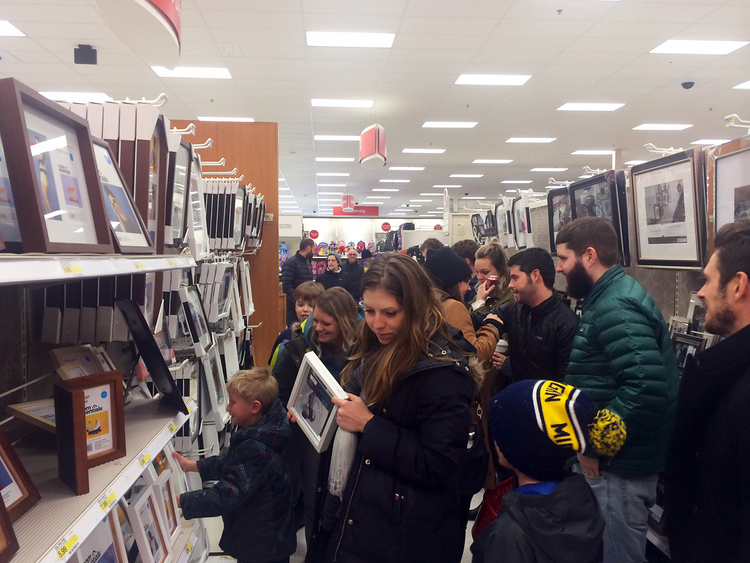
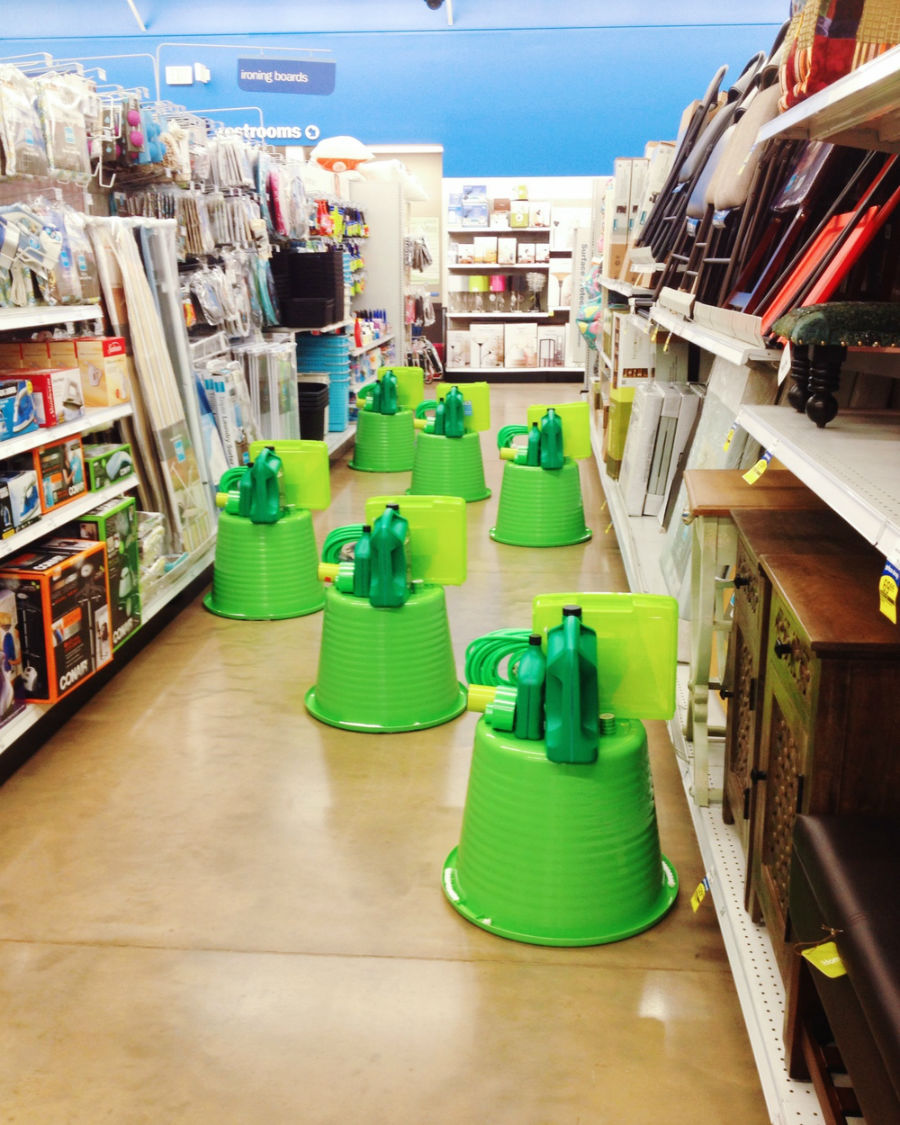
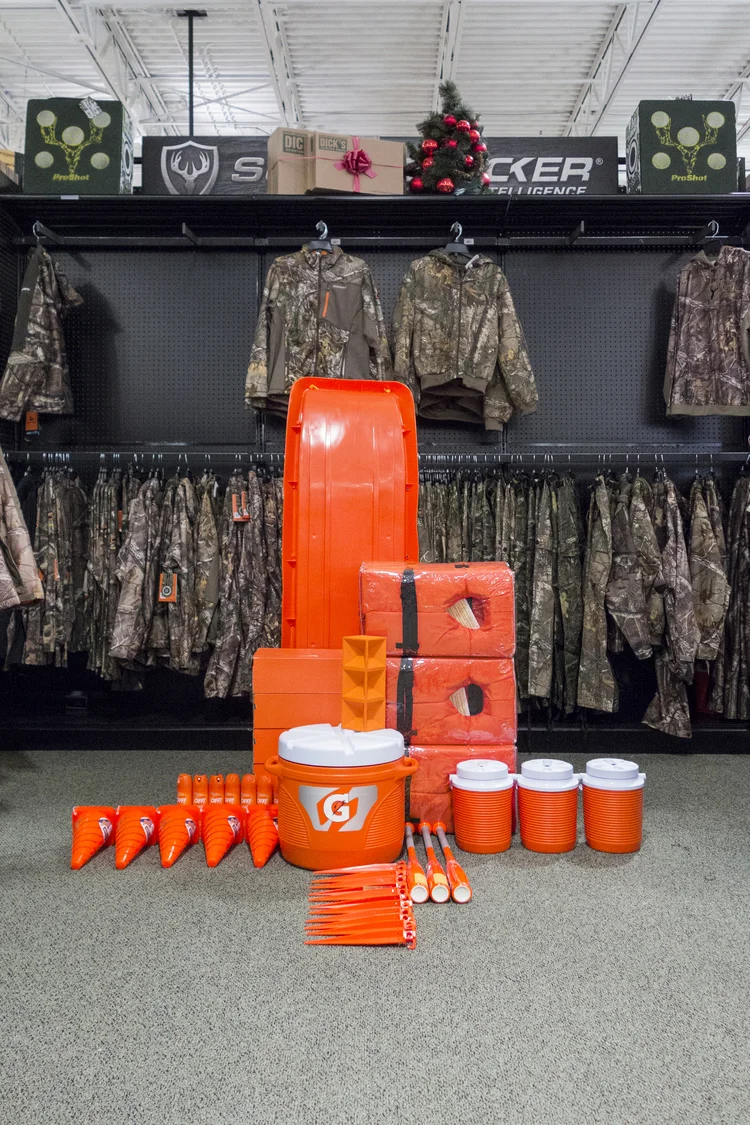
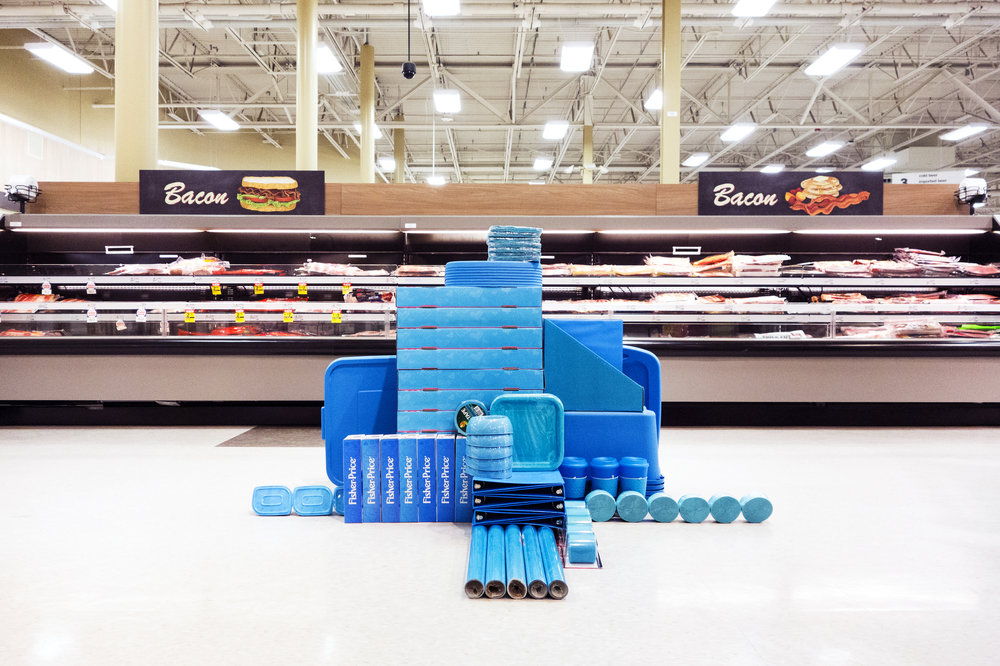
Mass is a site specific installation project by Carson Davis Brown about creating visual disruptions in places of mass (to date: big-box stores, super-centers, etcetera.). At an intersection between Street Art and Land Art, installations are made without permission, using found materials within the retail landscape.
The works are made, photographed, then left to be experienced by passersby and ultimately dissembled by location staff. Photo documentation of Mass works are initially exhibited in a consumer landscape. Printed, framed (in unsold frames) and exhibited in-stores; all without permission.