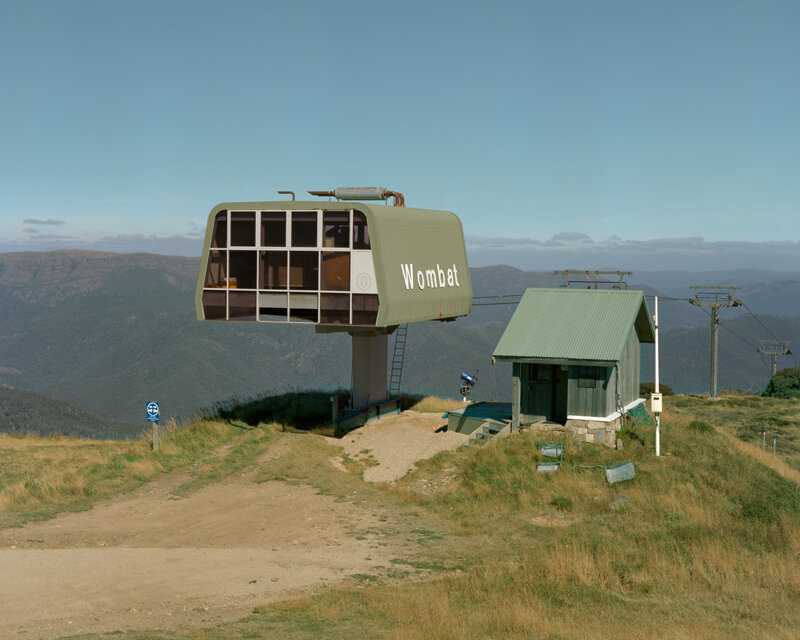
Jeffrey Czum
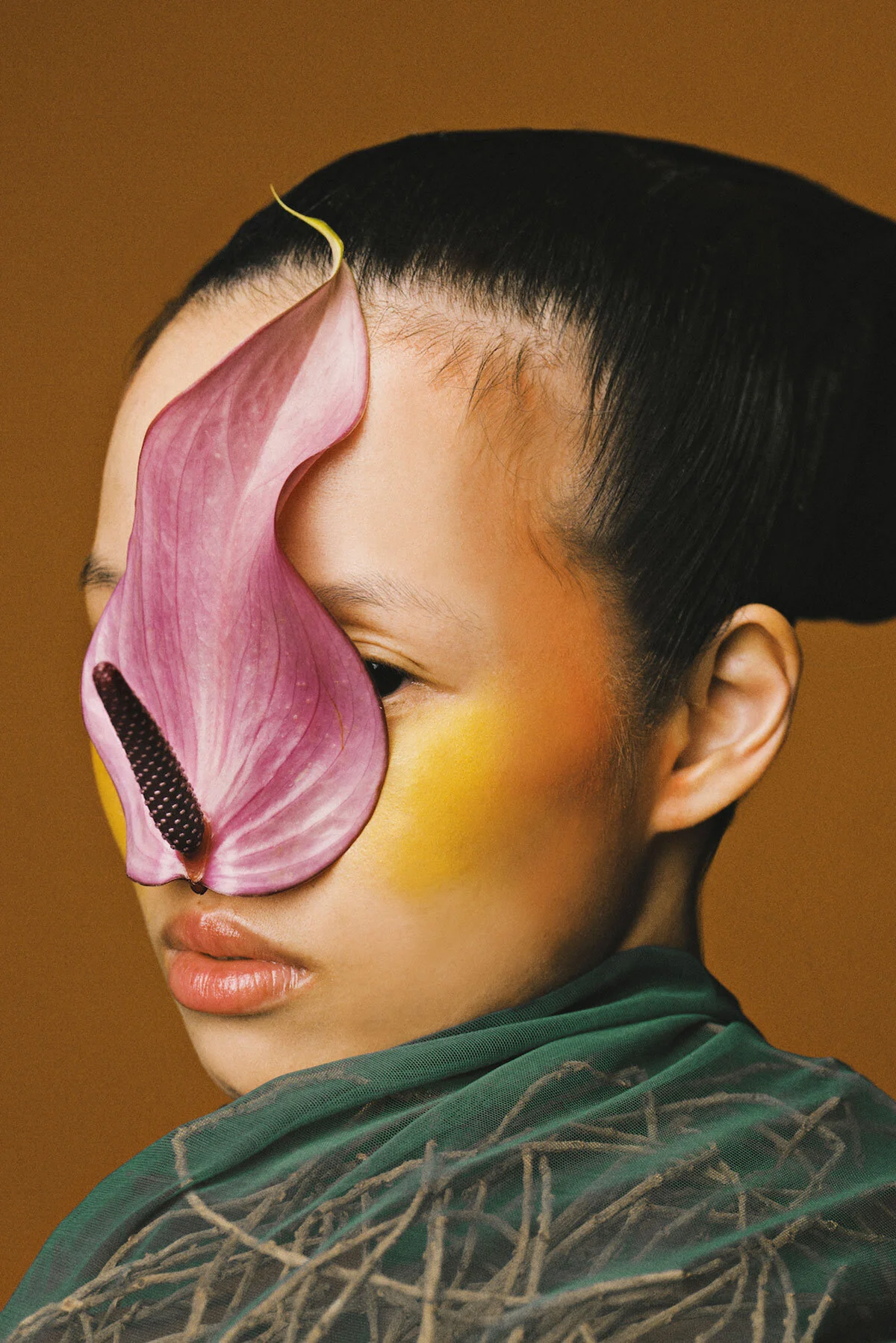
Discovered on “Accidentally Wes Anderson” (@accidentallywesanderson) Jeffrey Czum photography and photography manipulations stands out either by a colour palette or by a message and its realisation

3rd Wave of Inspiration
Since 2003
Discovered on “Accidentally Wes Anderson” (@accidentallywesanderson) Jeffrey Czum photography and photography manipulations stands out either by a colour palette or by a message and its realisation
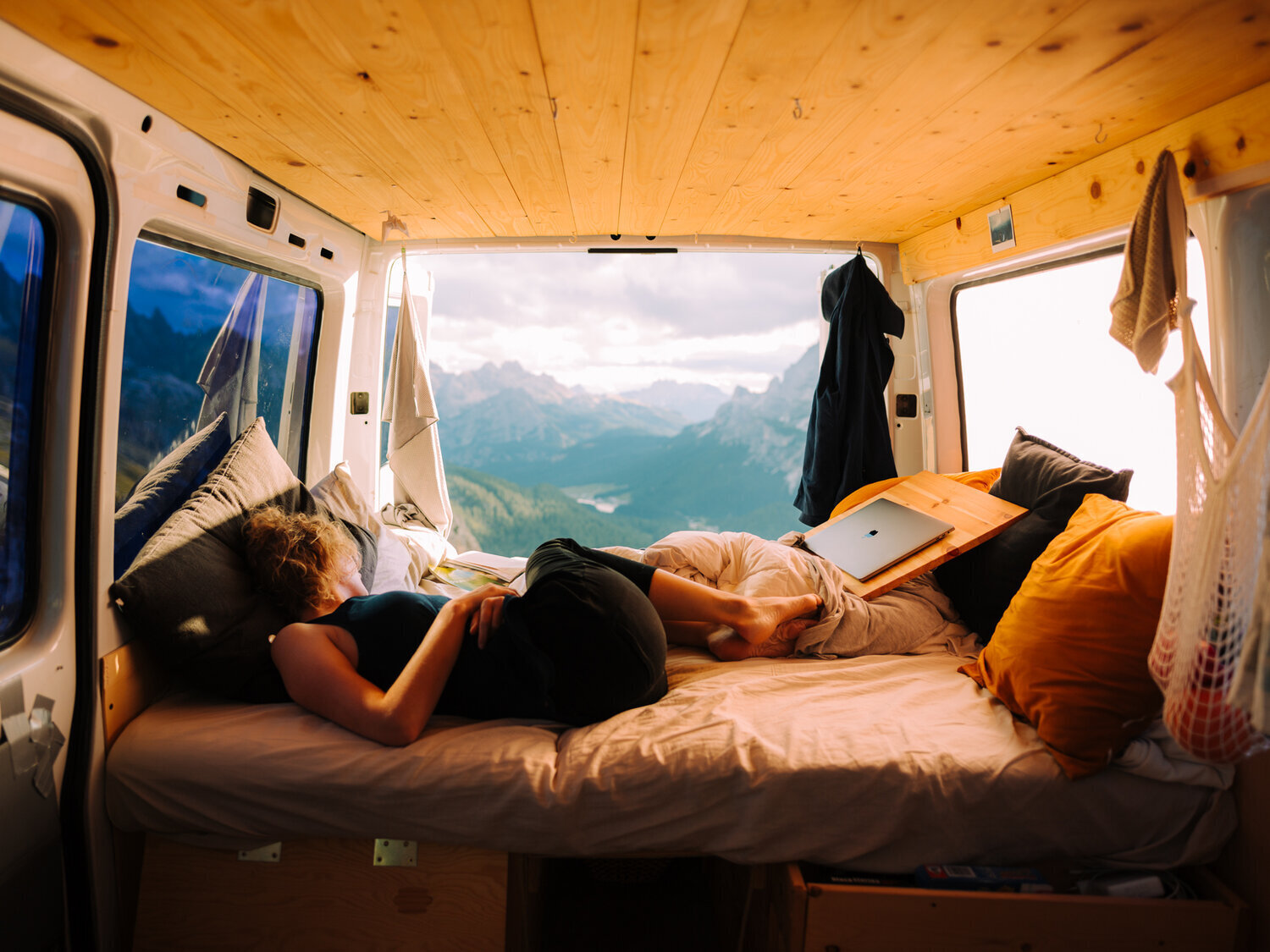
Julia Nimke is a Berlin based photographer. She loves to physically get to a place whether it’s hiking up to the basecamp of Matterhorn for Lufthansa magazine or kayaking at 4 am to document the golden sunrise during a commercial shooting. Being in the outdoors and the joy that comes with it is the main source of inspiration of Julias work. Telling authentic stories fitted to a brand’s narrative is her mission. Julia’s craft is trusted by international companies in the field of tourism, automotive and tech. Being an early user of Instagram Julias has over 50k followers, who travel the world virtually through her work. As a former Adobe Creative Resident Julia loves to share insights of her creative process through speaking engagements.
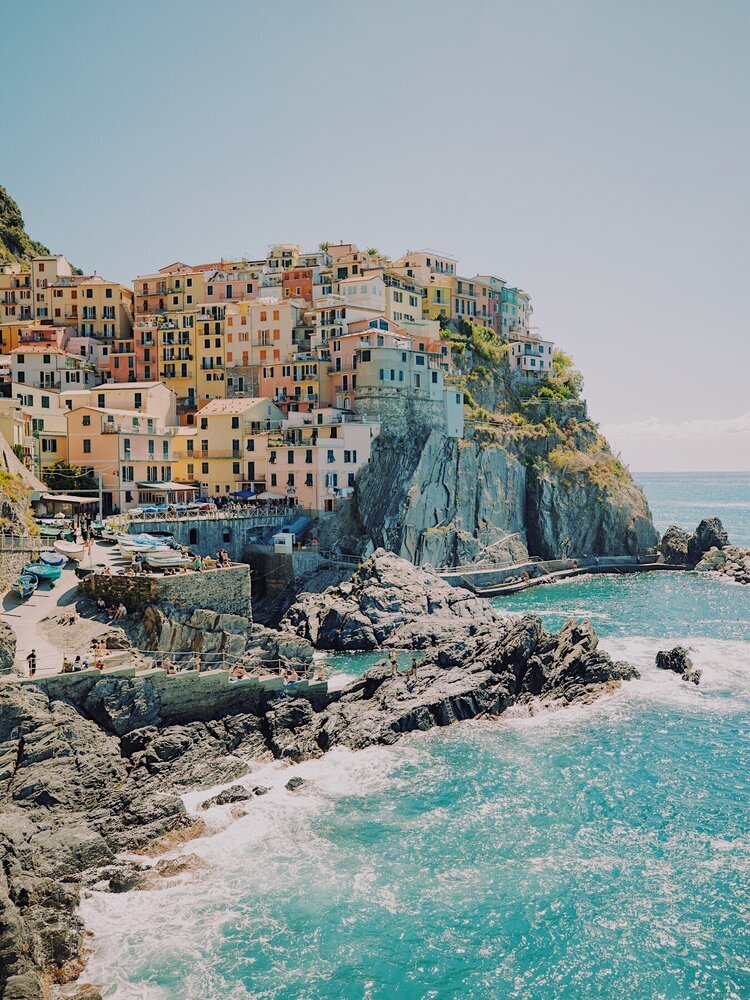
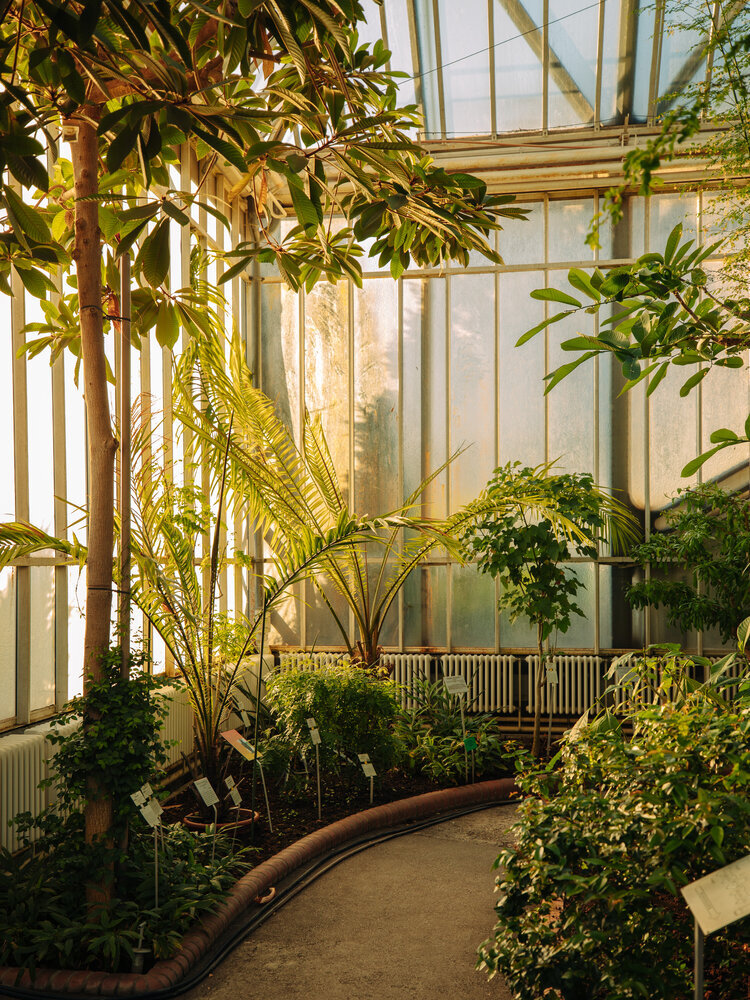

Dutch-Canadian photography artist Ryan Koopmans continues his ongoing photographic exploration of surreal architecture, structures and megacities around the world with an emphasis on the social and environmental consequences of hyper globalisation. Recently he has teamed up with Swedish artist Alice Wexell to create The Wild Within, a series that brings new life into abandoned buildings from a bygone Soviet era.
“Based on real-world physical spaces, an animated rebirth into a digital realm has been created.
During the Soviet Union, the Georgian town of Tskaltubo was a popular health destination famed for its therapeutic water and luxurious sanatoriums.” - read full interview on Superrare Editorial
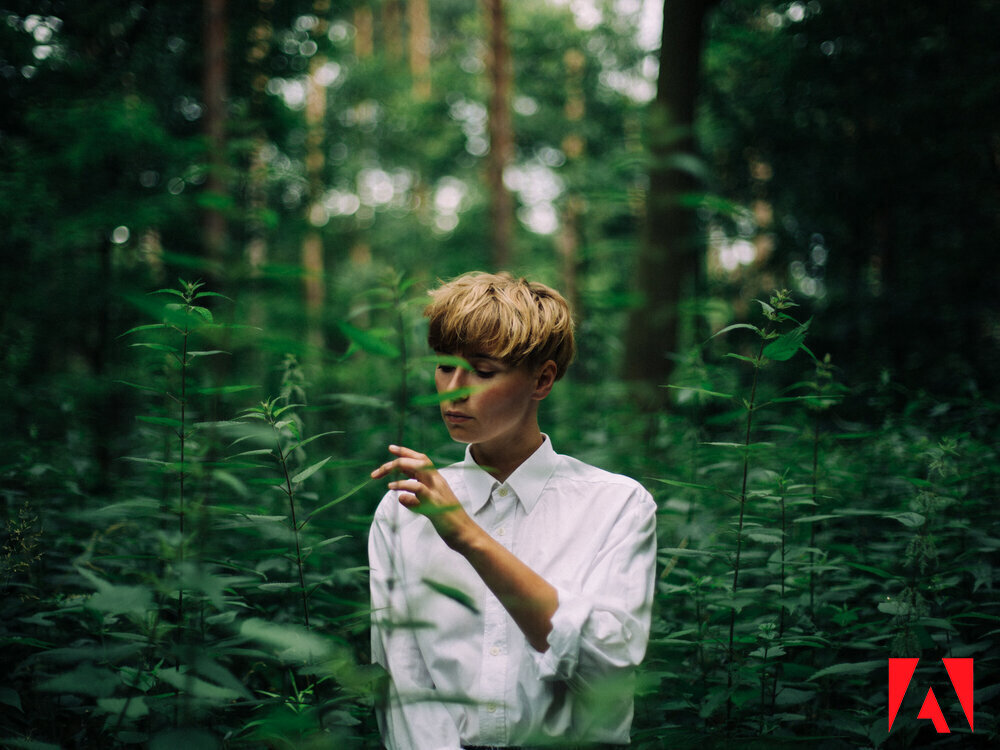
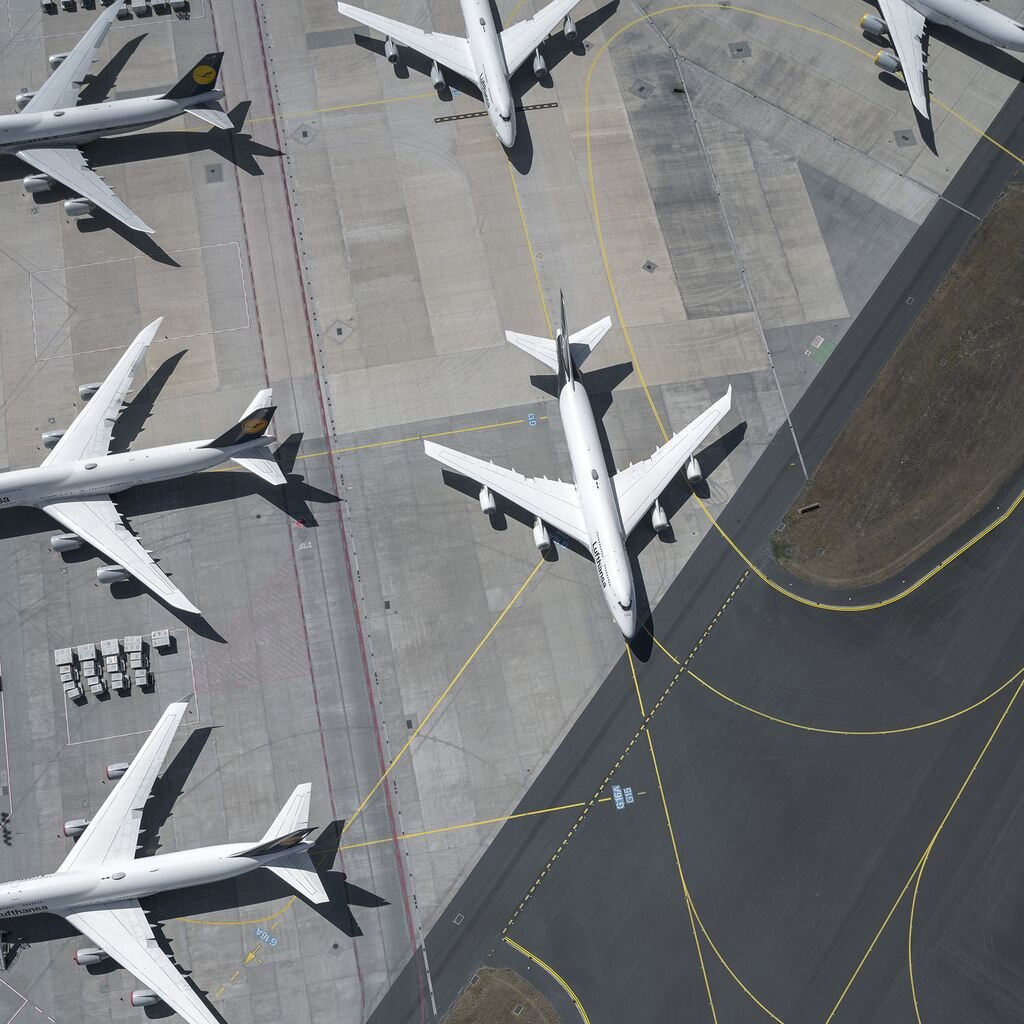
Stephan Zirwes is a professional Photographer who is specialised in aerial photography with an artistic approach to the themes of the environment and our surroundings. He is working with still and moving pictures since the early 90s creating video installations, art-videos and visual-arts. Then focused on Art Photography and working out of Helicopters and with Drones since many years for industry, movie productions and his own art projects. Structures and (un)intended arrangements are in the focus of his free work.



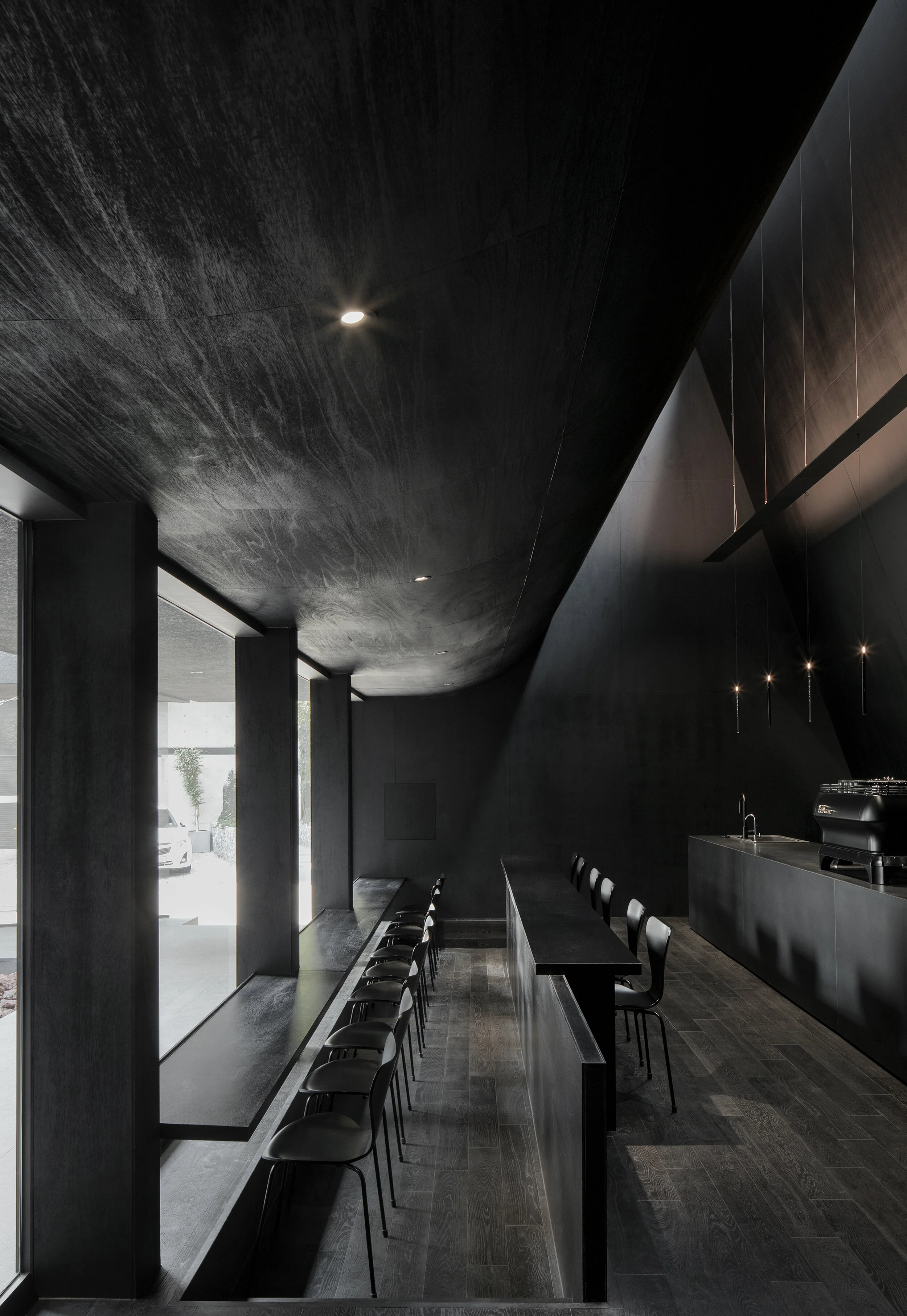
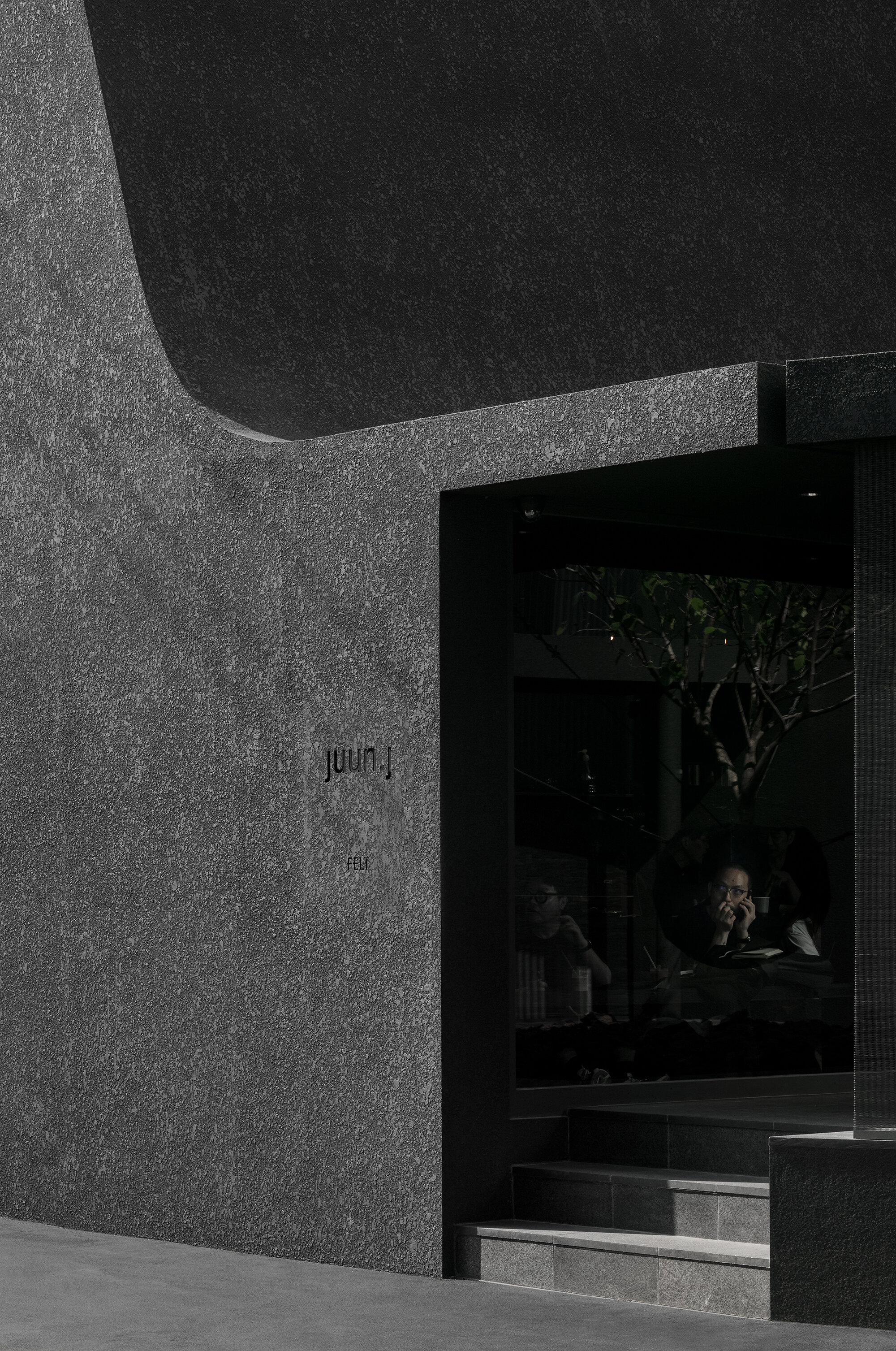
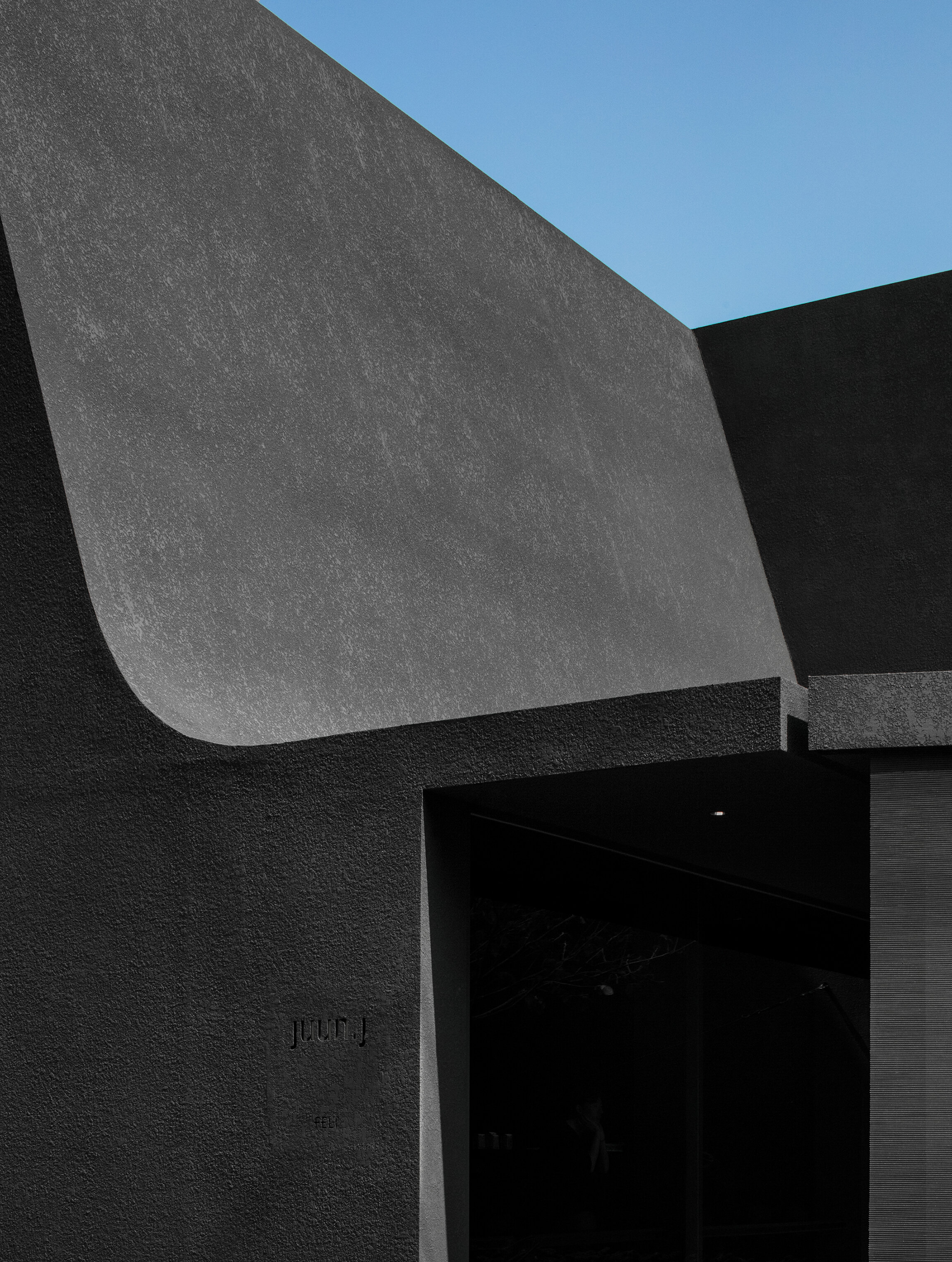
Seoul-based architects WGNB shares their latest design project created for Juun.J flagship store. Under the slogan “See the same thing but think differently”, WGNB pursues creating a new perspective through connecting the various inspirations of our daily lives with the spatial design. With the new perspective and flexible thoughts, WGNB redefines the boundaries between design that ranges from architecture, furniture to product design. Based on this creative goal, we seek to create a new sense of experience by collaborating with various genres of art.

Juun.J
by WGNB
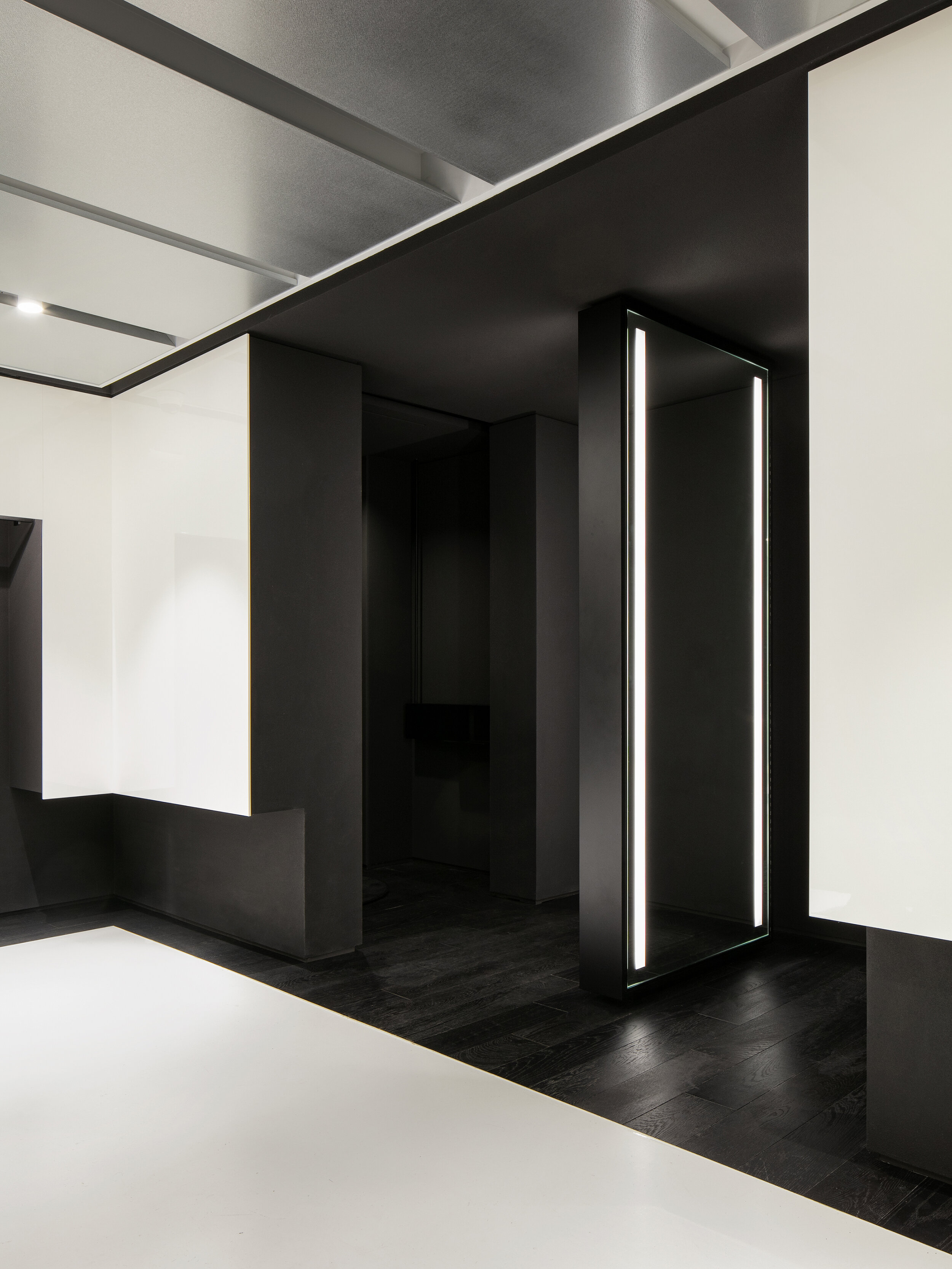
It’s the first flagship store of the fashion brand of Juun.J. It’s divided into two floors; the first floor comprising cafe and women’s wear, while the second floor men’s wear. We used natural elements such as light and shadow in order to express darkness within space using black – identity color of Juun.J brand. The shape of the architecture was initiated from geometry that is the basic form in all designs. Juun.J’s flagship store surely has a certain form but in the shape like a shadow without exact shape, which is similar to Juun.J as it invites endless curiosity to people.
We built our first flagship store where customers are able to experience at once all lines of not only men’s and women’s wear collections but of limited collaboration products at Dosan Park, Sinsa-dong, Gangnam-gu, Seoul.
The flagship store is composed of the first and second floors with the total size of 396㎡. The first floor is arranged centred on women’s line and collaboration products, while the second floor displays men’s products. We at Juun..J provide differentiated brand experience to customers by arranging a garden as well as the best specialty coffee brand FELT COFFEE on the first floor so that they can experience a diverse range of brands at the same space.
“Black is a color symbolic of Juun.J and the most beautiful shadow out of the shapeless existences is also black.“
If we look at the traditional house structure in the East, large roof files are put above the house basically and the whole structure is absorbed into within the deep and wide shade generated by the awning. Deep darkness below the awning is shadow as well as black within the space.
In an attempt to turn black into space, we organised space by either hanging plenty of objet or separating them and generating shadows. All spaces except white part for women’s wear on the first floor are composed of varied densities of darkness. While the first floor has contrasts with some white part, clothes here are also hung in darkness. The space of cafe generates various darknesses due to natural light dramatically penetrating from the ceiling. And eaves spreading forward work as an awning and make visitors feel natural light coming as a result of reflection on the garden. They can see the garden from within the space and find another shadow as a tree is floating in the garden.
The shape of the architecture is composed of circle, quadrangle and triangle, basic forms in all designs and the architecture is designed with the concept of dark matters of the universe. Especially, the garden-shaped circle, which is a space drawing natural light, plays an important role in making this dark matter a striking contrast.
This architecture and space started very much from the Orienal way of thinking, and the structure of space and formative approach were complete based on the Western style. We expressed achromatic color of black as darkness within the space instead of a simple painting and, as far as the used materials are concerned, we diversely applied materials that black has intrinsically instead of painting them in black.

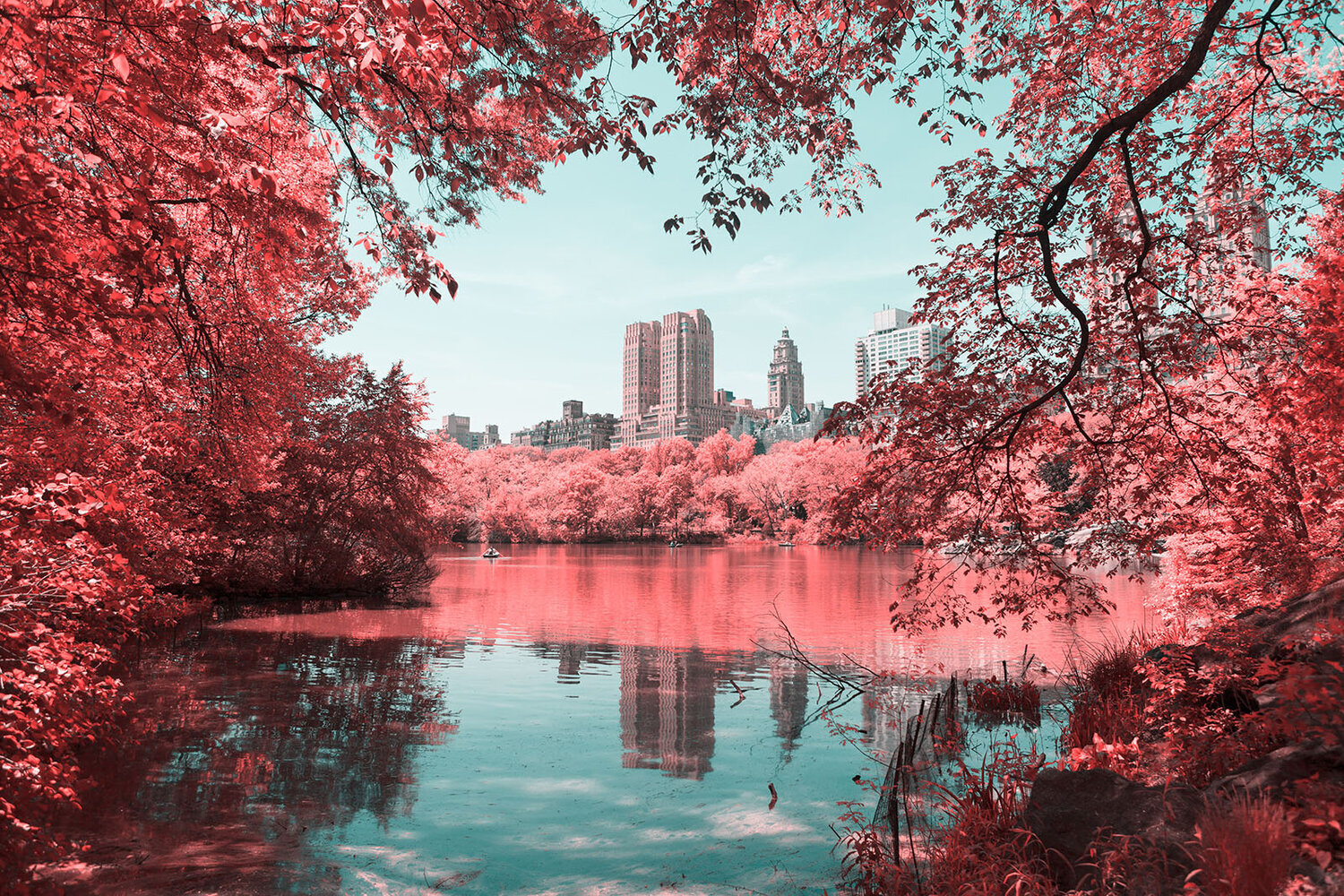
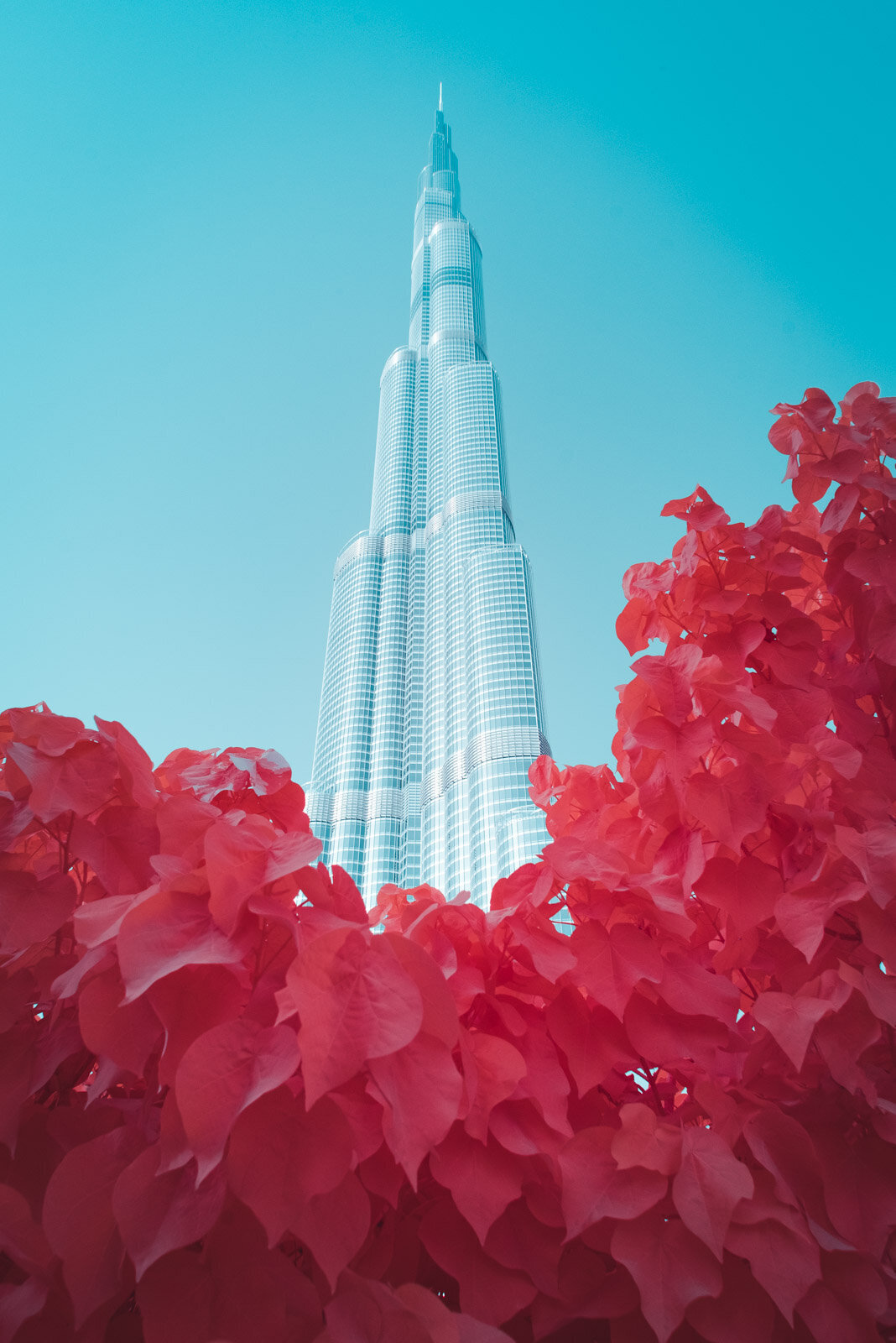
Photographer and art director Paolo Pettigiani combines graphic design and photography playing with colours, shapes and contrasts.
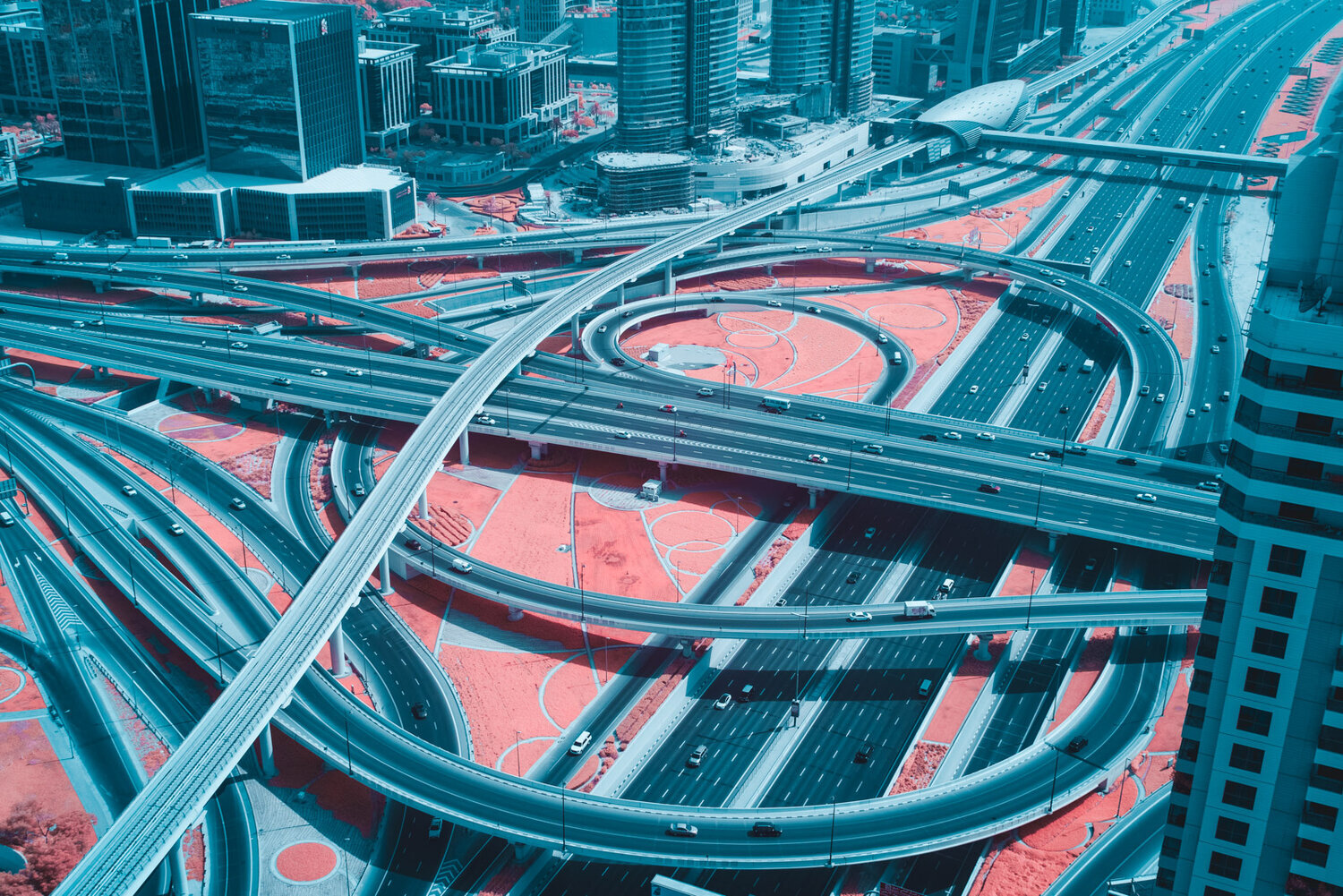
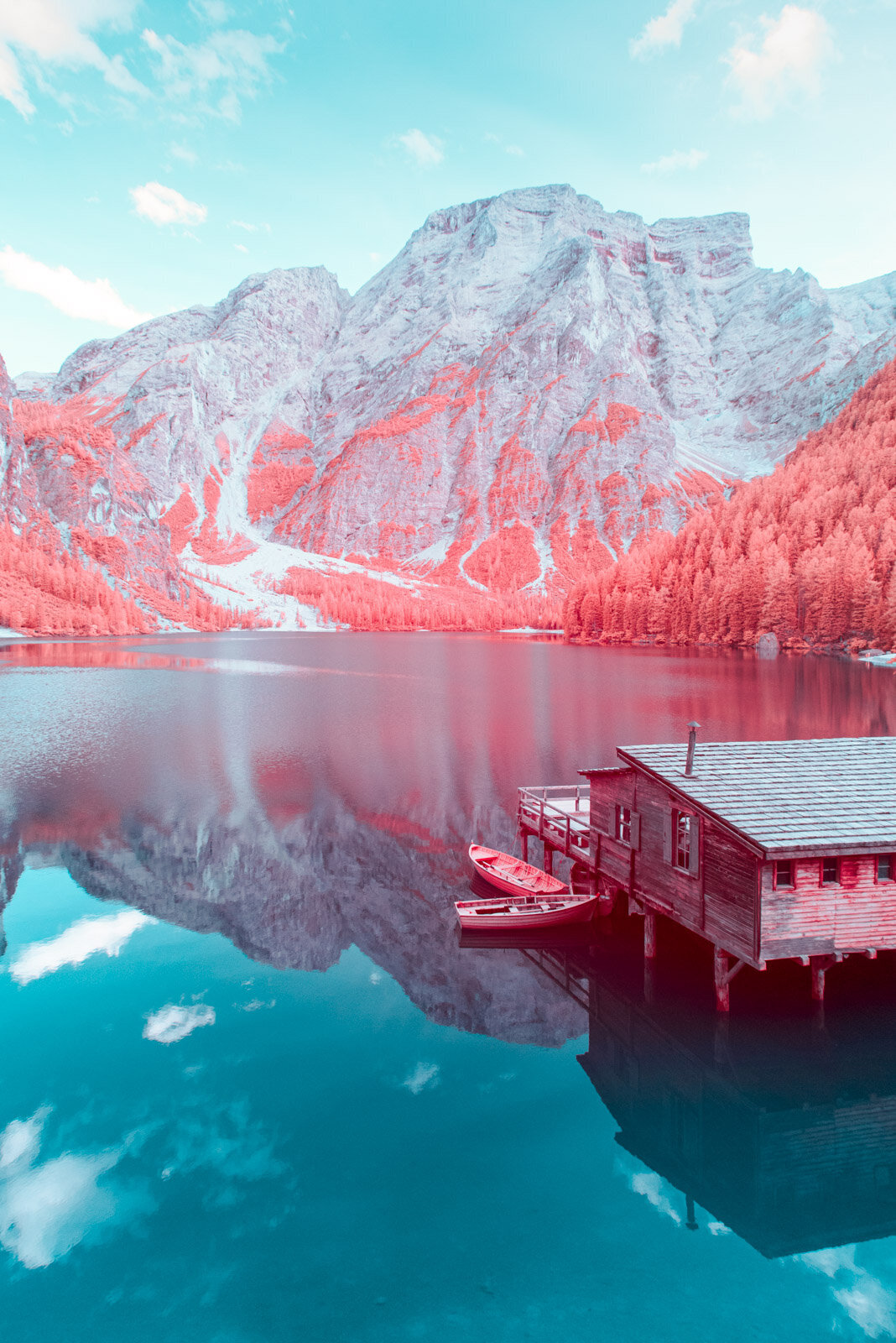
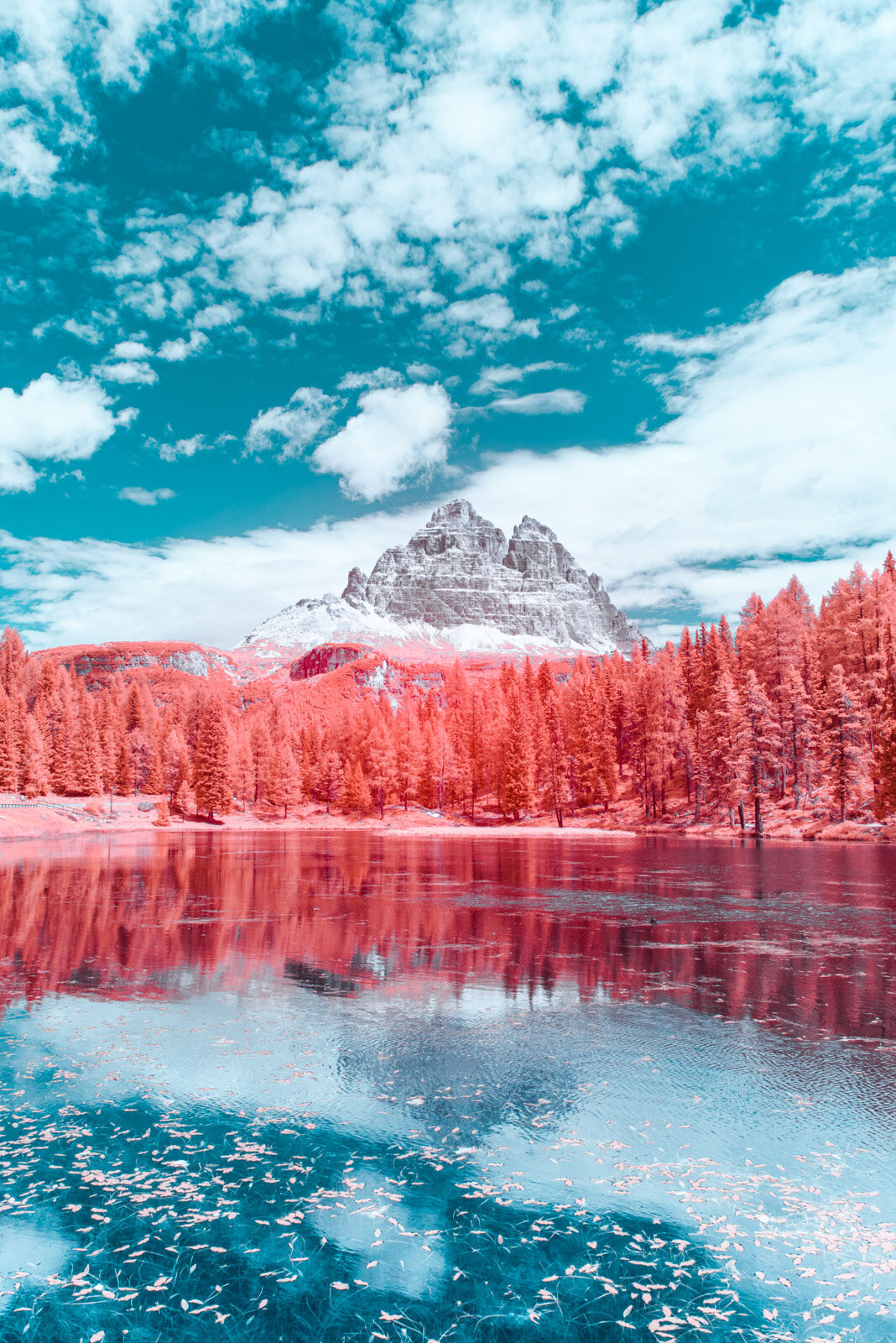
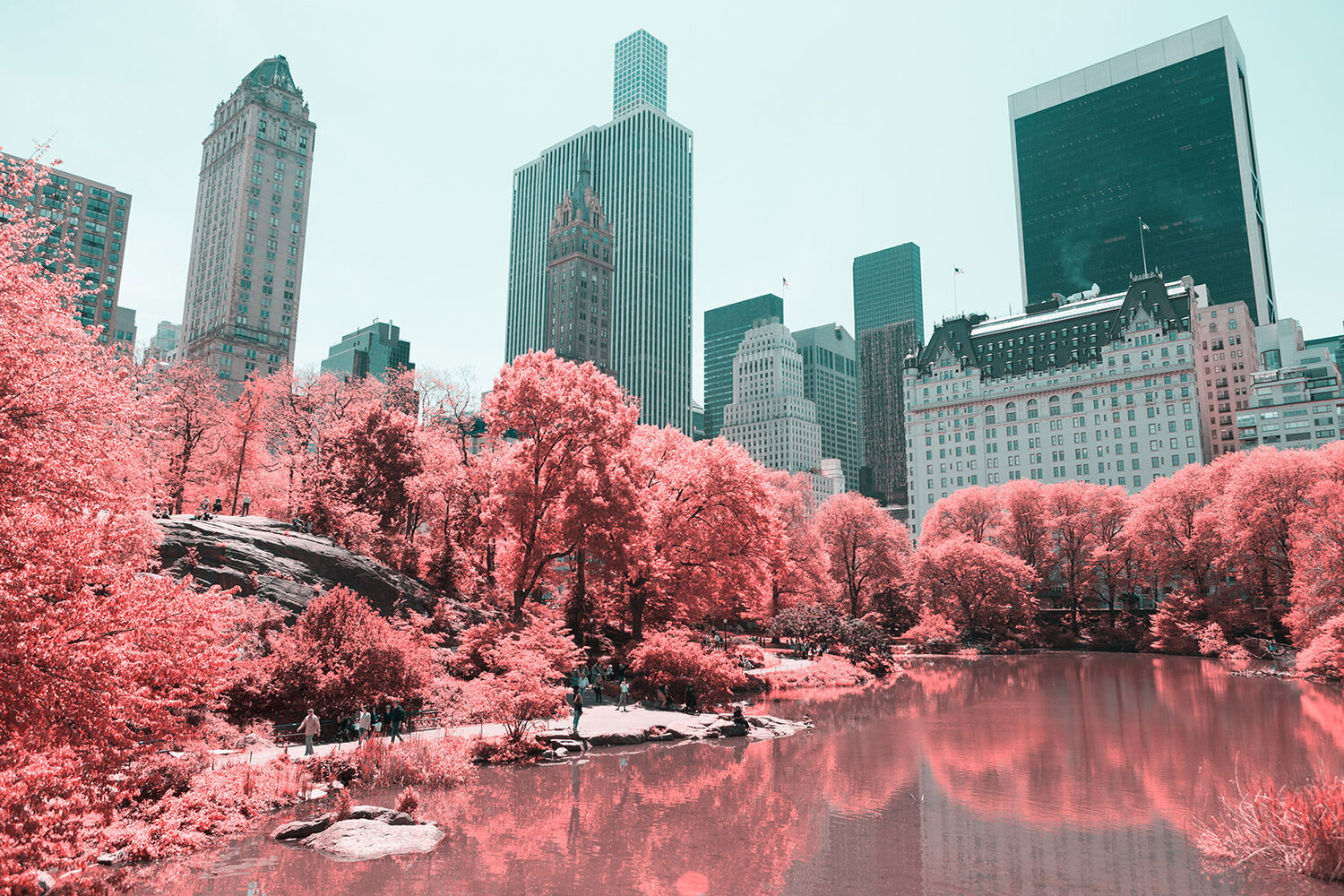
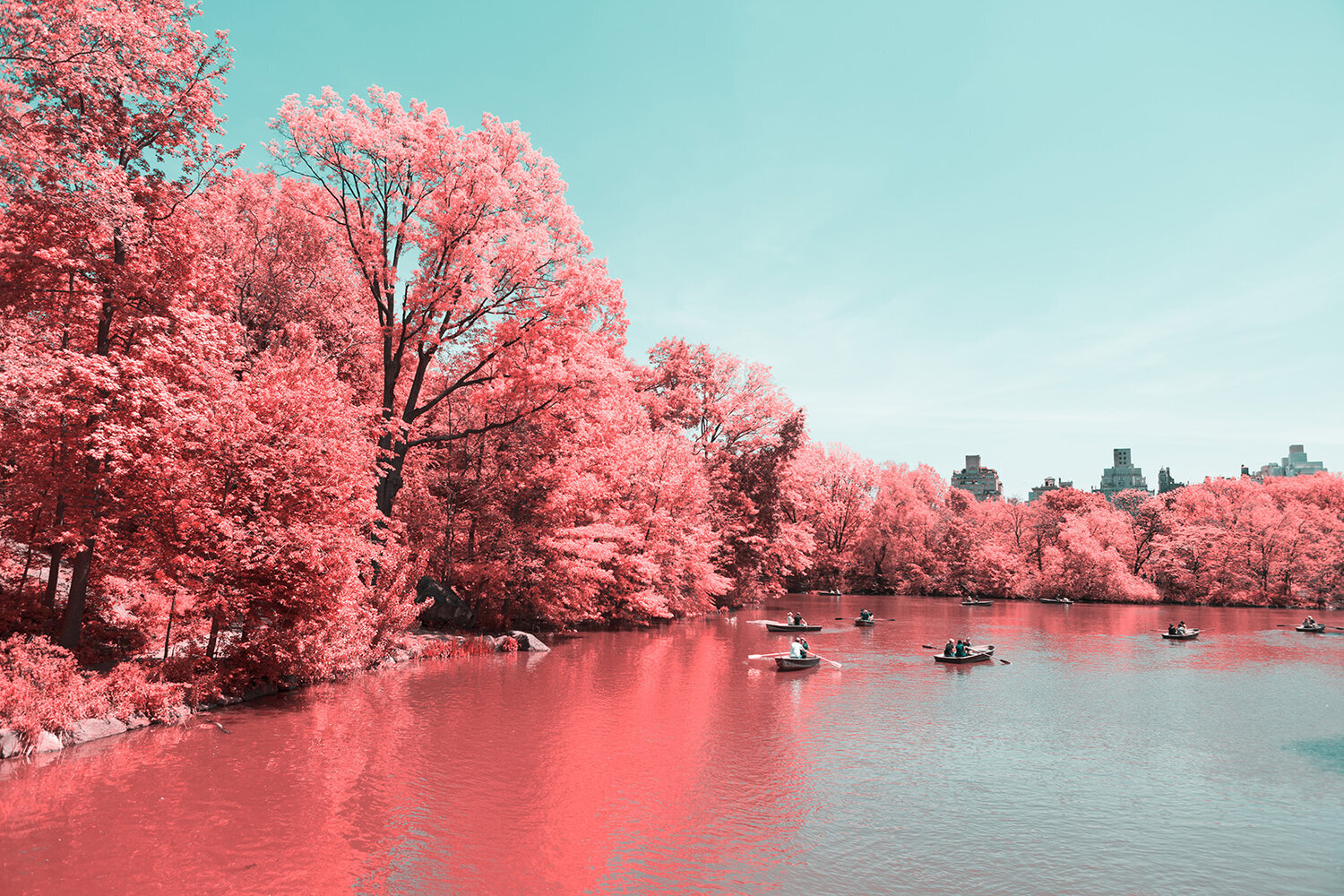
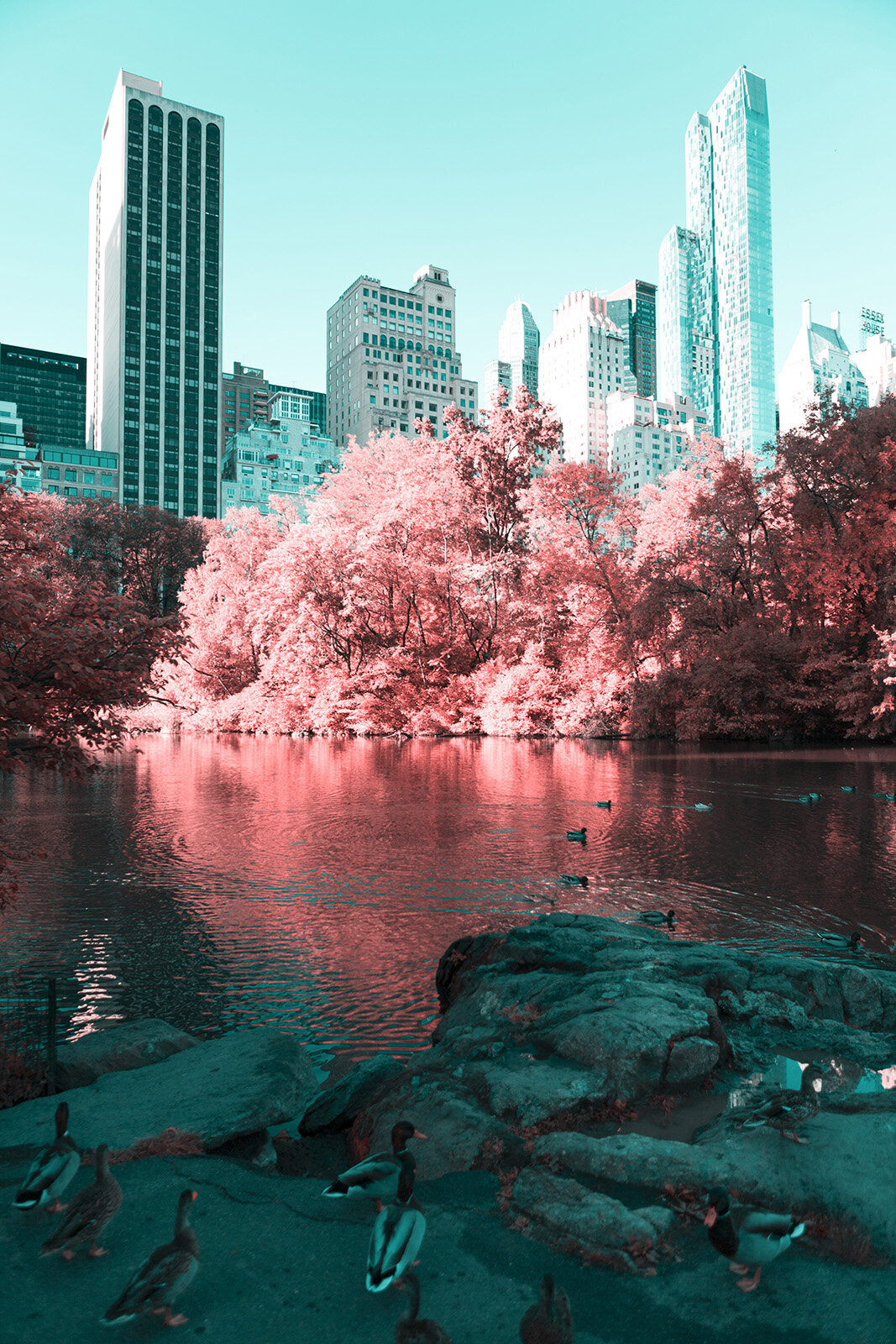
Infraland™ is a graphic and visual exploration of nature that aims to highlight the beauty that surrounds us and that is too often forgotten. For this project I used digital Infrared photography. This technique enables the full sensitivity of the camera’s sensor, making it sensitive to UV, visible, and IR light.
Elements with chlorophyll, such as grass, leaves and trees, strongly reflect IR light on the invisible wavelength.
The Taiwan-based photographer Zhong Lin is exploring art and solitude during isolation with ‘Project 365’
“Project 365 is a year-long project I started in April 2020 during the pandemic to rediscover myself and do what I like without restrictions. I must admit the idea of making a new image every day is indeed very ambitious. The shoots are not always planned; there are days that I need to improvise within a short time. The challenge of Project 365 is pushing my boundaries under different circumstances and making the fullest out of everything I have. I wasn’t sure if I could manage to deliver as I wish daily.”
Read interview on thefashionography.com/zhong-lin-interview

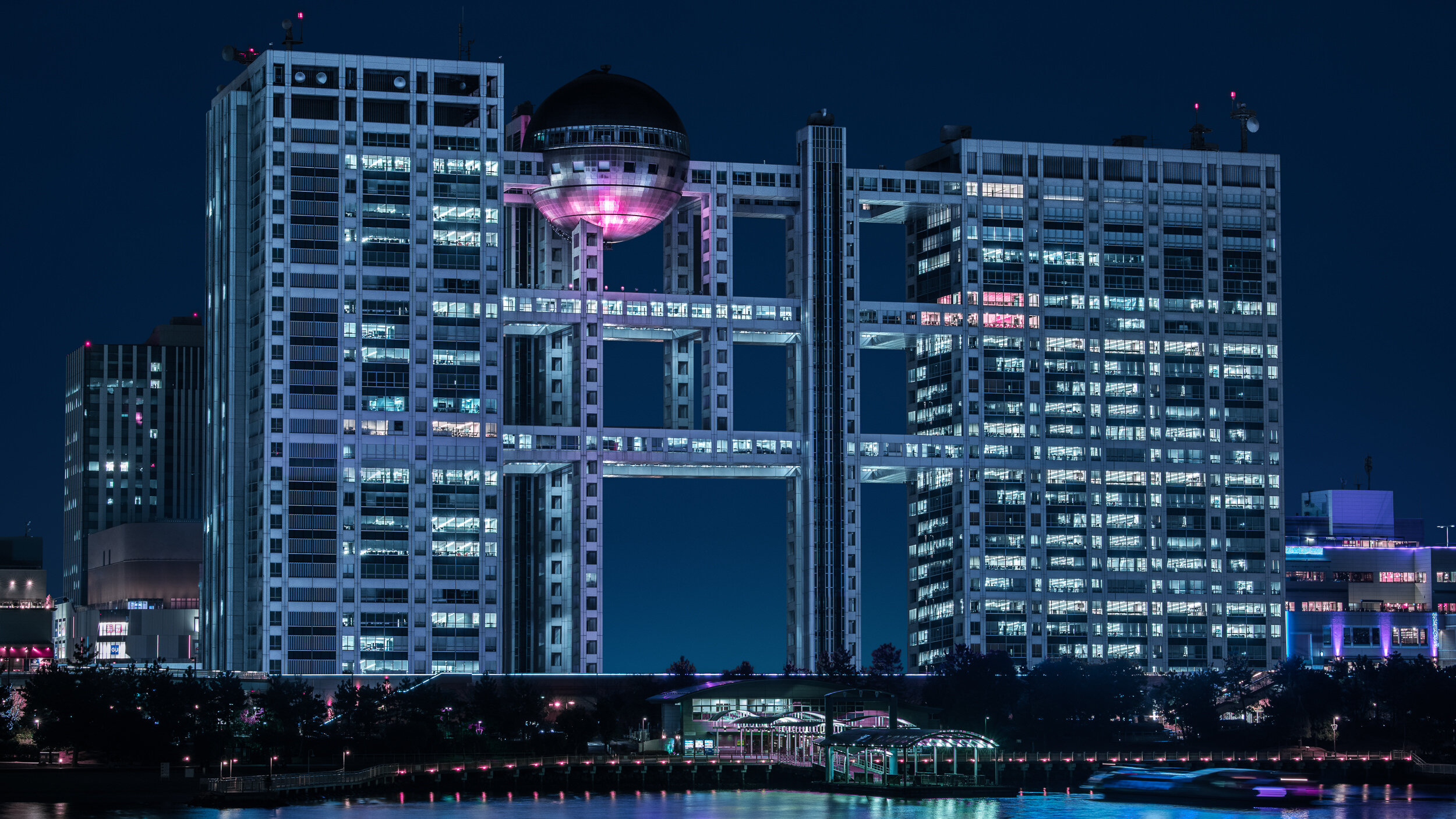
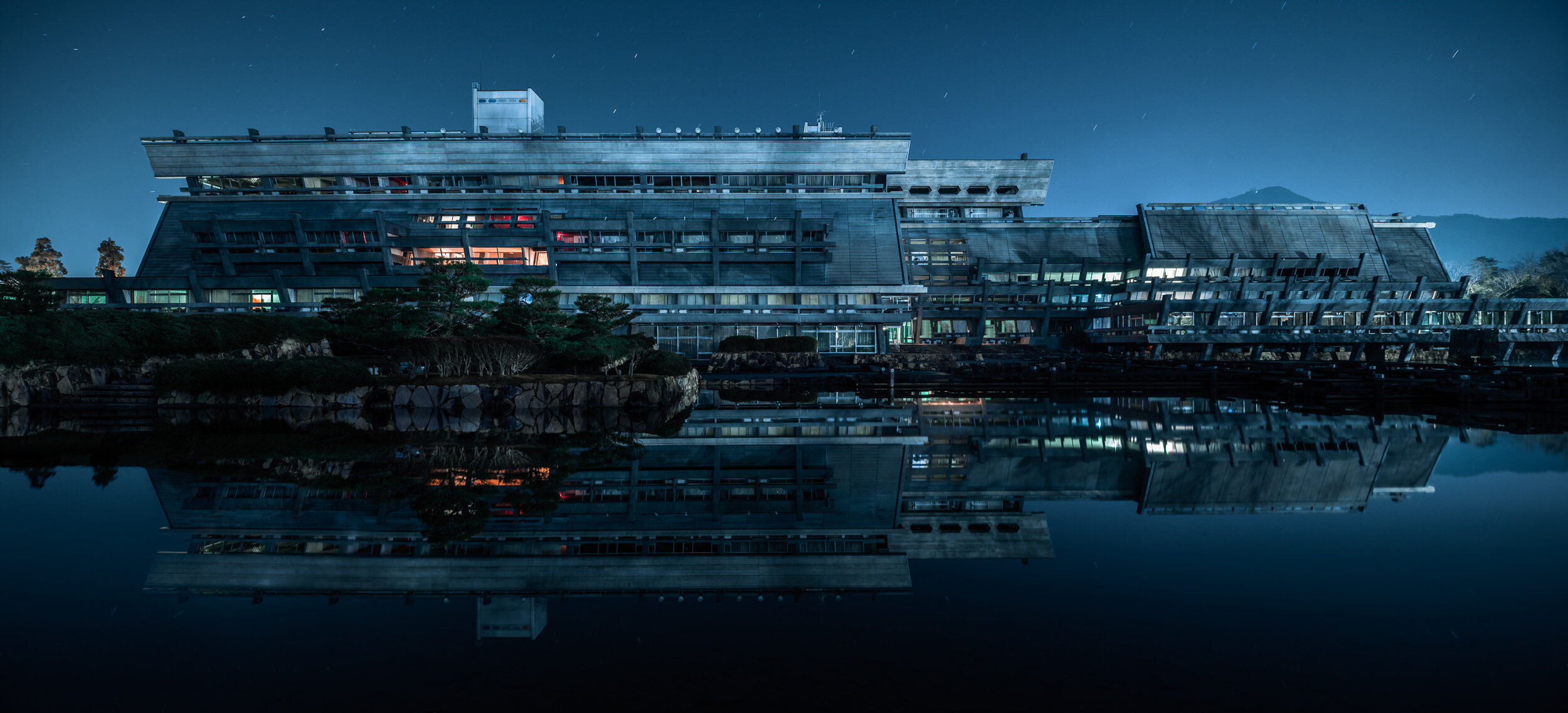
Working at the intersection of long exposure photography and exploration of the built environment Tom Blachford’s Fine Art Photographs seek to transform predictable and known environments into surreal and dreamlike worlds.
Obsessed with capturing the moments of clarity, colour and mystery that exist just beyond the limits of our human perception Blachford explores the ability for his camera to bridge our worlds to dark worlds beyond our reach.
Captivated by architecture, not only for its sculptural forms, Blachford’s images of homes, towns and suburbs act as the the stage for unwritten narratives that implore the viewer to script their own drama happening behind the walls of each scene.
Using only existing light sources – the moon (Midnight Modern), The neon Lights of Tokyo (Nihon Noir) or the harsh street lights of LA (Noct Angeles) Blachford hunts for the overlooked cinematic moments in the everyday and works to distil them with a sense of mystery, unease and wonder.

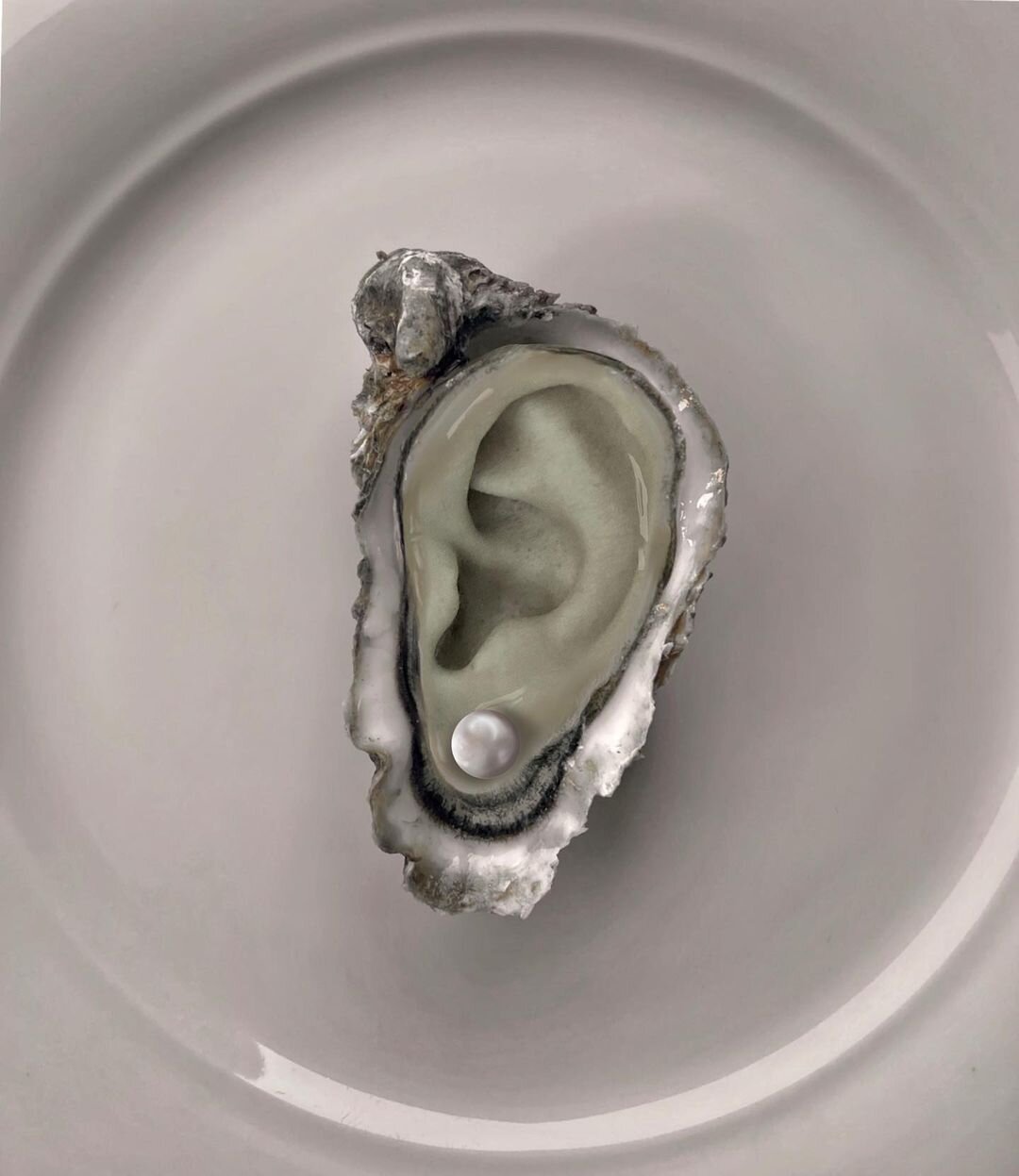
Young Italian self-proclaimed artist Alessandro Malossi creates manipulative images that stuck in your brain after you see them. Playing a lot with visual metaphors and meanings Alessandro quickly achieved the fame of Internet artist and provokes viewers by shifting the boundaries every week. We’ll defo see him raising on NFT scene very soon

To athletes, the Olympics and Paralympics are as sacred as time itself. The training that goes on behind the scenes is no different. The repetitions and revolutions are like seconds that make up the hour. But, what if that clock was to stop?

Silent Without The Sun showcases what happens when there is a break in the cycle. Through the sport of rowing, we showcase the resilience, commitment and training of the men and women from the Australian National Rowing Training Centres.
Ed is an up-and-coming director who works closely with agencies and brands to help produce, direct and create successful campaigns for clients in Australia and internationally. He is a former lightweight rower who represented Australia on the International stage in the U23 and Open categories till 2016. Ed hopes to make feature films in the future.
words by Tom Sacre
Charlie Gray is a British international fashion and portrait photographer based in London. His playful vision and dedication to the art of narrative grew out his love of theatre and early documentary photographic projects.
Charlie has captured some of the most iconic faces of our time, Robert de Niro, Mike Tyson, Harvey Keitel, Tilda Swinton, Keira Knightley, Bill Murray and sir Anthony Hopkins amongst others. equally, Gray frequently shoots poetic fashion stories with film and theatre’s faces of tomorrow.
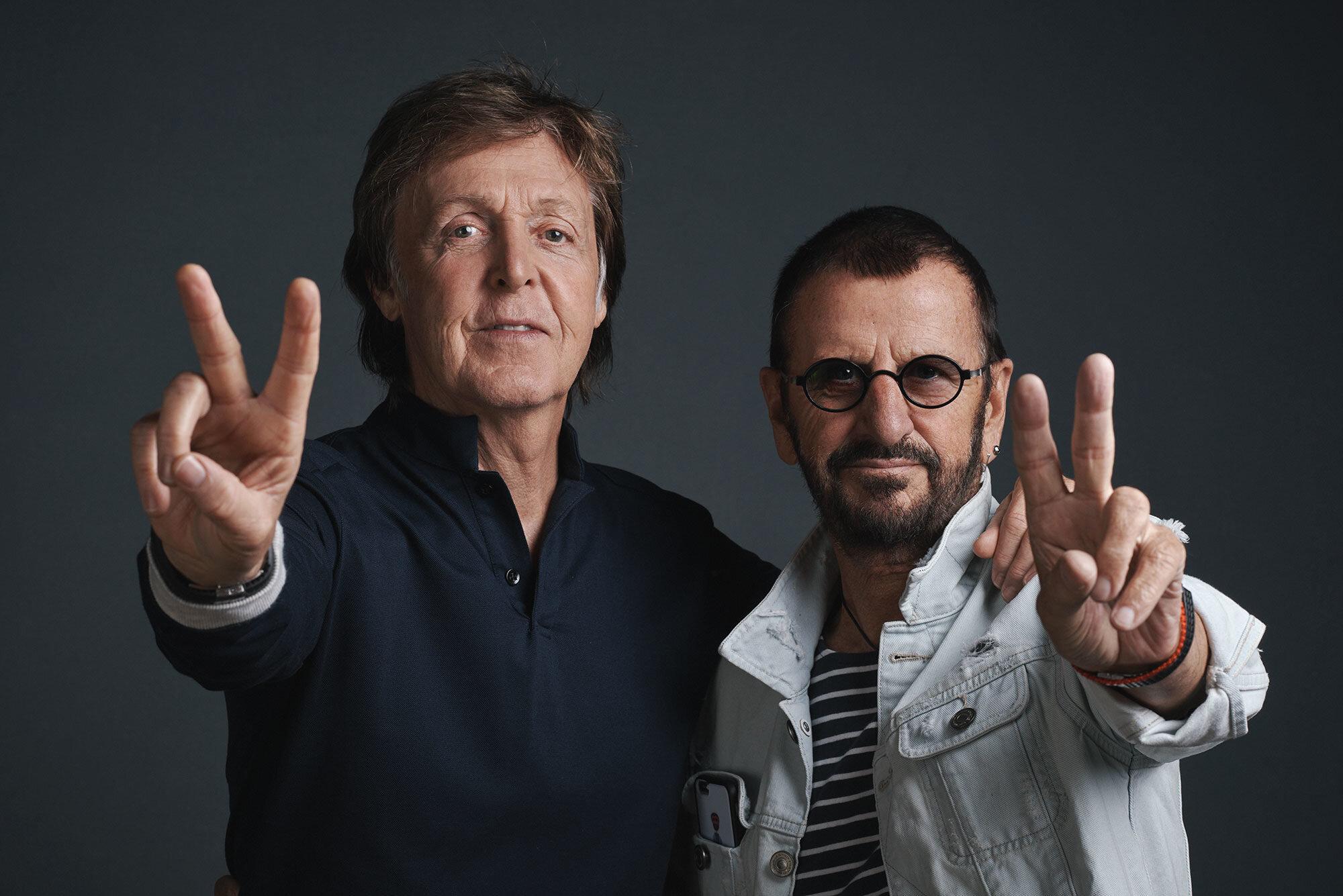
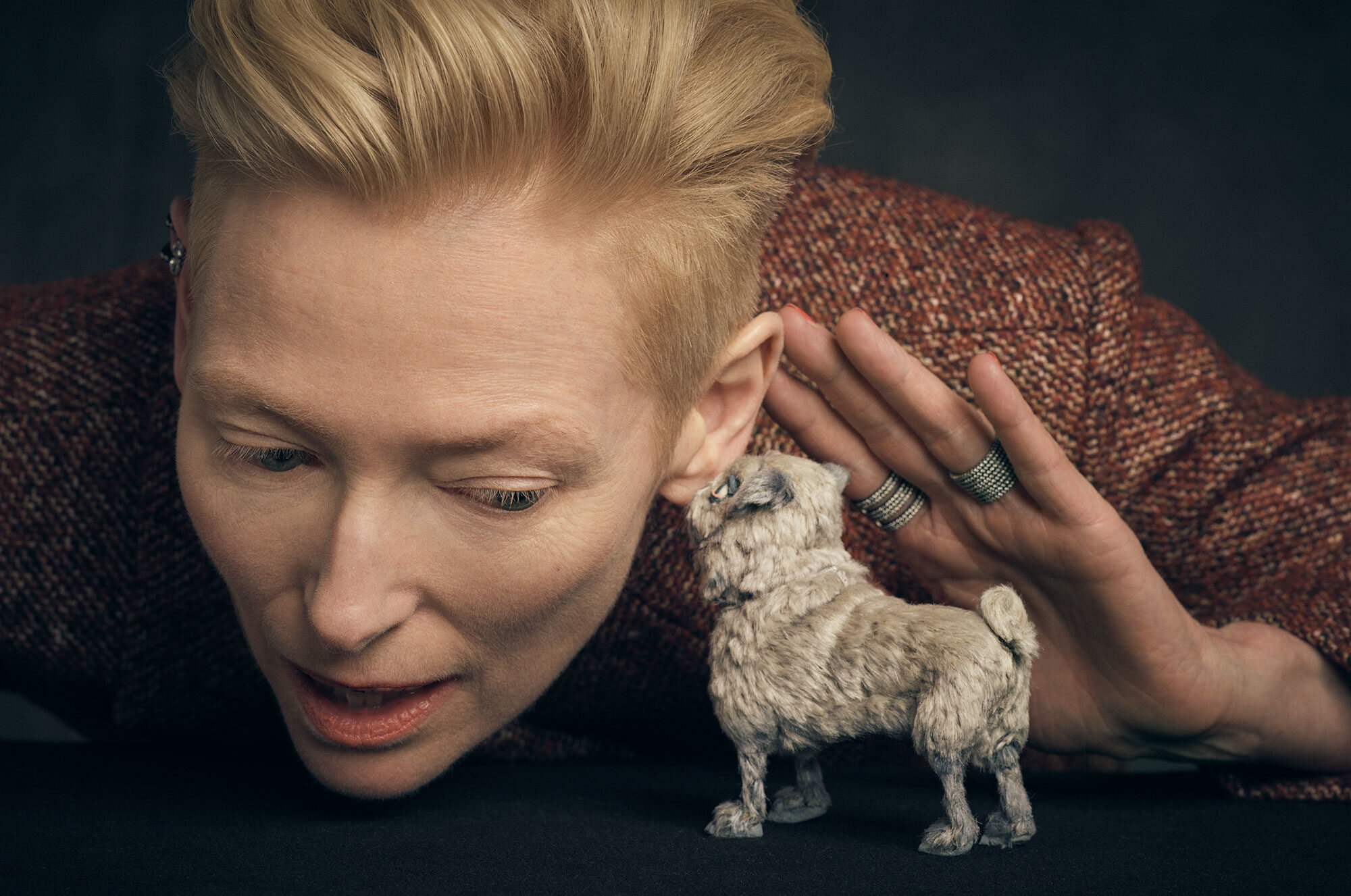
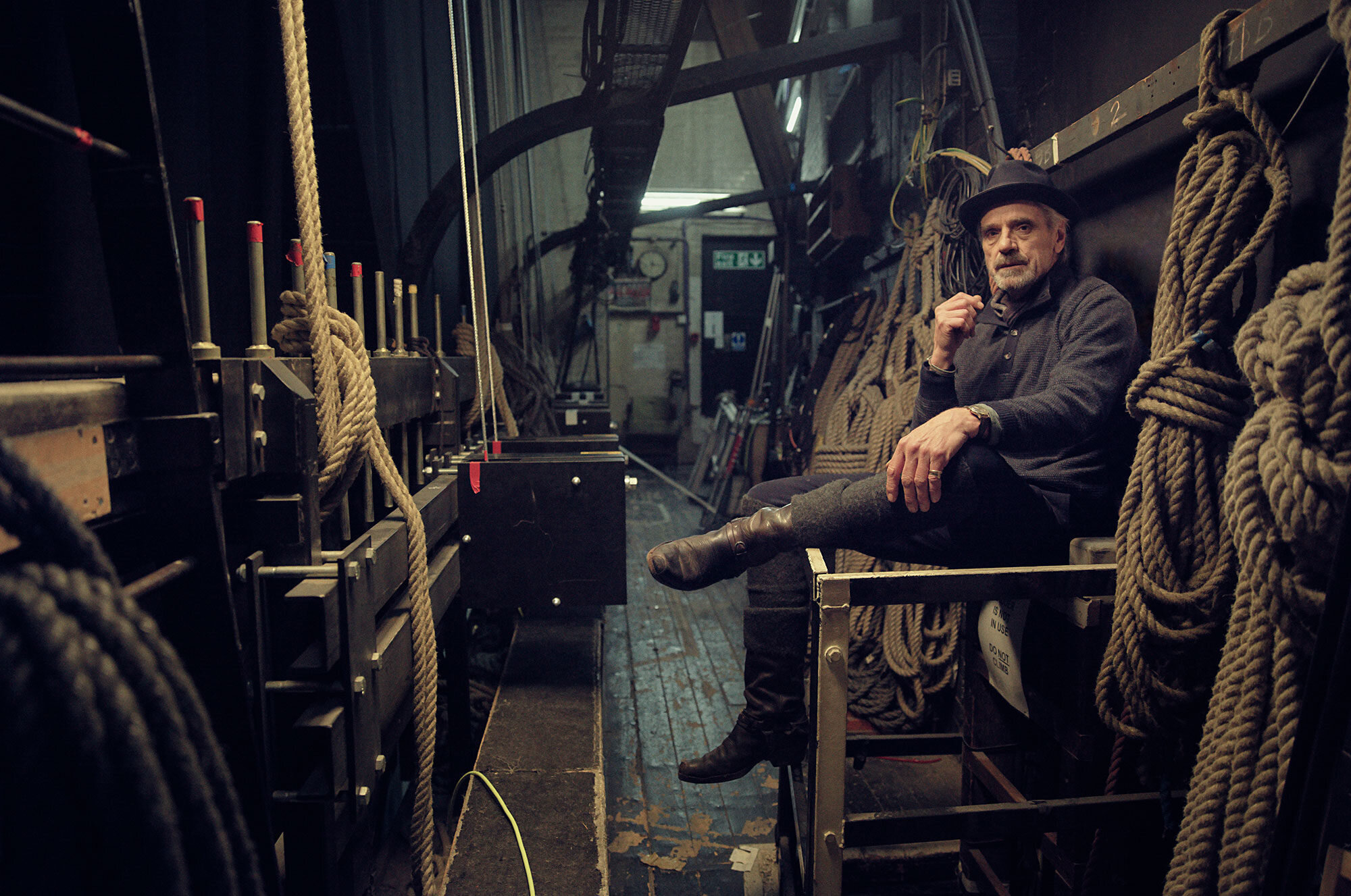
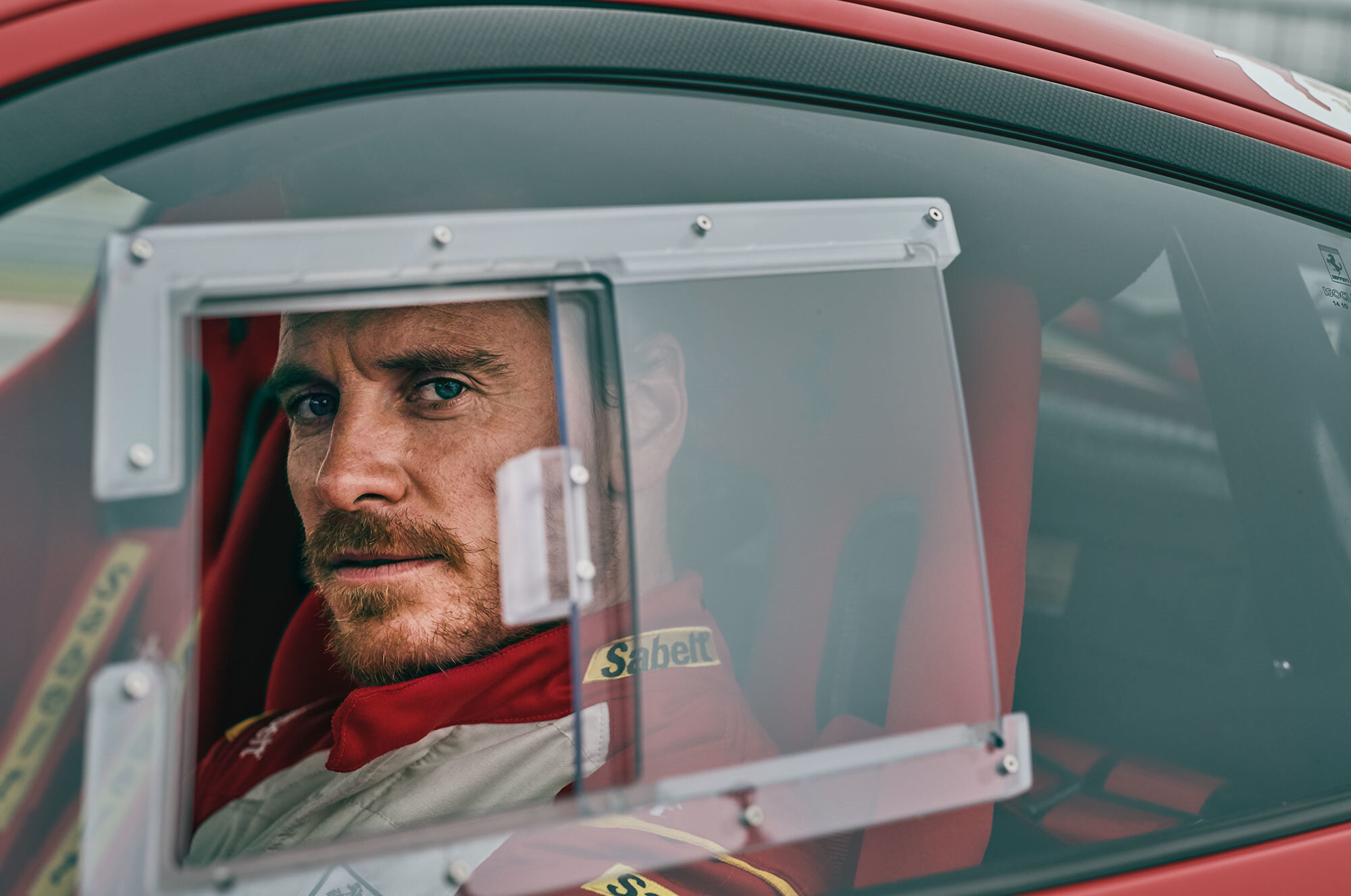
Recently Charlie entered NFT art market from a position of a photographer, what make the whole buzz around cryptoart shaping more sense by delivering quality works ahead of CG experiments. Follow or bid on his works by the link below:

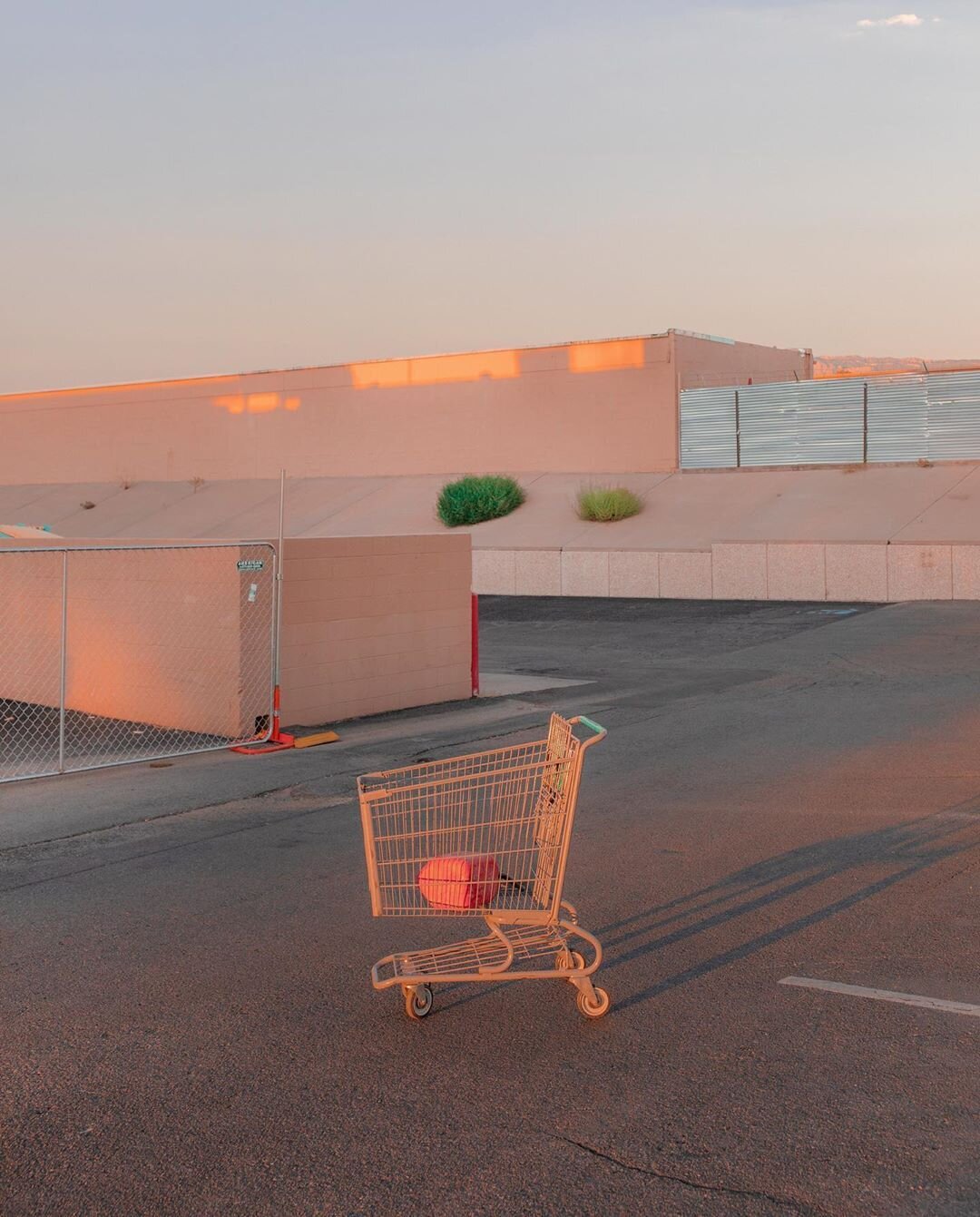
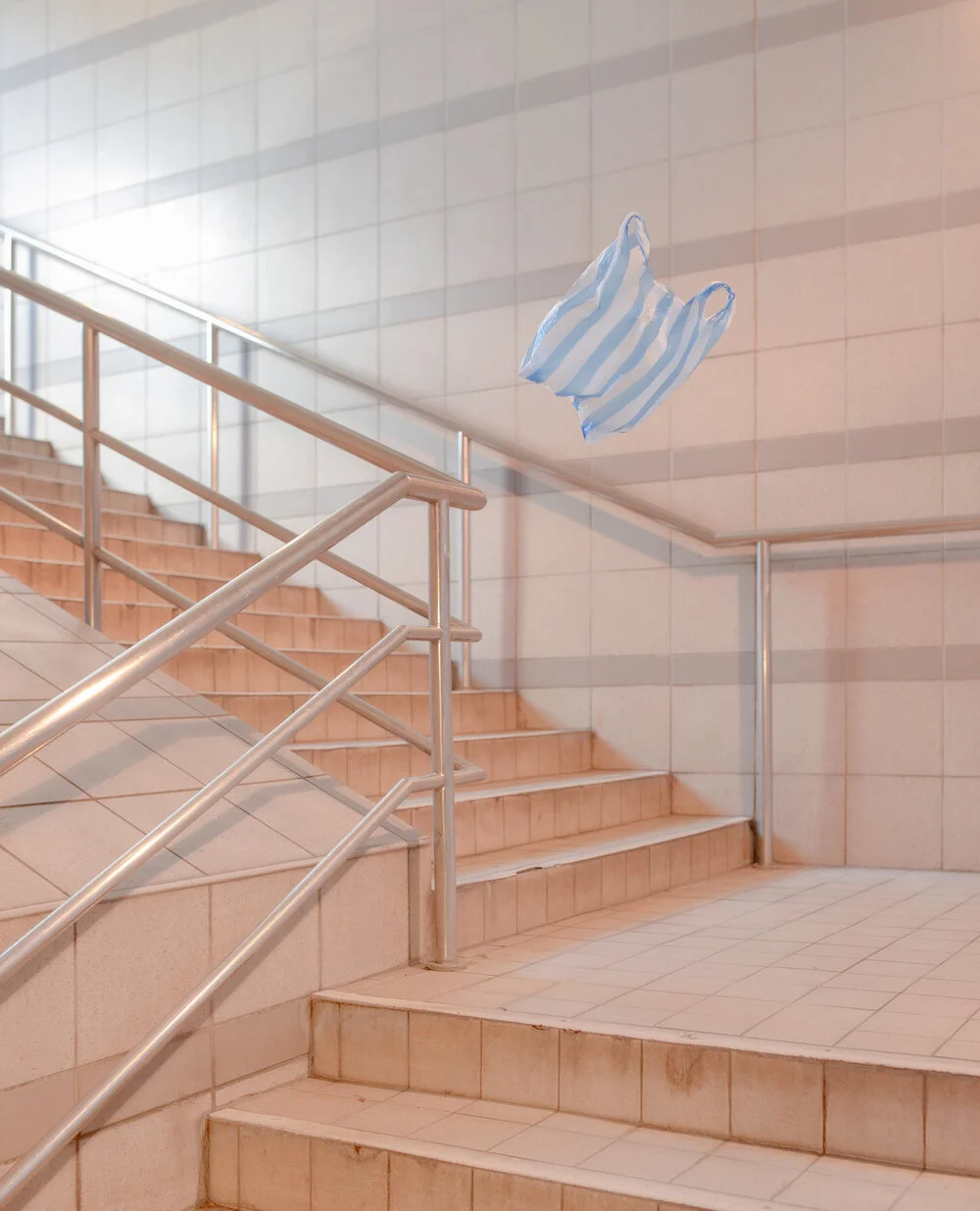
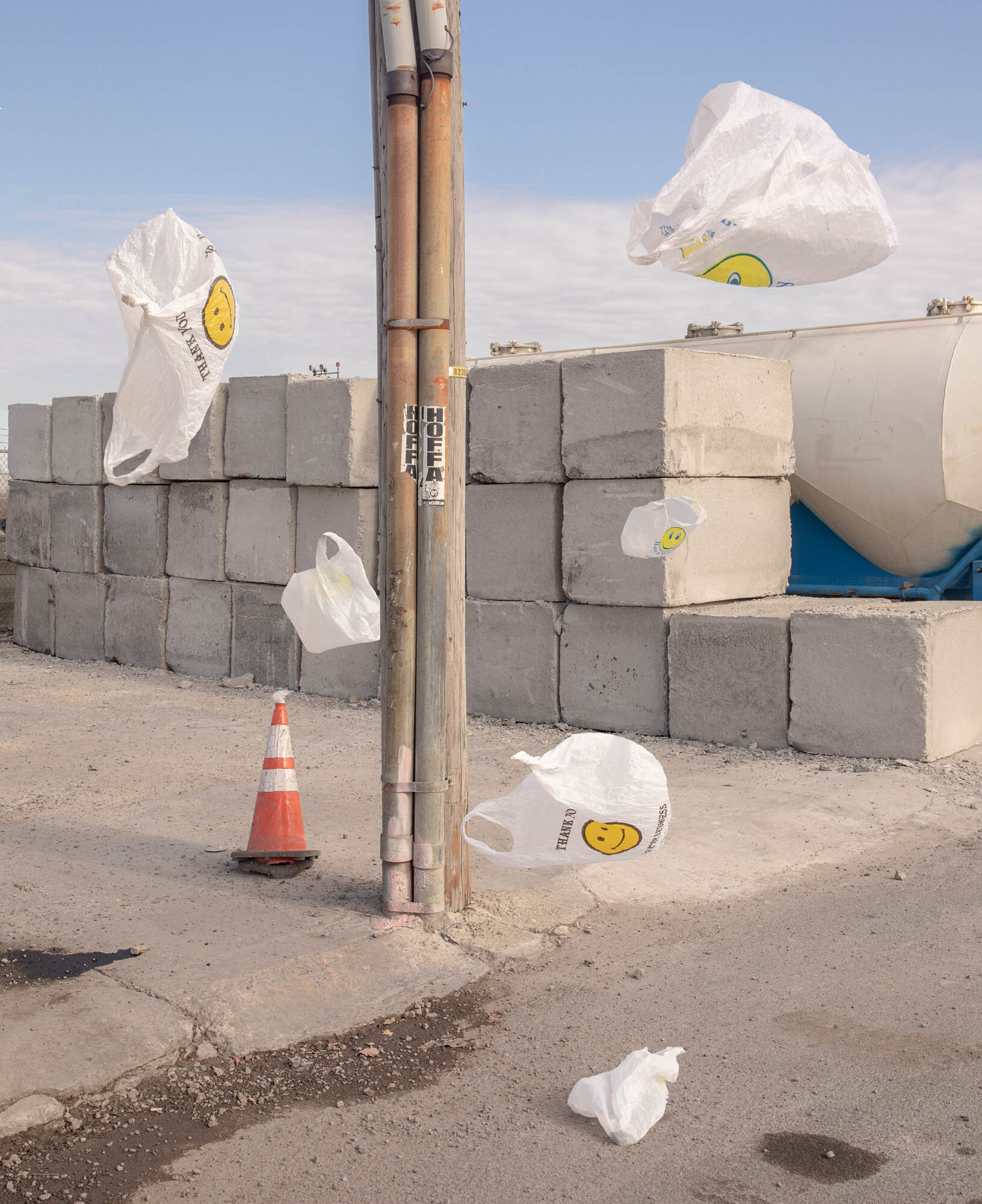
New York-based photographer and art director Arch McLeish likes the solace of empty places. His photography embraces traces of people, freeing up the space they leave behind for a myriad of interpretations.
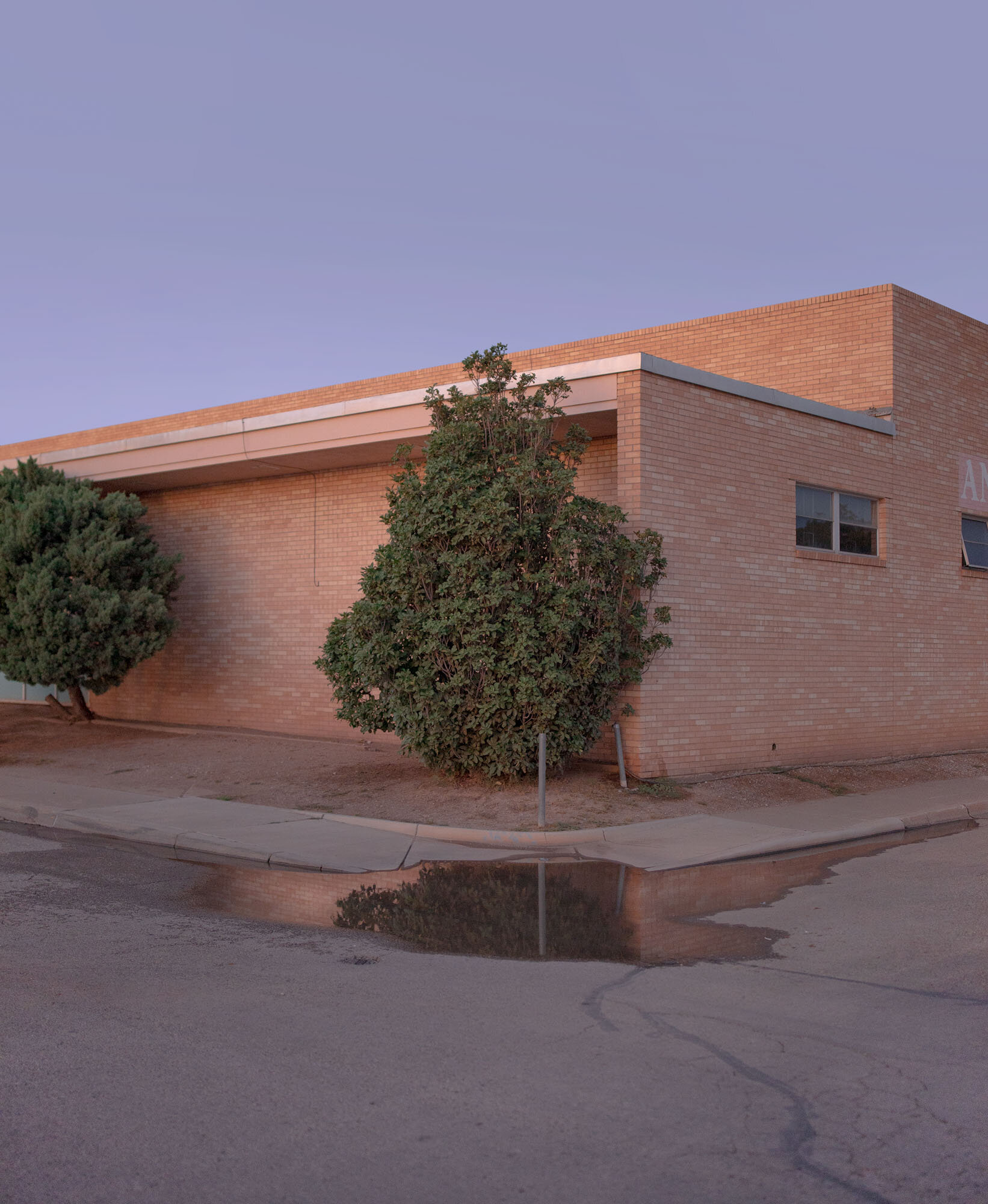
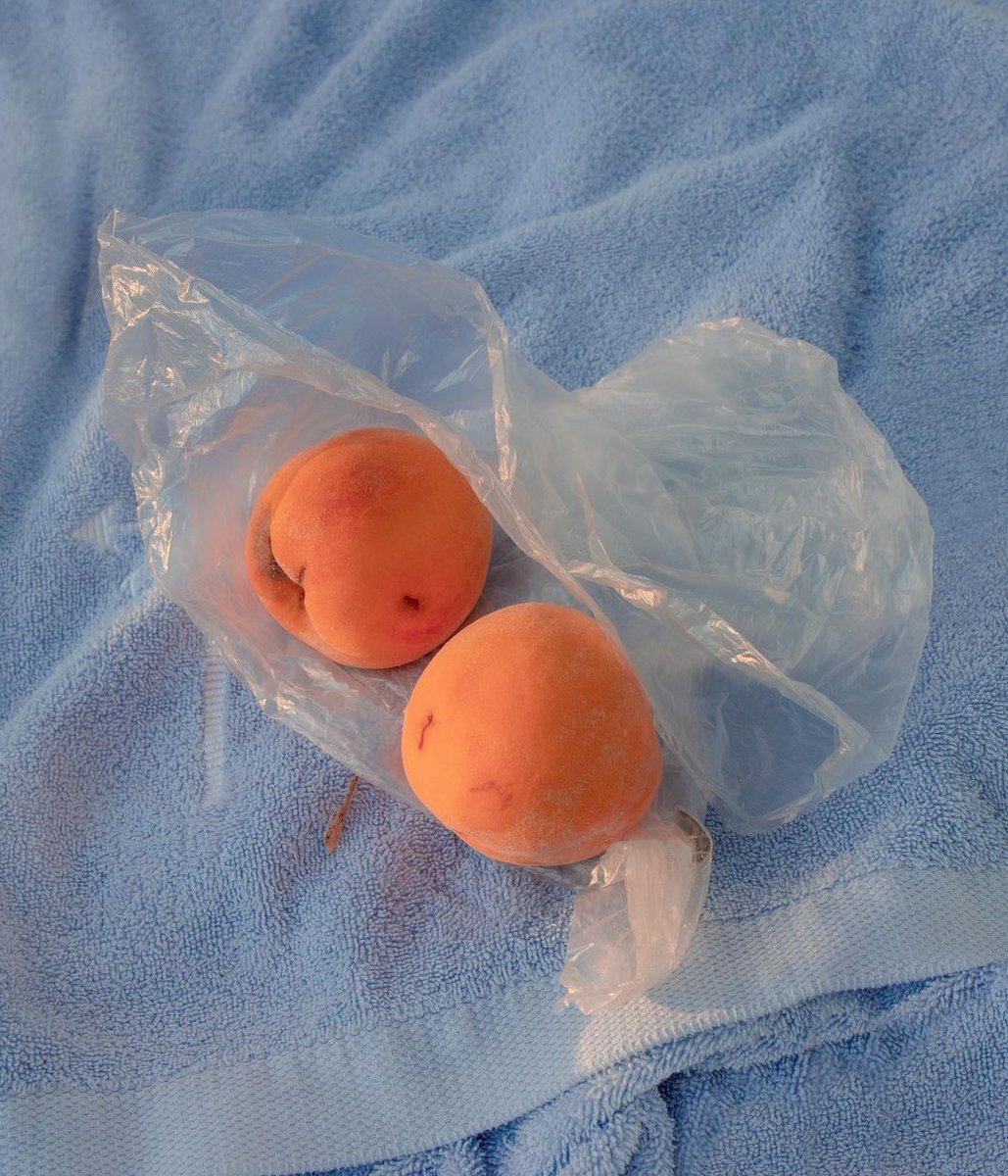
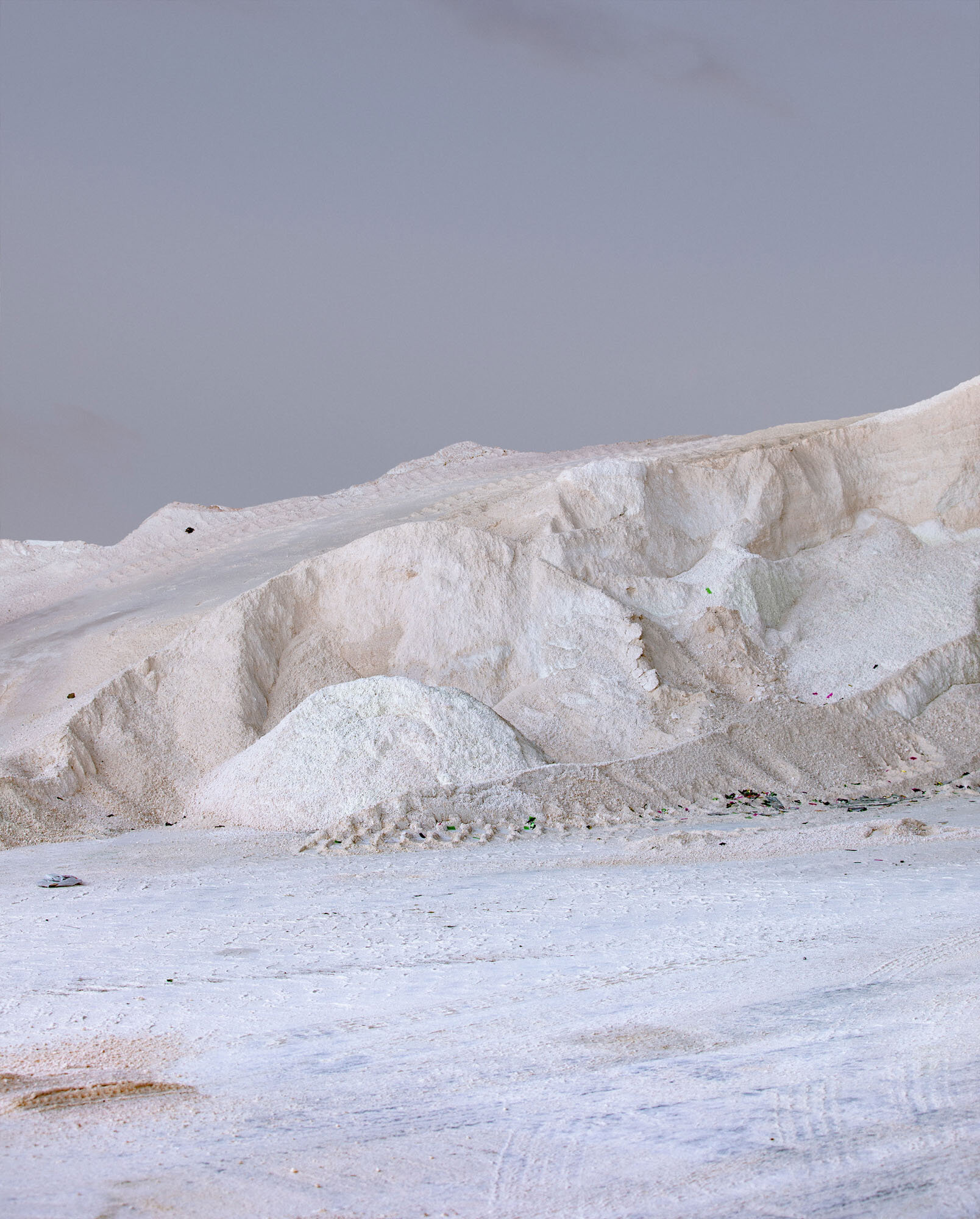
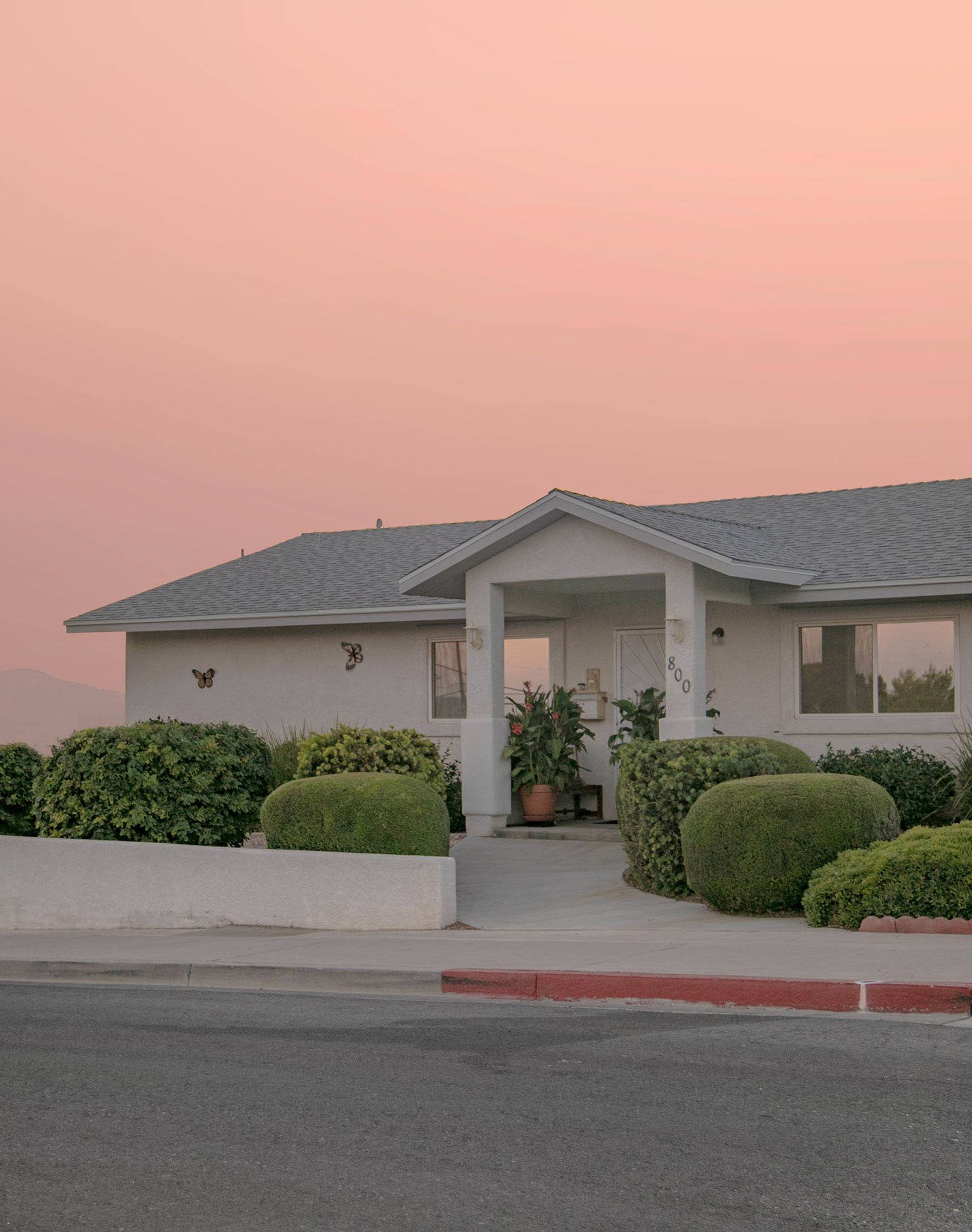


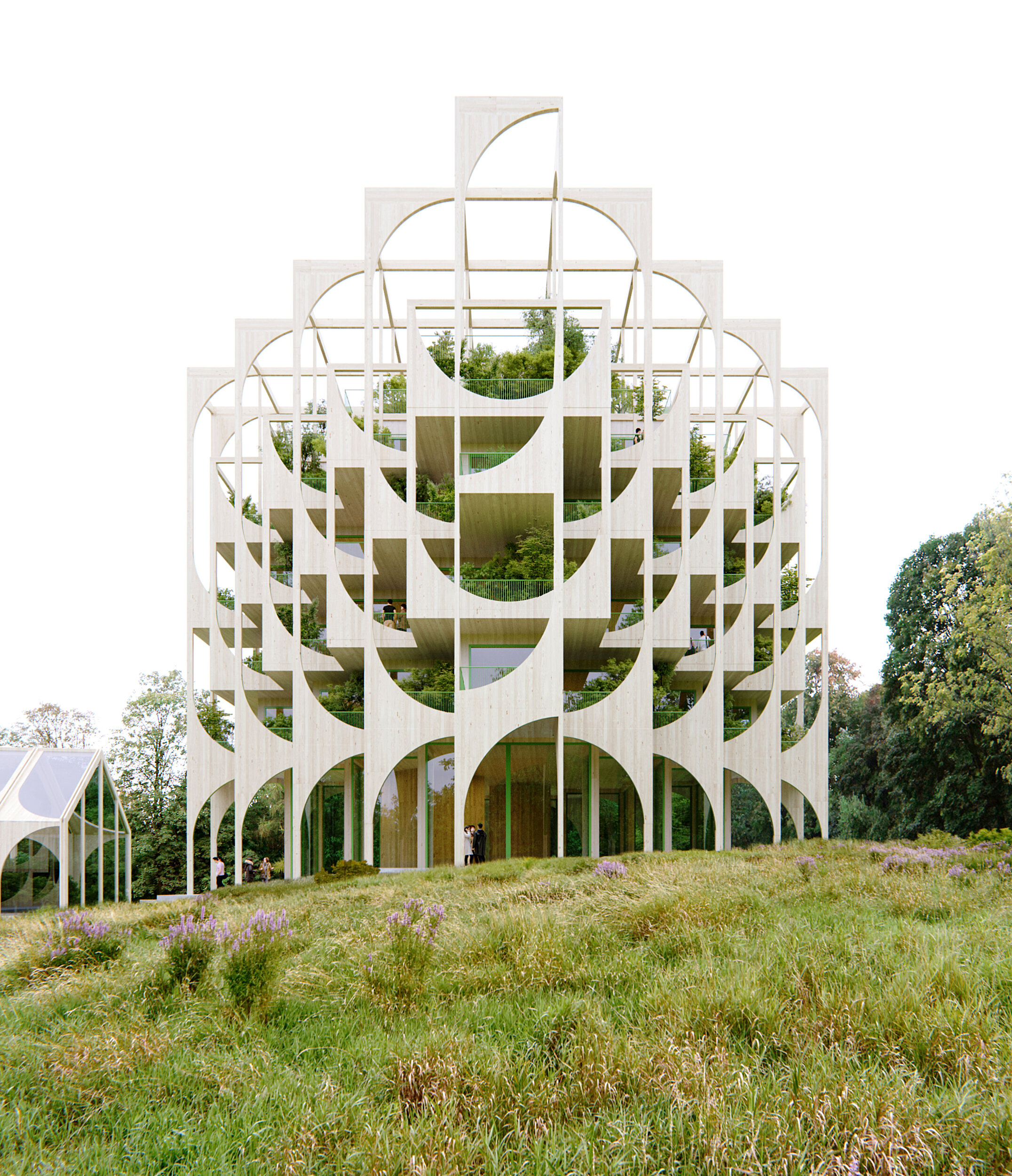
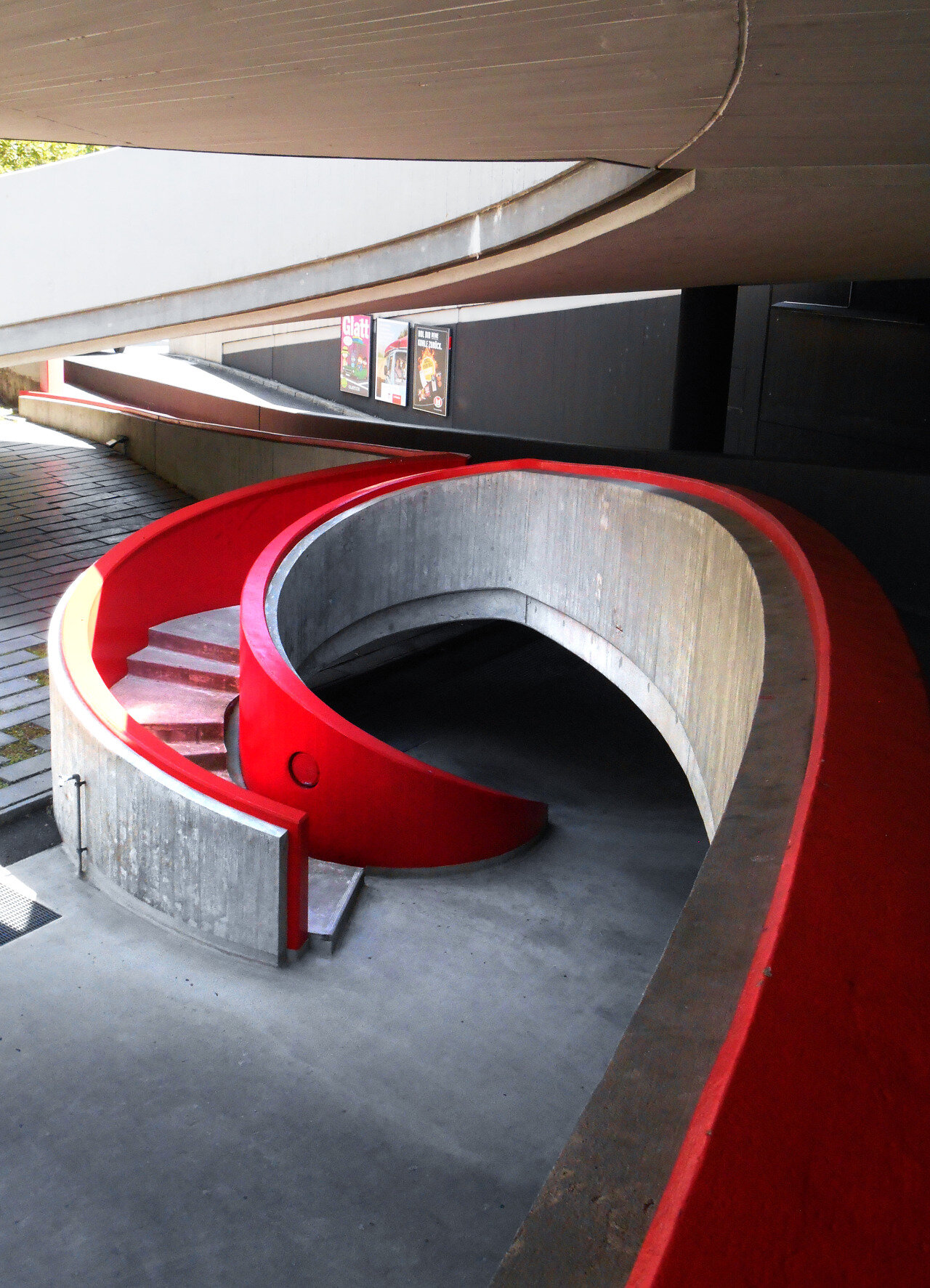
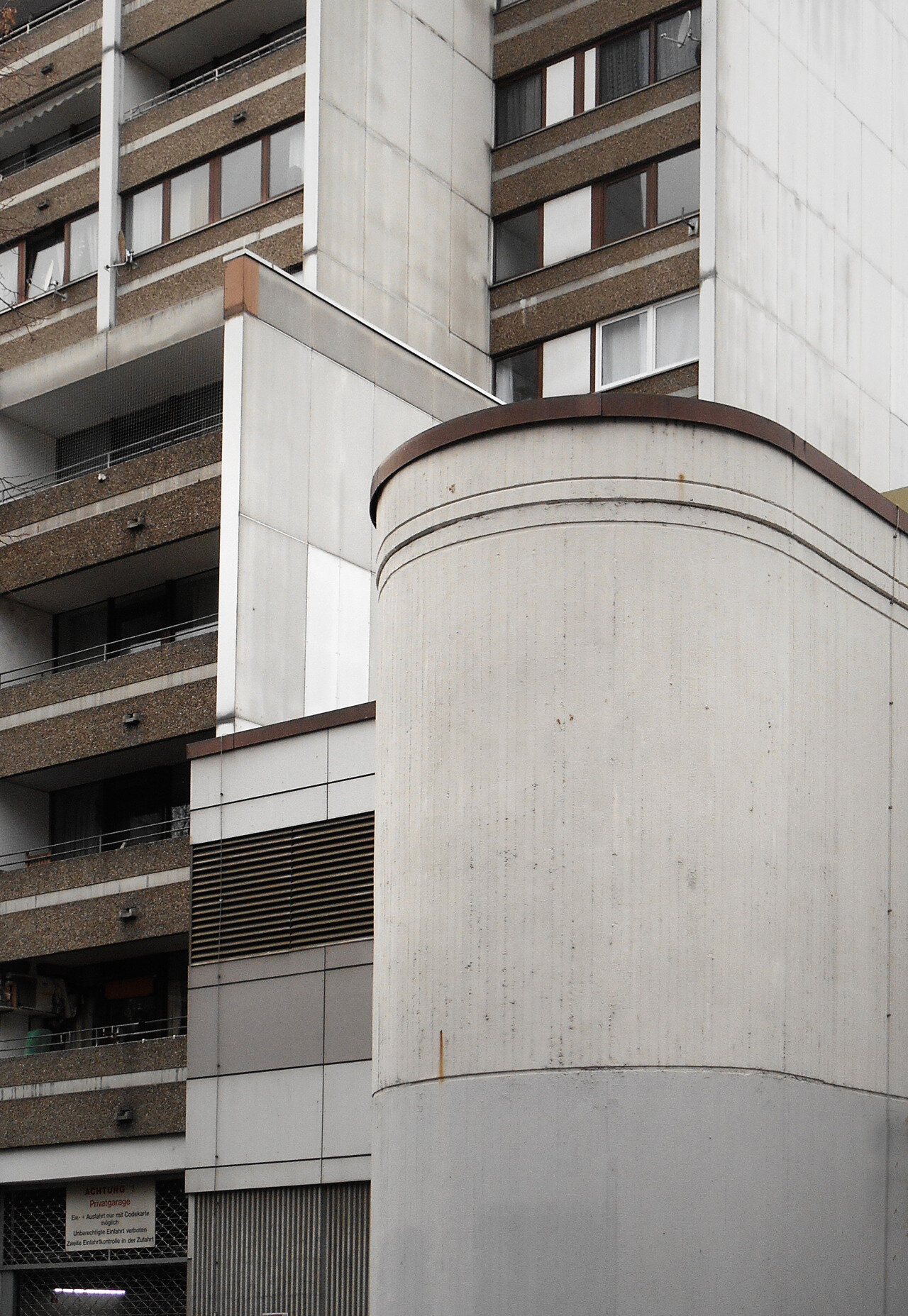
Interdisciplinary designer Weronika Dudka is a master of many talents, where architectural photography is only a part but took us all. Her trained eye frames the meaning of each brutalism building she photographed.



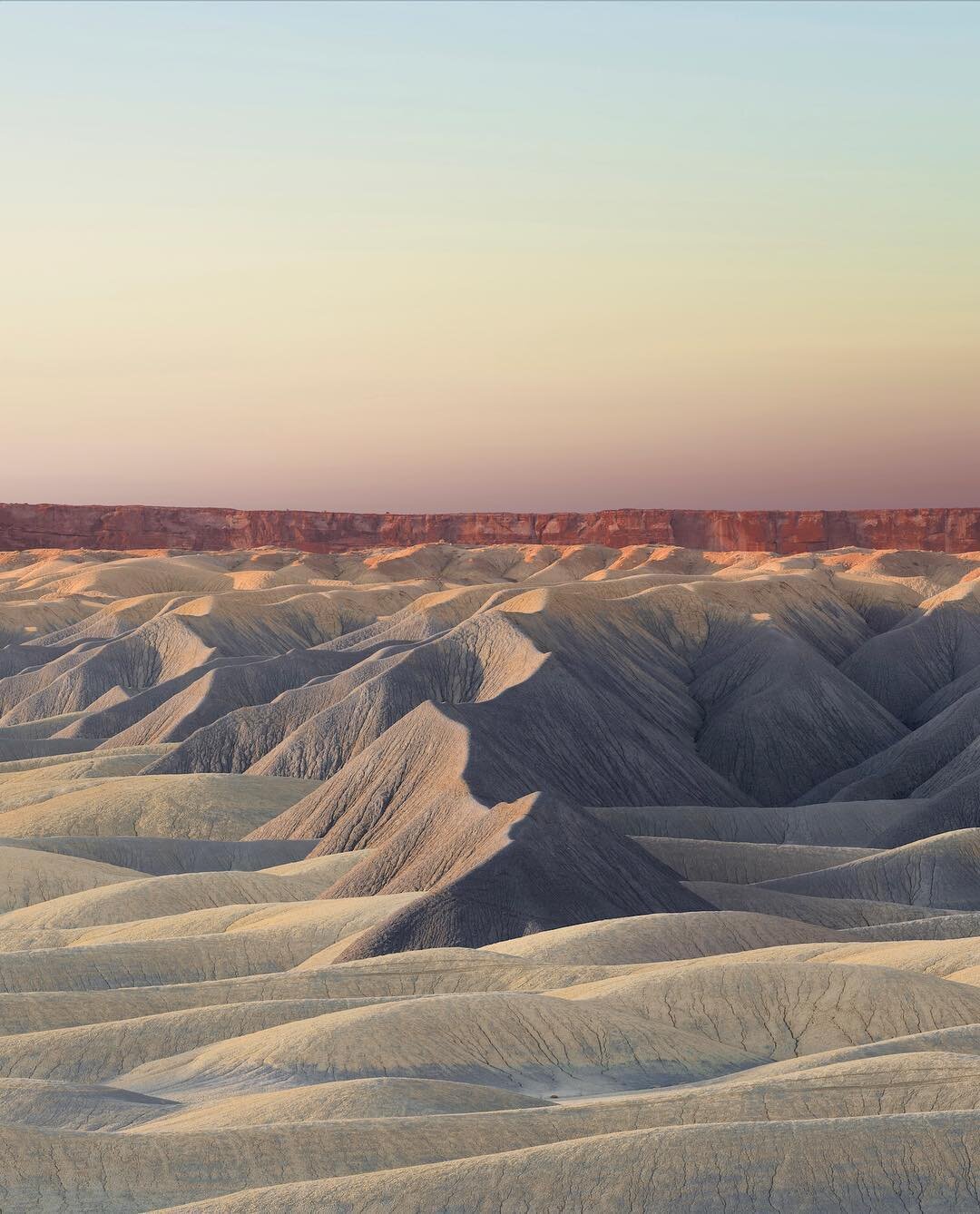
Mixed media artist Benjamin Everett started out as a graphic designer and landscape painter before taking up photography. He transforms real places into surreal landscapes that inspire us to dream.

In 2018, he won the renowned Hasselblad Masters Award in the landscape category.


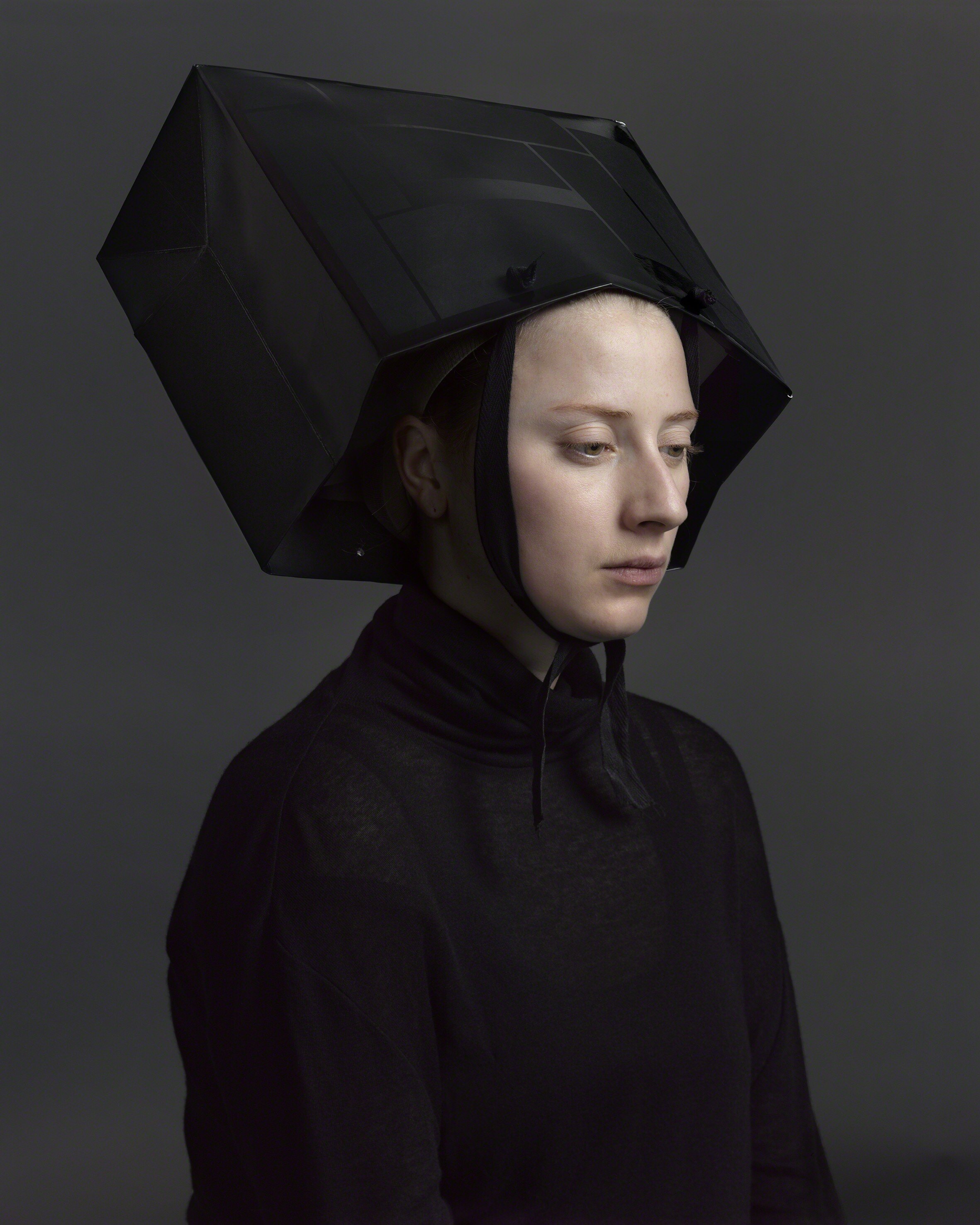
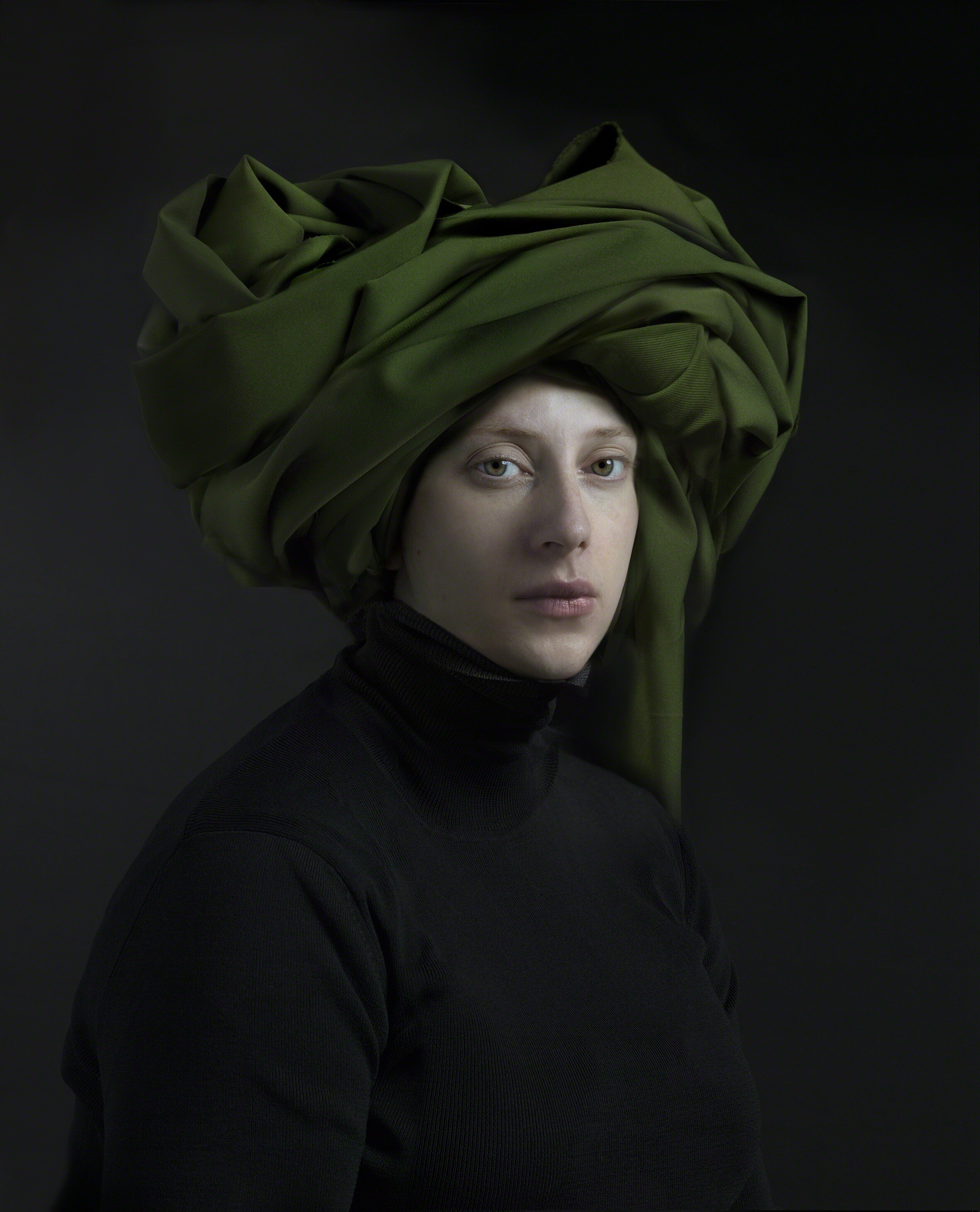
“Hendrik Kerstens did not train formally as an artist. however, he wished to devote himself to a more creative profession and in 1995, at the age of forty, he left the business world and took up photography. His wife Anna worked full time to support this change of direction. in a reversal of more traditional roles, Kerstens cared for their young daughter Paula, while also studying photography during the day. Having a child left a deep impression on Kerstens. Through photography, he explored the accompanying feelings of responsibility, vulnerability and love he felt towards his daughter, starting with documentary family snapshots.
As Paula physically and psychologically grew, Kerstens searched for an artistic manifestation of these changes, leading to his interpretations of the great dutch master painters of the 17th century with Paula as his muse”
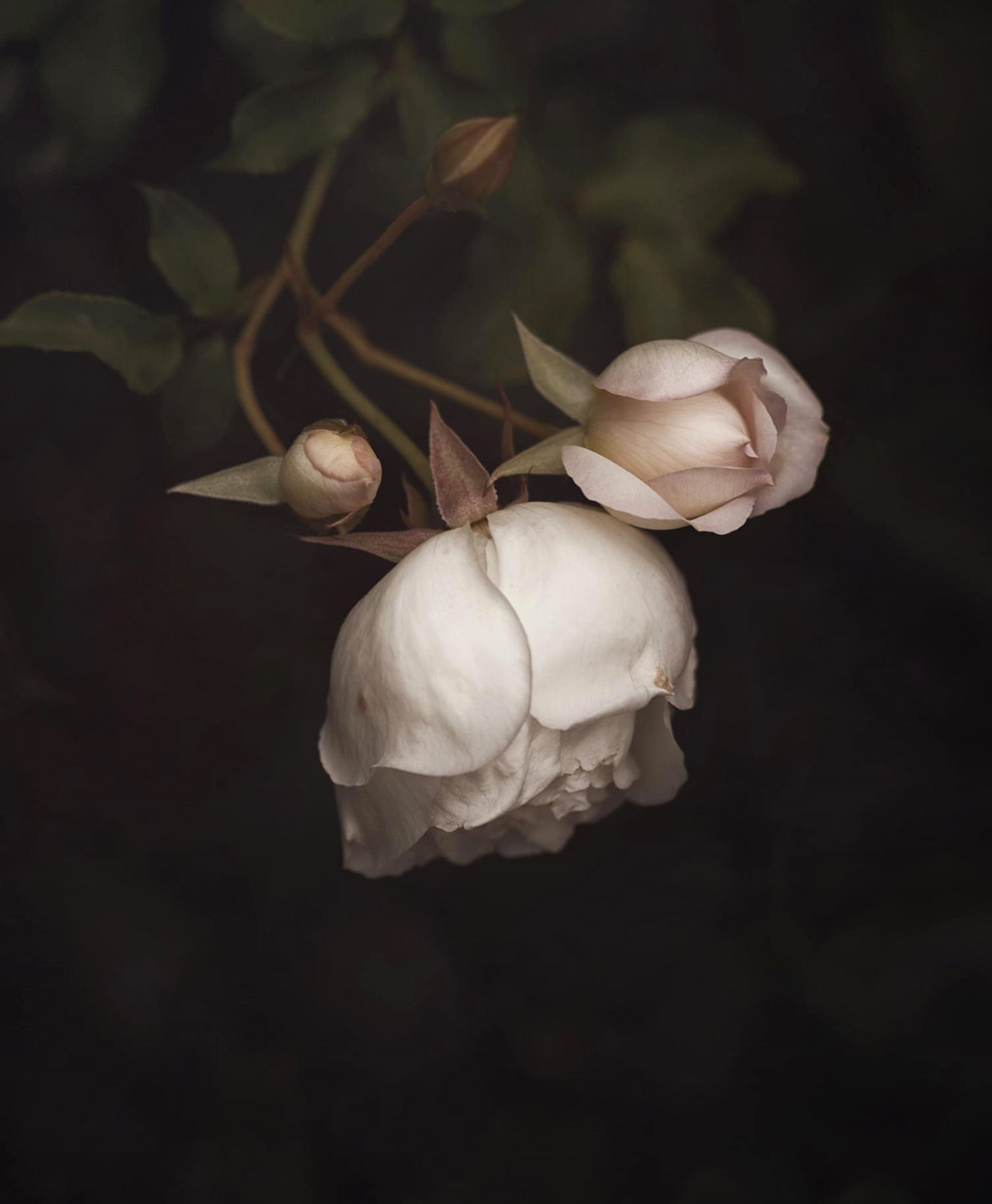
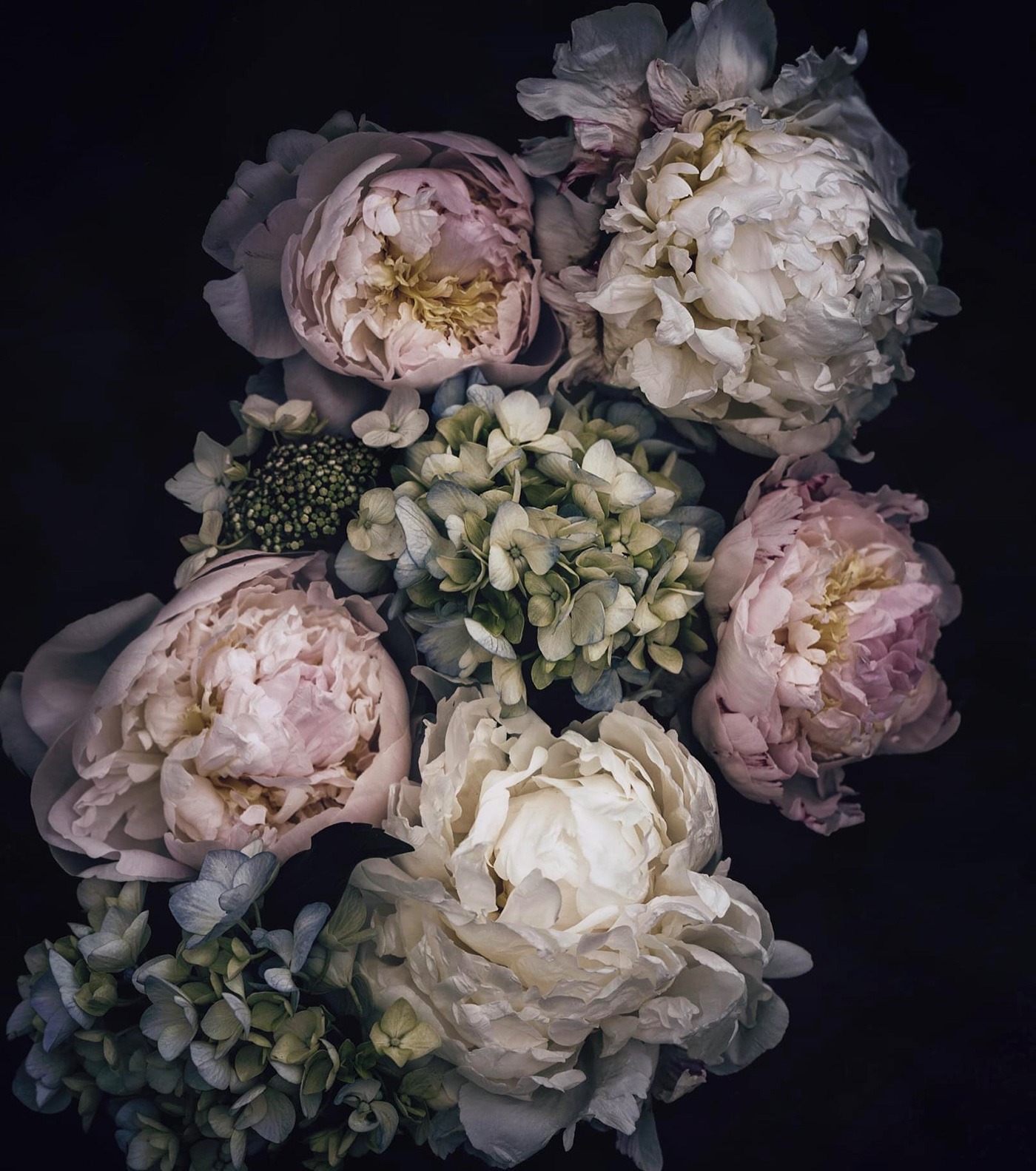
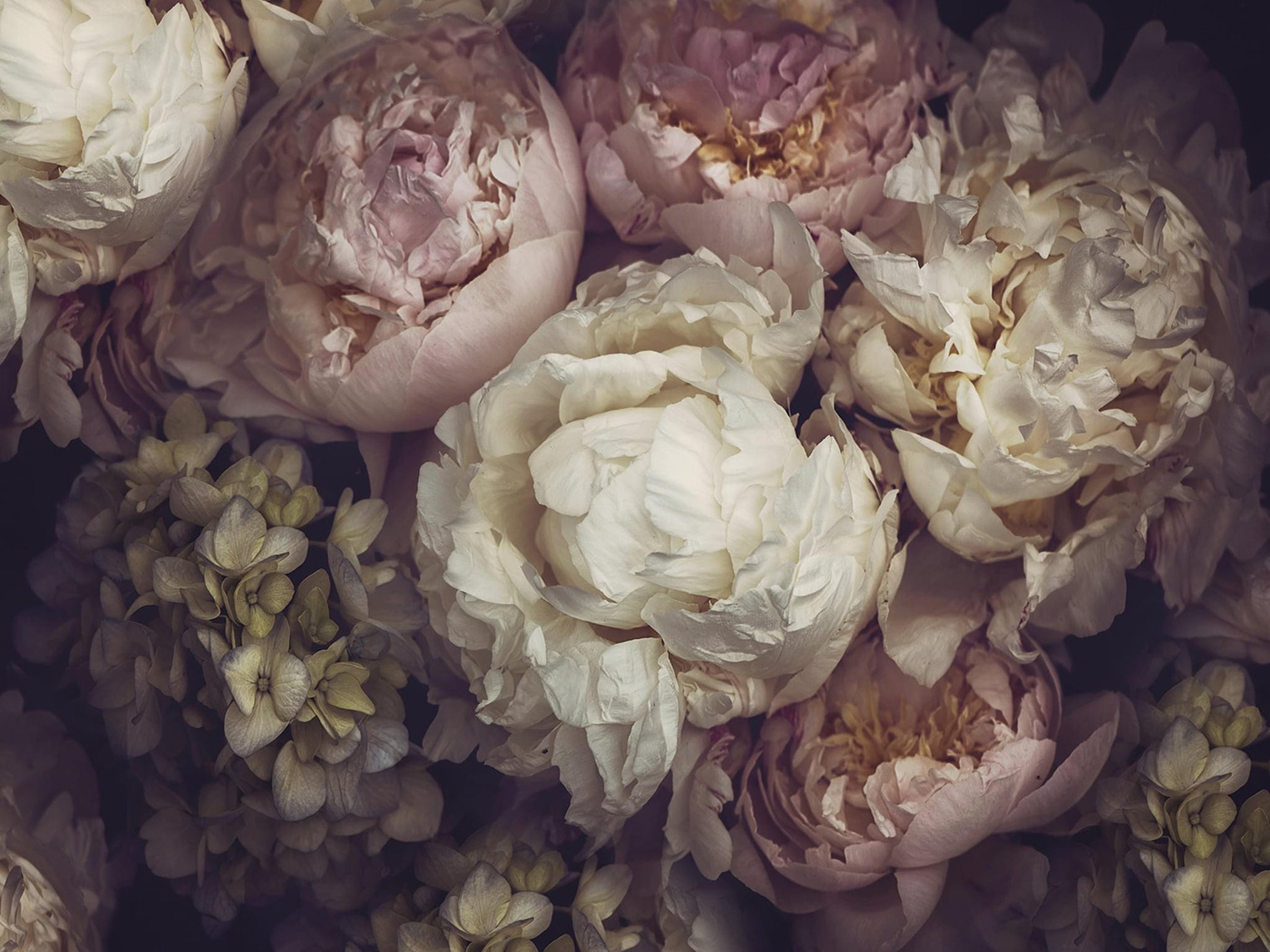
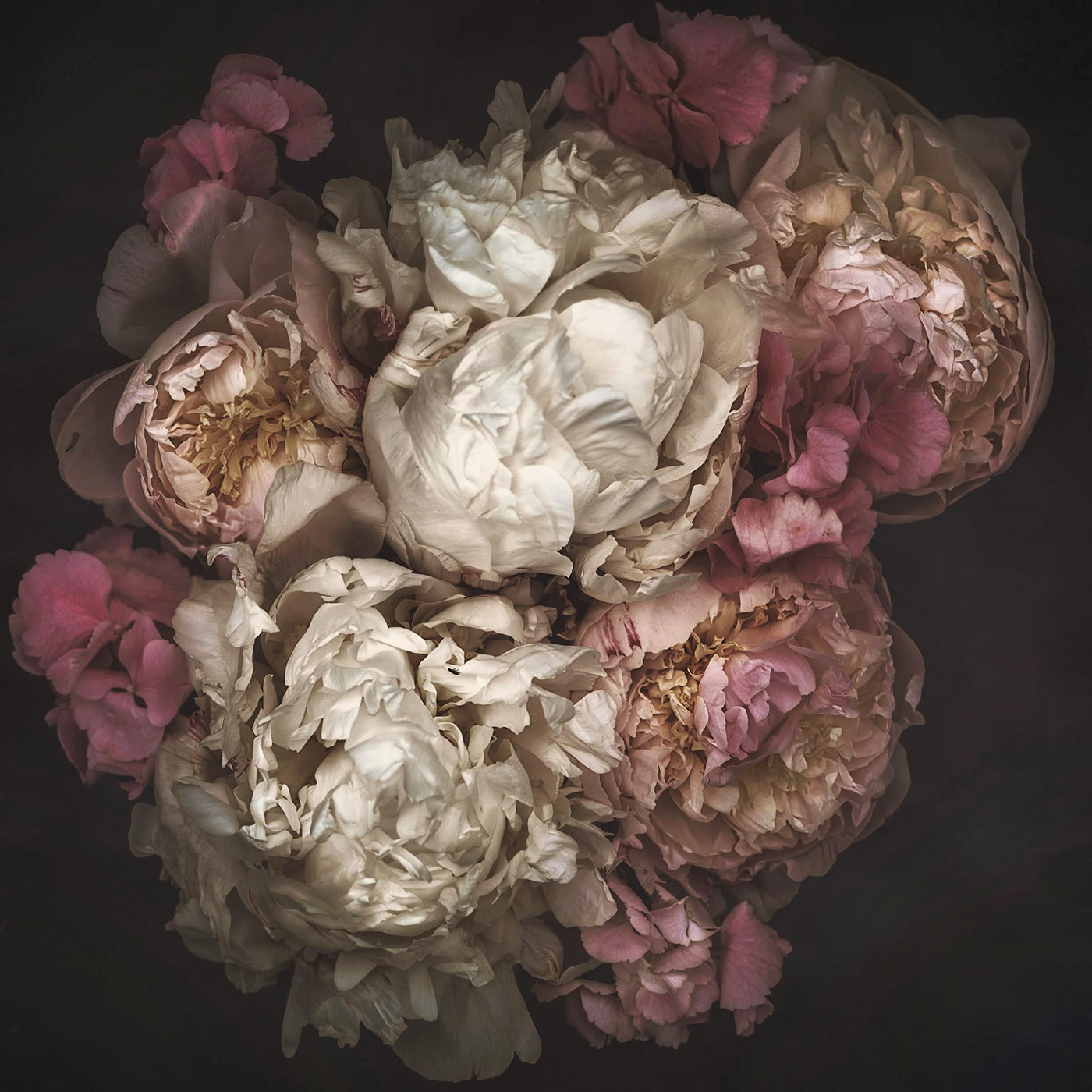
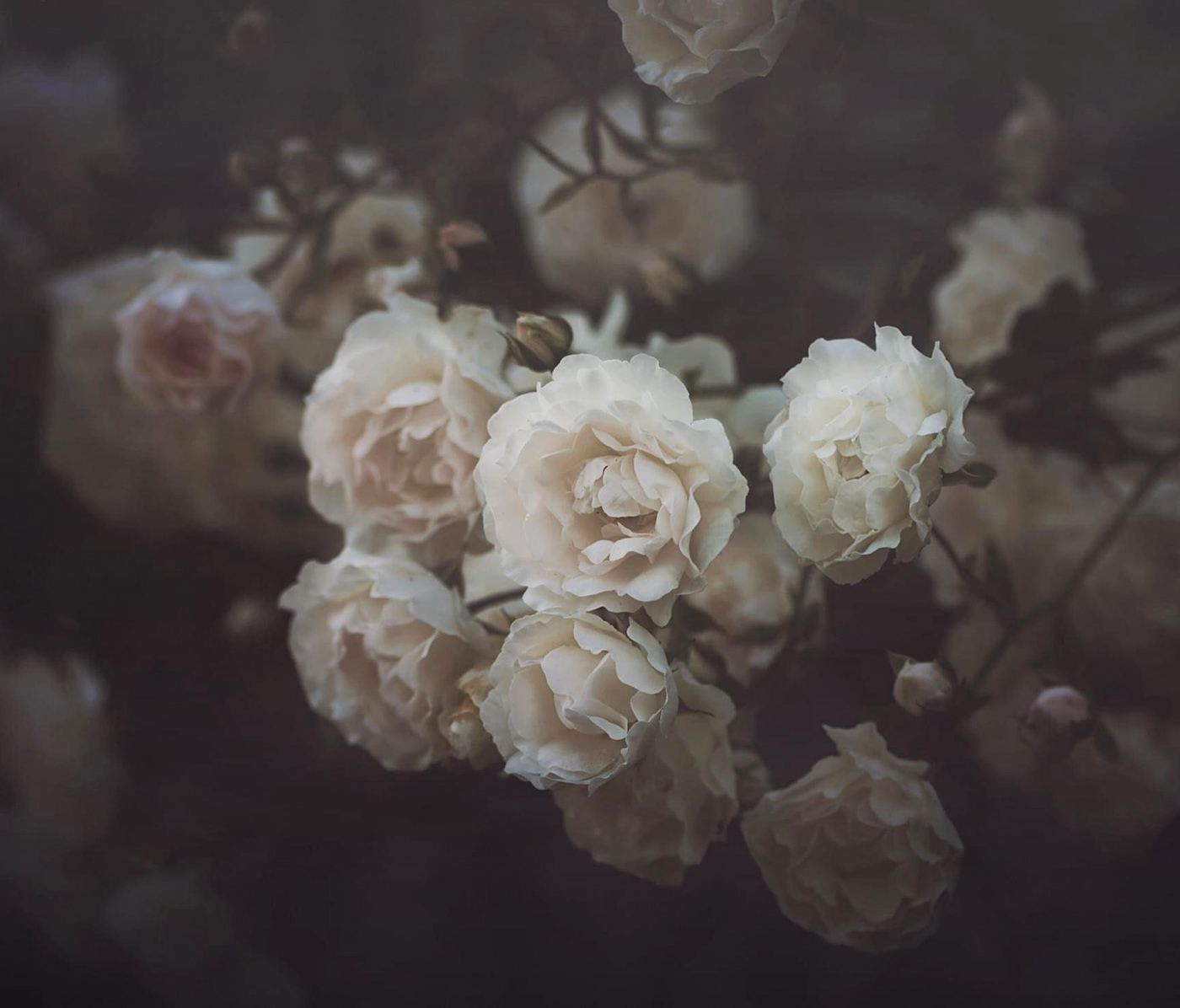
Auckland based fine art photographer Marine de Wit uses camera as both paintbrush and paint working with natural light, blur and gorgeous textures

Fabian Oefner`s work explores the boundaries between time, space and reality. He creates fictional moments and spaces, that look and feel absolutely real, yet aren't. Through this, Oefner dissects the different components of reality and gives us a clearer understanding of how we perceive and define it.

Inspired by science, Oefner`s approach to art is highly methodical and at the same time playful for unexpected moments to happen. He creates carefully orchestrated works, that are planned down to the last detail as well as pieces, that use a loose framework for art to happen.

In his highly acclaimed "Disintegrating" series, the artist portrays performance cars, that seem to blow apart. He creates these artificial moments in time by photographing every piece of the dismantled car individually and arranges them digitally into one photograph. Spending hundreds of hours on each piece, the photographs become a hyperrealistic rendition of a moment, that never existed.
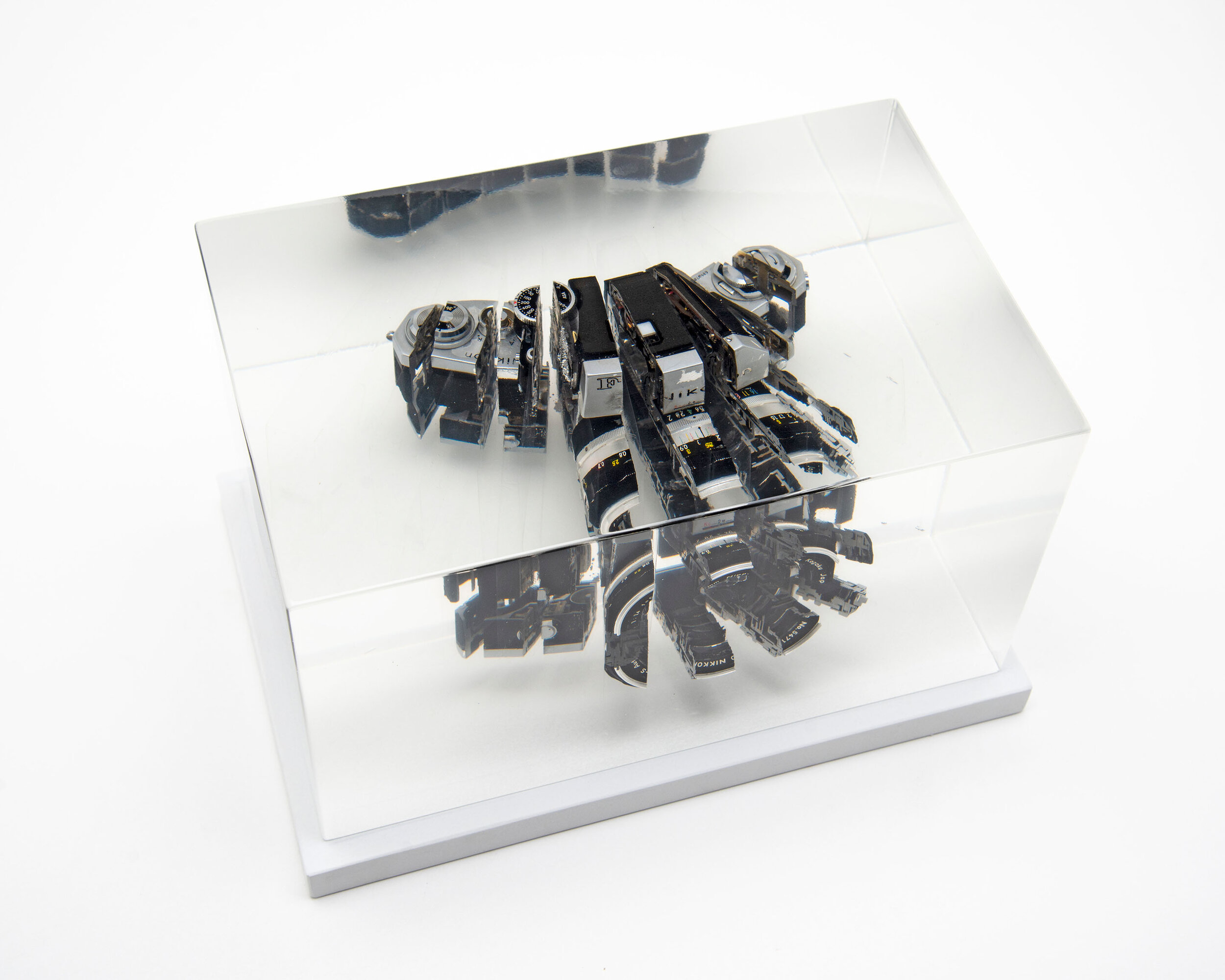
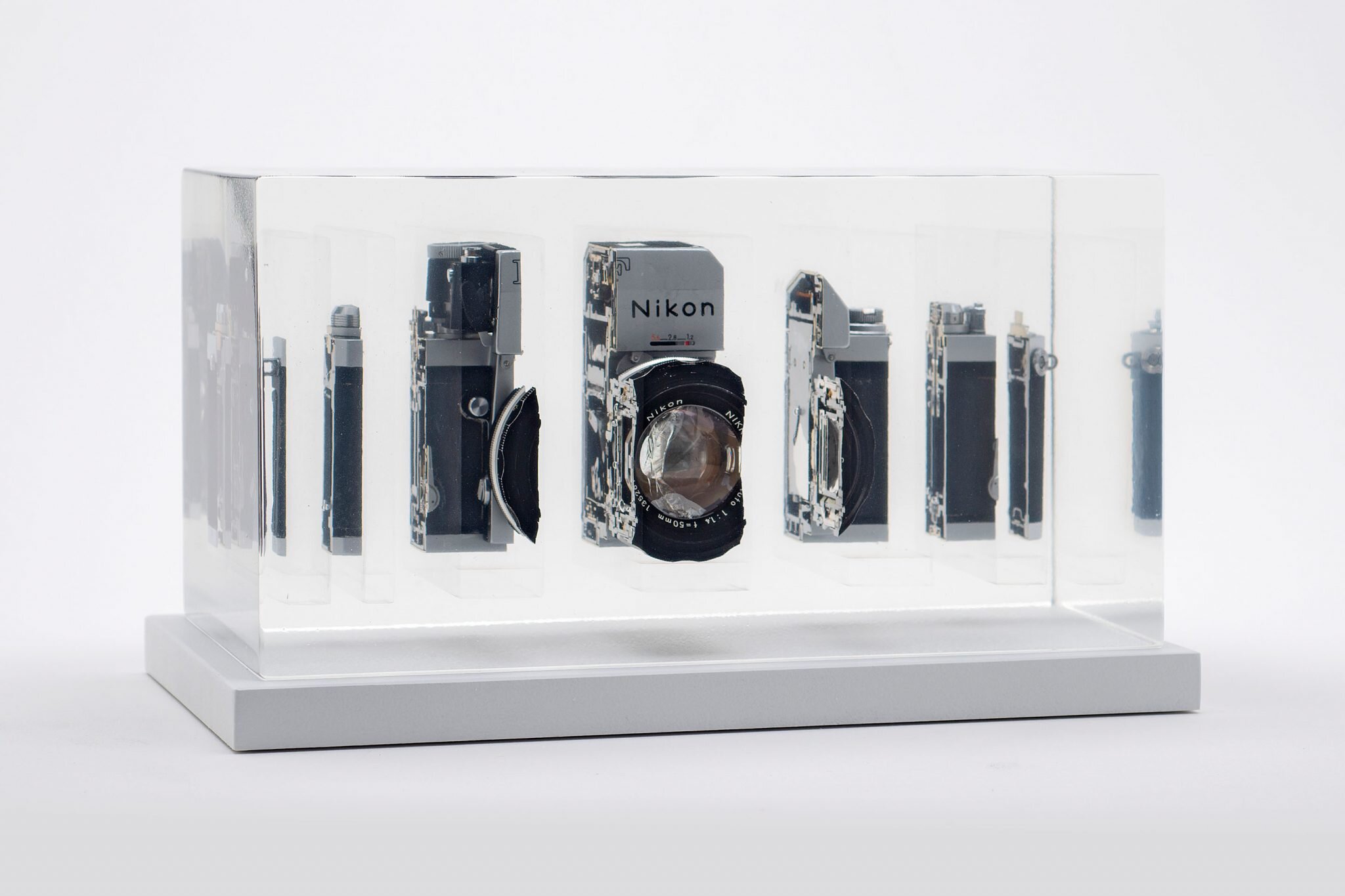
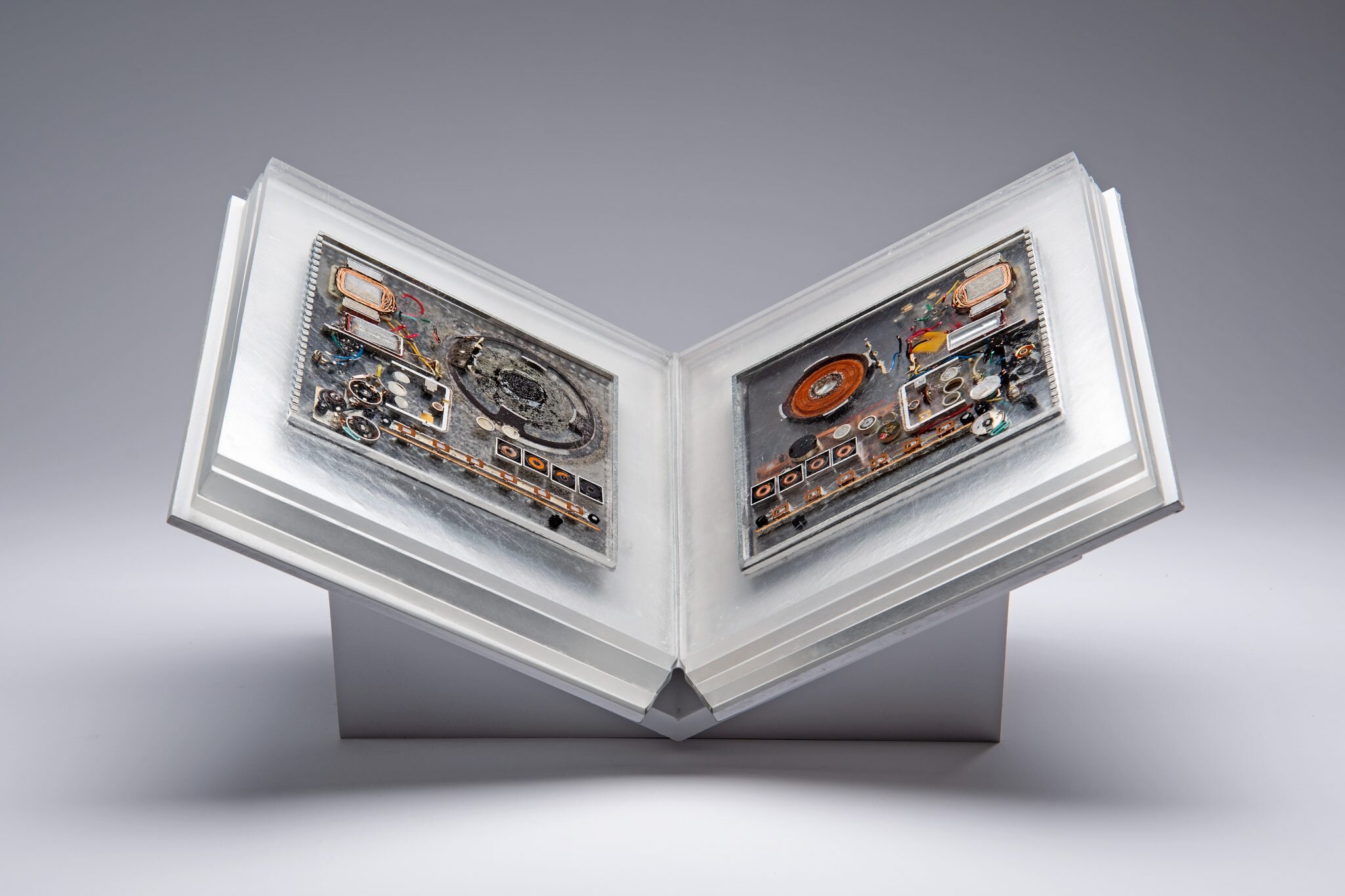
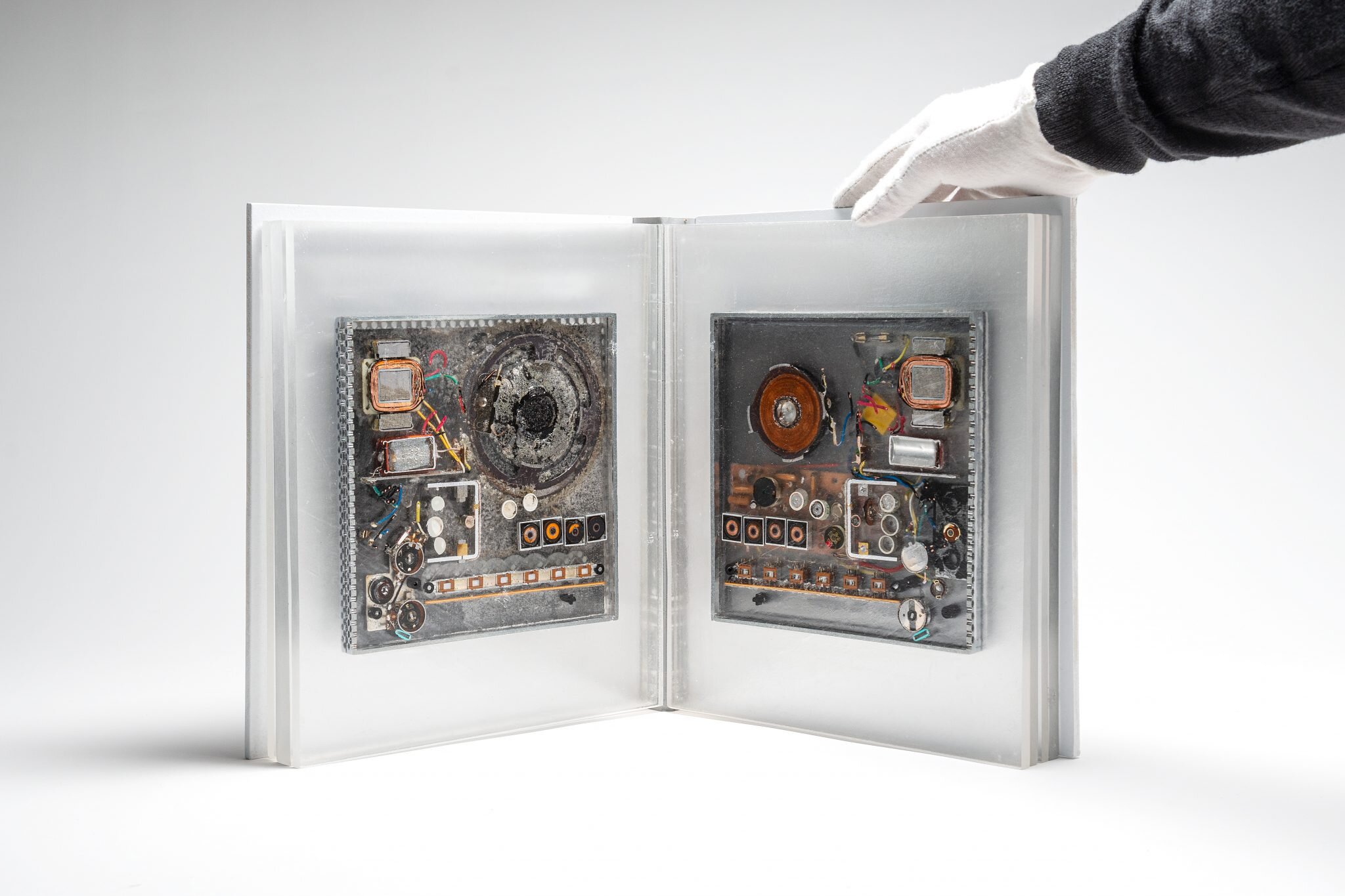
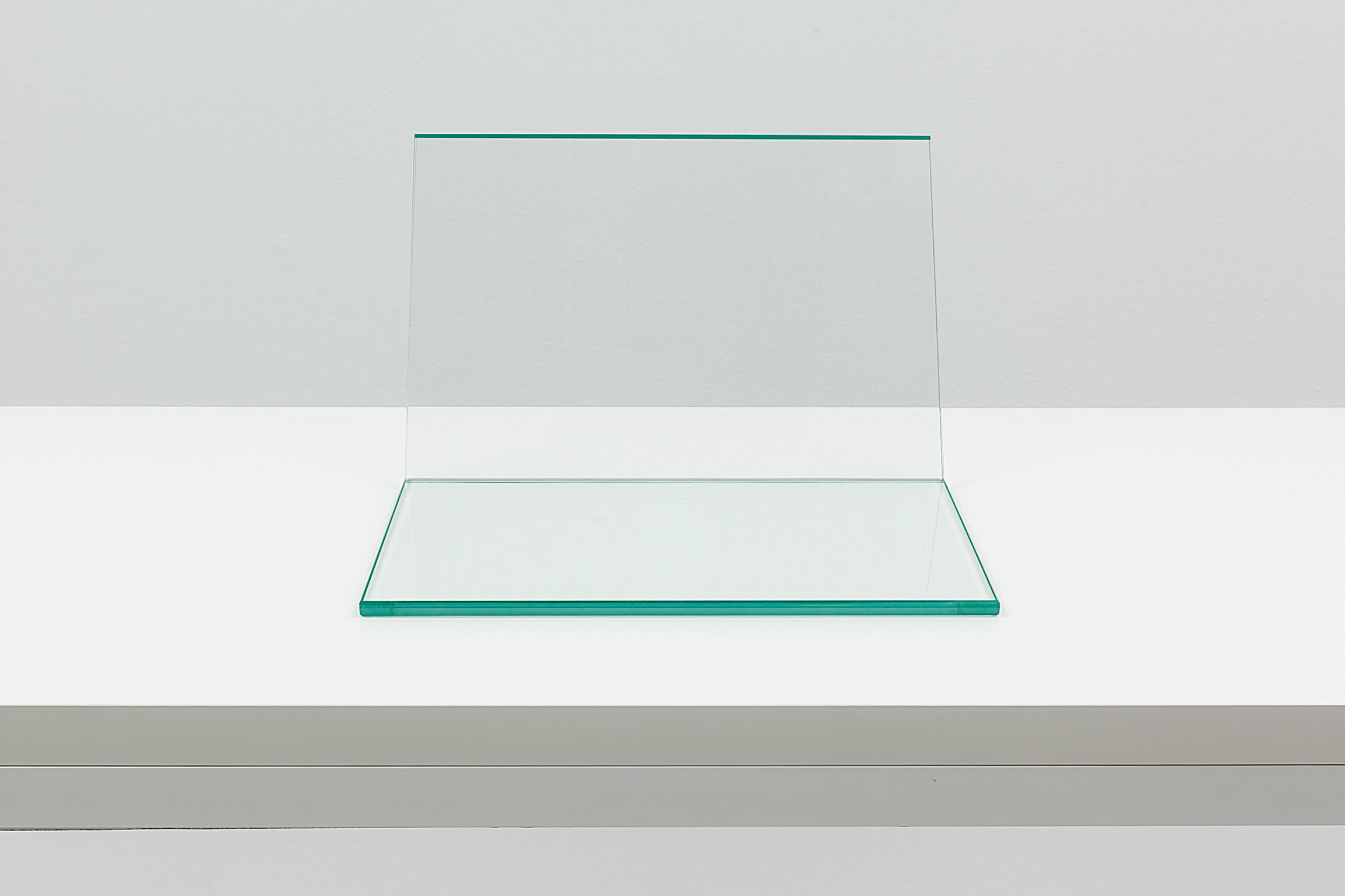
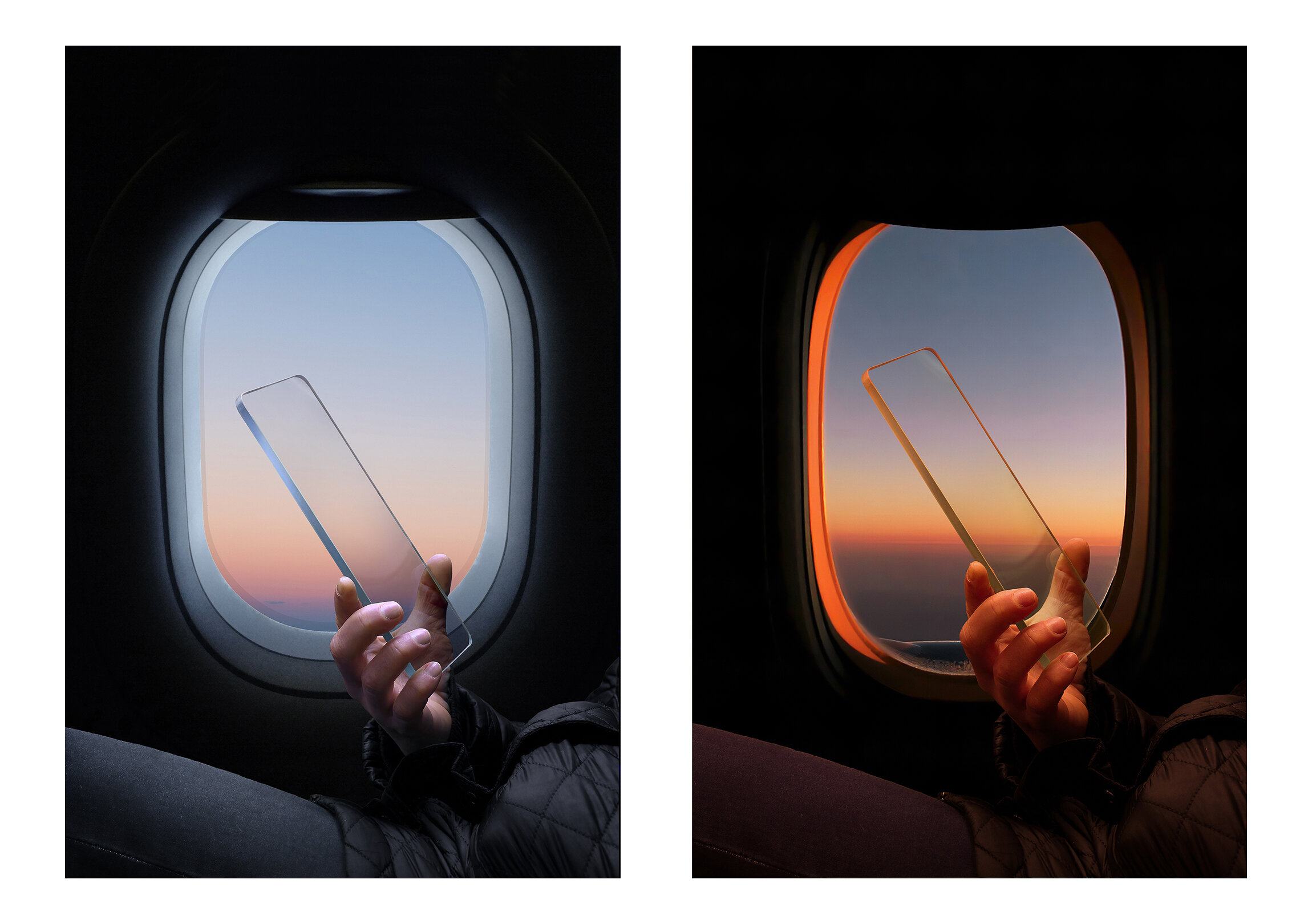
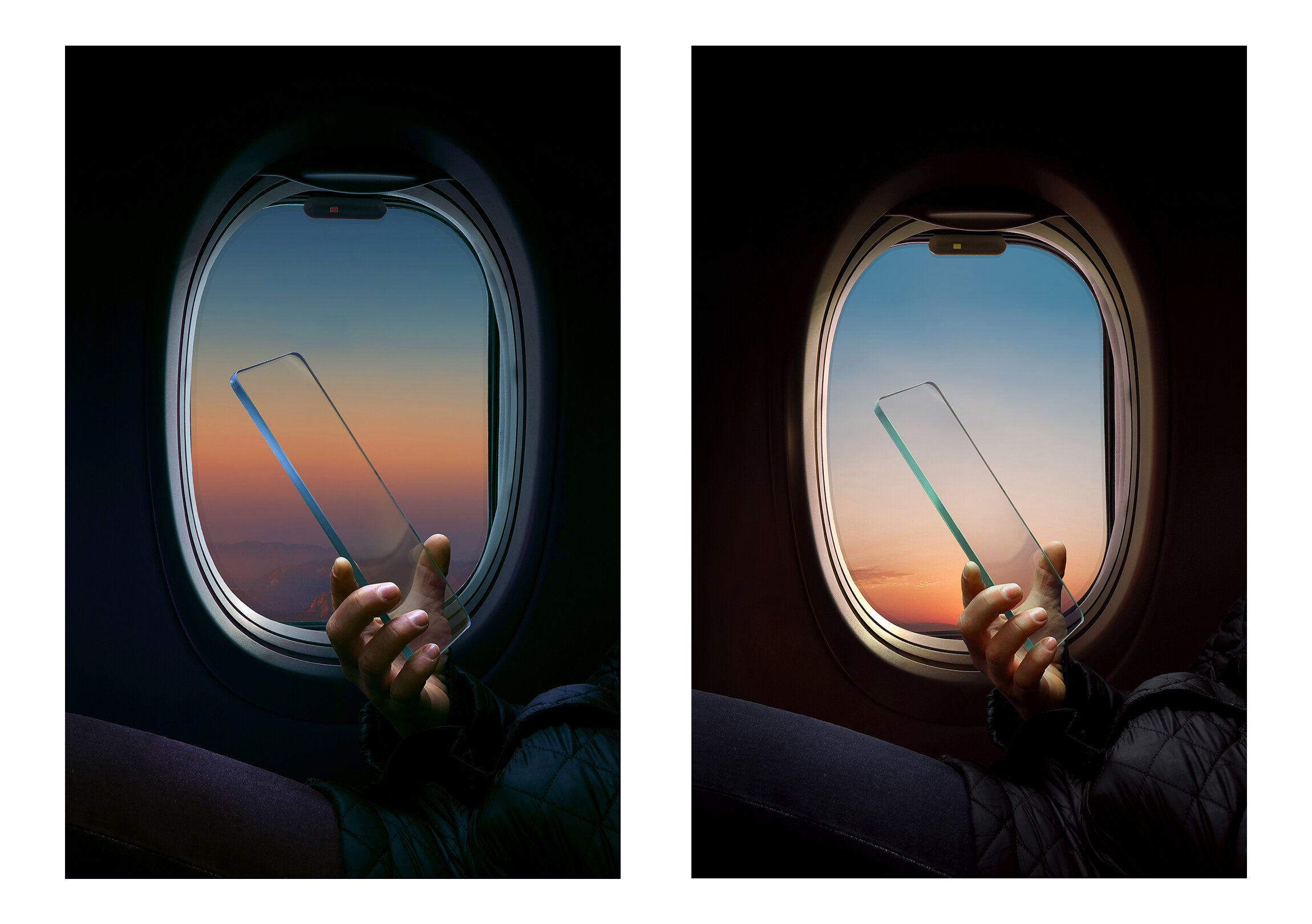
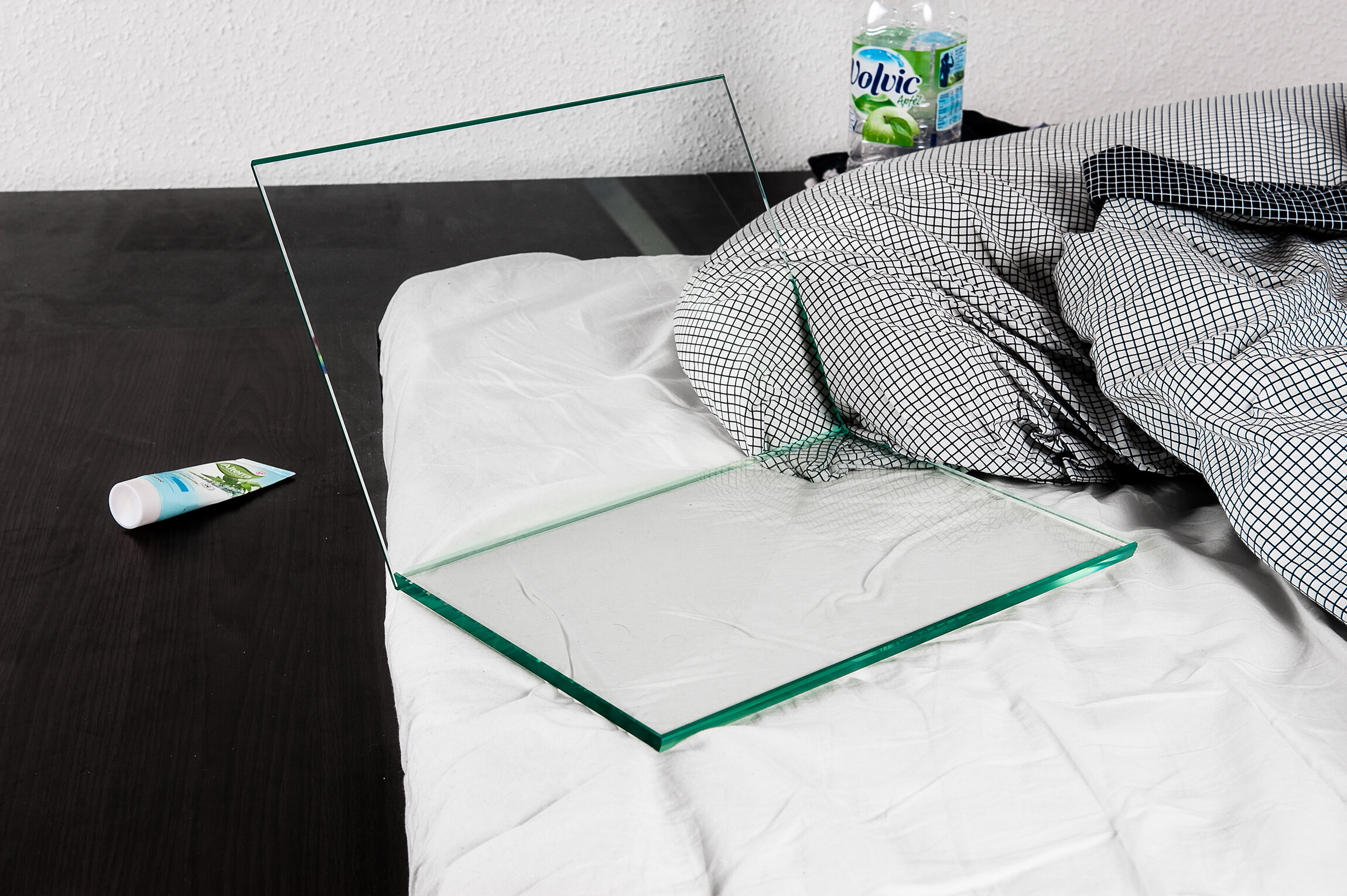
Started in 2013 the ongoing research on glass screen as metaphor of a digital being is a central focus in Tilman Hornig career as an artist.
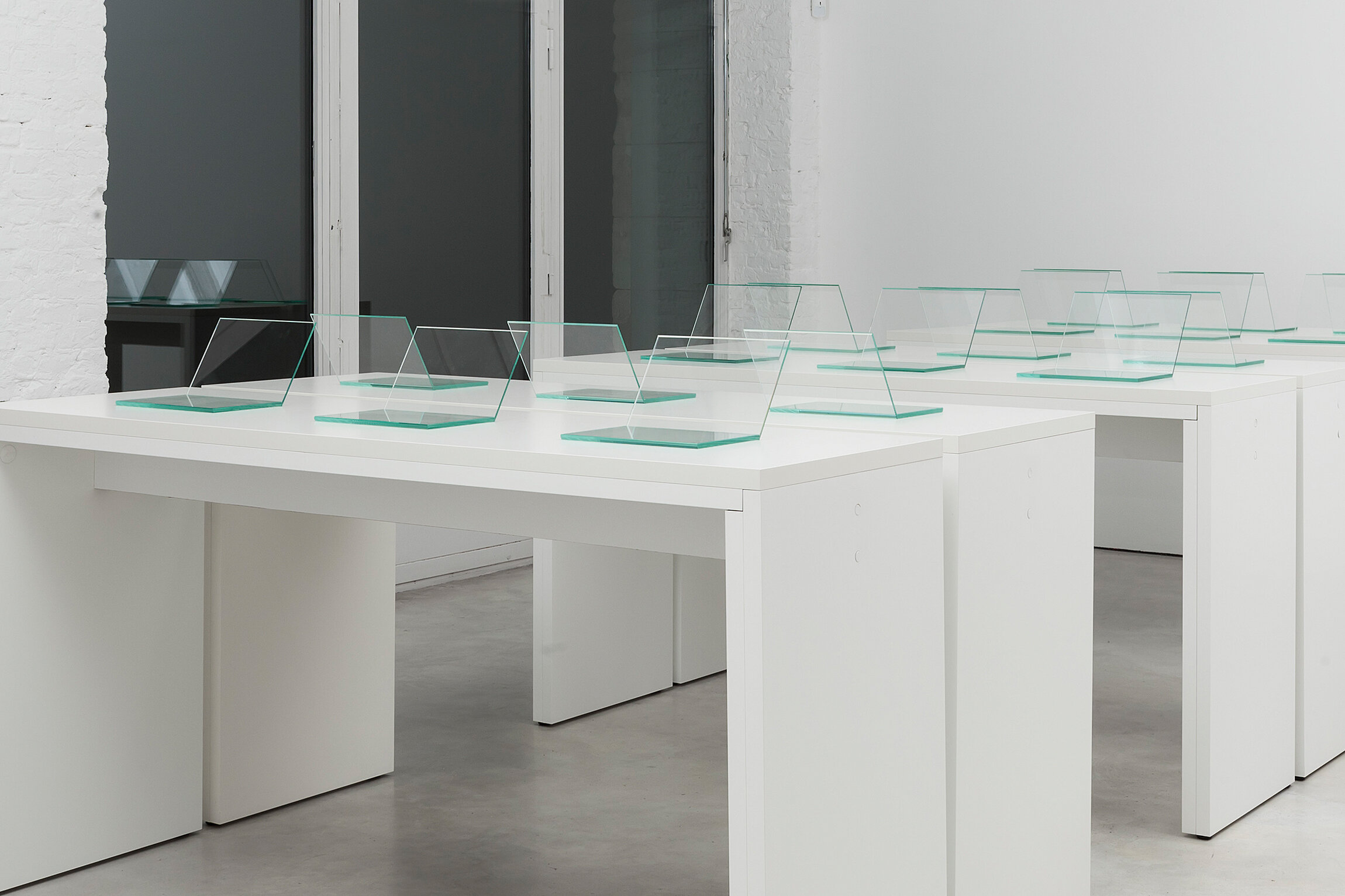
From an ontological point of view, computers – similar to Heidegger’s notion on Being – “are” not at all. Today, they are required to deter- mine any kind of being. They, therefore, precede any kind of being. Computers “are” not, they exist as an invisible given, which penetrates everything. Foremost, computers are nothing specific. As a universal medium, they are similar to that which Aristotle called the diaphanes, the “transparent” – an undetermined “in-between,” metaxu, which has to be formless in exactitude to take on any form and to transport all possible impressions. The significance of the computer also correlates to an image of the Stoics, the apeiron, ”the in-finite,” which, being primal matter par excellence, includes the possibility of any other matter, and which, exactly because of that, has no proper qualities itself. It is therefore no accident that transparency is the ethos of our time.
The phenomenon of virtual illusion denies reality by depicting it. The transparency is an exaggeration of emptiness and abundance of information and content at the same time. It creates infinite possibilities and makes the world a backdrop.

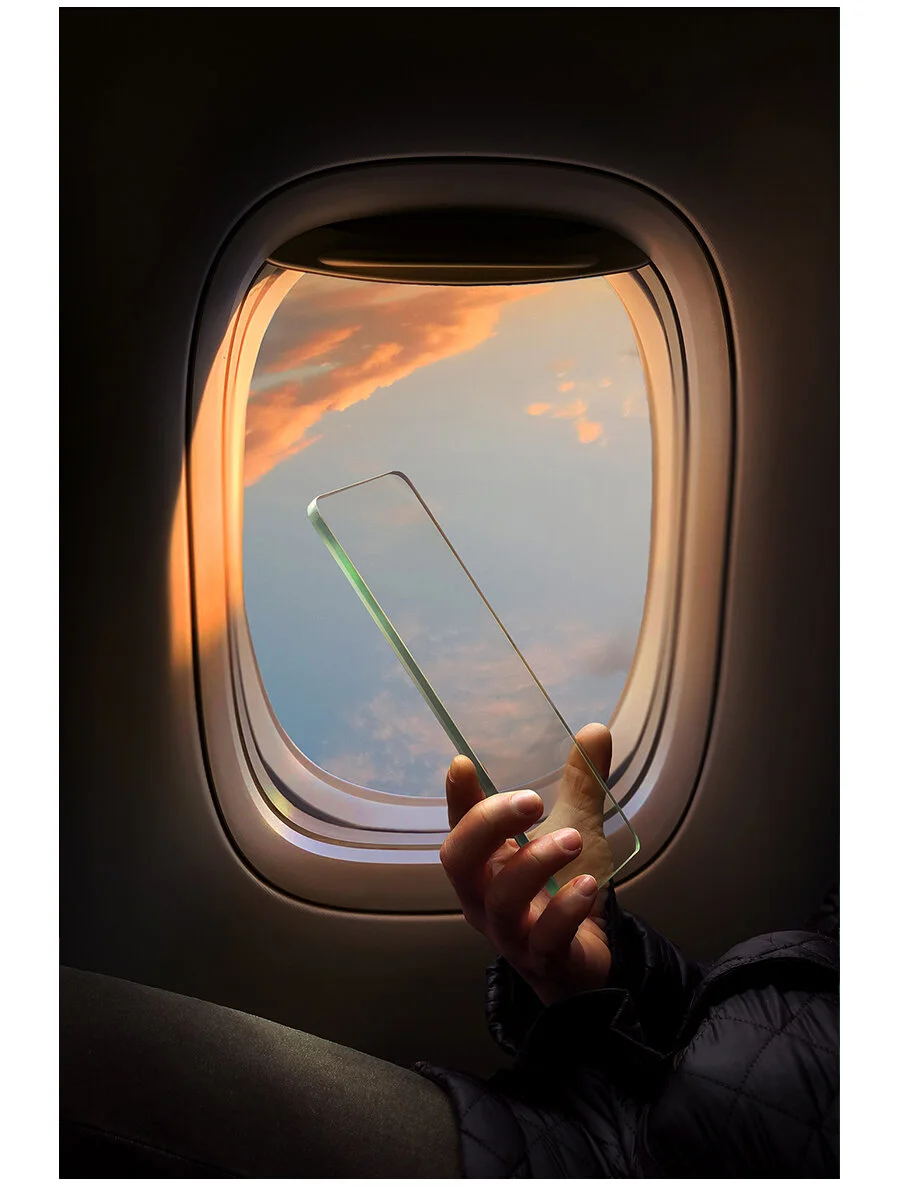
By throwing back the symbol of digital space, limitless communication, infinite information to its purely material form, Hornig makes the paradoxical cultural elevation visible. For the device as such is free of any content, it is a neutral surface and at no time permanent. Only at the moment of use does it transfer the surrounding reality into a virtual illusion of the same, thus becoming a mirror of countless, varying realities. The transparency of the "GlassPhone" refers to the actual function of the smartphone as a transmitter of information and translator between the worlds.

The complex and ever-increasing overlap of analog and digital realities is touched in the current exhibition "Silent Night" on a formal as well as on a content-related level. It shows 24 variations of a motif from the "GlassPhone" series. In the darkness of an airplane cabin - as the characteristic oval window hatch in the center lets us know - the human body disappears almost completely. Only the hand holding the sculpture is illuminated by the mystical light in the center of the picture, while the "GlassPhone" itself crosses the additional picture surface enclosed by the window frame in an almost perfect diagonal.The precise, harmonious composition differs in its execution only in this second picture surface, the landscape to be imagined and especially the atmosphere of light that radiates inwards and frames the sculpture like an aureole. Golden sunrises or sunsets, rosy pastel evening moods, deep blue night skies or greenish shimmering auroras create stylized hyper-realities. They reveal that this motif was digitally mounted.