Jermaine Saunders
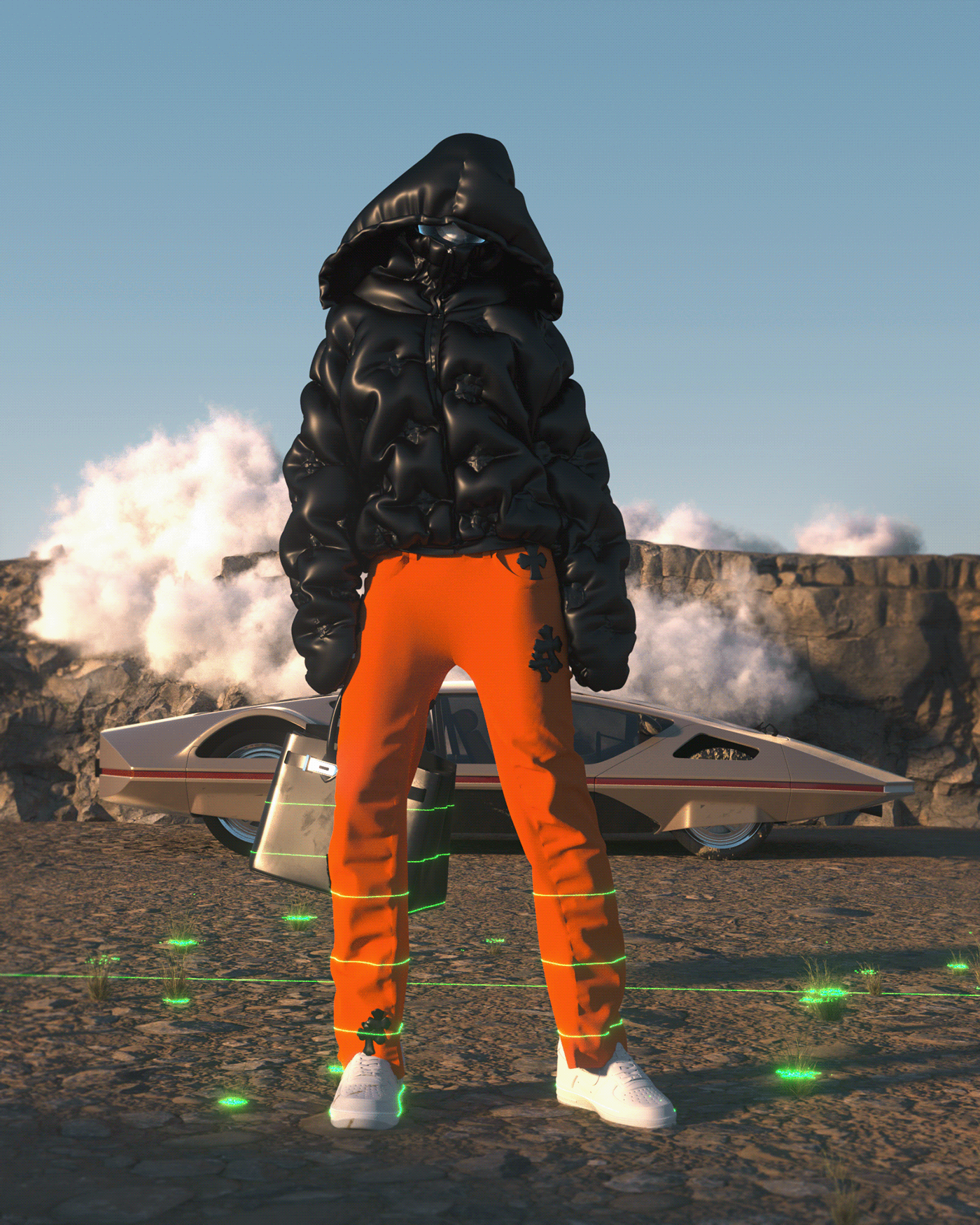
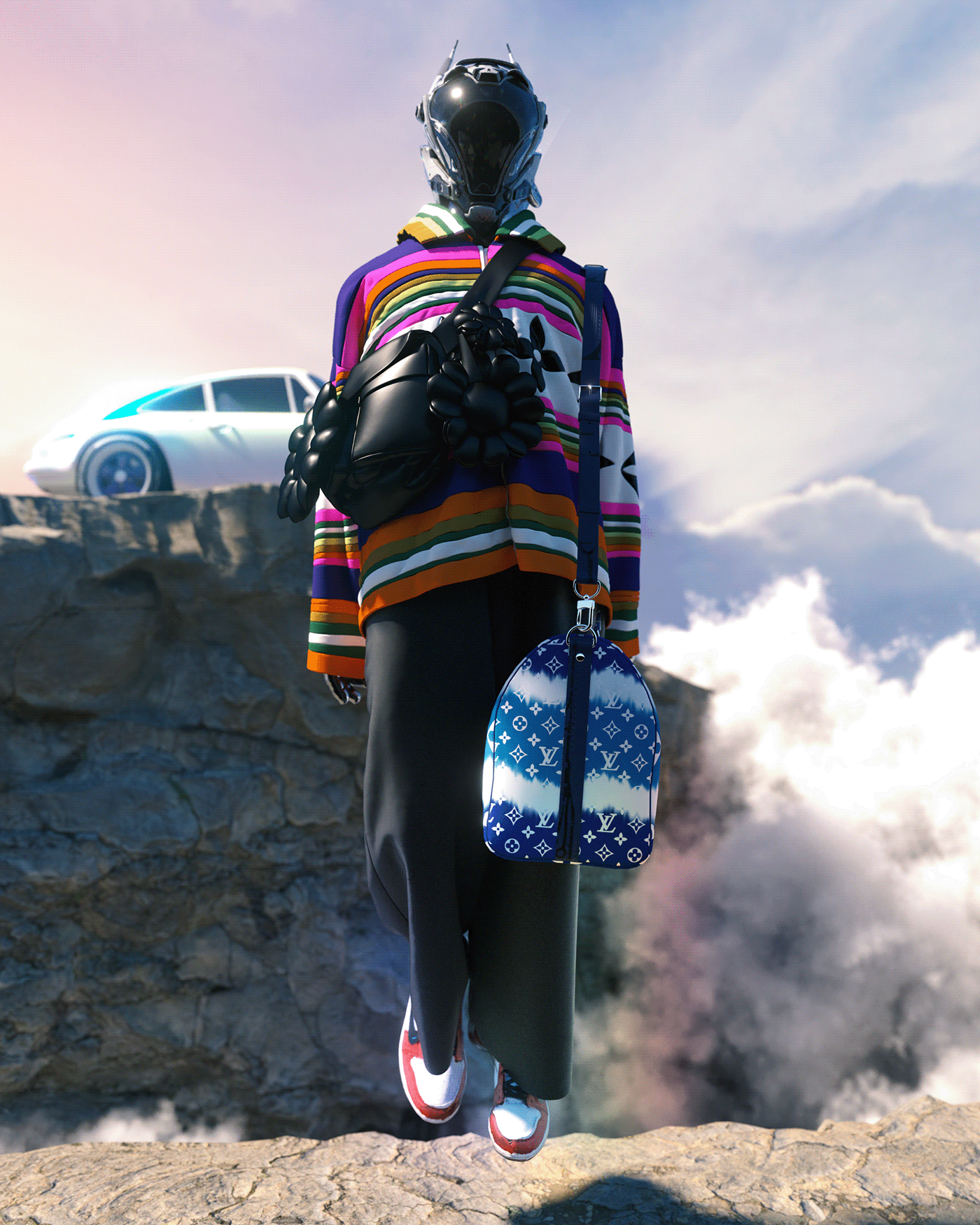
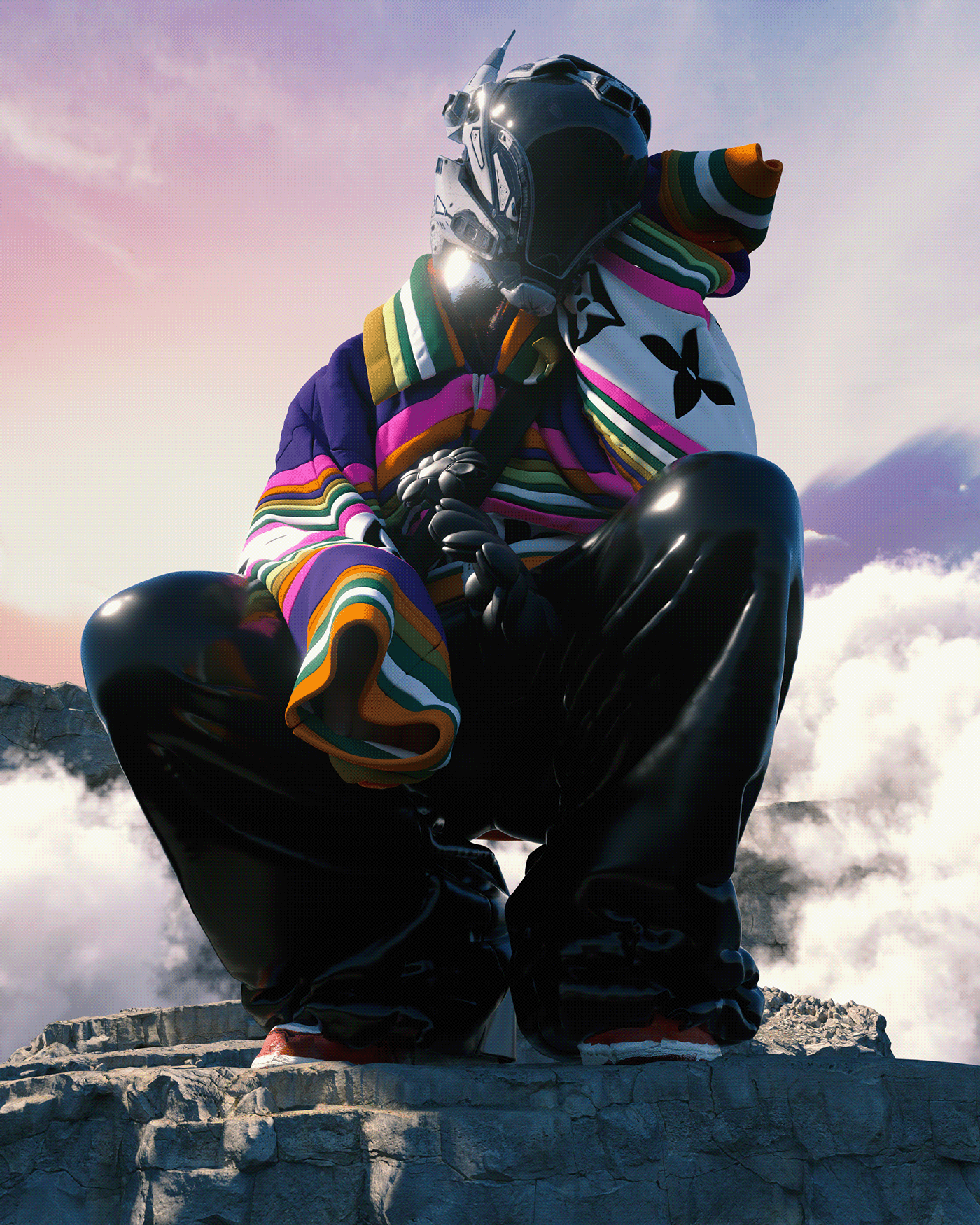
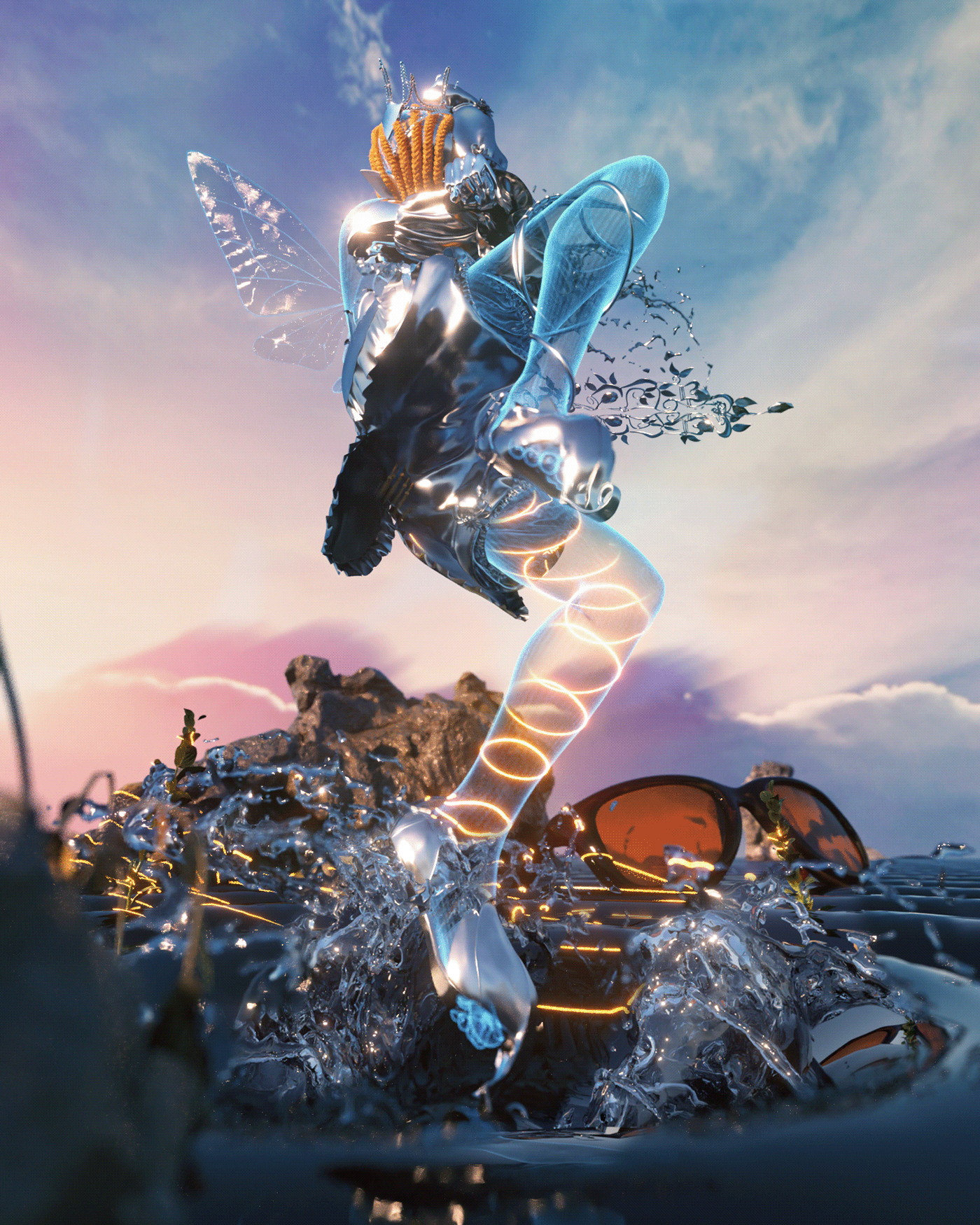
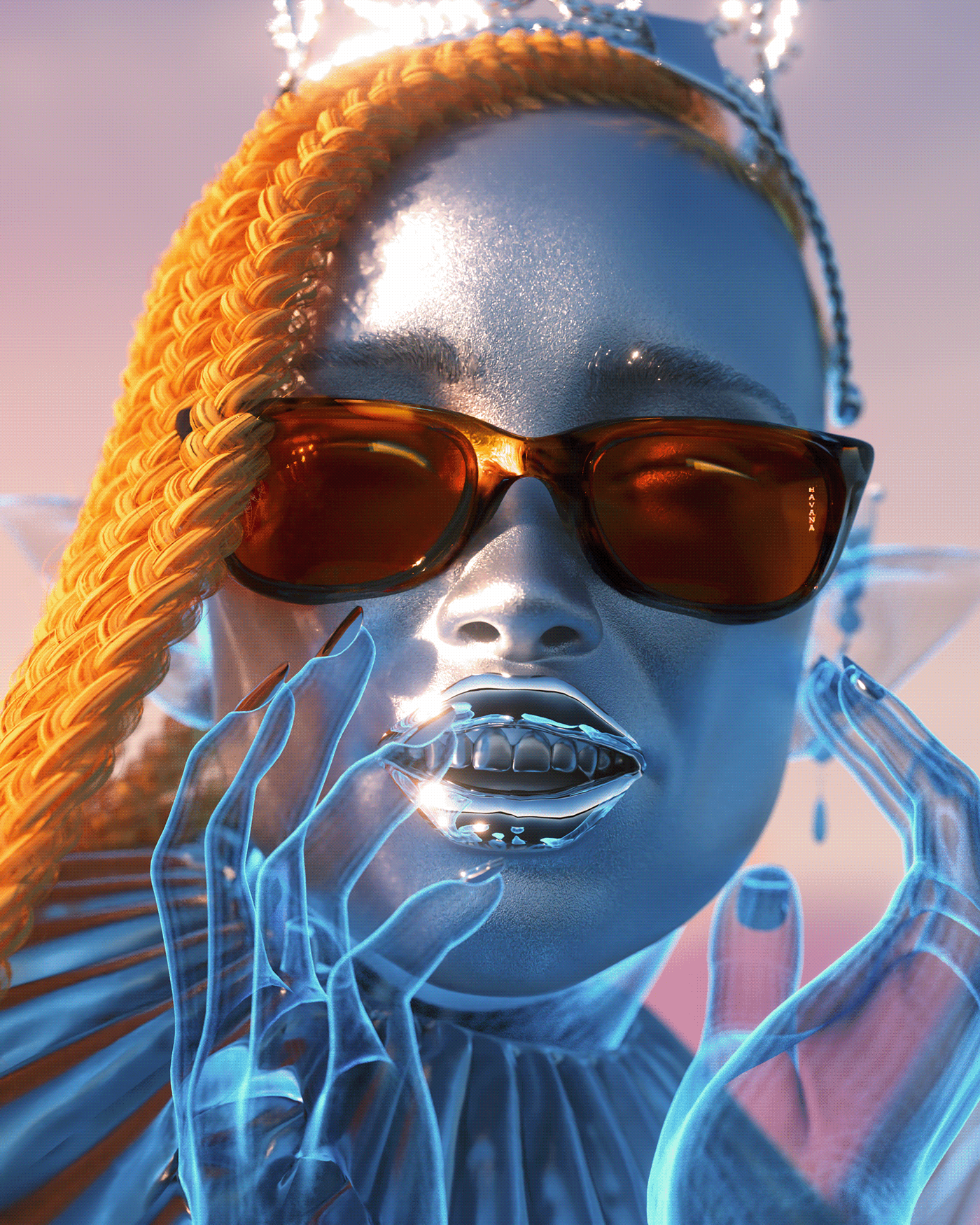
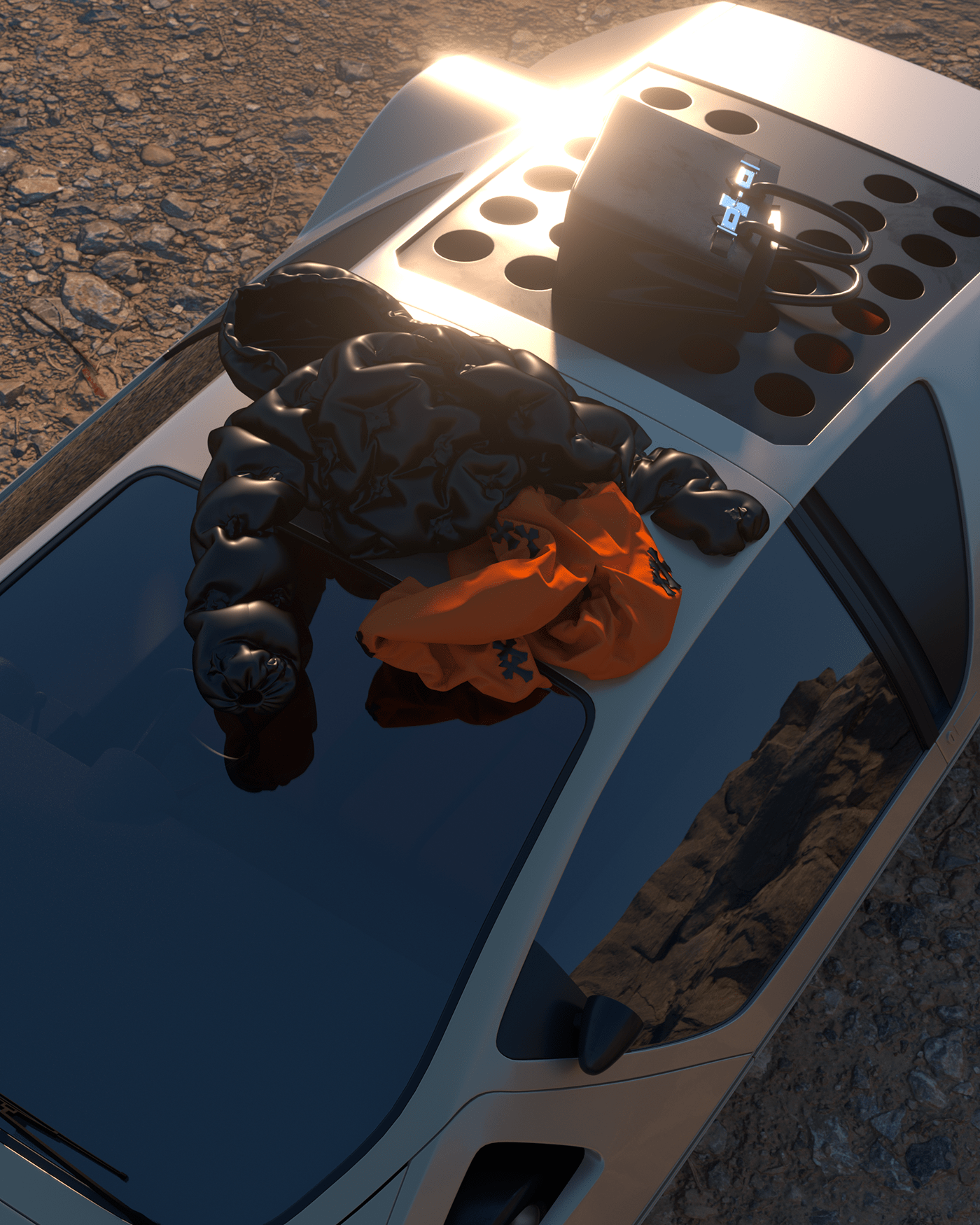
LA based motion graphic designer Jermaine Saunders shares his best digital artworks
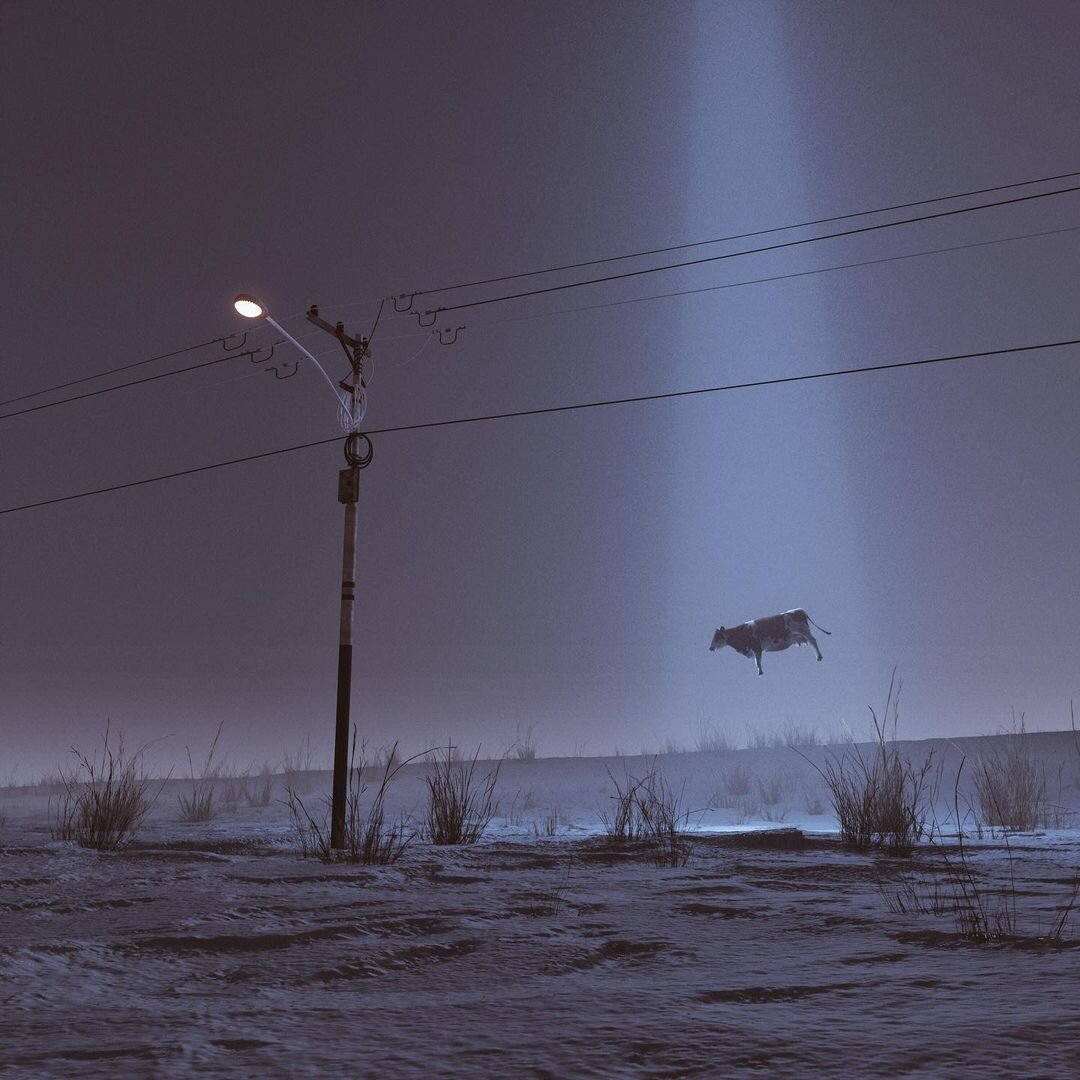
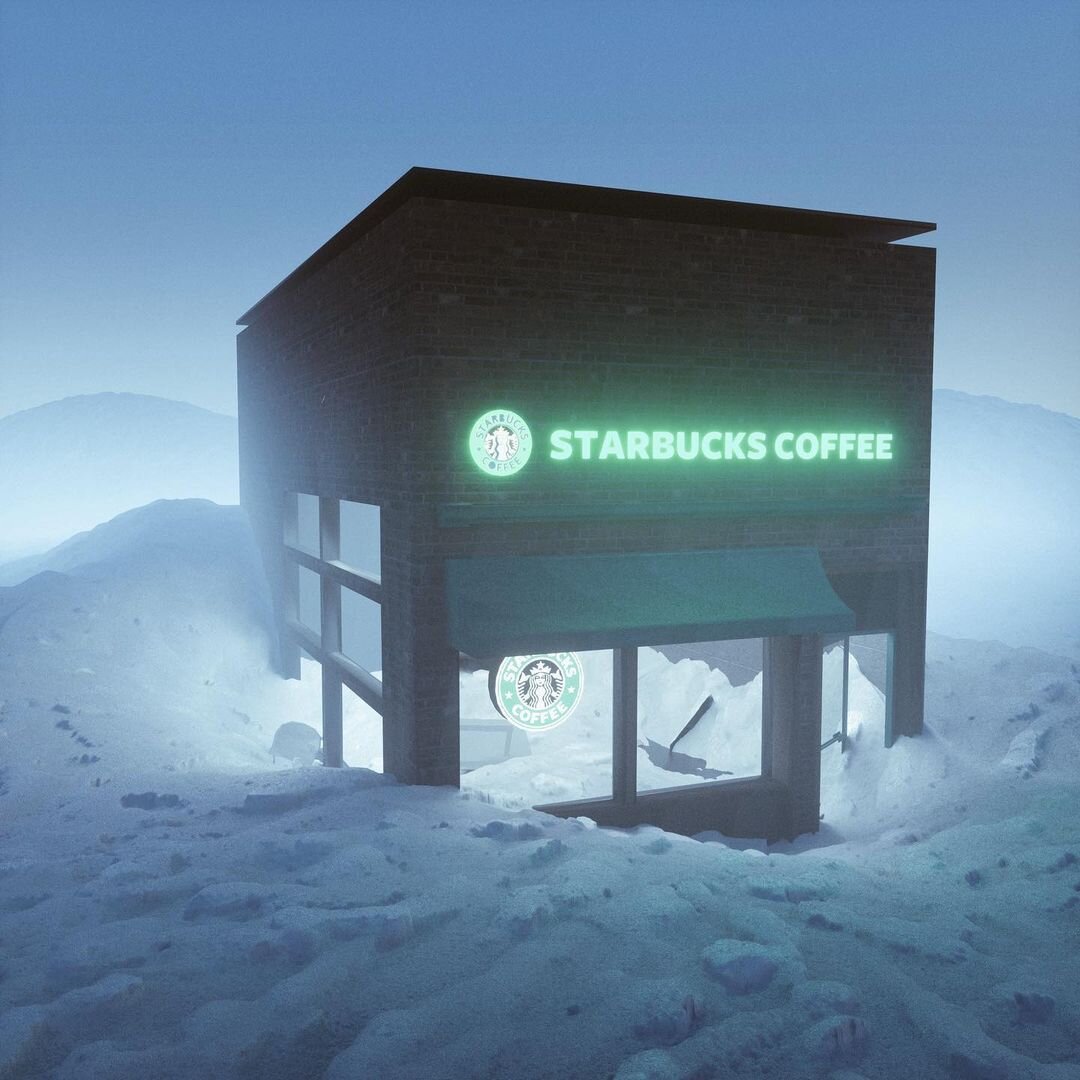

3rd Wave of Inspiration
Since 2003
LA based motion graphic designer Jermaine Saunders shares his best digital artworks
Processed with VSCO with a4 preset

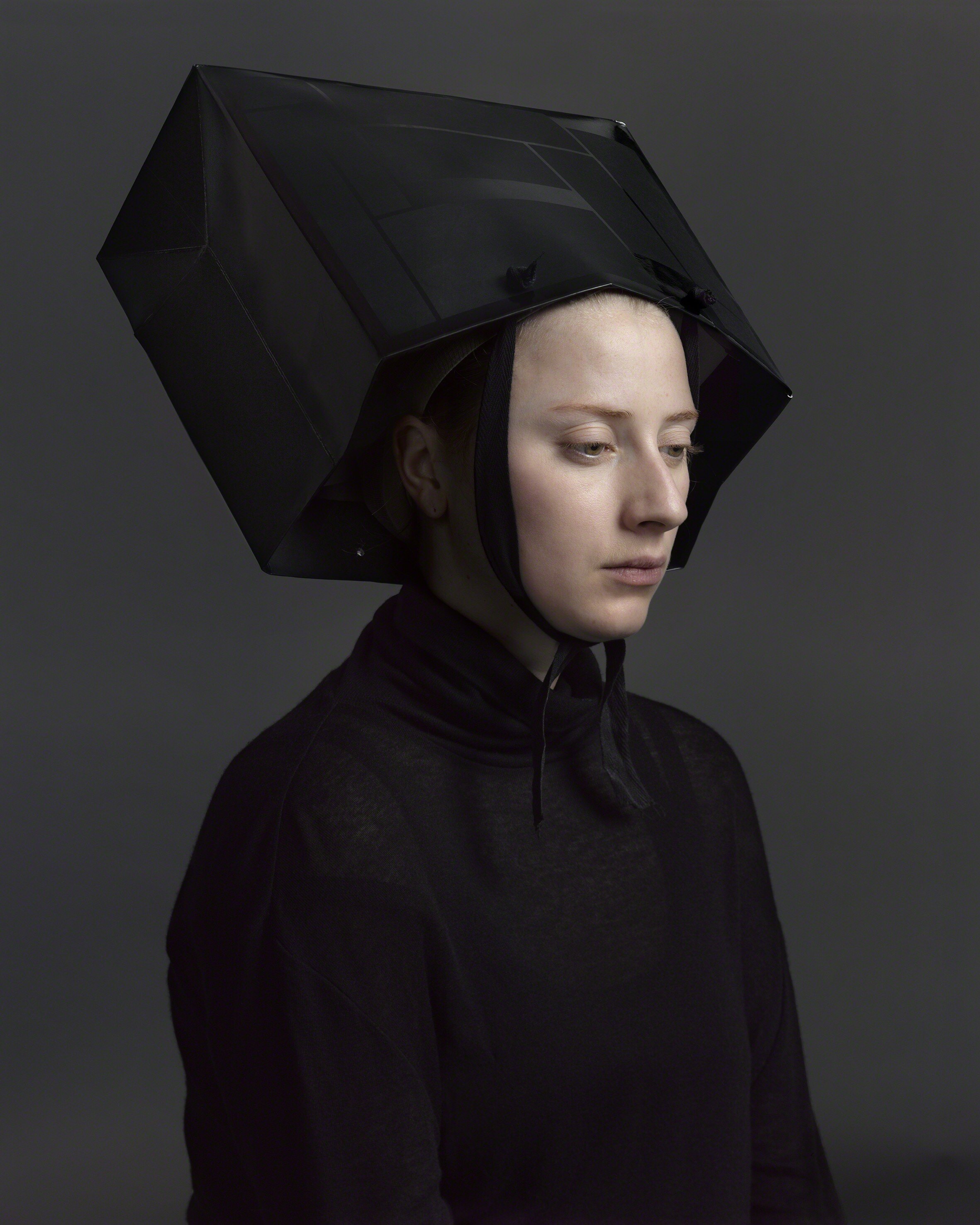
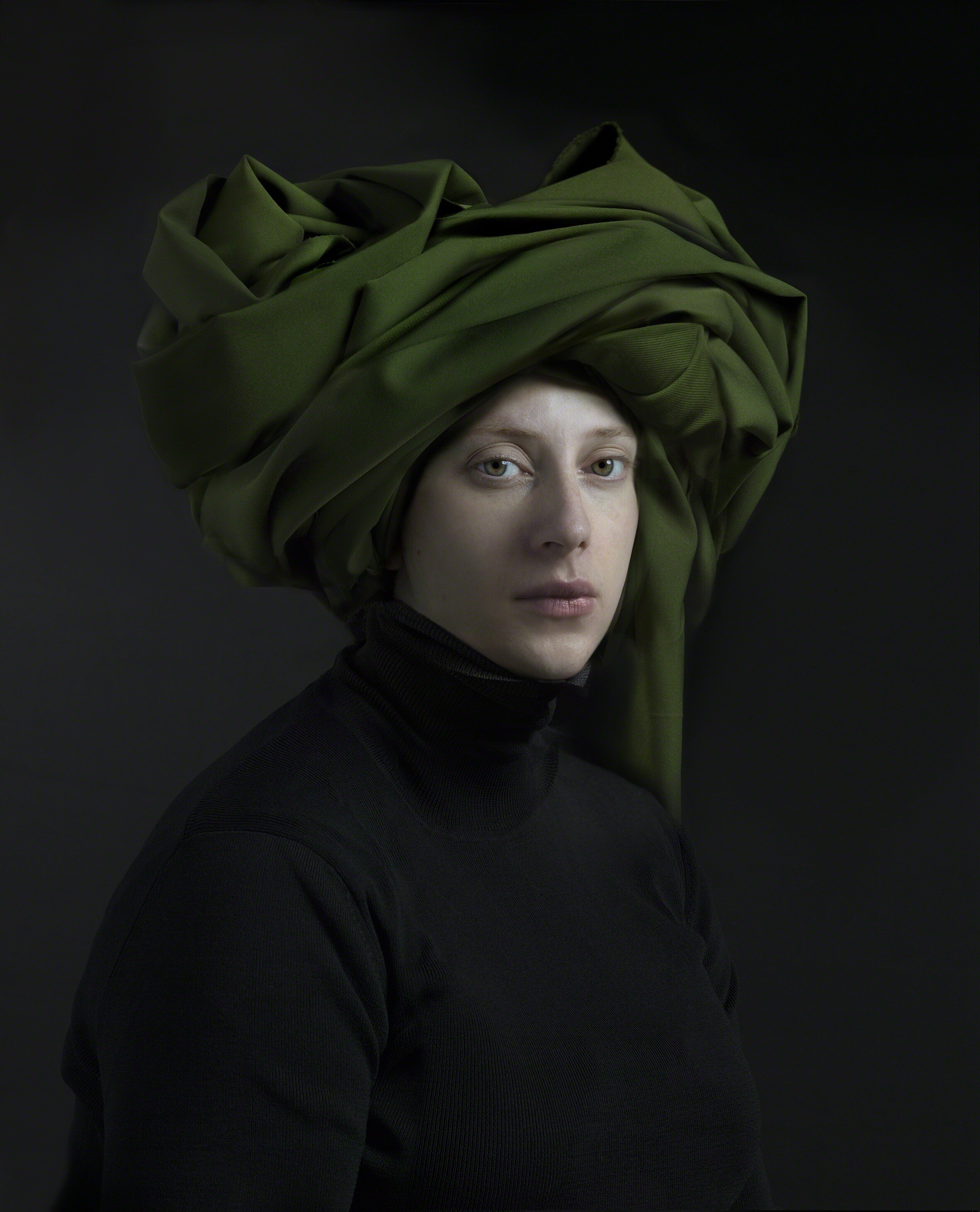
“Hendrik Kerstens did not train formally as an artist. however, he wished to devote himself to a more creative profession and in 1995, at the age of forty, he left the business world and took up photography. His wife Anna worked full time to support this change of direction. in a reversal of more traditional roles, Kerstens cared for their young daughter Paula, while also studying photography during the day. Having a child left a deep impression on Kerstens. Through photography, he explored the accompanying feelings of responsibility, vulnerability and love he felt towards his daughter, starting with documentary family snapshots.
As Paula physically and psychologically grew, Kerstens searched for an artistic manifestation of these changes, leading to his interpretations of the great dutch master painters of the 17th century with Paula as his muse”

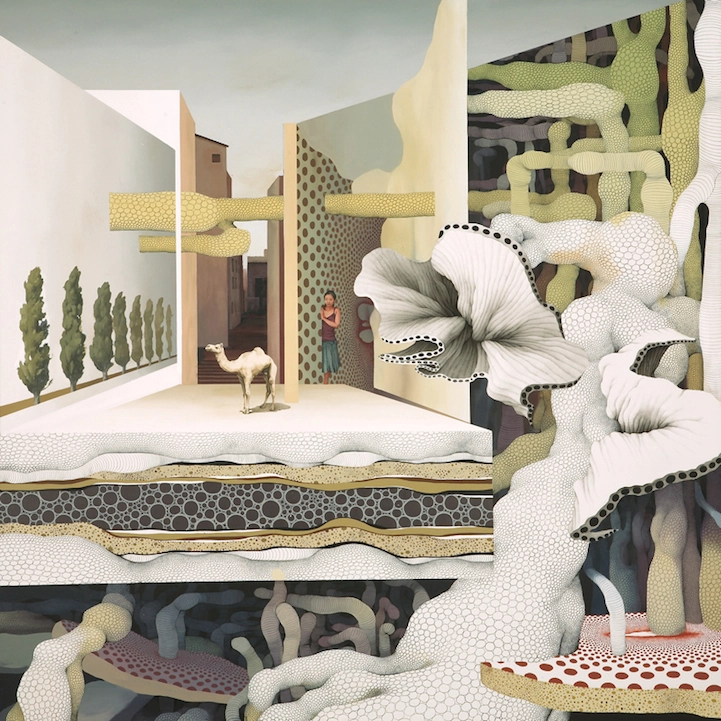
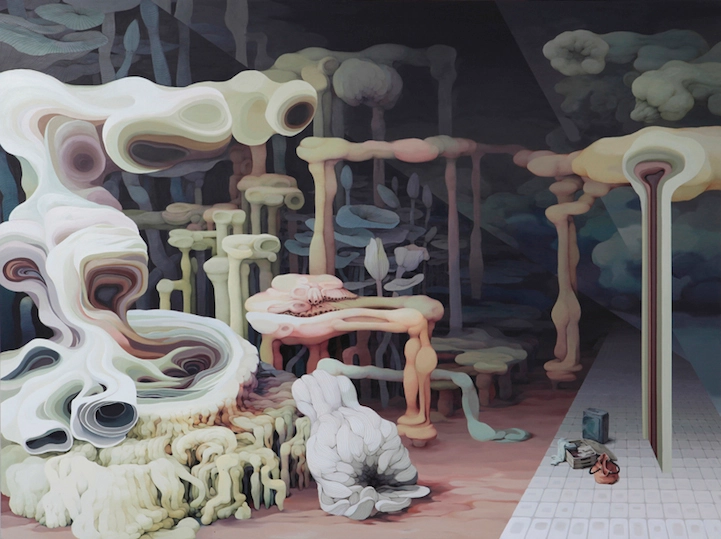
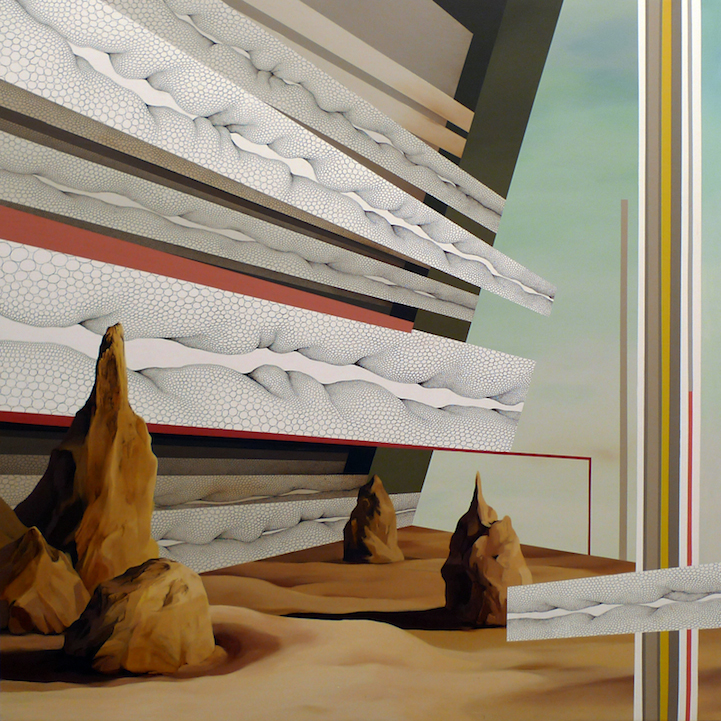
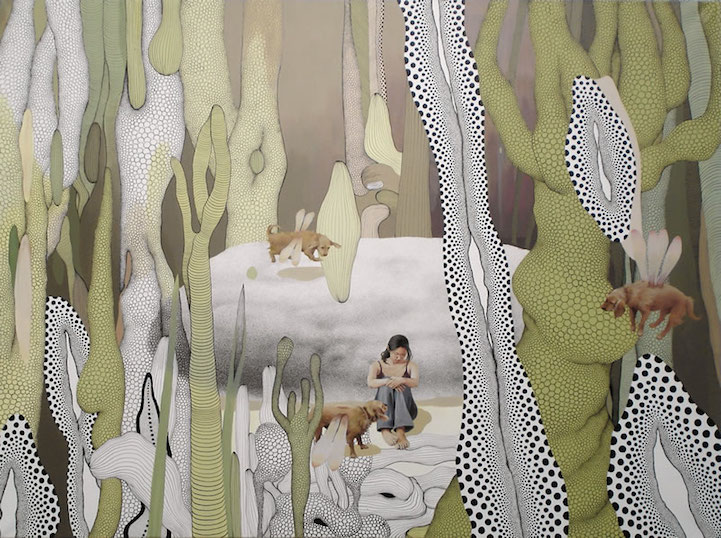
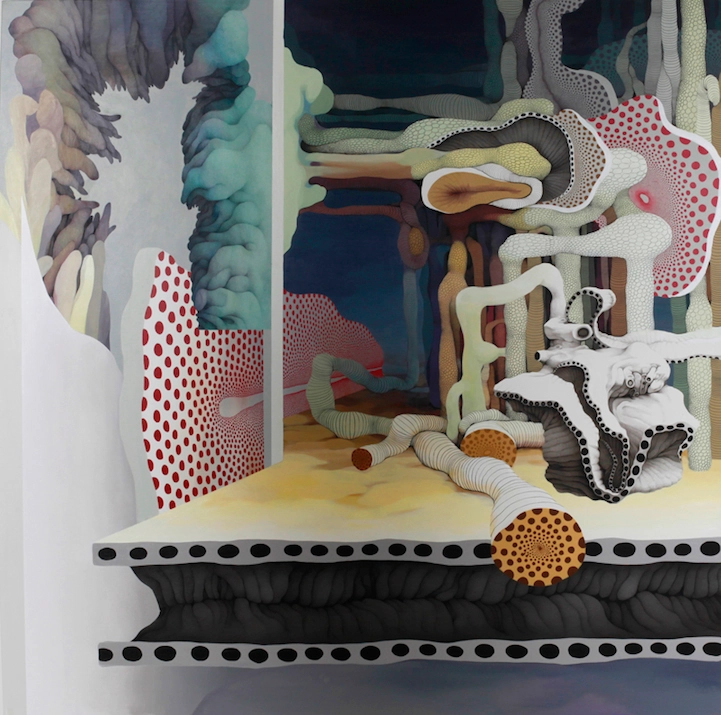
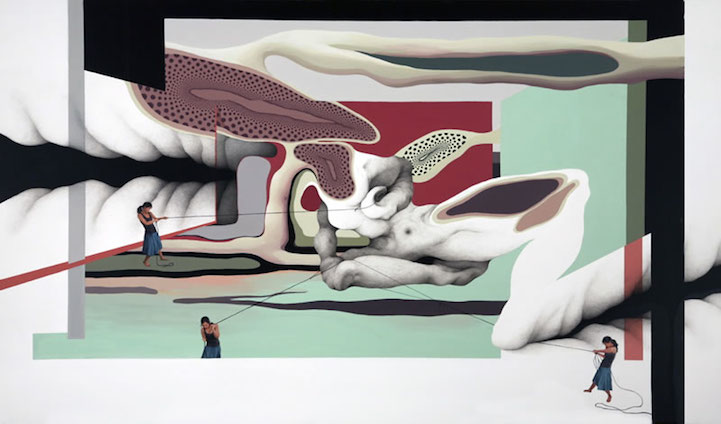
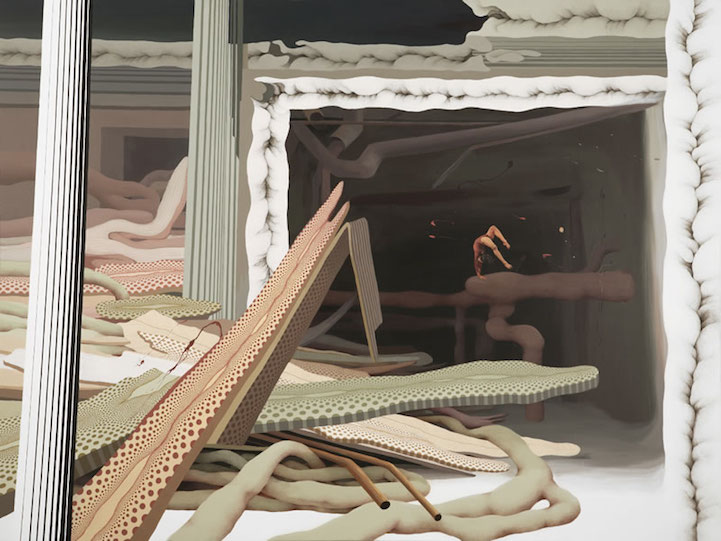
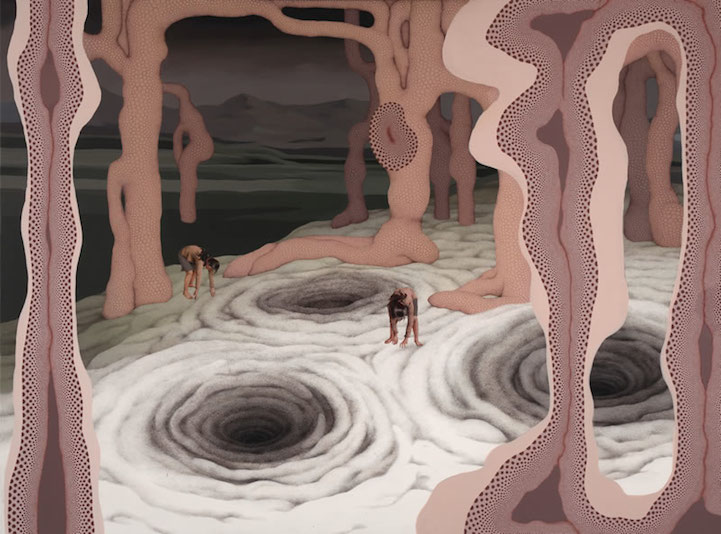
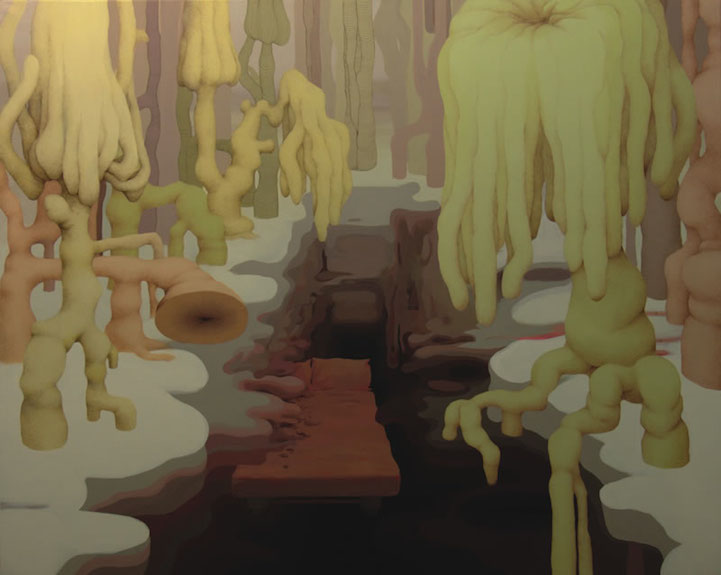
“Paris-based artist Jung-Yeon Min paints fantastic, dreamlike landscapes that are both beautiful and intriguingly grotesque. Playing with form, space, perspective, and scale, the Korean-born artist uses acrylic on canvas to create surreal scenes filled with warped expanses of land, towering organic life, and fleshy appendages that sprawl and twine like vines or tentacles. Min's paintings, which blend Western and Eastern aesthetics, invite the viewer to explore a world as alluring as it is frightening.”

Selva Aparicio is an interdisciplinary artist working across installation, sculpture, and performance to create artwork that digs deeper into ideas of memory, death, intimacy and mourning.

“Childhood Memories” (2017), hand-carved rug into utility oak wood floor

“Velo de luto (Mourning veil)” (2020), magicicada wings, sewn with hair, 32 x 47 x 2 inches

“Hysteria” (2020), thorn branches woven with ligature and Hamilton obstetric table from 1931, 9 x 4 x 6 feet

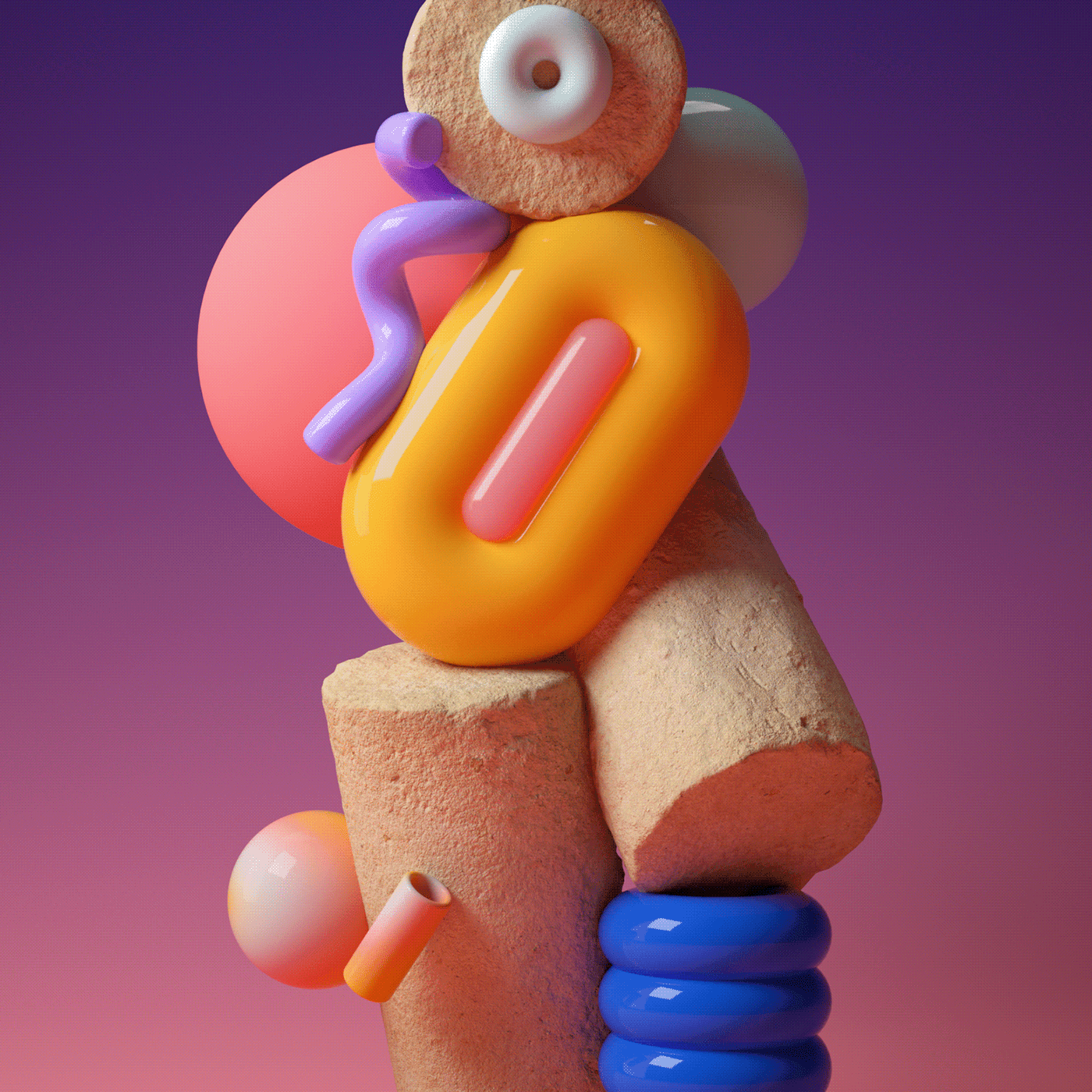
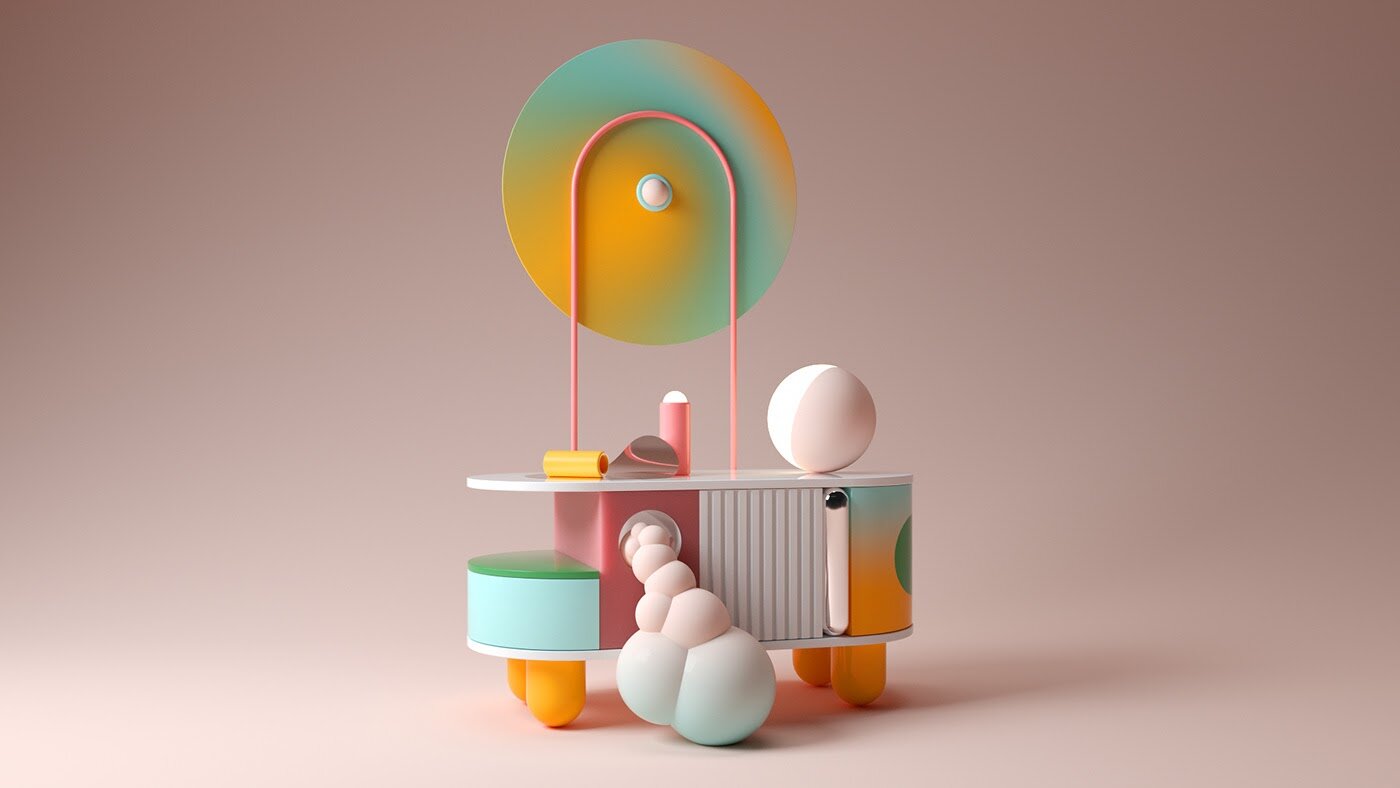
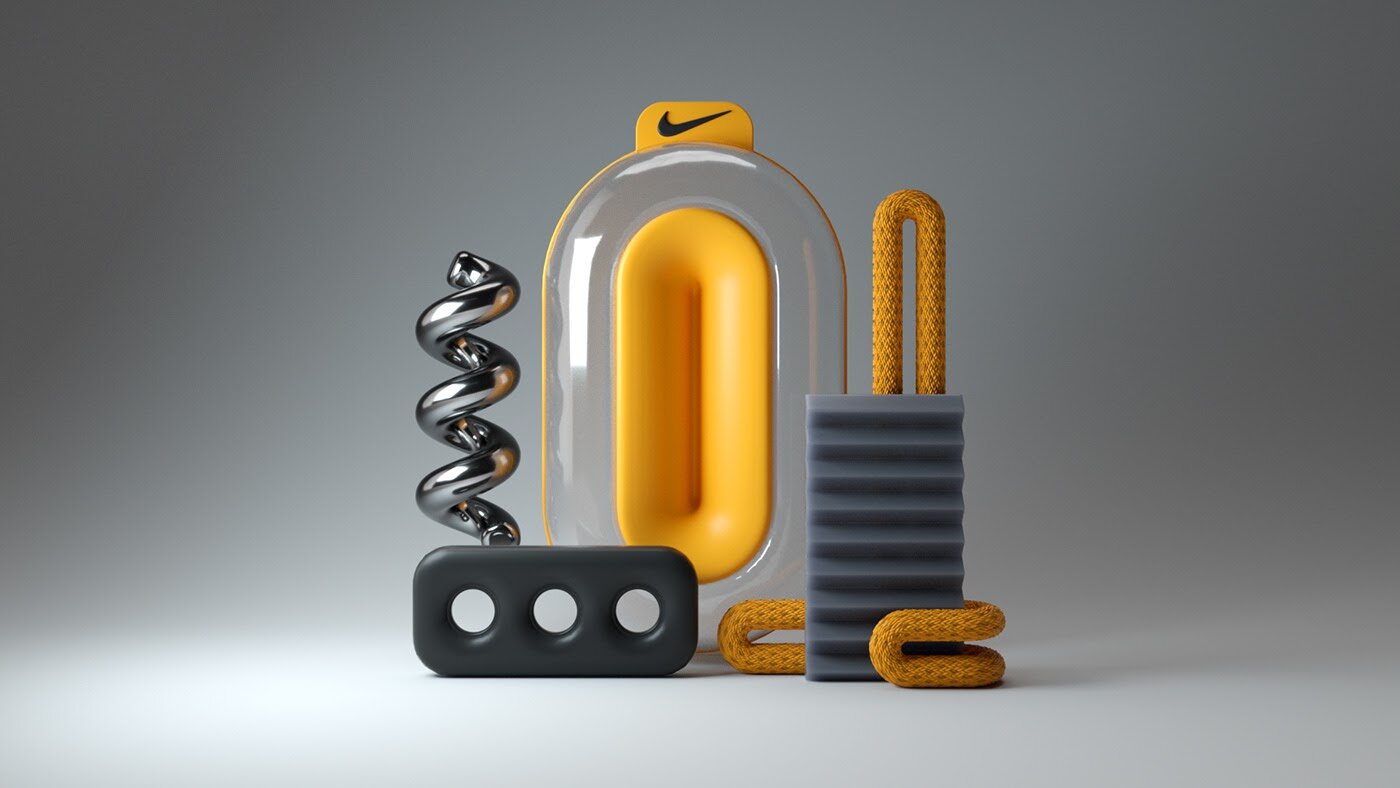
Santi Zoraidez shared a collection of his best 3D work done in 2020

“It has been a difficult year for all of us. A year full of complications, fears, anxiety and frustration. I feel like a landmark year, an opportunity to start over, grow and be better. Personally, I have to say that even with everything that was happening around me I have been able to do great things and I am grateful for that. Things that seemed difficult to achieve at the beginning of the year. That’s why I wanted to make this edit with a selection of the best work I have been doing during the last years. As a full stop and move to the next step from here. I’ve lost 20kg and am running almost every day on the beach in Barcelona, the city I’ve dreamed of living in for a long time. It feels great how ideas come to mind again as I do it. ”
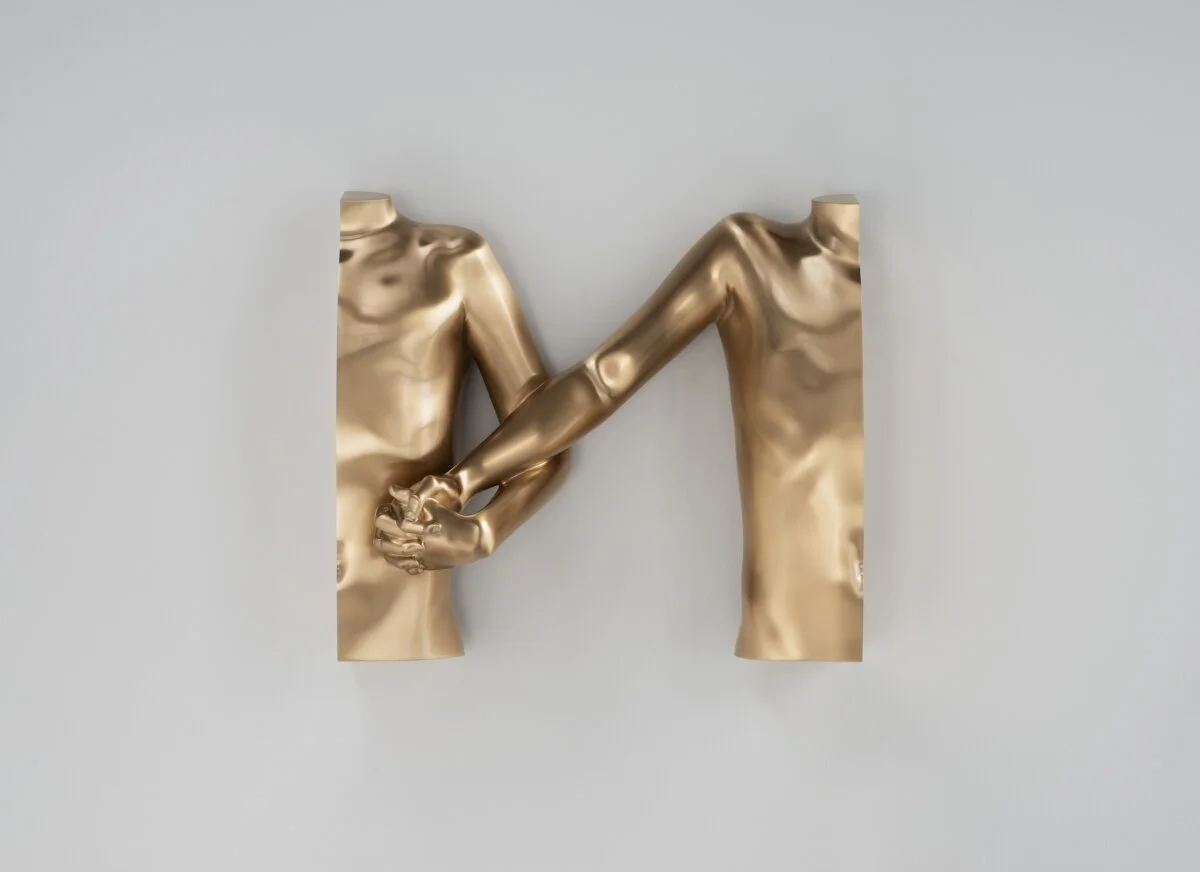
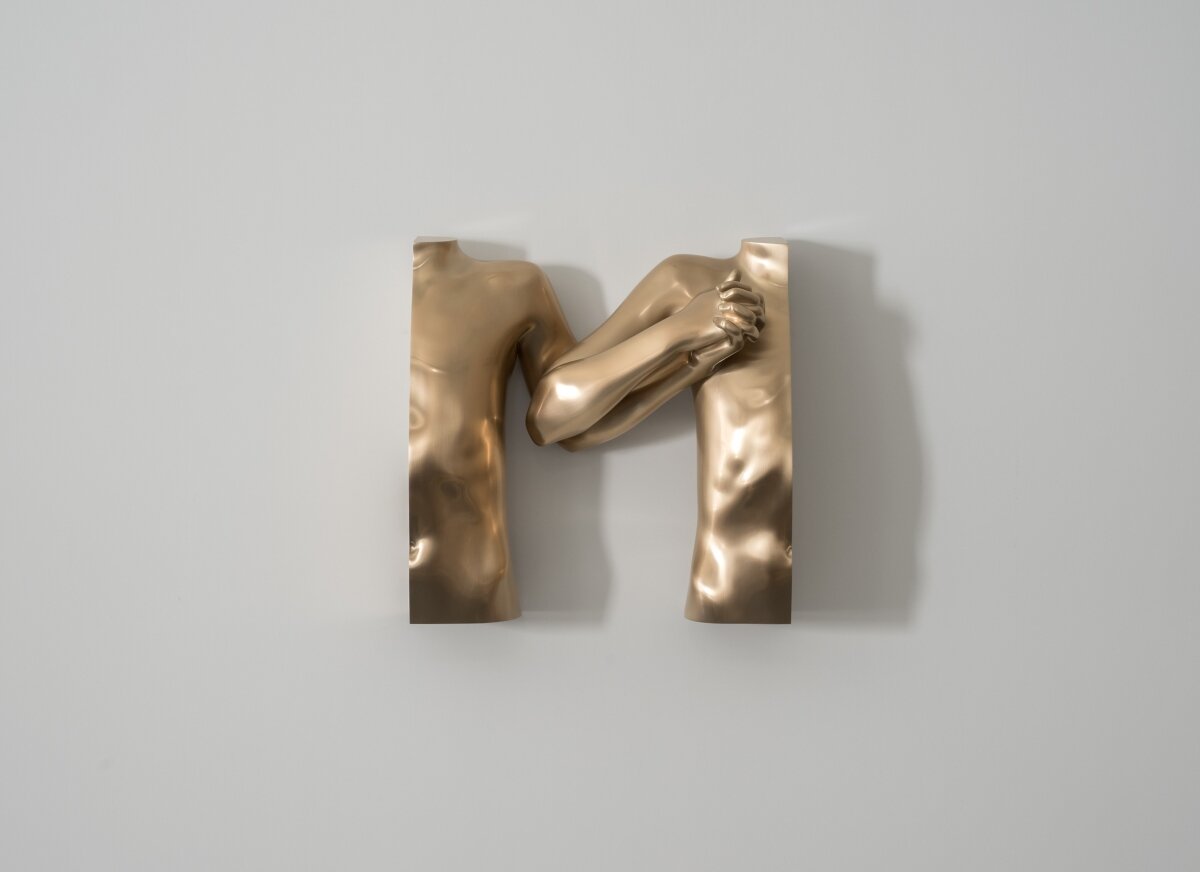
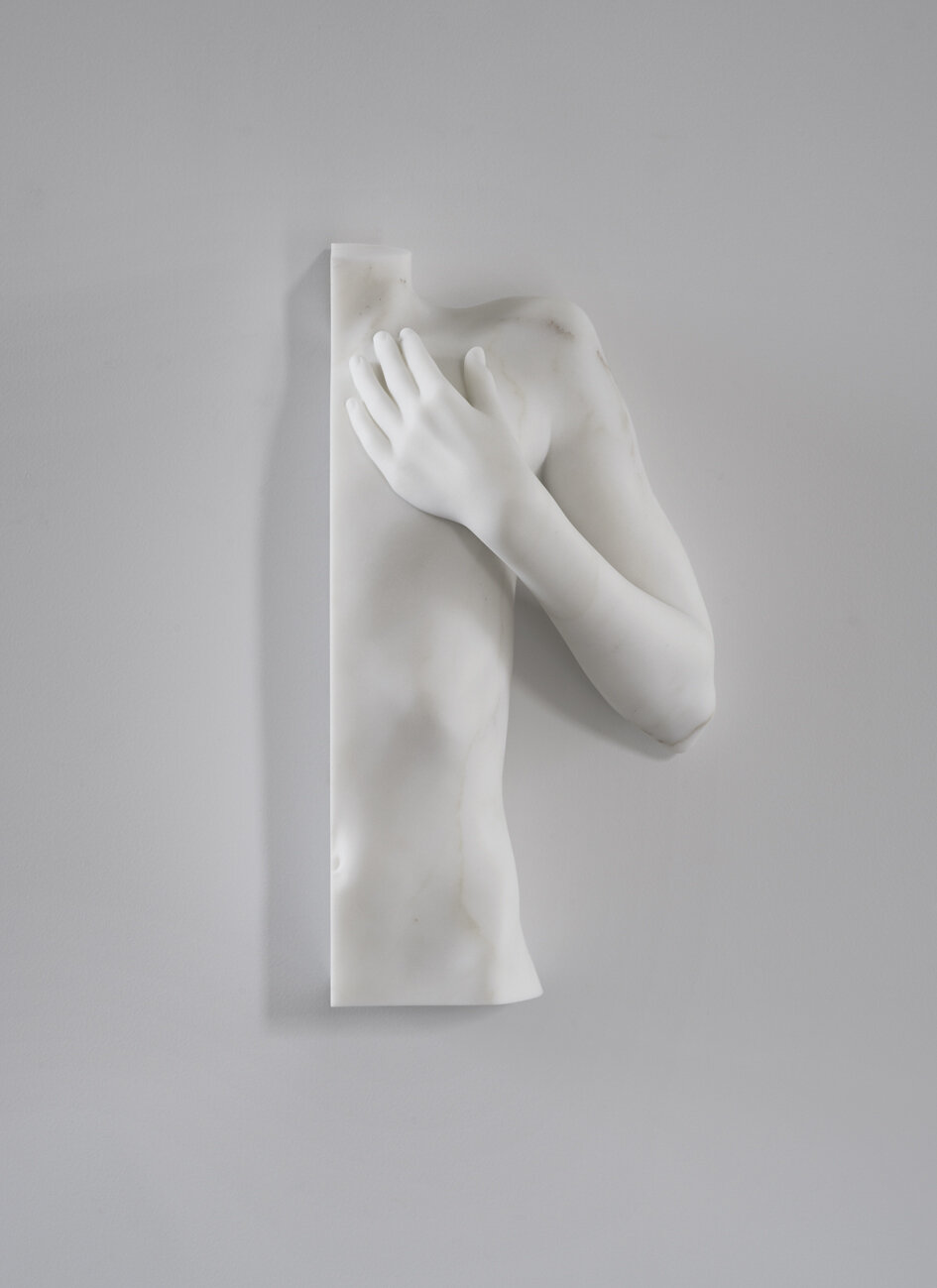
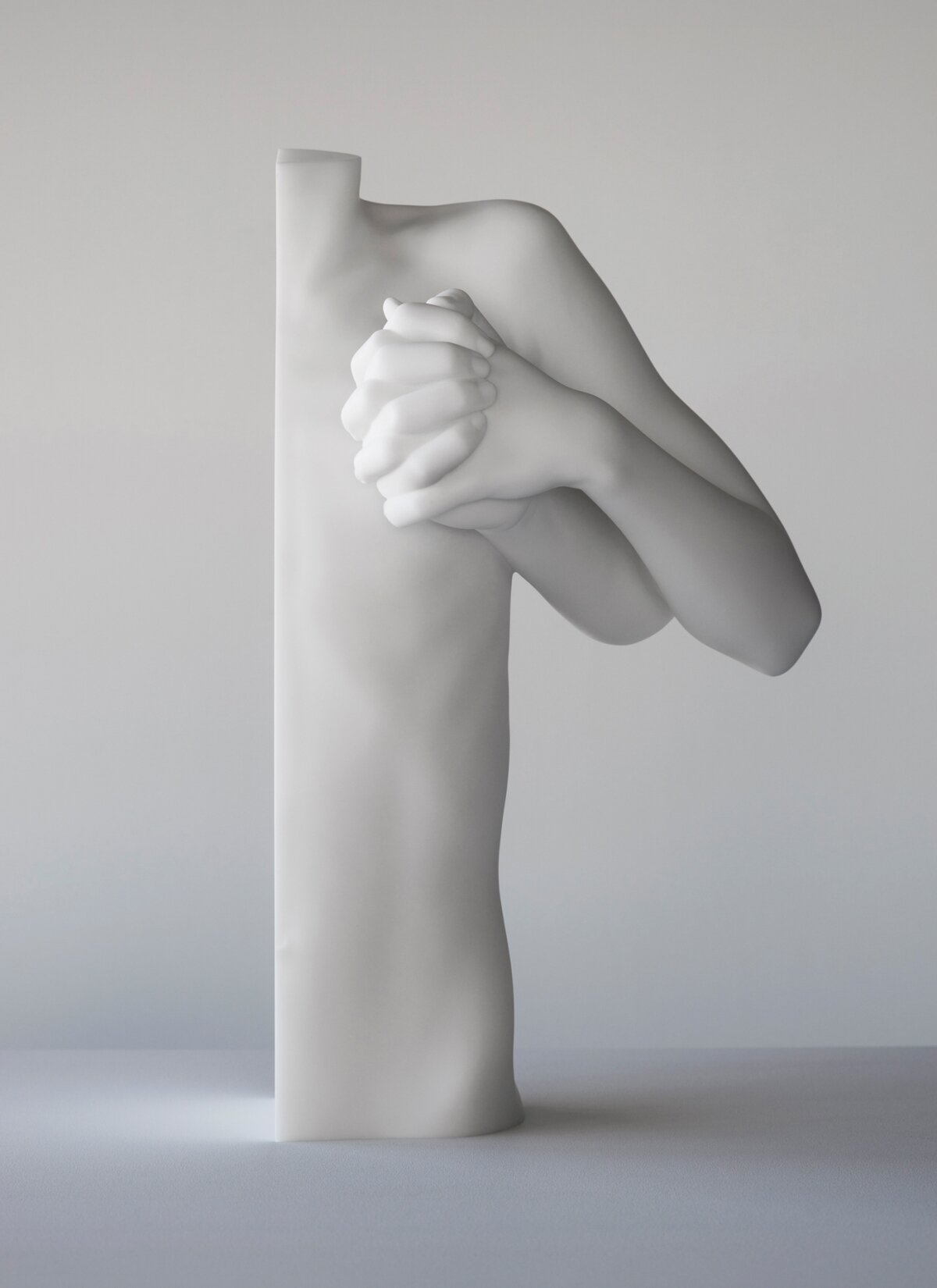
The subject of numerous museum shows, Anders Krisár’s work, often focuses on the human body. Krisár’s sculptures often features or makes reference to the human form, exhibiting a preoccupation with formal rigor and abstraction. Using this exacting approach, he employs precision of form to create intensely personal, psychological landscapes. Krisár’s sculptures – immaculately produced, and often bear a deliberate blemish that is itself impeccably rendered – are discomfiting, objects of simultaneous horror and beauty
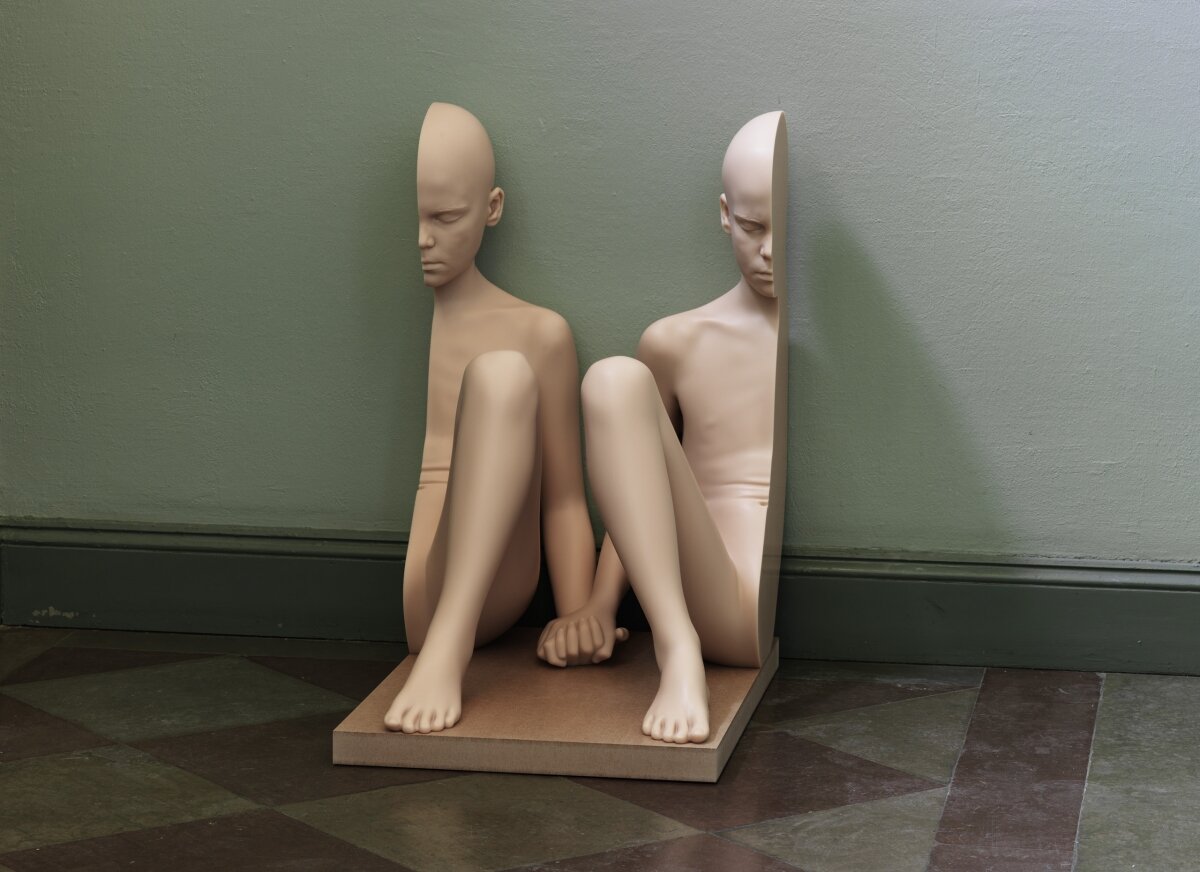
The sculptures are uncanny because of the meticulousness with which they are executed; according to Krisár, “I’m a perfectionist because I have to be, it’s not really a choice. And it’s not a striving for satisfaction, it’s rather to avoid pain.”
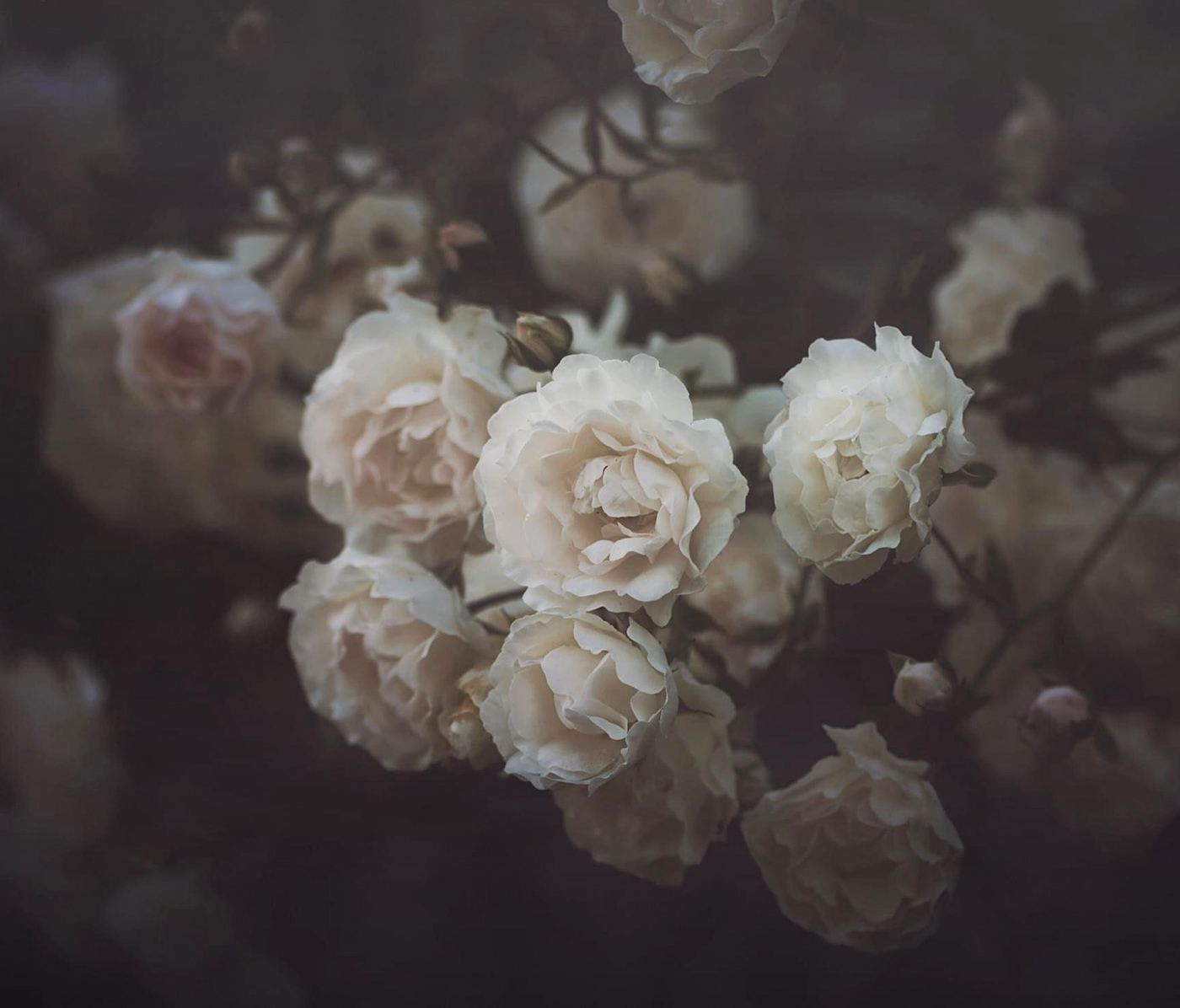
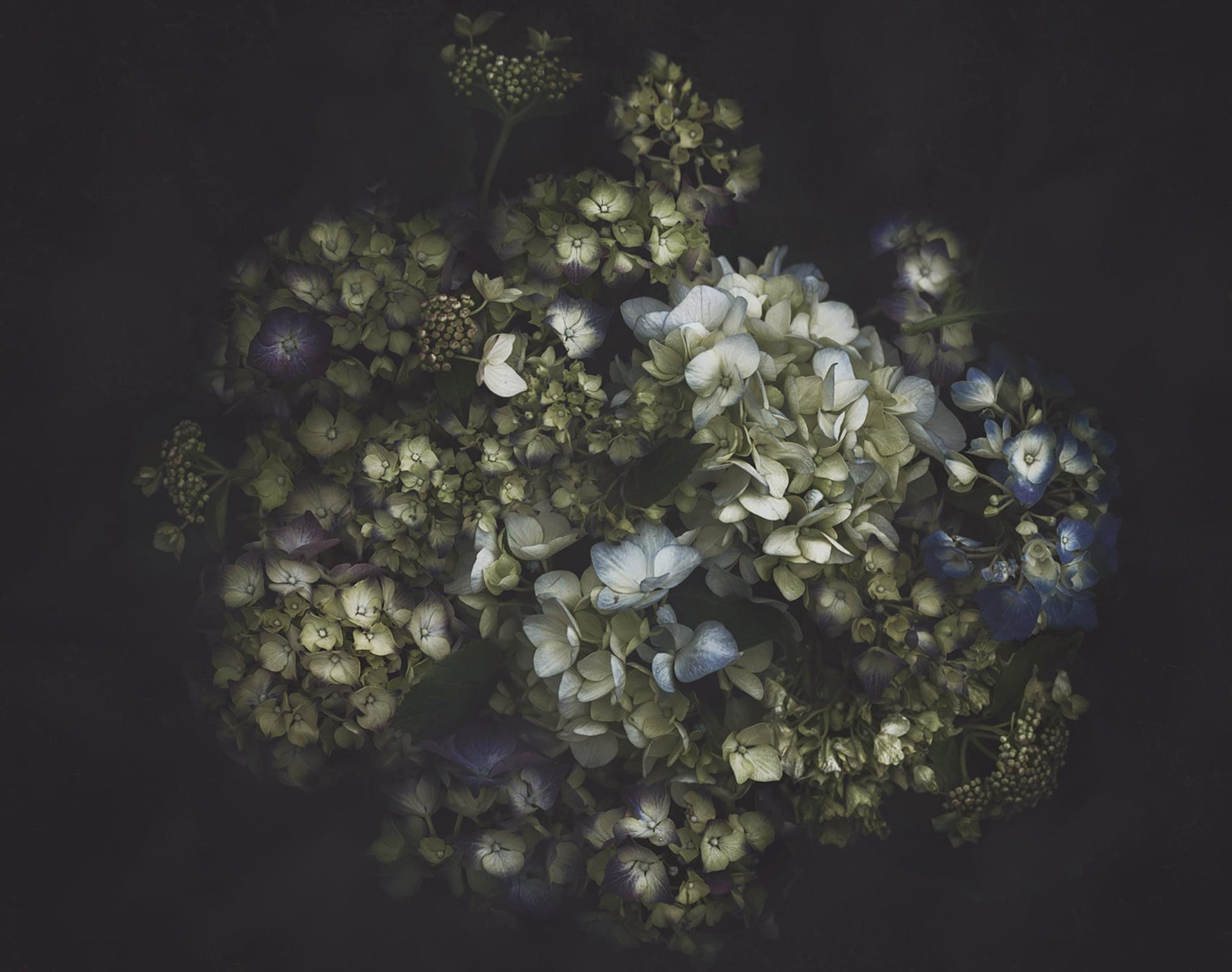
Auckland based fine art photographer Marine de Wit uses camera as both paintbrush and paint working with natural light, blur and gorgeous textures

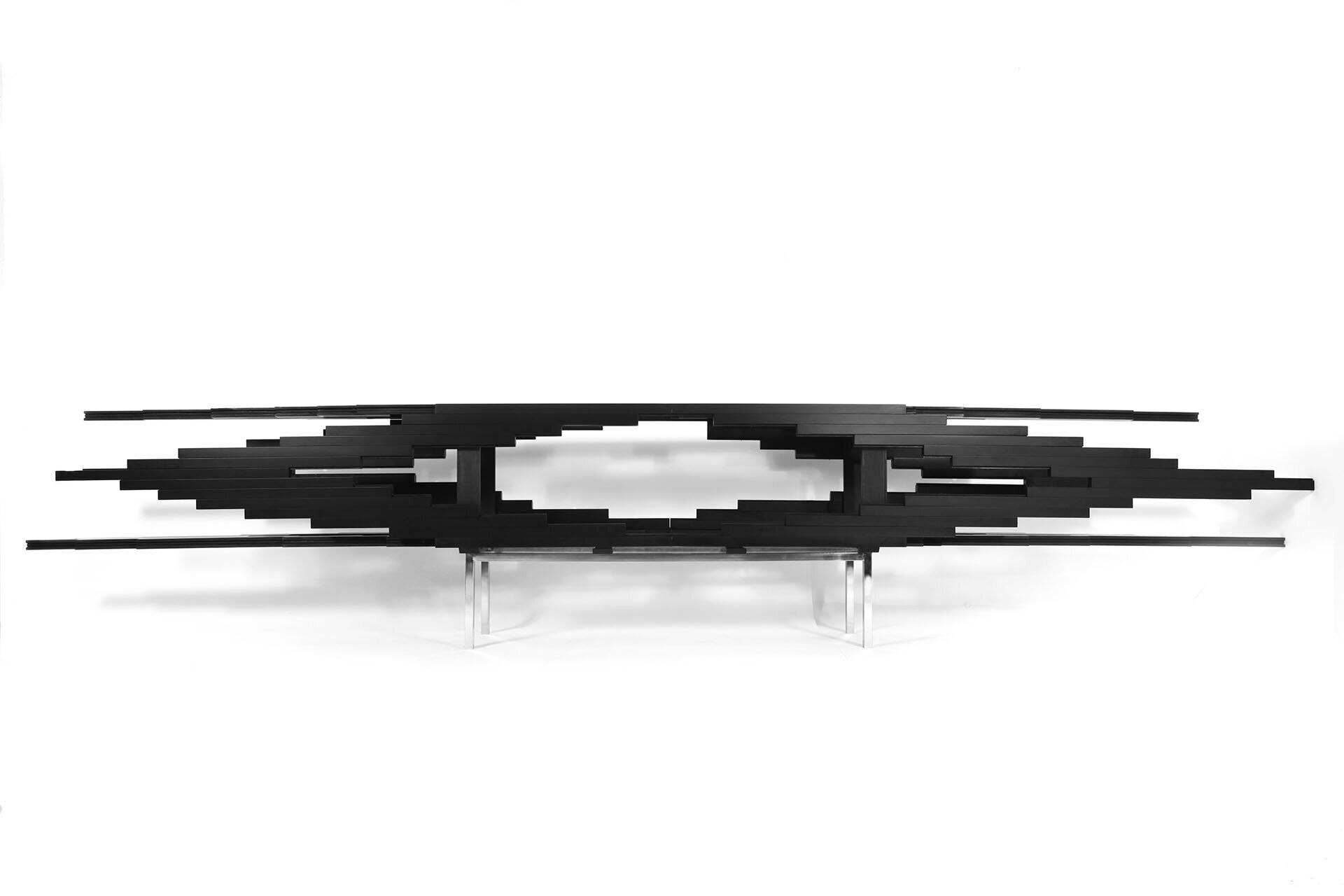
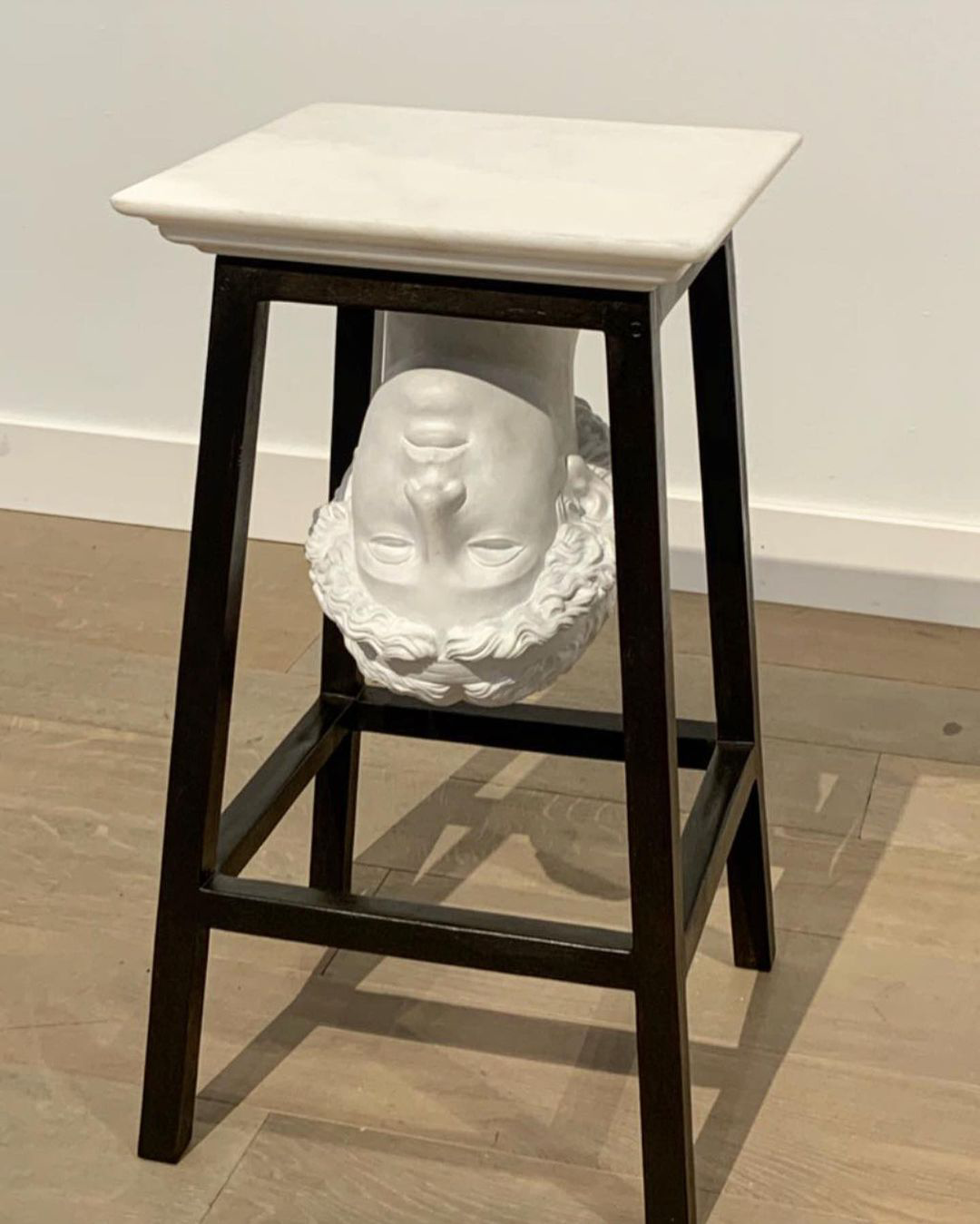
There is no doubts Science, Art and Technology are the Three Whales on whom the 21 Century Rests: here why the body of Sebastian Errazuriz work is an illustration of this. Sebastian is a designer, artist, entrepreneur and activist based in New York. He is known or a diverse body of work that demands reconsideration of familiar objects. These works often challenge viewers perceptions of how things are, and blur the boundaries between contemporary art, design, and craft.




Element No. 5, oil on canvas, diptych, 80" x 180", 2012
Artist Ran Ortner was born in 1959 in San Francisco and raised in rural Alaska. His first career was as a professional motorcycle racer. He continues to ride and remains an avid surfer. A decade ago Ortner began to confront his life long intoxication with the ocean. Influenced by the emotional complexity of great old master paintings, Ortner began to explore a particular kind of intensity realised through the layering of oil paint. Through this process Ortner holds both the muscular immediacy and the delicacy he experiences in the ocean.
Element No. 1, oil on canvas, diptych, 160" x 118, 2013
“The ocean mirrors the tempo of my body, the beating of my heart, the in and out of my breath. Waves like a metronome mark the present, each insisting: Now. In the ocean I am immersed in now. Yet in the ancient body of the sea I feel the root of time. In the pulsing surge I feel the wild place of my wilderness beginnings. There is no totem to the irrational more potent. Nothing points to the stirrings of my unconscious more than what lies below the surface. No peril feels more ominous. Yet the sea is where I bathe my wounds, where I get lost in all that is luxuriously infinite. Nothing is more symphonic, more effervescent, more delicately complete than the endless sea. ”
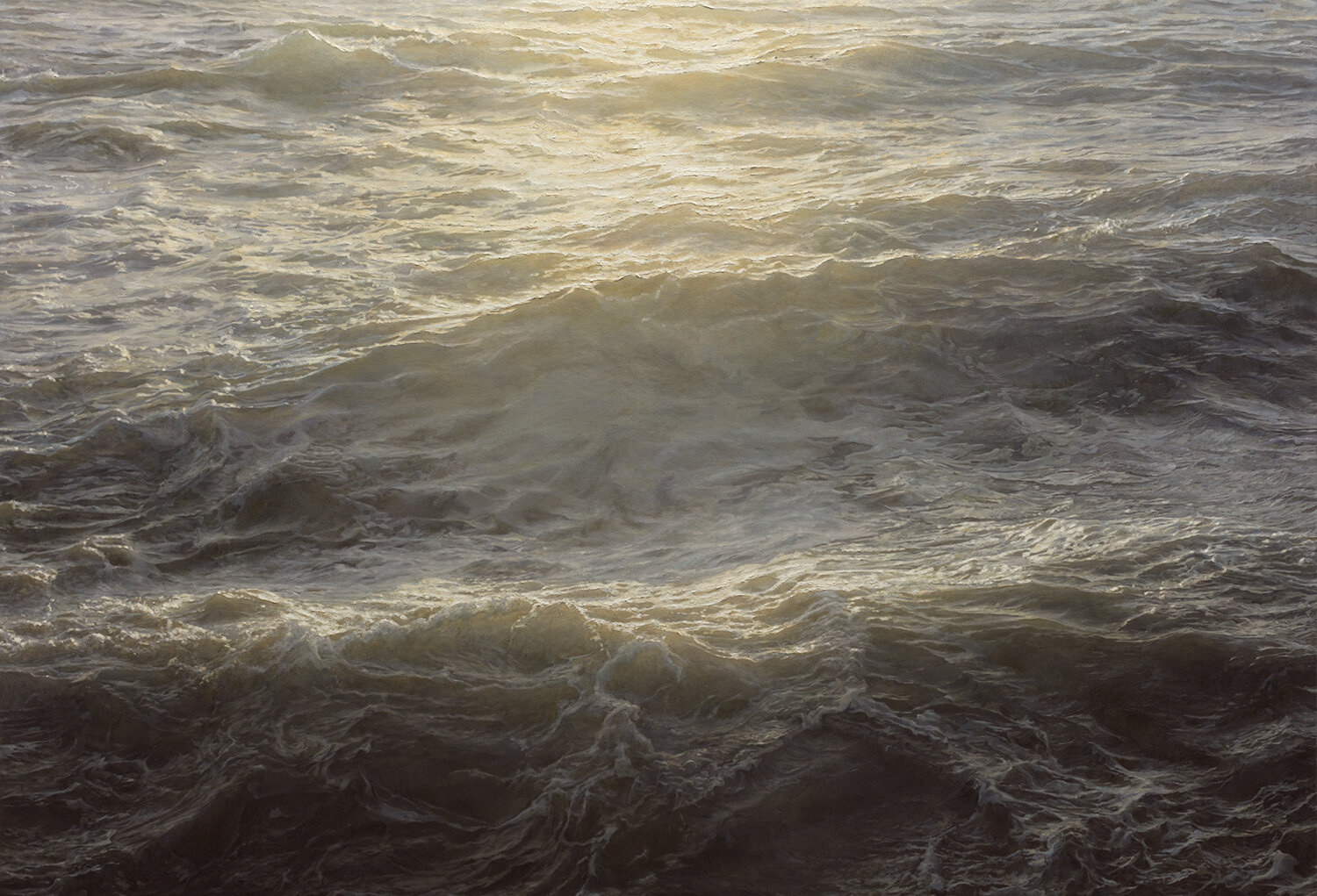
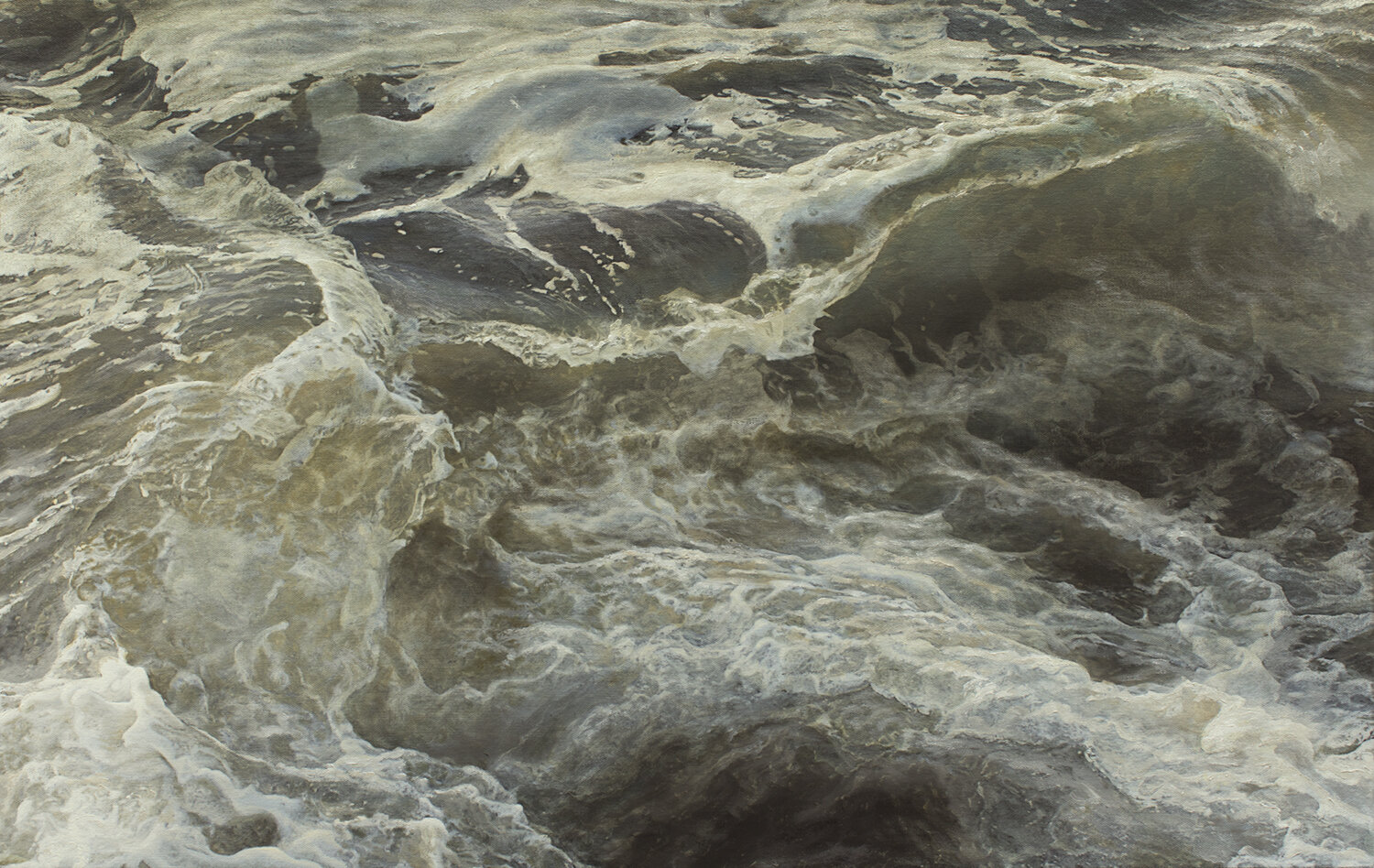
Element No. 2, oil on canvas, triptych, 72" x 234", 2013
Element No. 31, oil on canvas, triptych, 80" x 316", 2016
Element No. 3, oil on canvas, triptych, 72" x 234", 2011

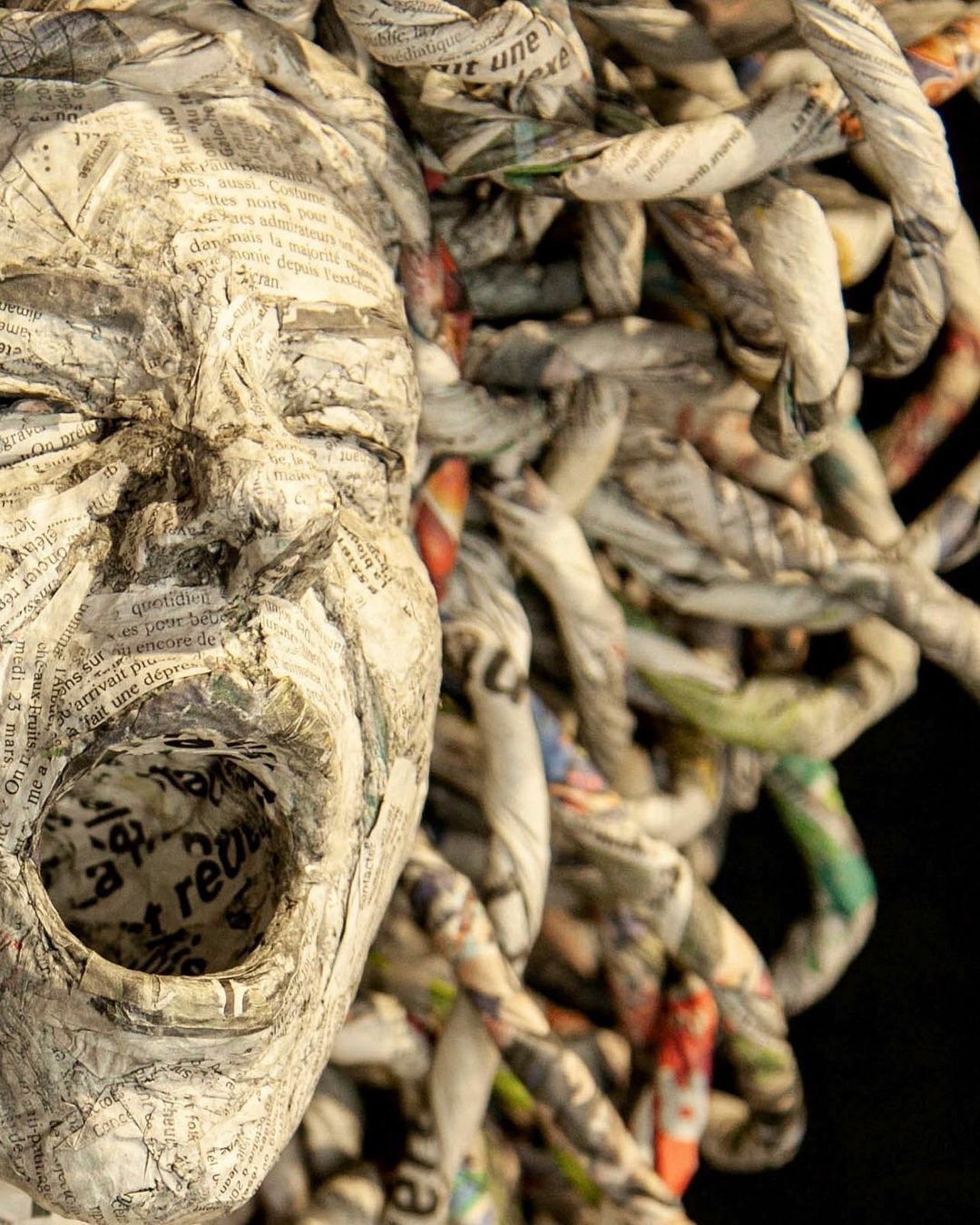
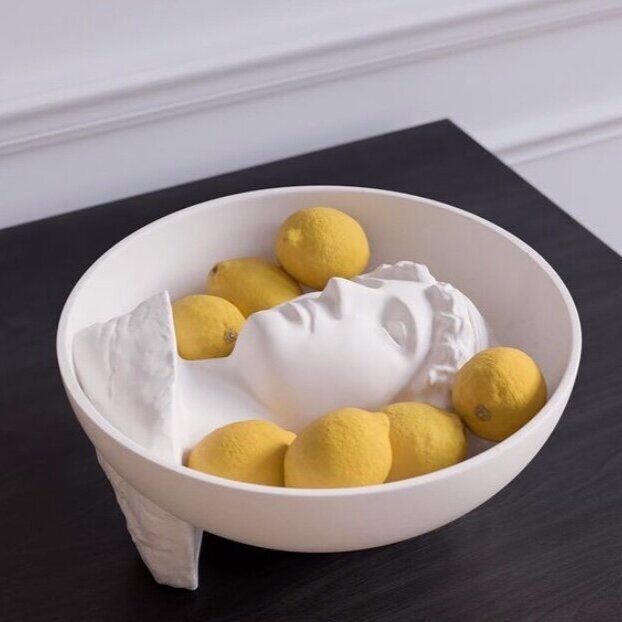
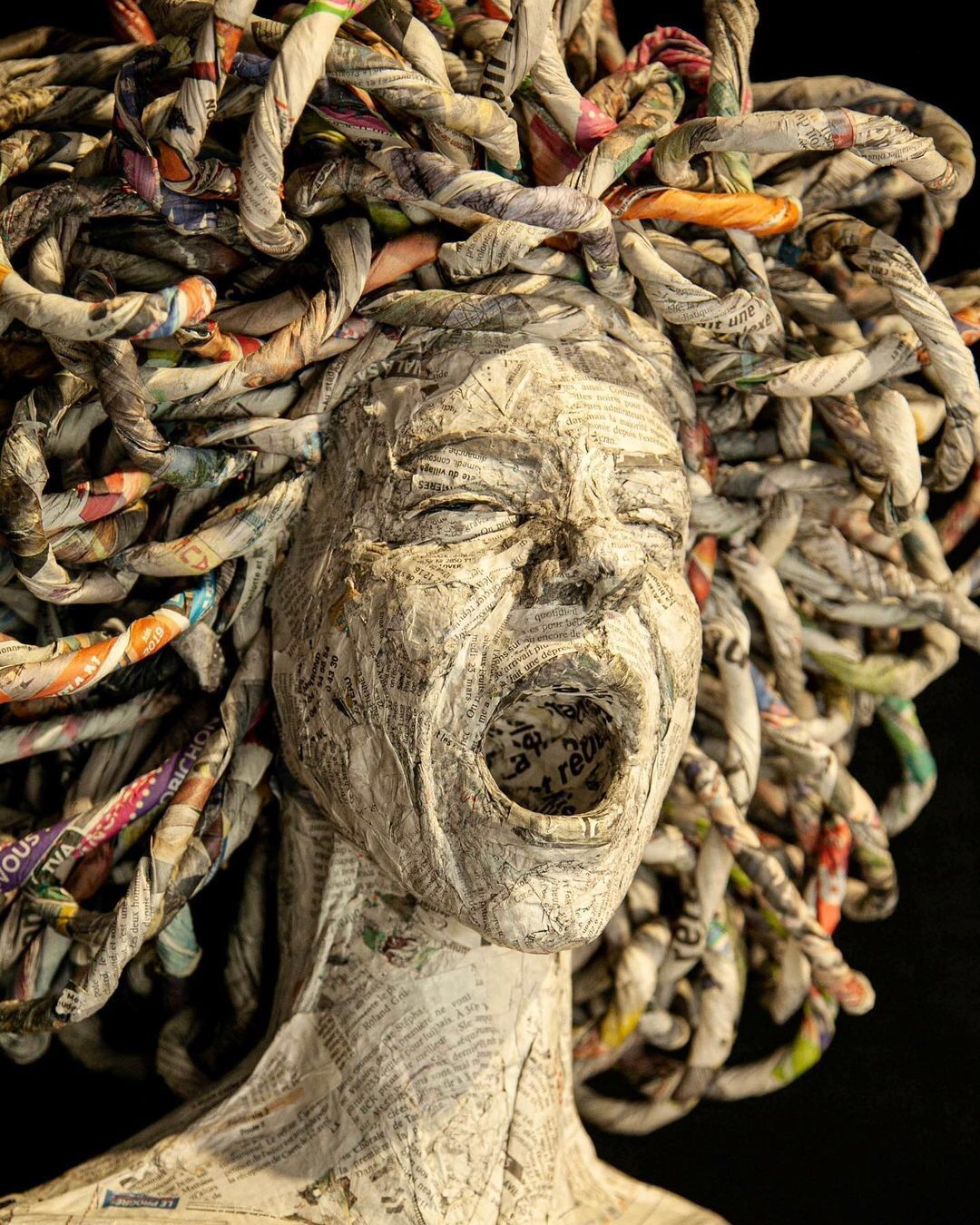
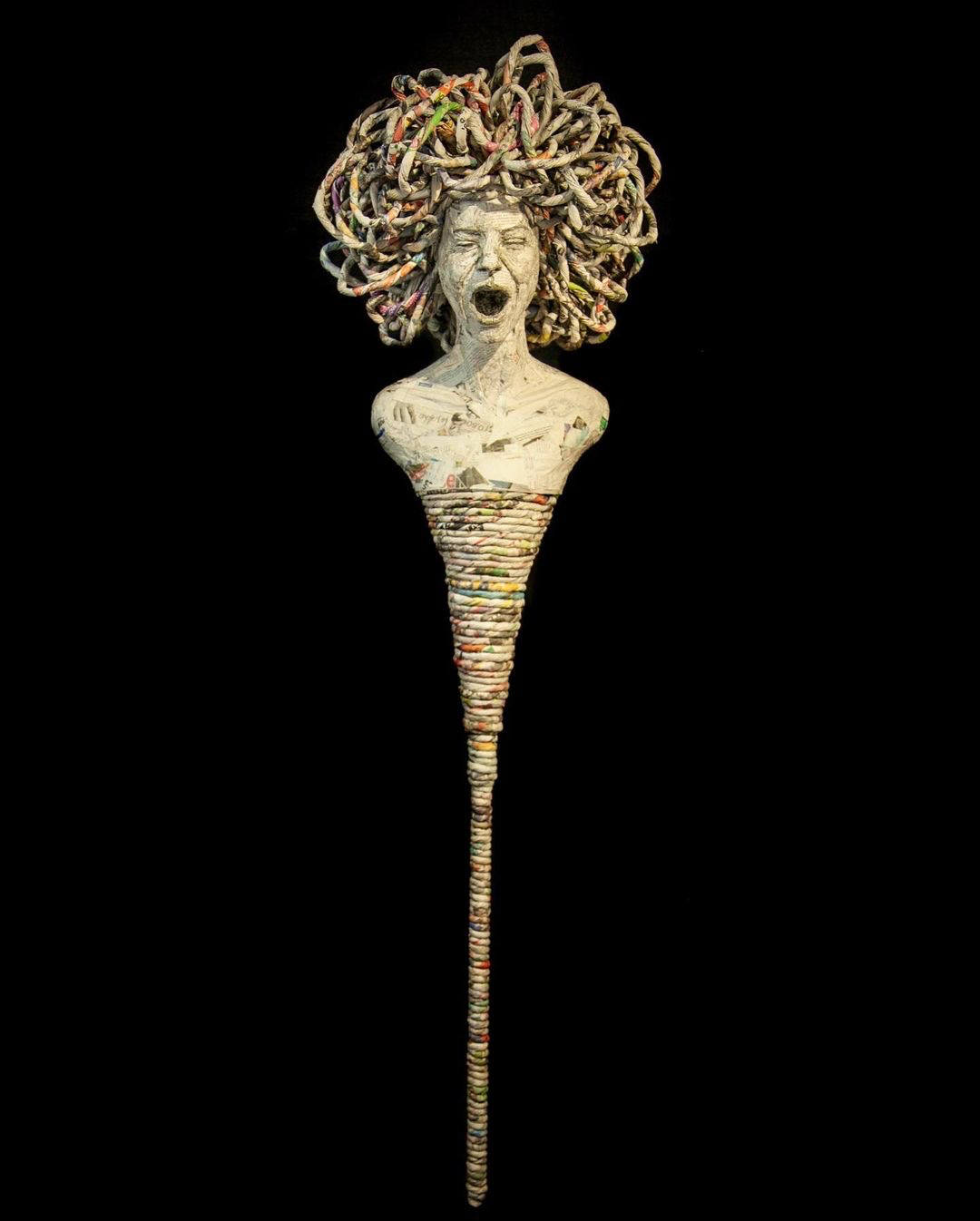
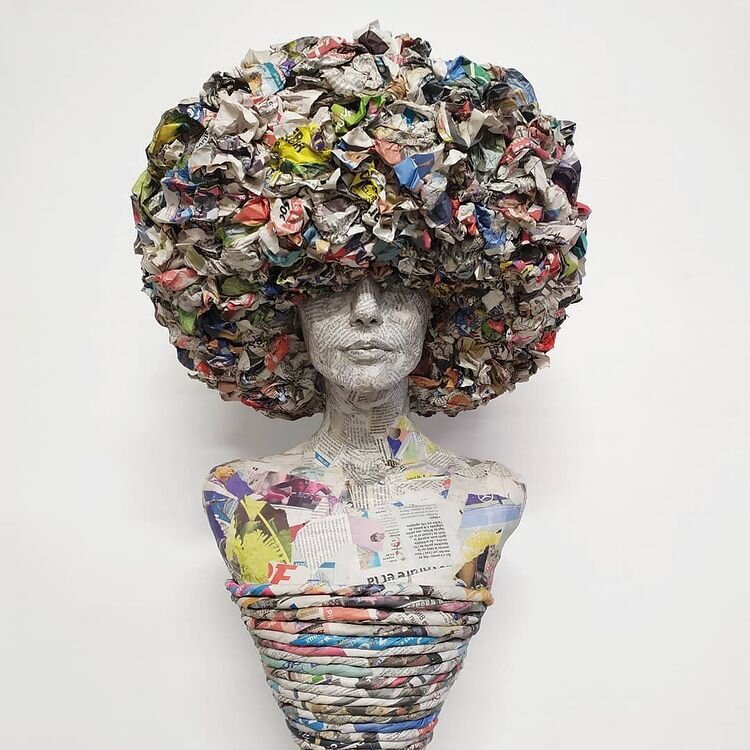
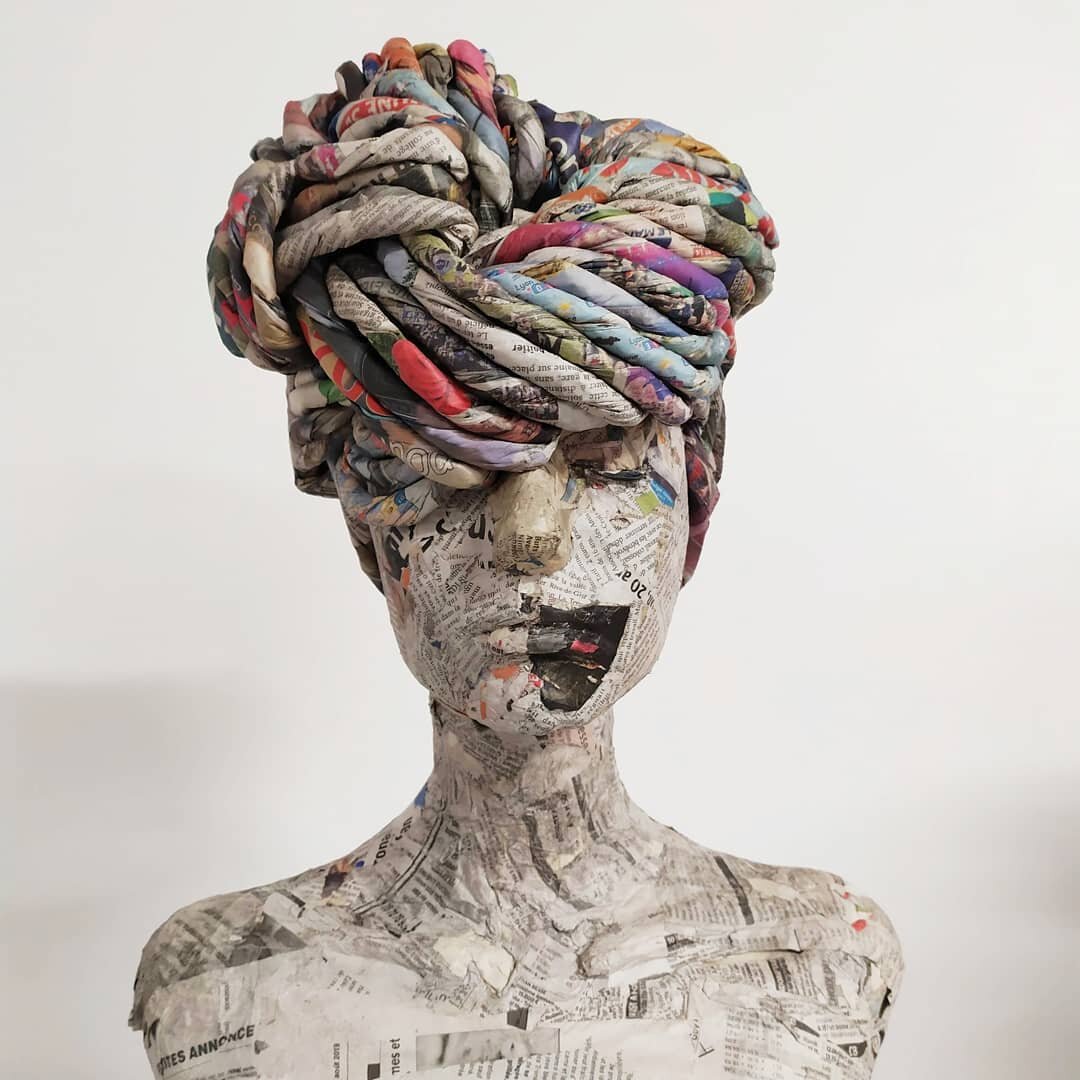
Celine Chouvenc is a French contemporary artists working in papier-mâché techniques. She is focusing on sculpting enigmatic portraits of woman and revealing a supernatural power in each of them.

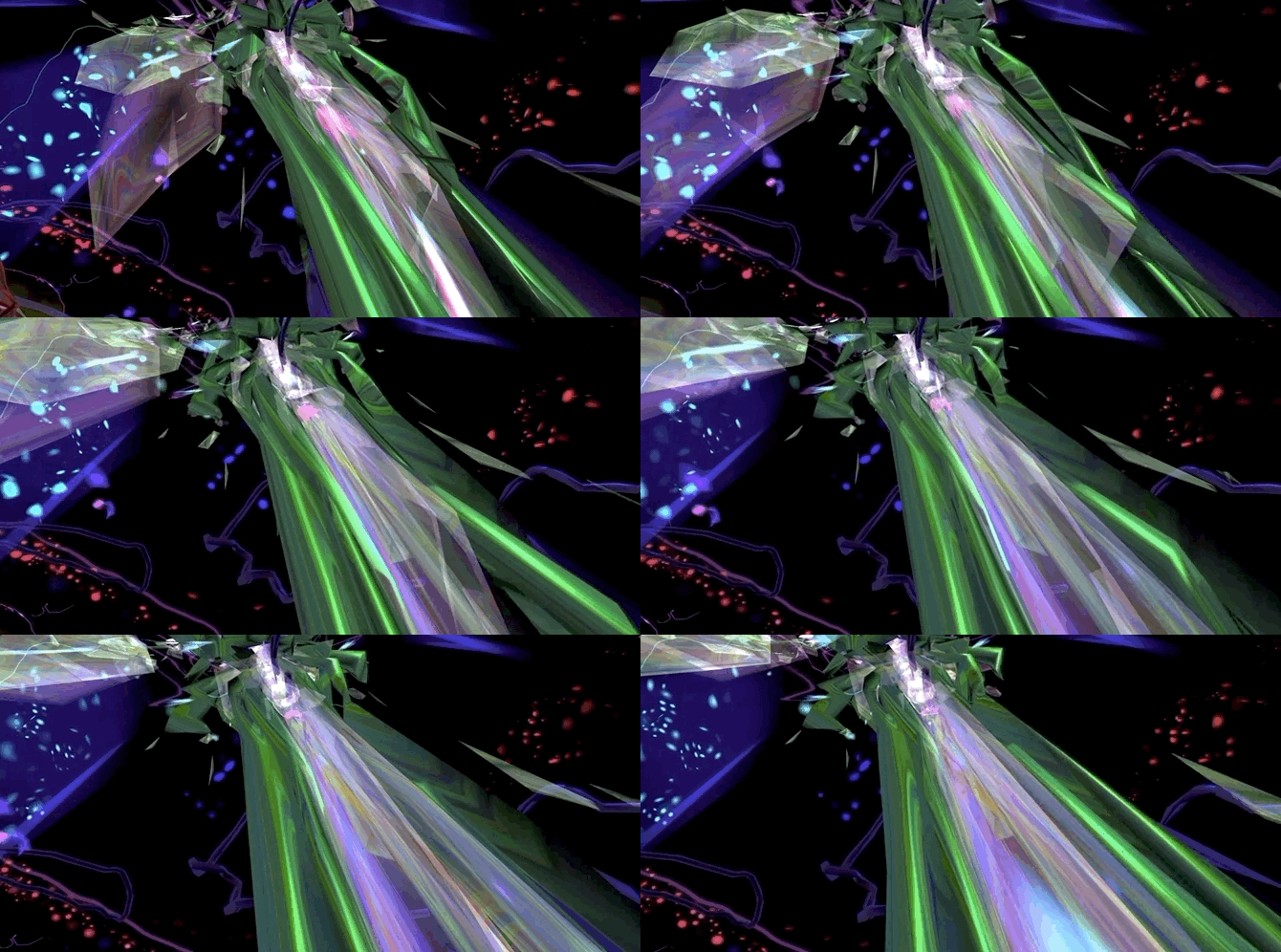
Sutu (aka Stuart Campbell) uses art and technology in new ways to tell stories. He has been commissioned by the likes of Marvel, Google and Disney to create VR art for properties such as Doctor Strange and Ready Player One. He has also created three VR documentaries; Inside Manus for SBS, Mind at War for Ryot Films and The Battle of Hamel for the Australian War Memorial. He is also known for his interactive comics including Nawlz, Neomad, Modern Polaxis and These Memories Won’t Last. He holds a Honorary Doctorate of Digital Media from Central Queensland University, is a 2017 Sundance Fellow and is the co-founder of EyeJack an Augmented Reality company.
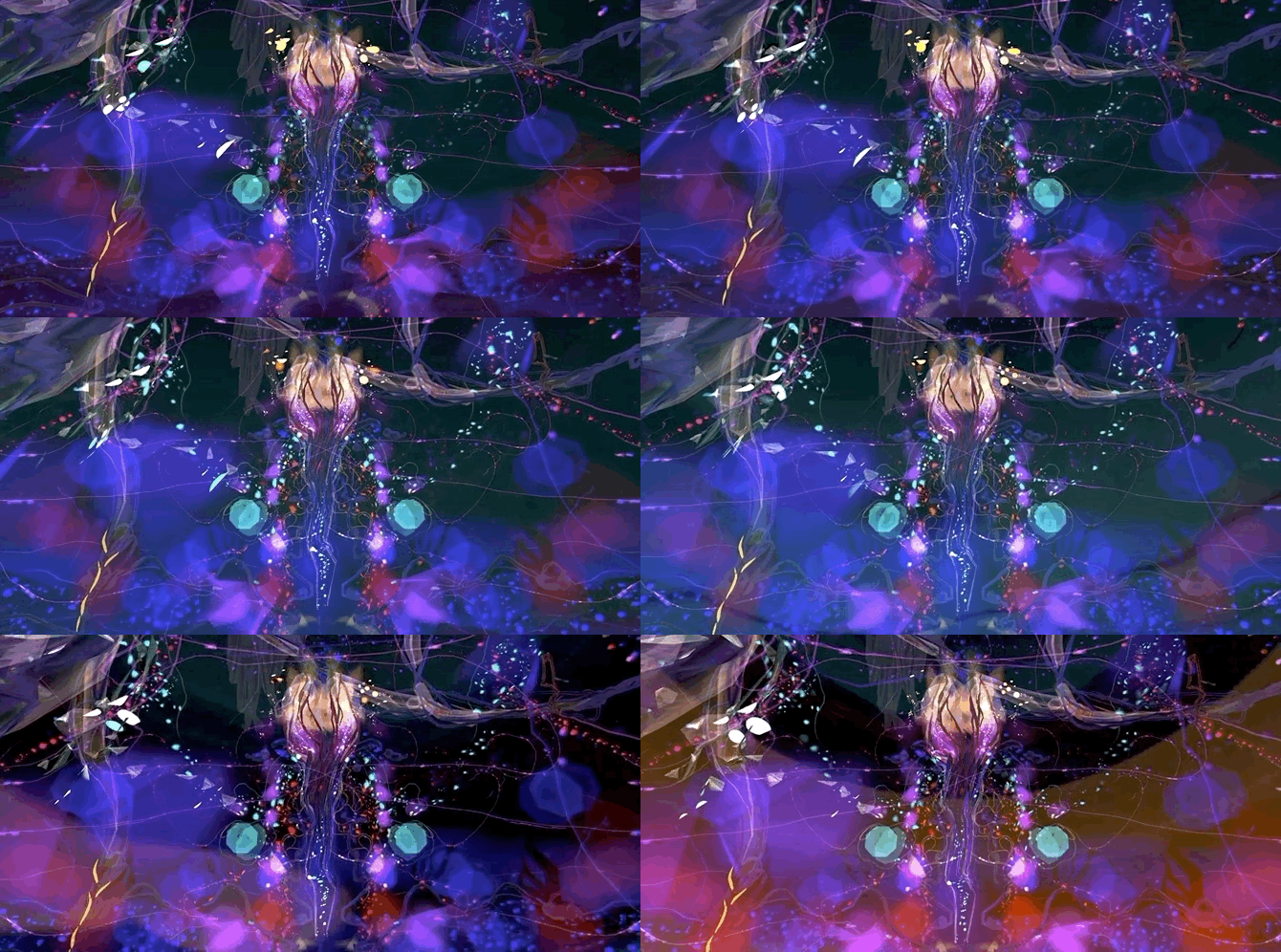
Recently Sutu took a part in collaboration with electronic musician Deadmau5 to create a special piece for SuperRare cryptocurrency art auction

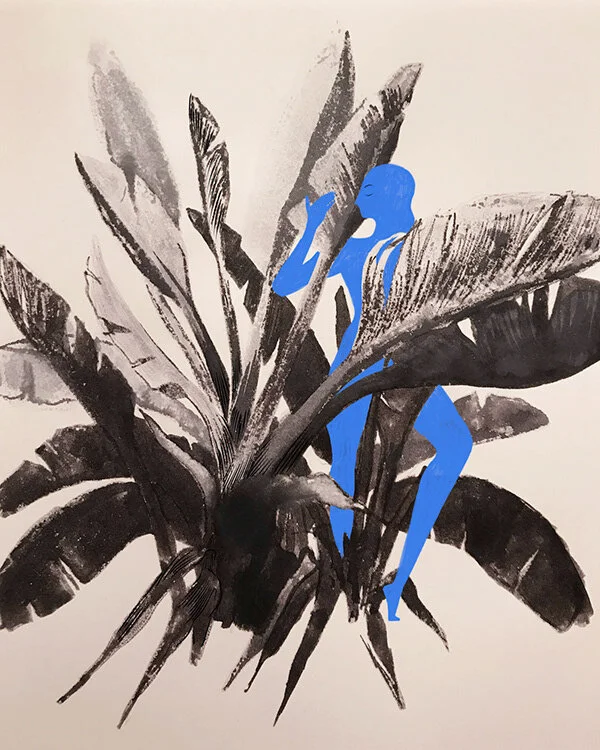
“Weronika Kuc is a Warsaw-based illustrator and graphic designer mixing digital and traditional drawing techniques. She compensates her flair for minimalism with bold splashes of color, adding a metaphorical quality to each of her works.”
“Zooming of female figures and their attributes, Kuc investigates human sensitivity with simple brushstrokes while her distorted heroines contest society’s beauty norms. Having worked with titles such as ELLE and Glamour, the artist reaches beyond classical mediums and zooms on the most subtle of feelings.”

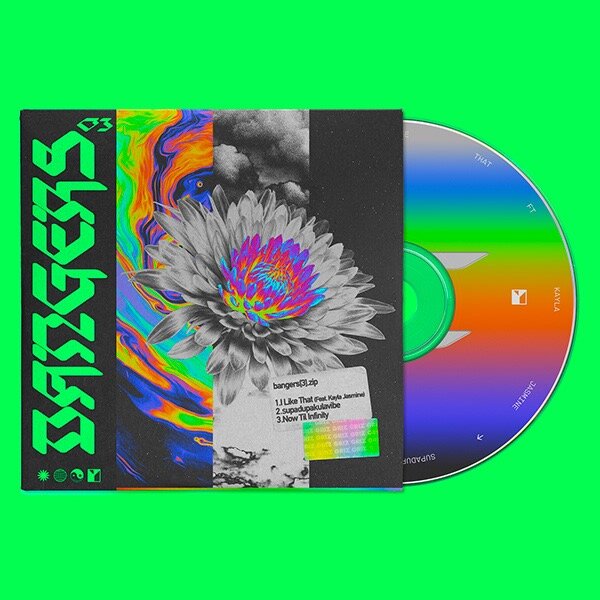
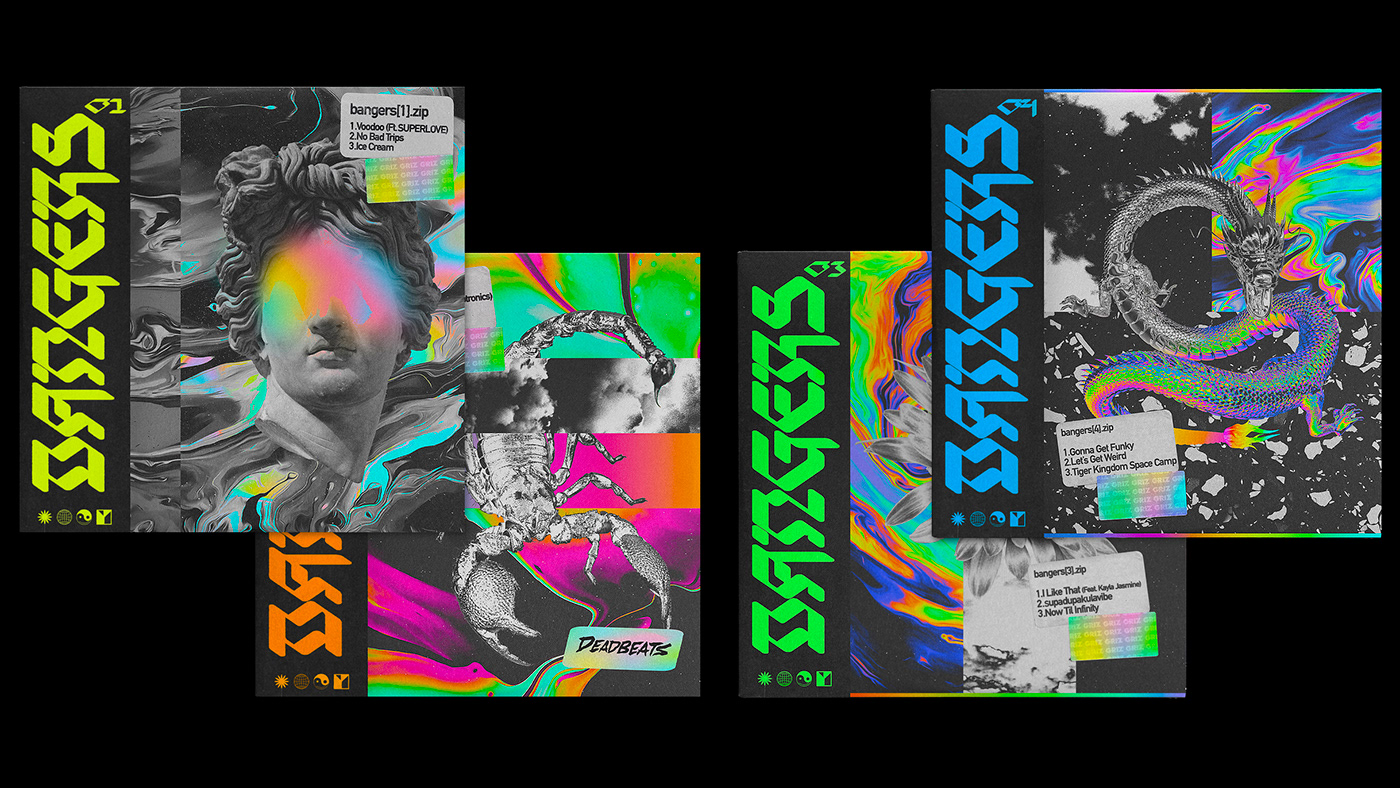
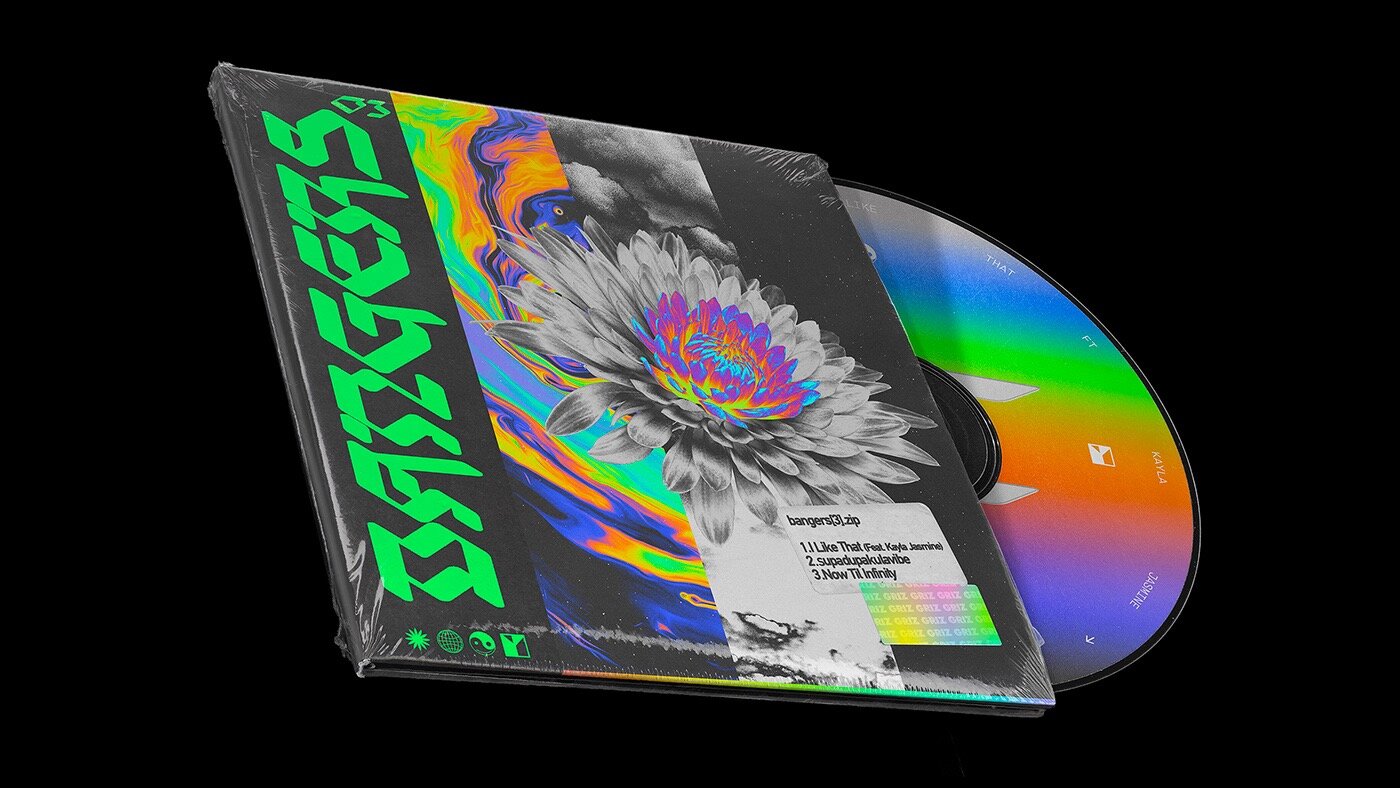
If you are not following how digital art becoming a thing nowadays by landing on the NFT crypto-platforms, you better follow our friends and participants of Digital Decade Alycia Rainaud and Dorian Legret. For now just check their awesome collaboration on music covers for GRiZ

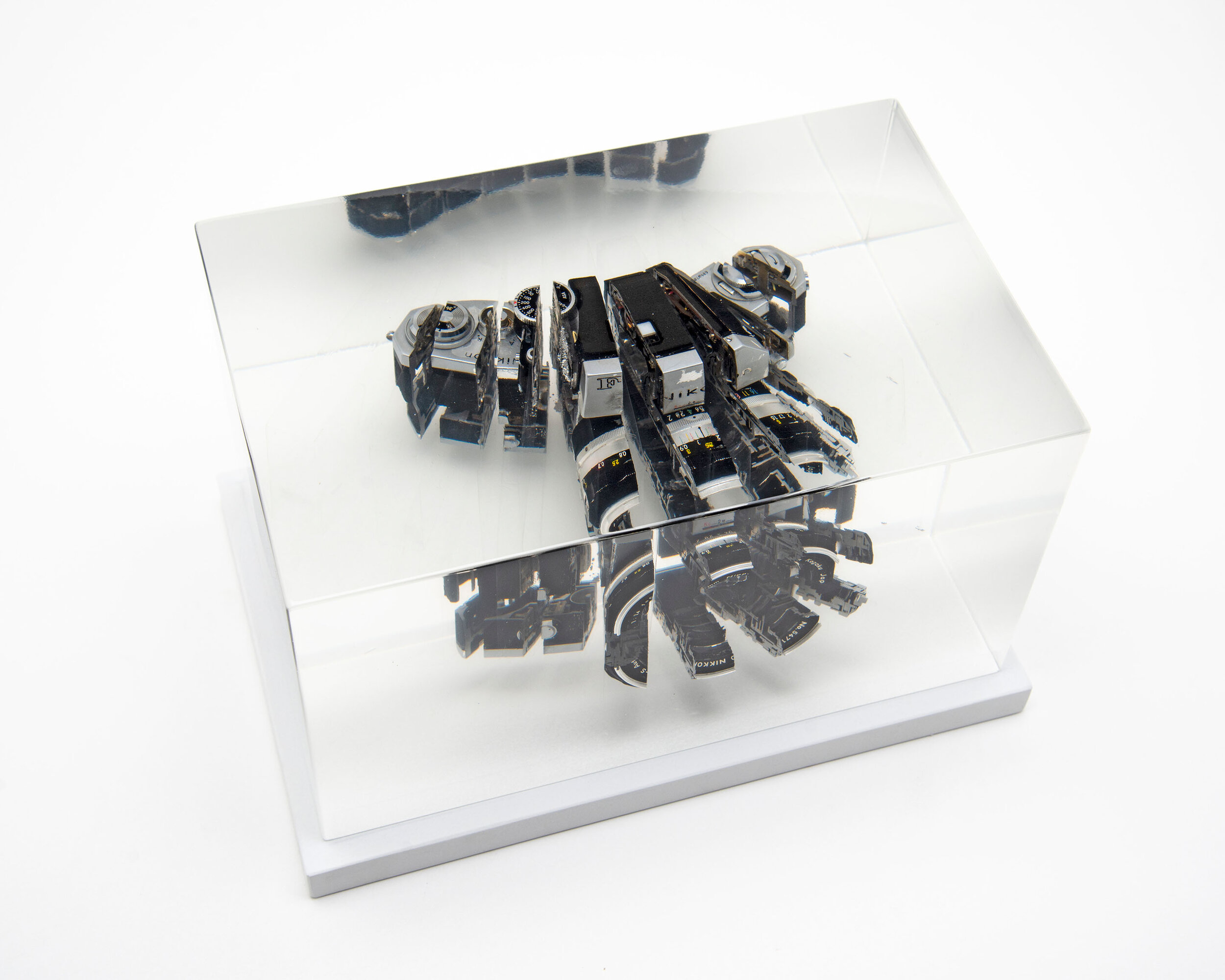
Fabian Oefner`s work explores the boundaries between time, space and reality. He creates fictional moments and spaces, that look and feel absolutely real, yet aren't. Through this, Oefner dissects the different components of reality and gives us a clearer understanding of how we perceive and define it.

Inspired by science, Oefner`s approach to art is highly methodical and at the same time playful for unexpected moments to happen. He creates carefully orchestrated works, that are planned down to the last detail as well as pieces, that use a loose framework for art to happen.

In his highly acclaimed "Disintegrating" series, the artist portrays performance cars, that seem to blow apart. He creates these artificial moments in time by photographing every piece of the dismantled car individually and arranges them digitally into one photograph. Spending hundreds of hours on each piece, the photographs become a hyperrealistic rendition of a moment, that never existed.
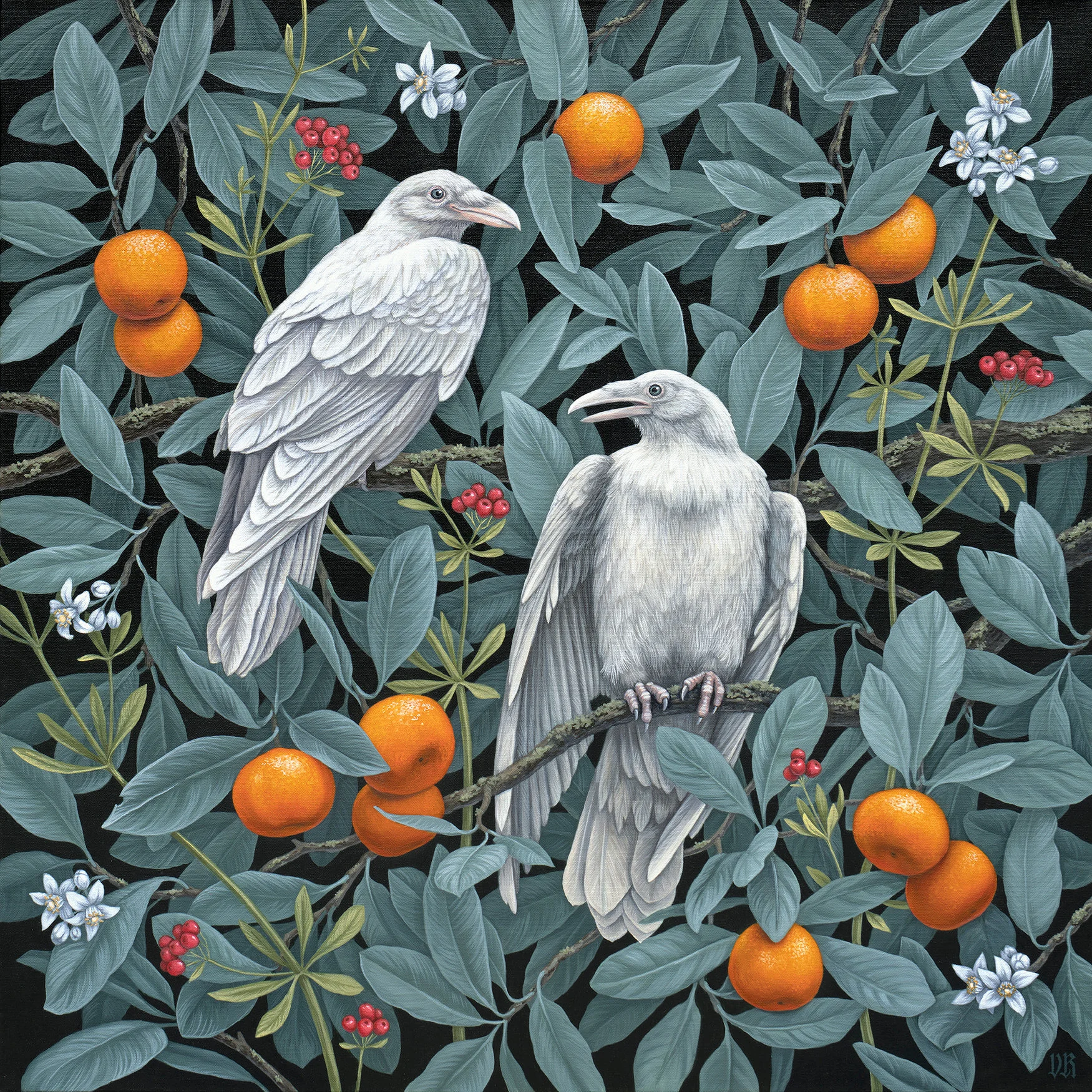
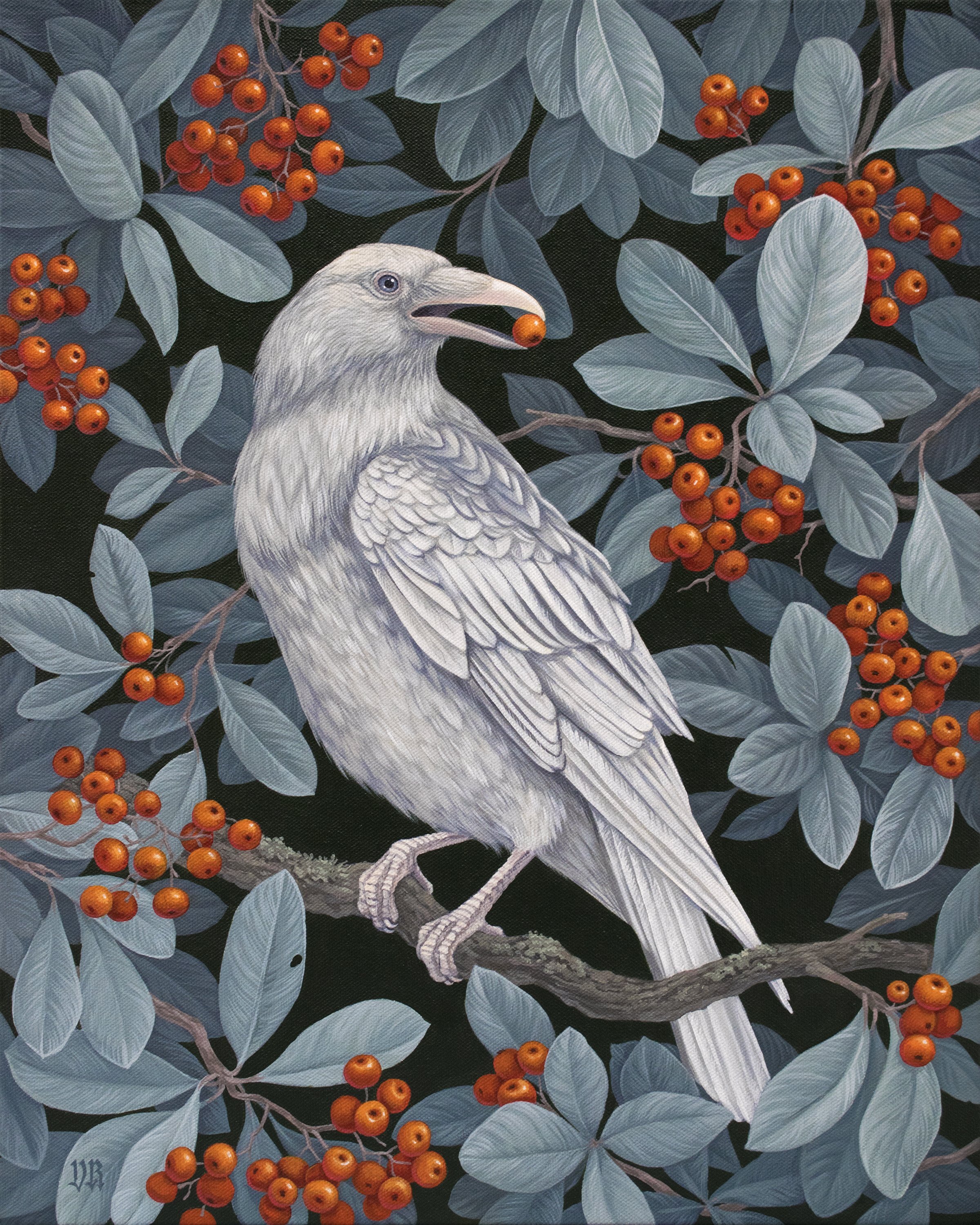
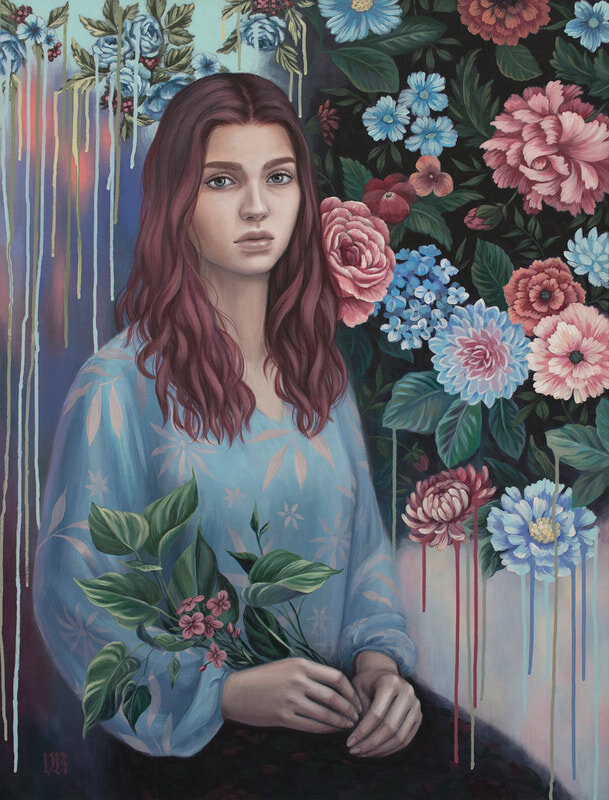
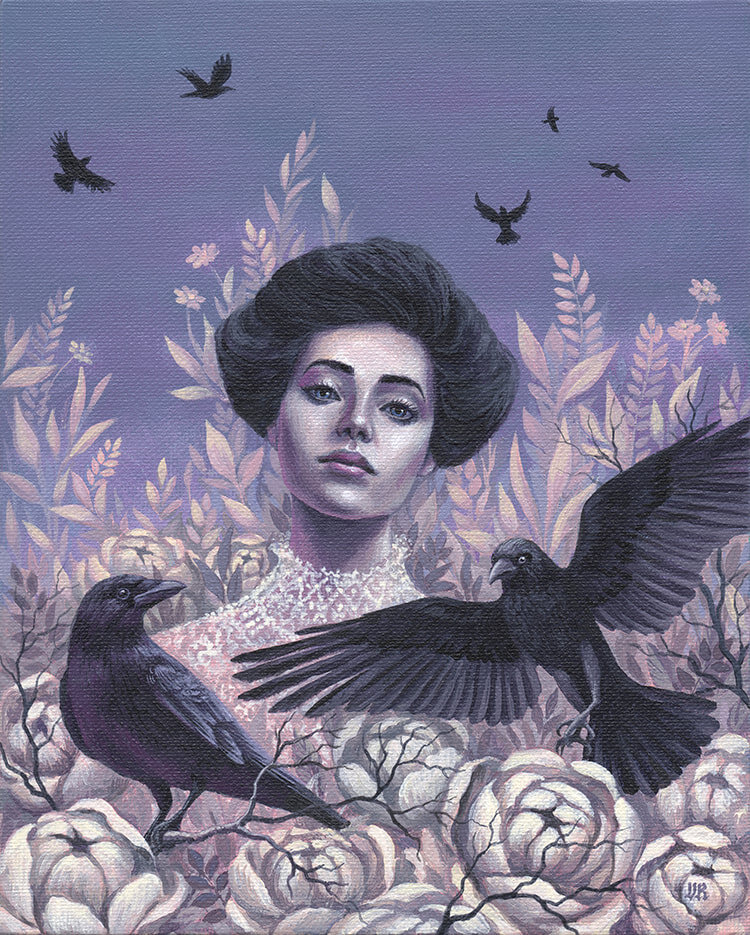
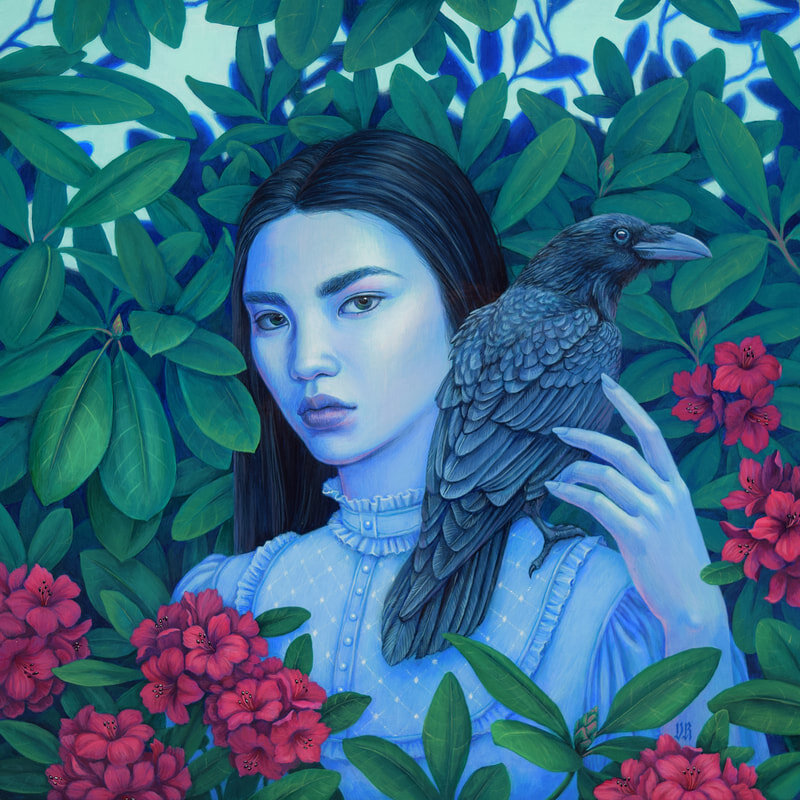
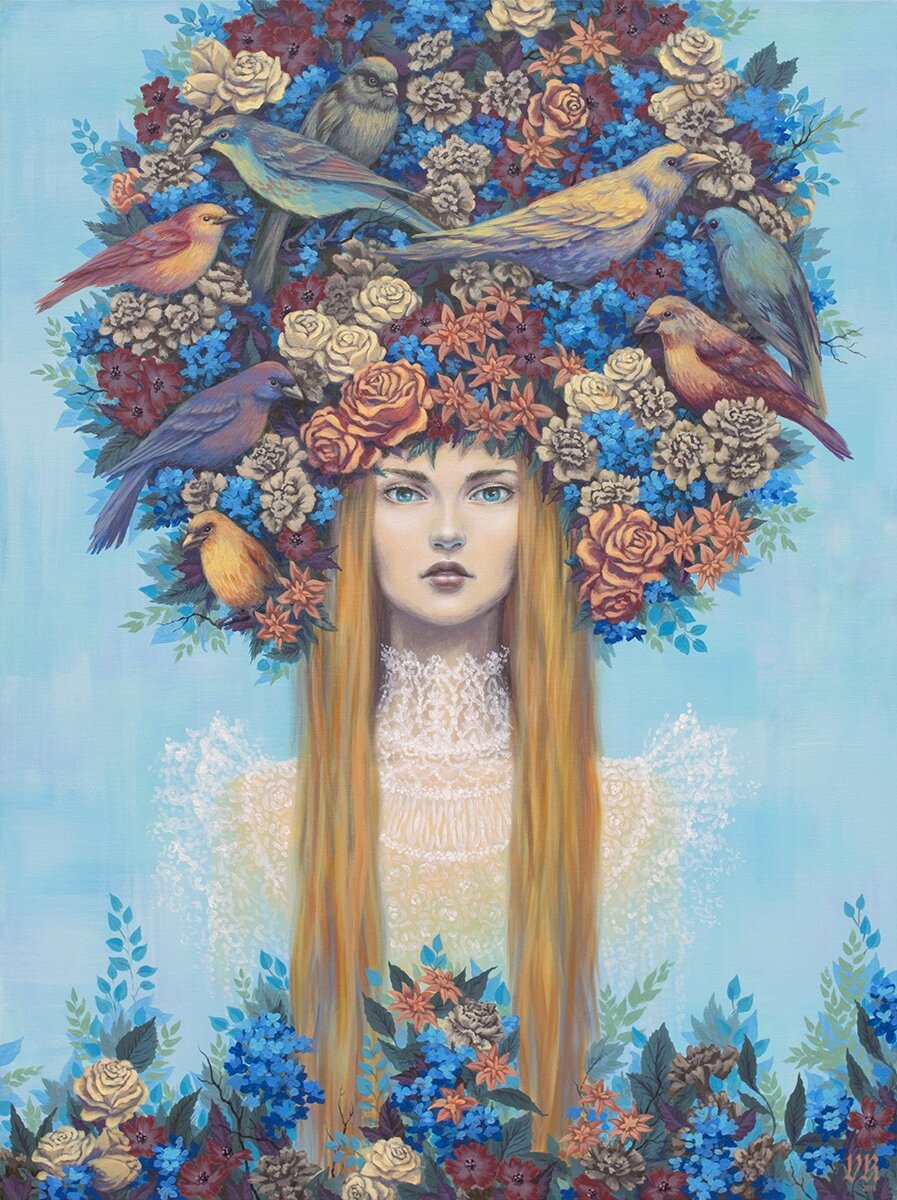
Vasilisa Romanenko is a New England-based illustrator, designer, and fine artist. Her artwork depicts the mystery, beauty, and fragility of nature through the use of botanical elements, intricate patterns, and animals. She sees her paintings as windows into a magical world, much like the one she enjoyed getting lost in as a child while reading fairy tales. The lush blooming gardens, birds, and insects in her work are all used to explore the human spirit and its connection to nature. Vasilisa's primary medium is acrylic on canvas, although she works with watercolour, ink, and digital mediums as well.
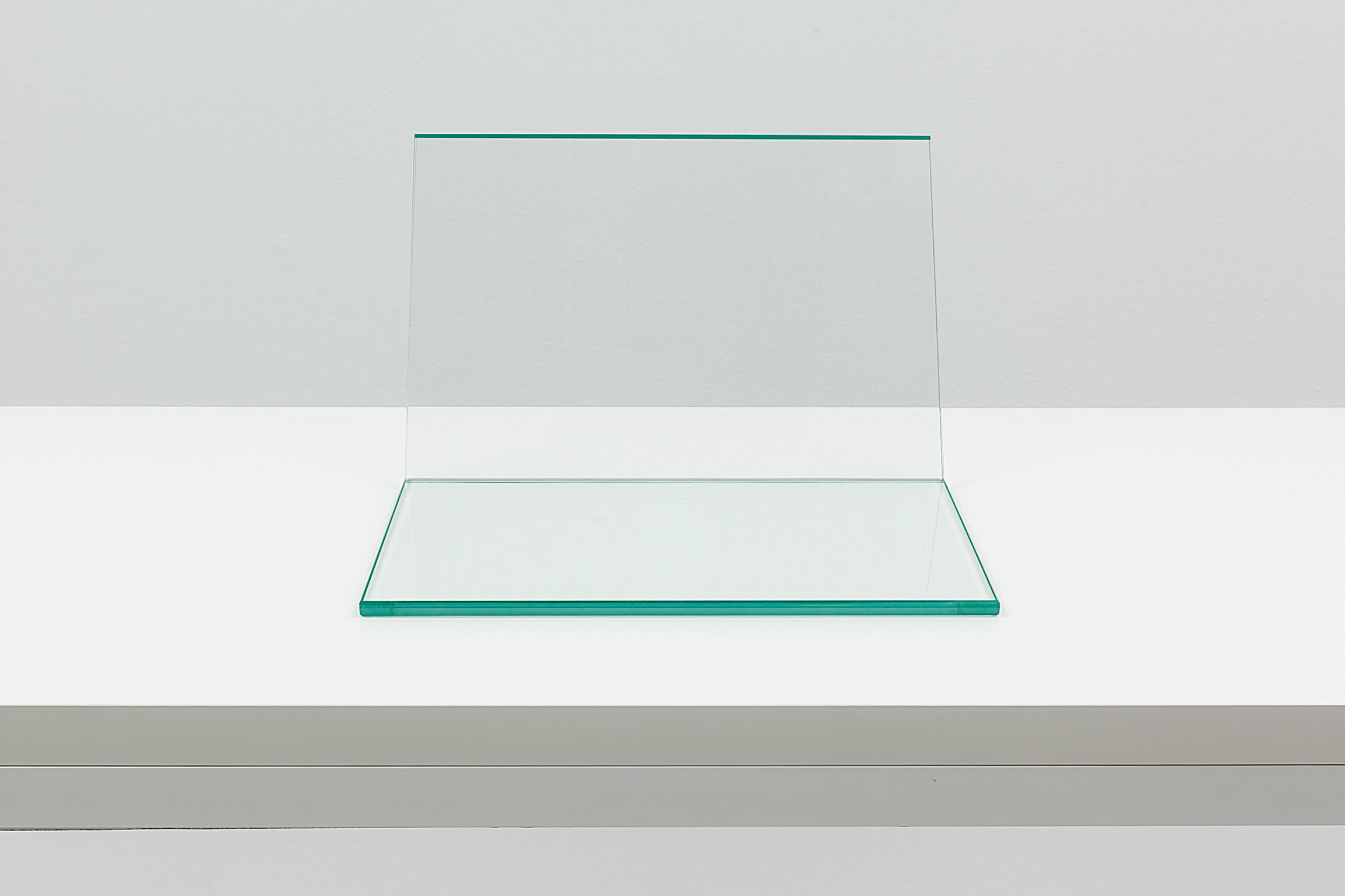
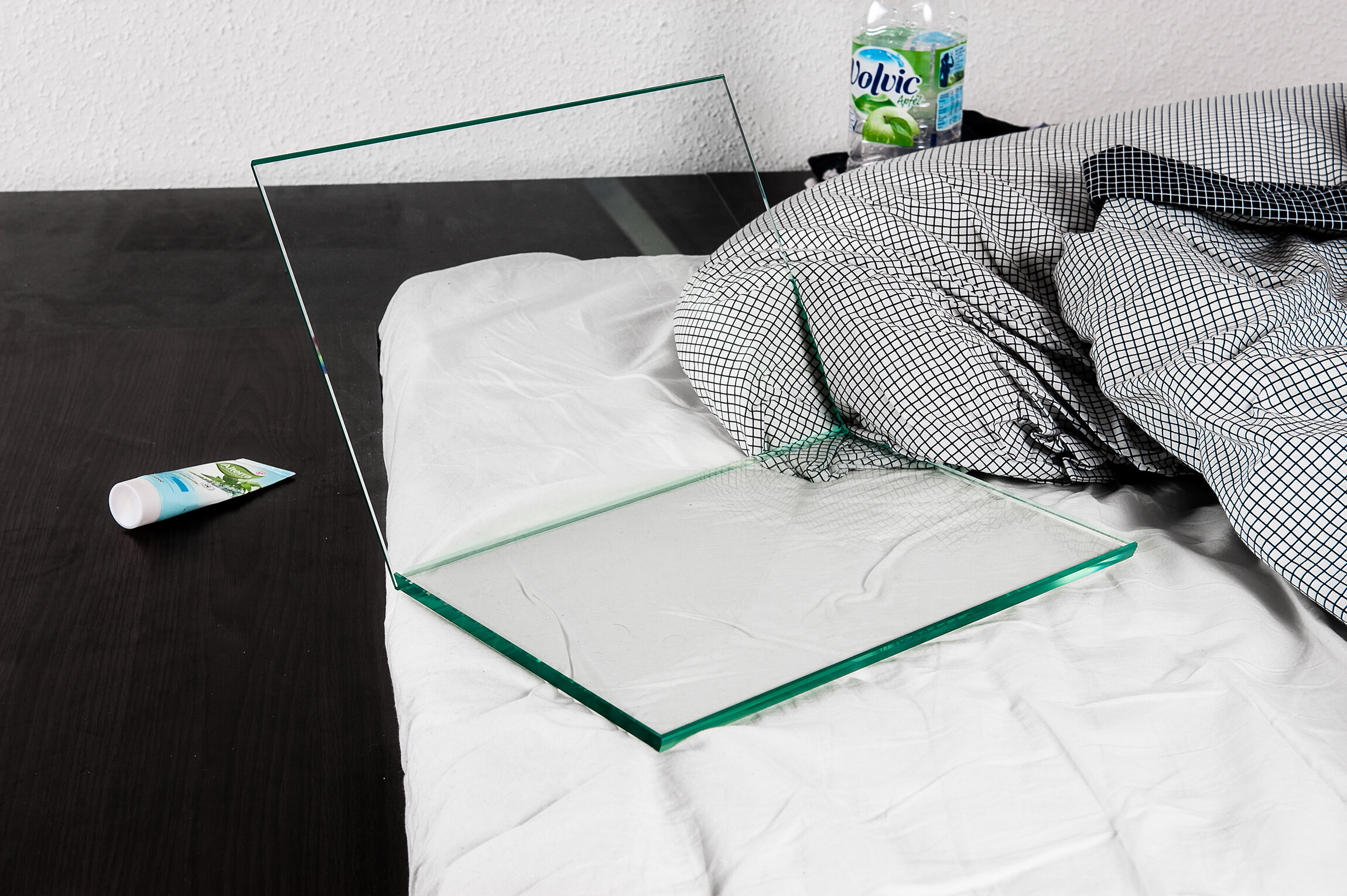
Started in 2013 the ongoing research on glass screen as metaphor of a digital being is a central focus in Tilman Hornig career as an artist.
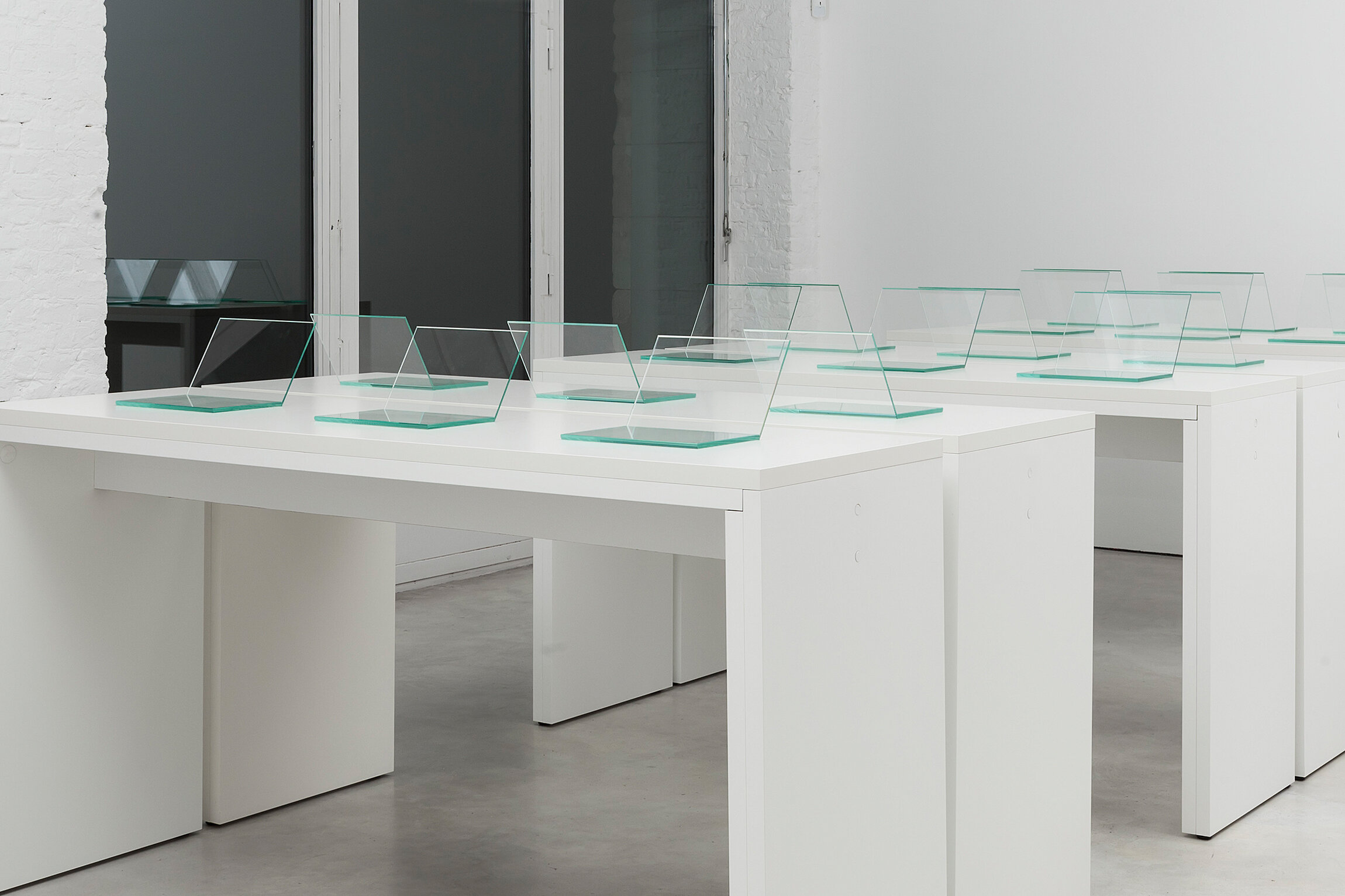
From an ontological point of view, computers – similar to Heidegger’s notion on Being – “are” not at all. Today, they are required to deter- mine any kind of being. They, therefore, precede any kind of being. Computers “are” not, they exist as an invisible given, which penetrates everything. Foremost, computers are nothing specific. As a universal medium, they are similar to that which Aristotle called the diaphanes, the “transparent” – an undetermined “in-between,” metaxu, which has to be formless in exactitude to take on any form and to transport all possible impressions. The significance of the computer also correlates to an image of the Stoics, the apeiron, ”the in-finite,” which, being primal matter par excellence, includes the possibility of any other matter, and which, exactly because of that, has no proper qualities itself. It is therefore no accident that transparency is the ethos of our time.
The phenomenon of virtual illusion denies reality by depicting it. The transparency is an exaggeration of emptiness and abundance of information and content at the same time. It creates infinite possibilities and makes the world a backdrop.

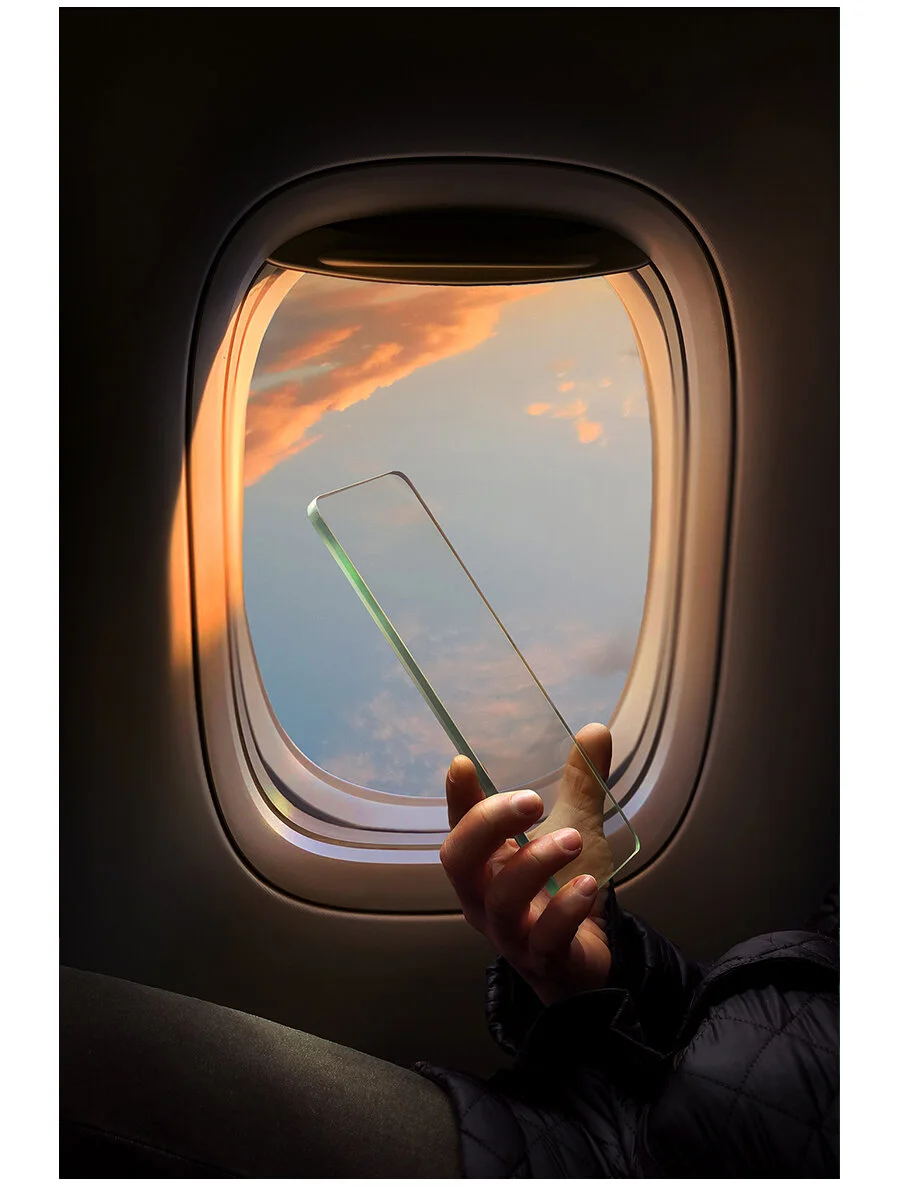
By throwing back the symbol of digital space, limitless communication, infinite information to its purely material form, Hornig makes the paradoxical cultural elevation visible. For the device as such is free of any content, it is a neutral surface and at no time permanent. Only at the moment of use does it transfer the surrounding reality into a virtual illusion of the same, thus becoming a mirror of countless, varying realities. The transparency of the "GlassPhone" refers to the actual function of the smartphone as a transmitter of information and translator between the worlds.

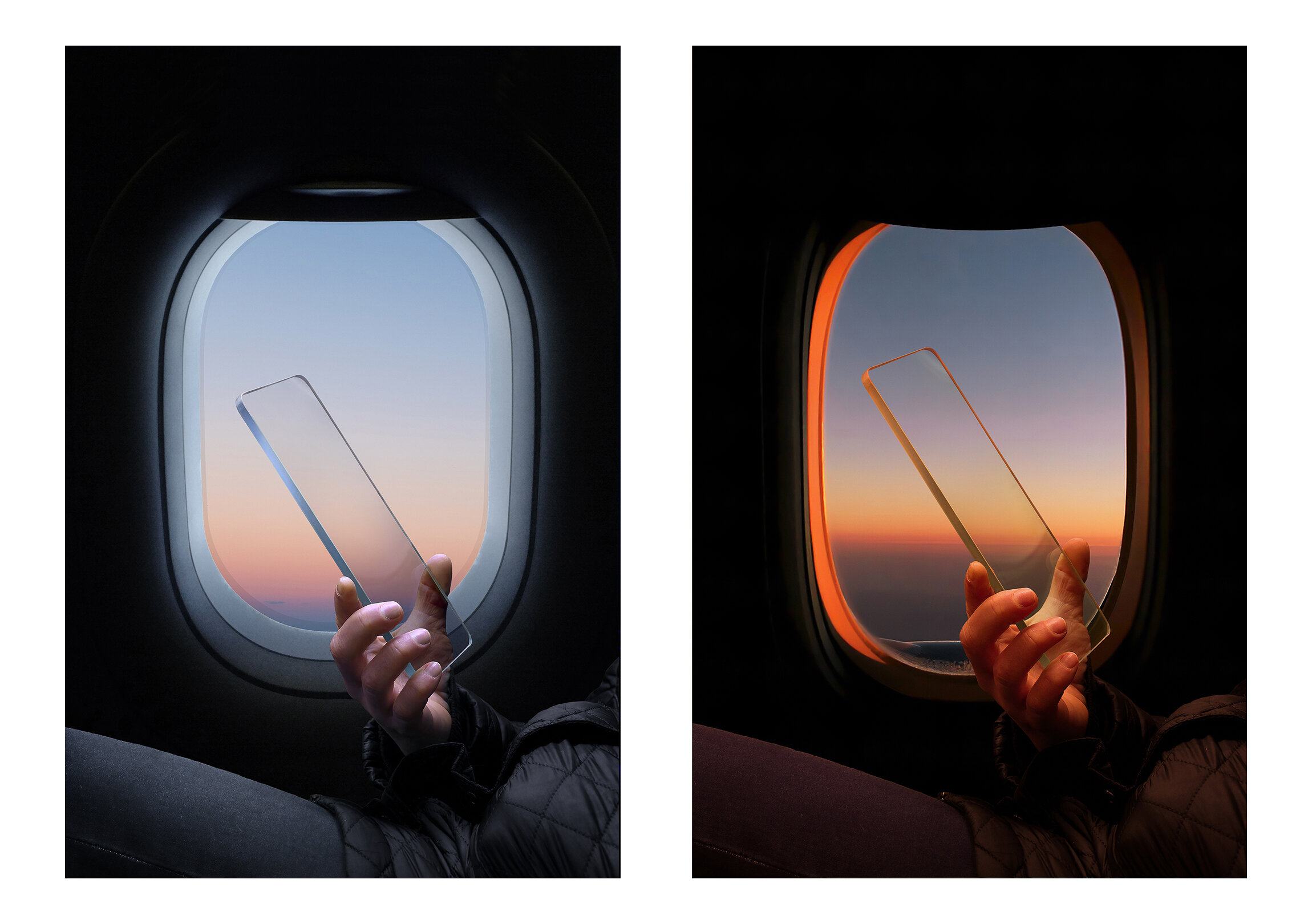
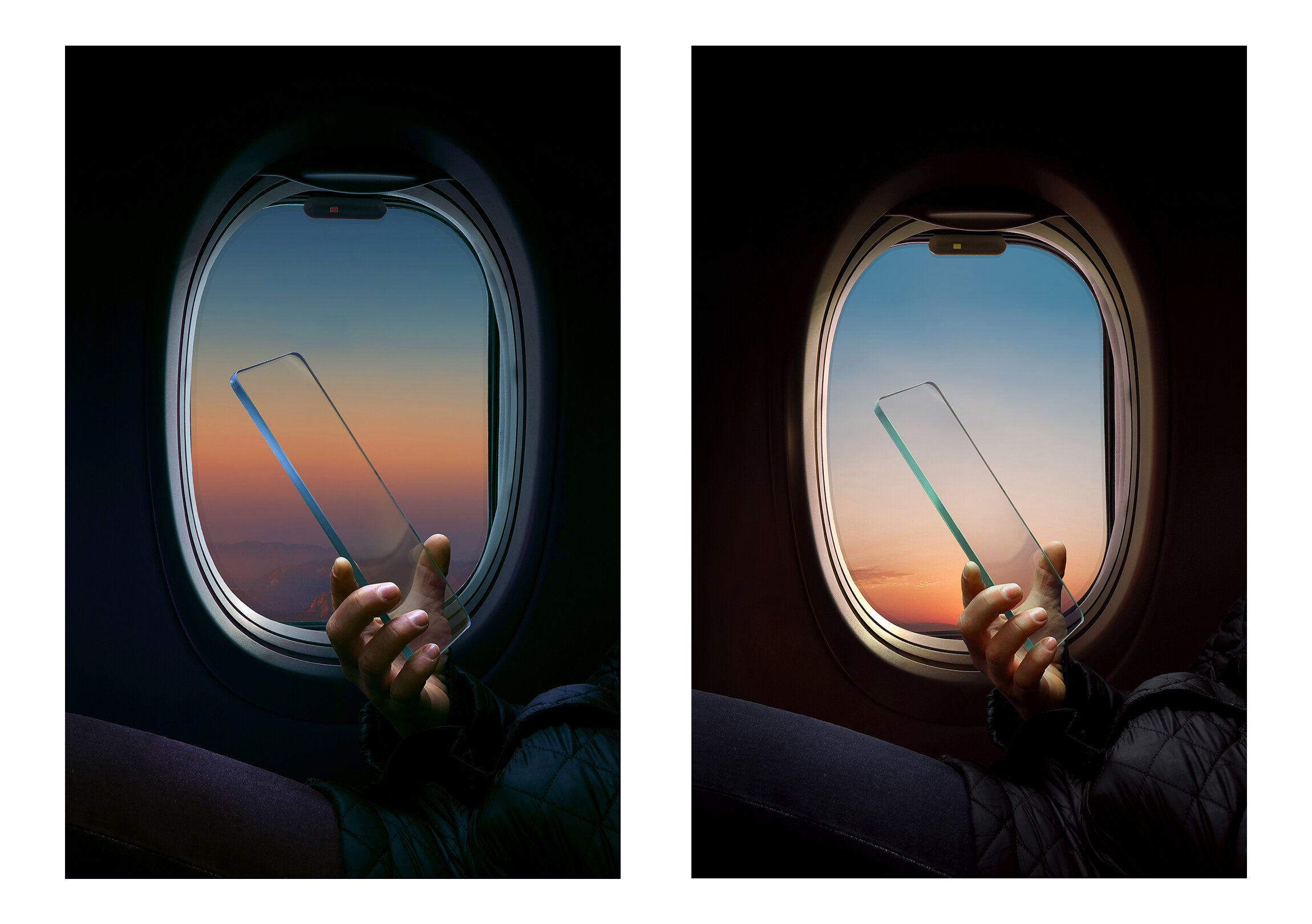
The complex and ever-increasing overlap of analog and digital realities is touched in the current exhibition "Silent Night" on a formal as well as on a content-related level. It shows 24 variations of a motif from the "GlassPhone" series. In the darkness of an airplane cabin - as the characteristic oval window hatch in the center lets us know - the human body disappears almost completely. Only the hand holding the sculpture is illuminated by the mystical light in the center of the picture, while the "GlassPhone" itself crosses the additional picture surface enclosed by the window frame in an almost perfect diagonal.The precise, harmonious composition differs in its execution only in this second picture surface, the landscape to be imagined and especially the atmosphere of light that radiates inwards and frames the sculpture like an aureole. Golden sunrises or sunsets, rosy pastel evening moods, deep blue night skies or greenish shimmering auroras create stylized hyper-realities. They reveal that this motif was digitally mounted.

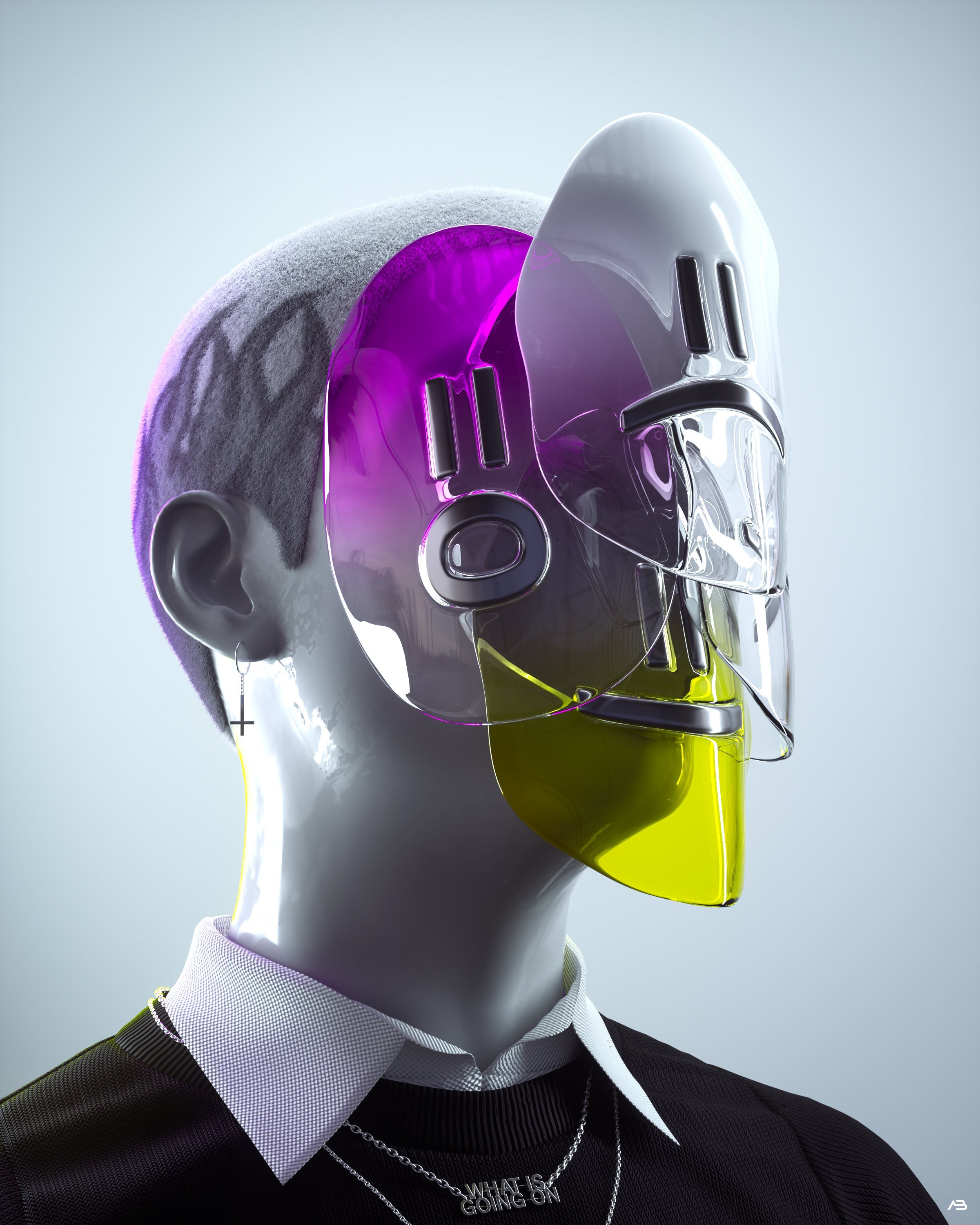
Talented rising CG art star Adam Rosol shares his latest creatures under “Dispersion” project
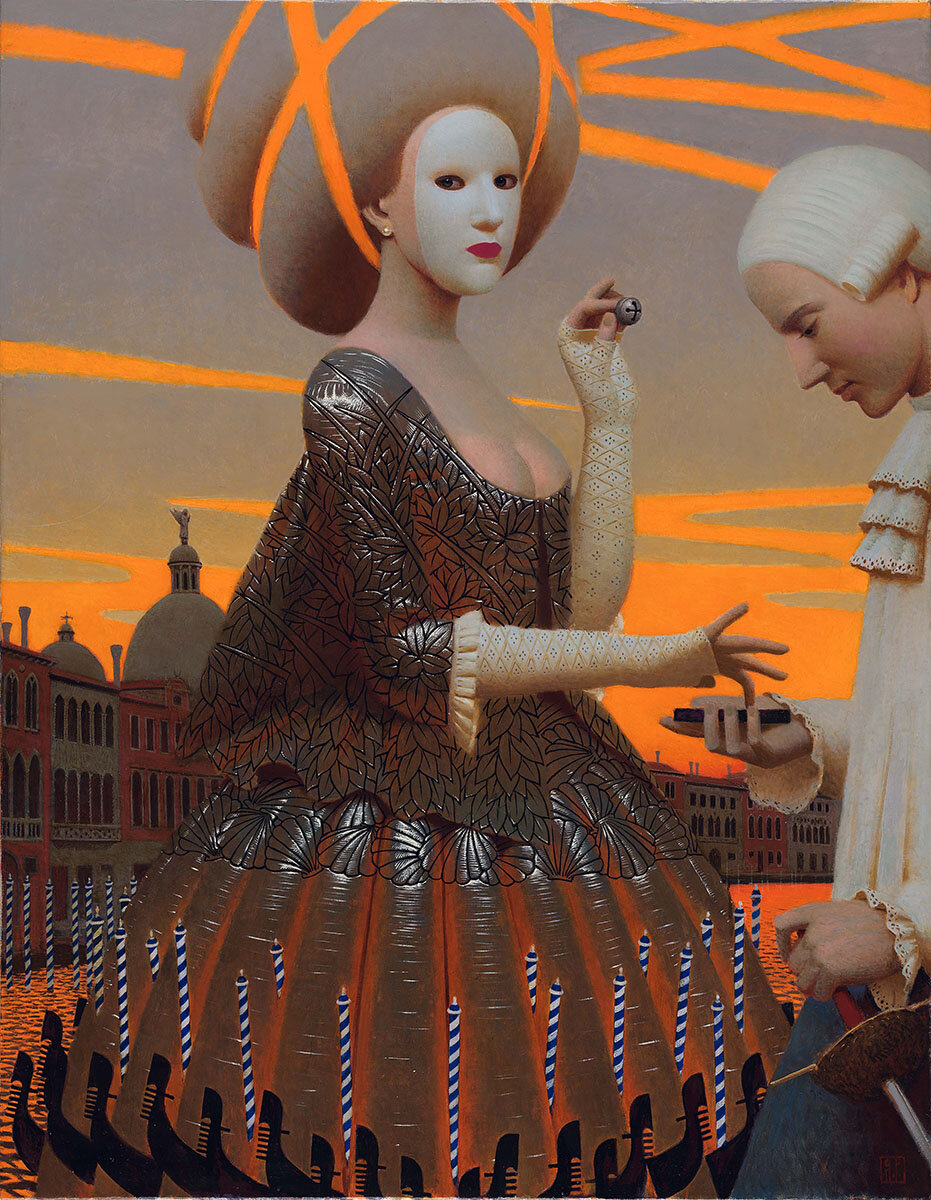
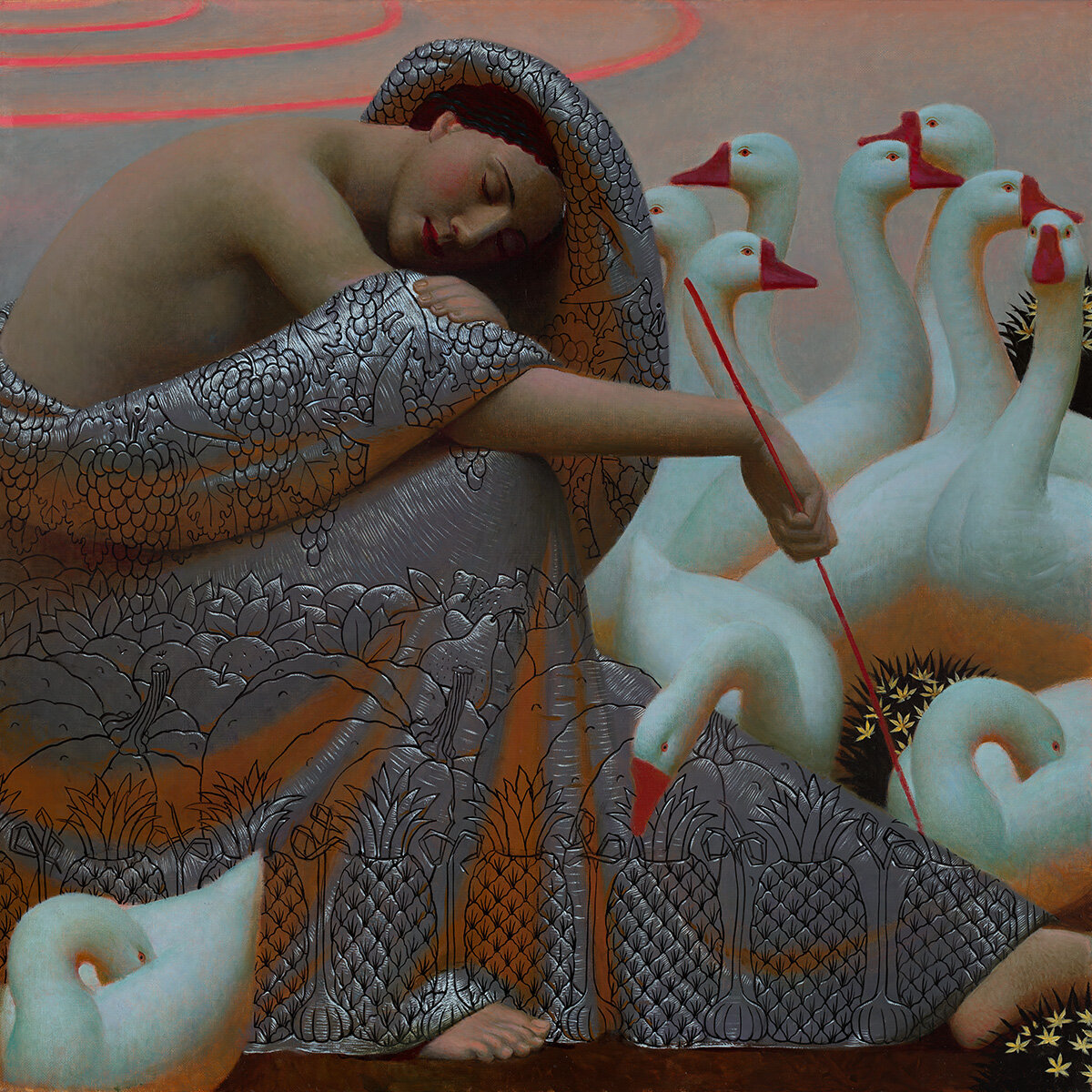
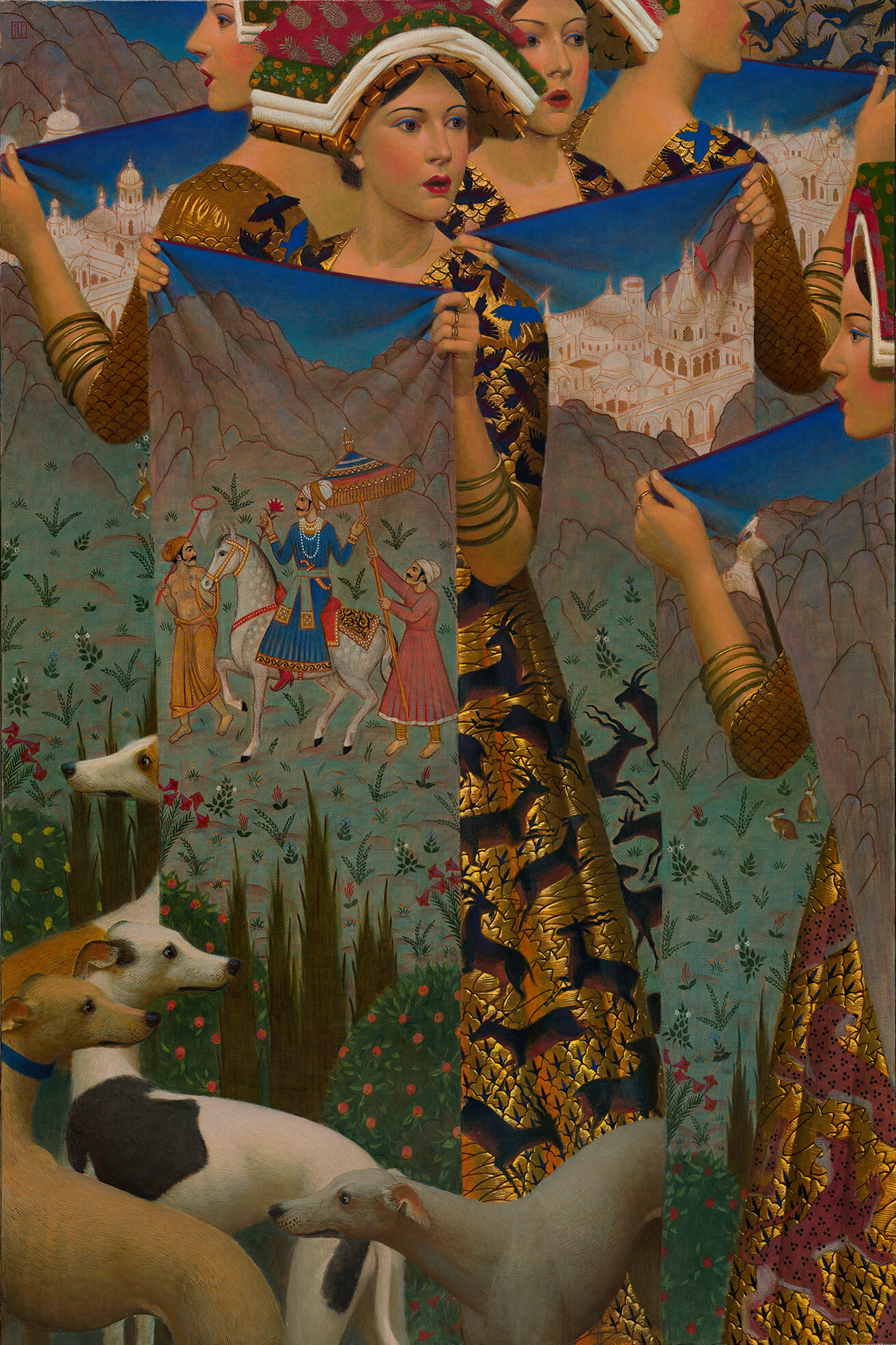
Andrey Remnev — modern Russian painter. The greatest popularity in the art world Remnev has gained for the paintings with visual motifs of Russian provincial life performed with a mix of late renaissance composition, ancient icons portraiture and Russian art of the 18th century.