DESIGNCOLLECTOR

3rd Wave of Inspiration

Since 2003

  • Latest
    • FACE
    • All Posts
    • NFT & AI ART
    • Art
    • Design
    • Photography
    • Illustration
    • Videos
    • Digital Art
    • Interiors
  • Music
    • Latest
    • 2021
    • 2020
    • 2019
    • 2018
    • 2017
    • 2016
    • 2015
    • 2014
    • Mixtapes
  • Archive
    • 2024-25
    • 2023
    • 2022
    • 2021
    • 2020
    • 2019
    • 2018
    • 2017
    • 2016
    • 2015
  • About
  • Submit

Light Barrier

May 23, 2017 by Arseny Vesnin in 2017, Digital Art, South Korea

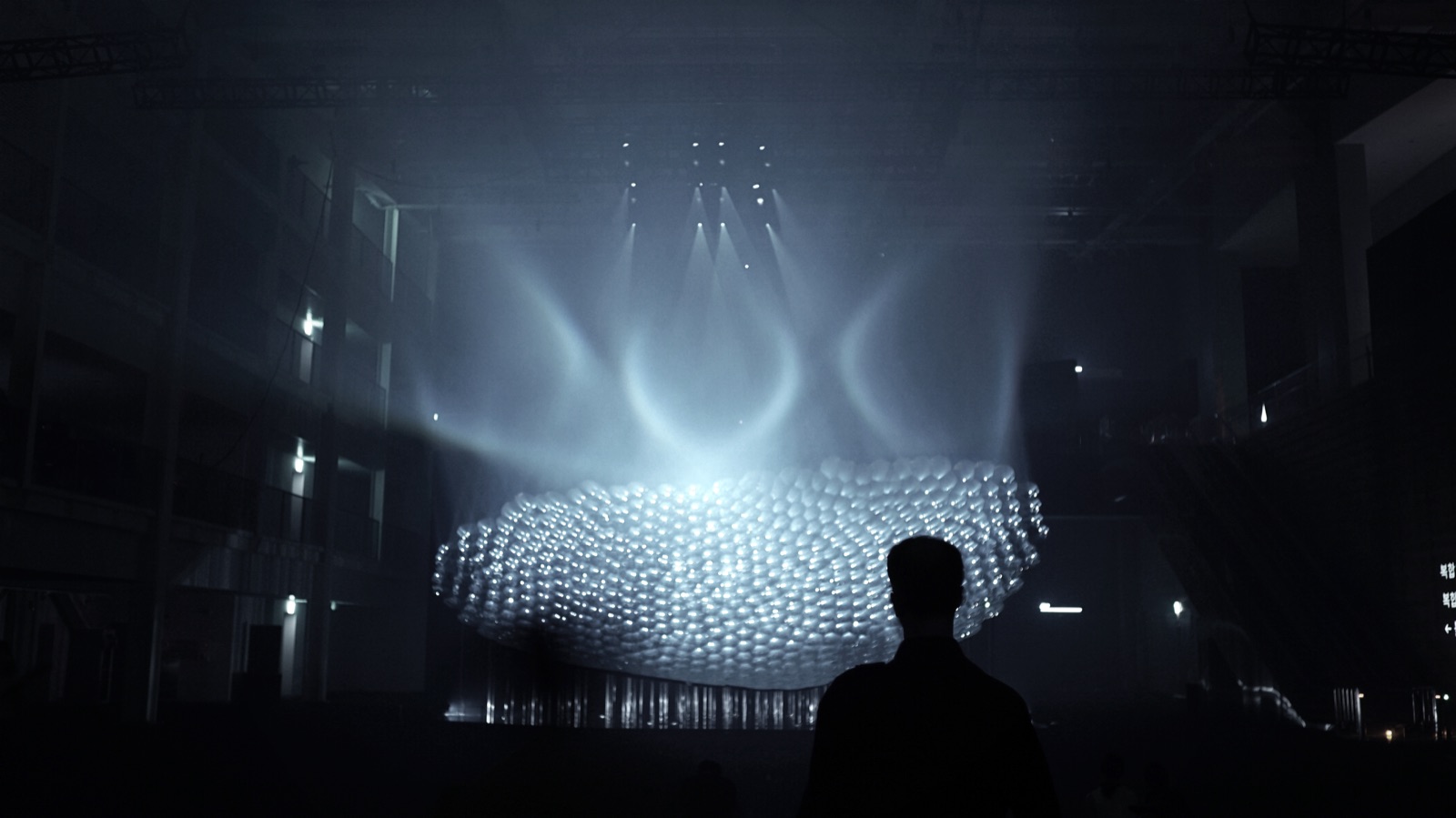
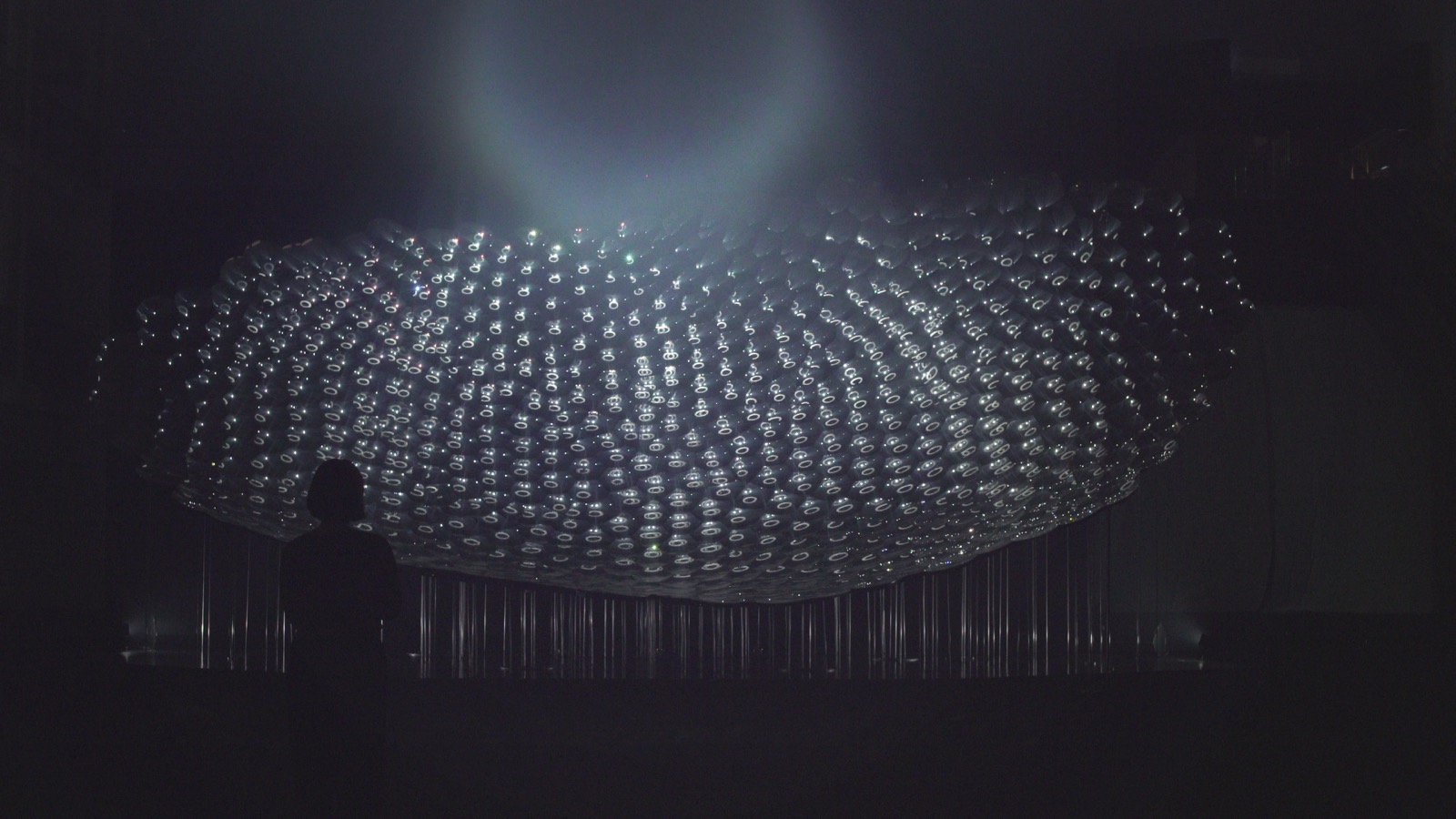
Created by Seoul based duo Kimchi and Chips, The Light Barrier Third Edition is the latest and largest in the series of works by the studio to create volumetric drawings in the air using hundreds of calibrated video projections.

The installations present a semi-material mode of existence, materialising objects from light. The third edition continues to exploit the confusion and non-conformities at the boundary between materials and non-materials, reality and illusion, and existence and absence. The viewer is presented with a surreal vision that advances the human instinct of duration and space. The name refers to the light barrier in relativistic physics, which separates things that are material from things that are light, and since 1983 has been used to specify the exact meaning of the metric system of spatial measure.
light-barrier3.jpg
light-barrier2.jpg
light-barrier1.jpg
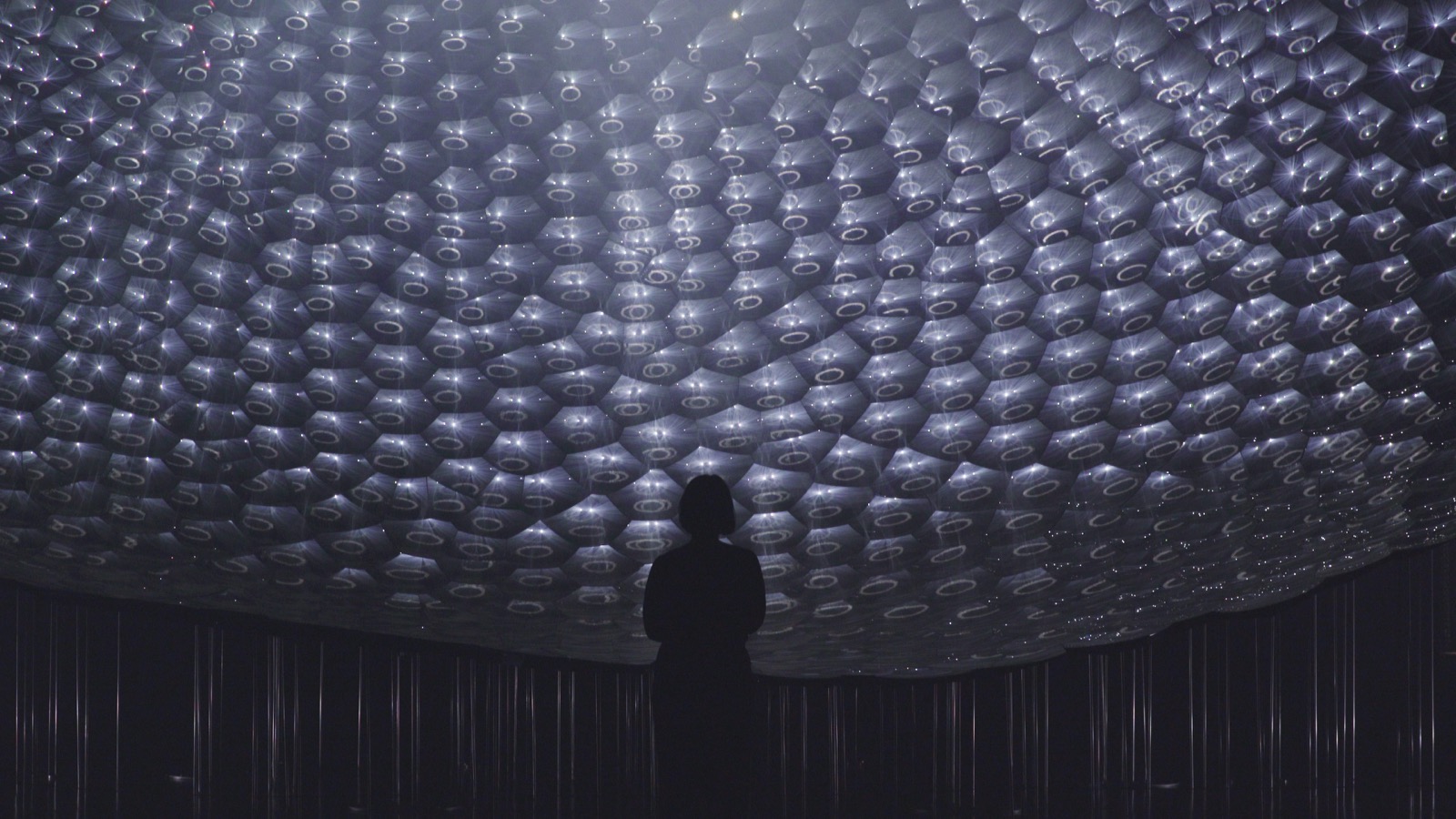
The Light Barrier series by studio Kimchi and Chips create volumetric drawings in the air using hundreds of calibrated video projections. These light projections merge in a field of fog to create graphic objects that animate through physical space as they do in time. The installations present a semi-material mode of existence, materializing objects from light. The third edition continues to exploit the confusion and non-conformities at the boundary between materials and non-materials, reality and illusion, and existence and absence. The viewer is presented with a surreal vision that advances the human instinct of duration and space. The name refers to the light barrier in relativistic physics, which separates things that are material from things that are light, and since 1983 has been used to specify the exact meaning of the metric system of spatial measure. The 6-minute sequence employs the motif of the circle to travel through themes of birth, death, and rebirth, helping shift the audience into the new mode of existence. The artists use the circle often in their works to evoke the fundamentals of materials and the external connection between life and death. The artists are interested in how impressionist painters were inspired by the introduction of photography to create 'viewer-less images'. The installation allows images to arise from the canvas, creating painting outside of perspective. It is a direct approach to the artists’ theme of ‘drawing in the air’. In this third edition, 8 architectural video projectors are split into 630 sub-projectors using an apparatus of concave mirrors designed by artificial nature. Each mirror and its backing structure are computationally generated to create a group that collaborates to form the single image in the air. By measuring the path of each of the 16,000,000 pixel beams individually, light beams can be calibrated to merge in the haze to draw in the air. 40 channels of audio are then used to build a field of sound which solidifies the projected phenomena in the audience’s senses. Artists : Kimchi and Chips (Mimi Son, Elliot Woods) Thanks to Engineering : Chung Youngjae, Studio Sungshin Sound design : Pi Junghoon Production team : Lee Soyoung, Yang Yoona, Yoh Donghoo, James G Jackson, Yi Donghoon, In collaboration with Arts & Creative Technology Center, ACC www.kimchiandchips.com
 

Making of

The Light Barrier series by studio Kimchi and Chips create volumetric drawings in the air using hundreds of calibrated video projections. These projects merge in a field of fog to create graphic objects that animate through physical space as they do in time. The installations present a semi-material mode of existence, materializing objects from light. Light Barrier Third Edition is a new installment in this series that exploits the confusion and non-conformities at the boundary between materials and non-materials, reality and illusion, and existence and absence. The viewer is presented with a surreal vision that advances the human instinct of duration and space. The name refers to the light barrier in relativistic physics, which separates things that are material from things that are light, and since 1983 has been used to specify the exact meaning of the metric system of spatial measure. The 6-minute sequence employs the motif of the circle to travel through themes of birth, death, and rebirth, helping shift the audience into the new mode of existence. The artists use the circle often in their works to evoke the fundamentals of materials and the external connection between life and death. The artists are interested in how impressionist painters were inspired by the introduction of photography to create 'viewer-less images'. The installation allows images to arise from the canvas, creating painting outside of perspective. It is a direct approach to the artists’ theme of ‘drawing in the air’. In this edition, 8 architectural video projectors are split into 630 sub-projectors using a structure of concave mirrors designed by artificial nature. Each mirror and its backing structure are computationally generated to create a group that collaborates to form the single image in the air. By accurately calibrating each of the 16,000,000 pixels individually, light beams can be merged in the haze to draw in the air. 40 channels of audio are then used to build a sound field that helps to solidify the projected phenomena in the audience's mind. The third edition of Light Barrier was commissioned by the Asia Culture Center in Gwangju. The technology is enabled by Rulr, an open source graphical toolkit for calibrating spatial devices, created by Kimchi and Chips. Concept, Design, Programming by Kimchi and Chips Mimi Son Elliot Woods Sound Design Junghoon Pi Engineering Youngjae Chung Studio Sungshin Production Team Soyoung Lee Yoona Yang James G Jackson Donshoo Yoh Donghoon Yi Asia Culture Institute ACT Center Studio Team ACT Center R&C Team Videography Seunghyeok Bak Yooseok Kim Asia Culture Center

Read more about creation process on the Creative Applications

May 23, 2017 /Arseny Vesnin /Source
MAY
2017, Digital Art, South Korea
  • Newer
  • Older