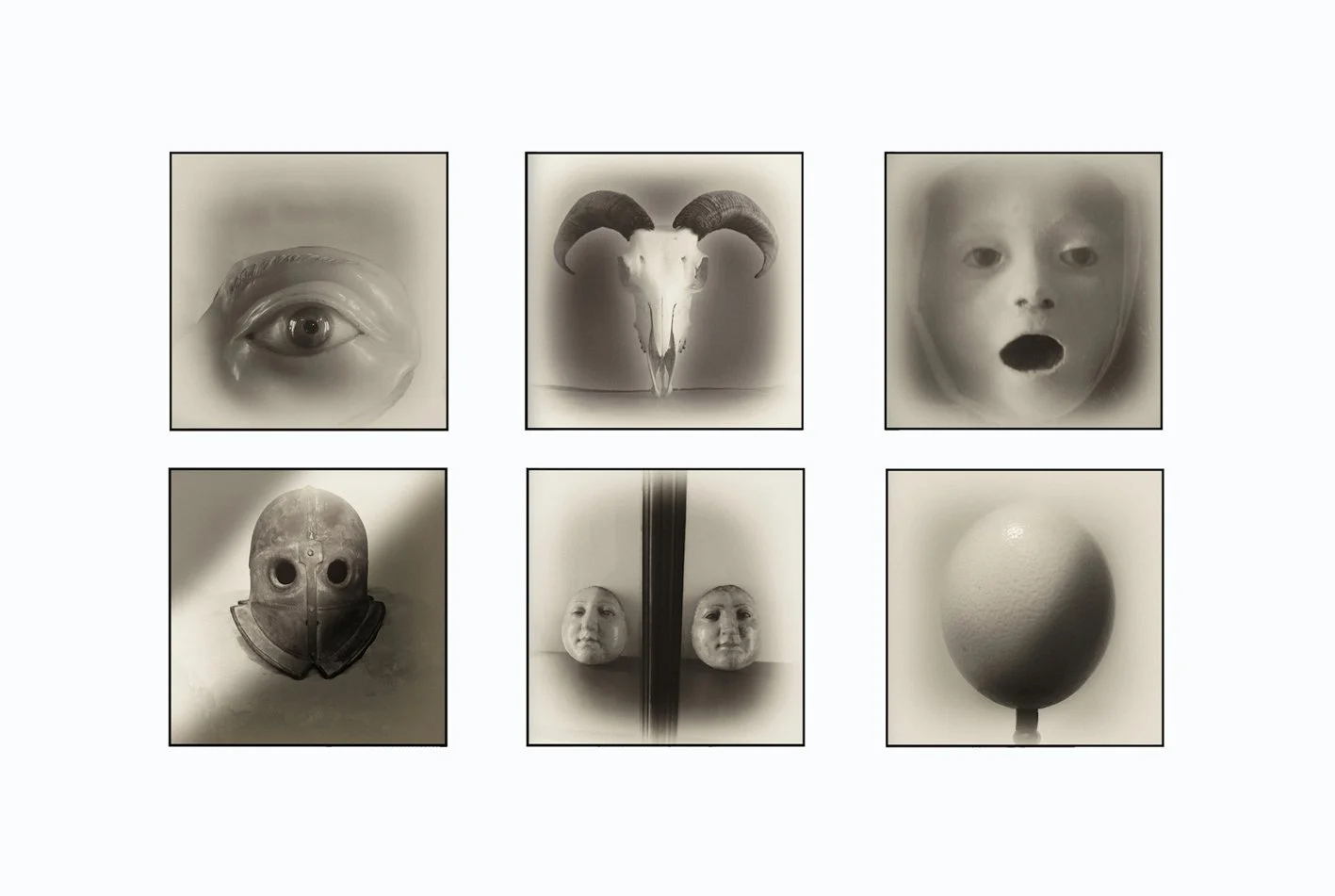
Armageddon, Augusto De Luca
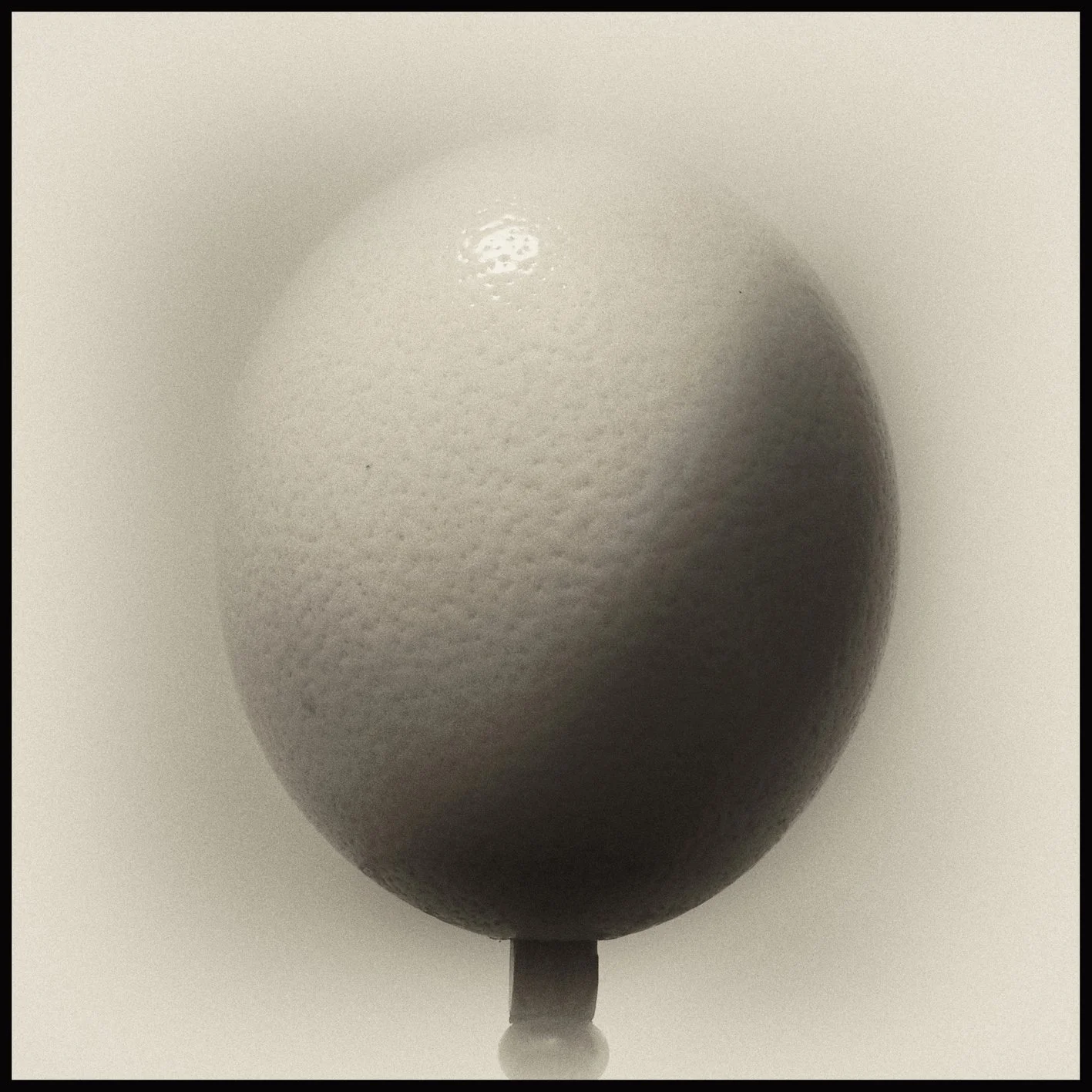
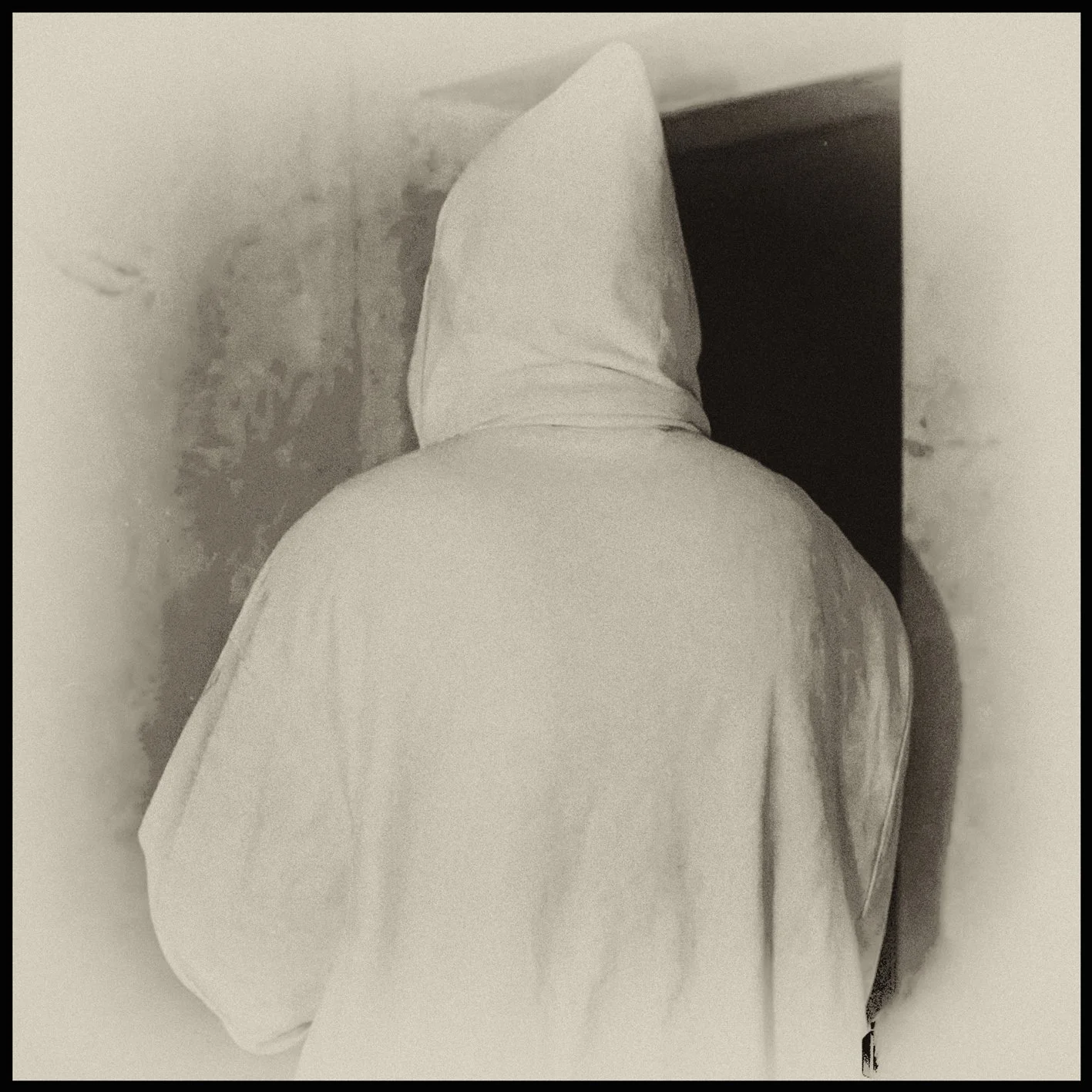
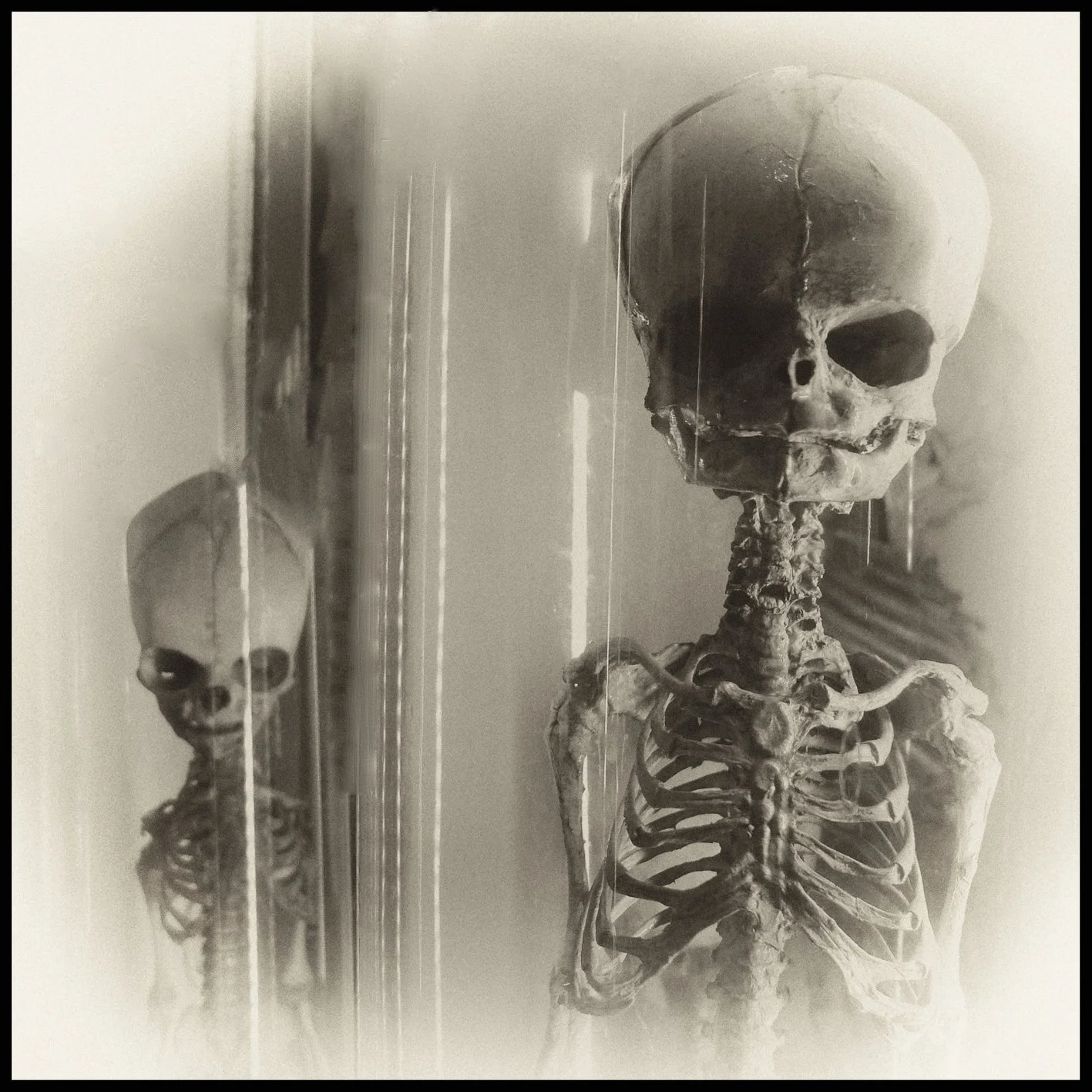
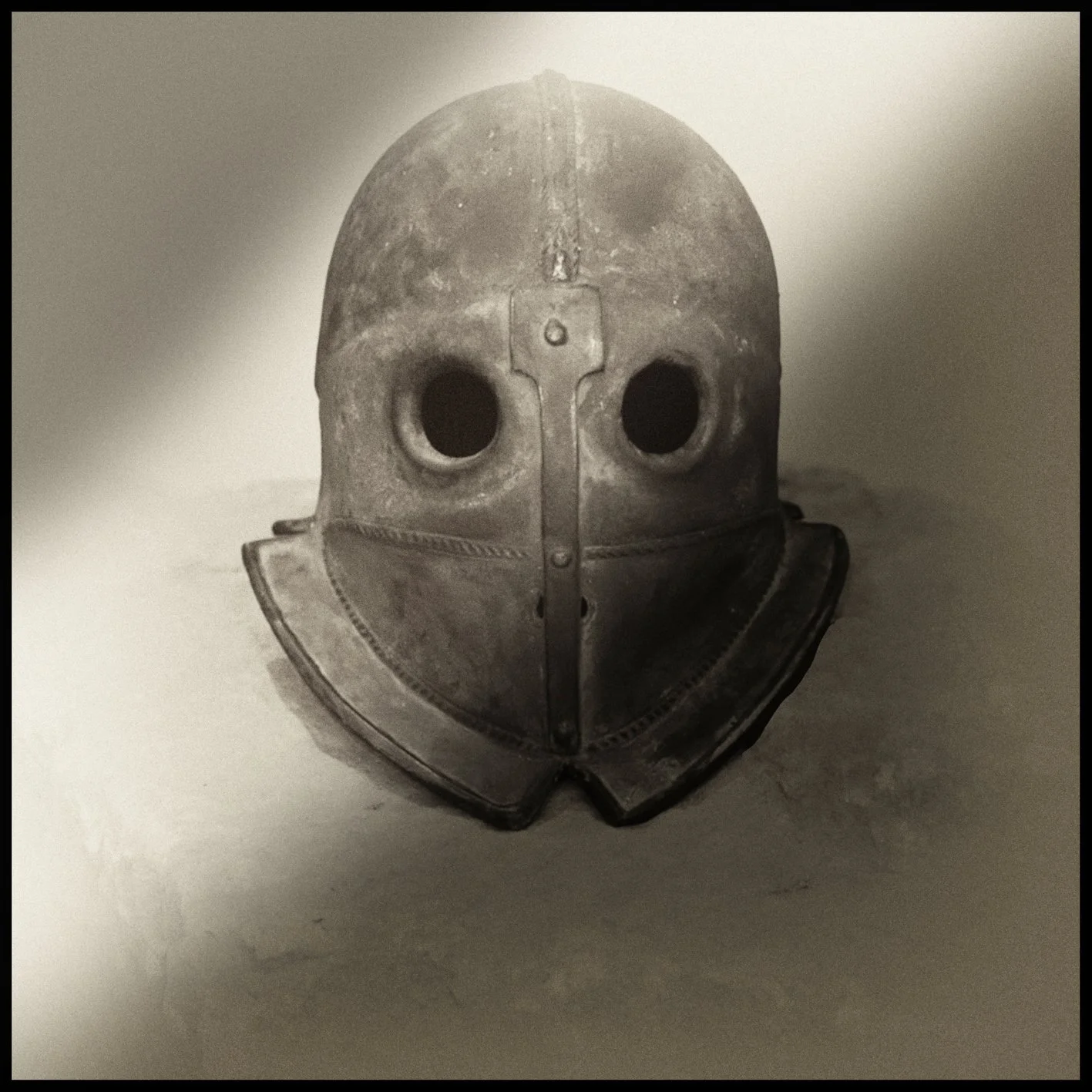
Neapolitan photographer Augusto De Luca (b. 1955) treats shadow not as absence, but as a scalpel. His black-and-white work operates on a principle of subtraction — light reveals, but shadow carves away, giving the image its depth and its metaphysical weight.
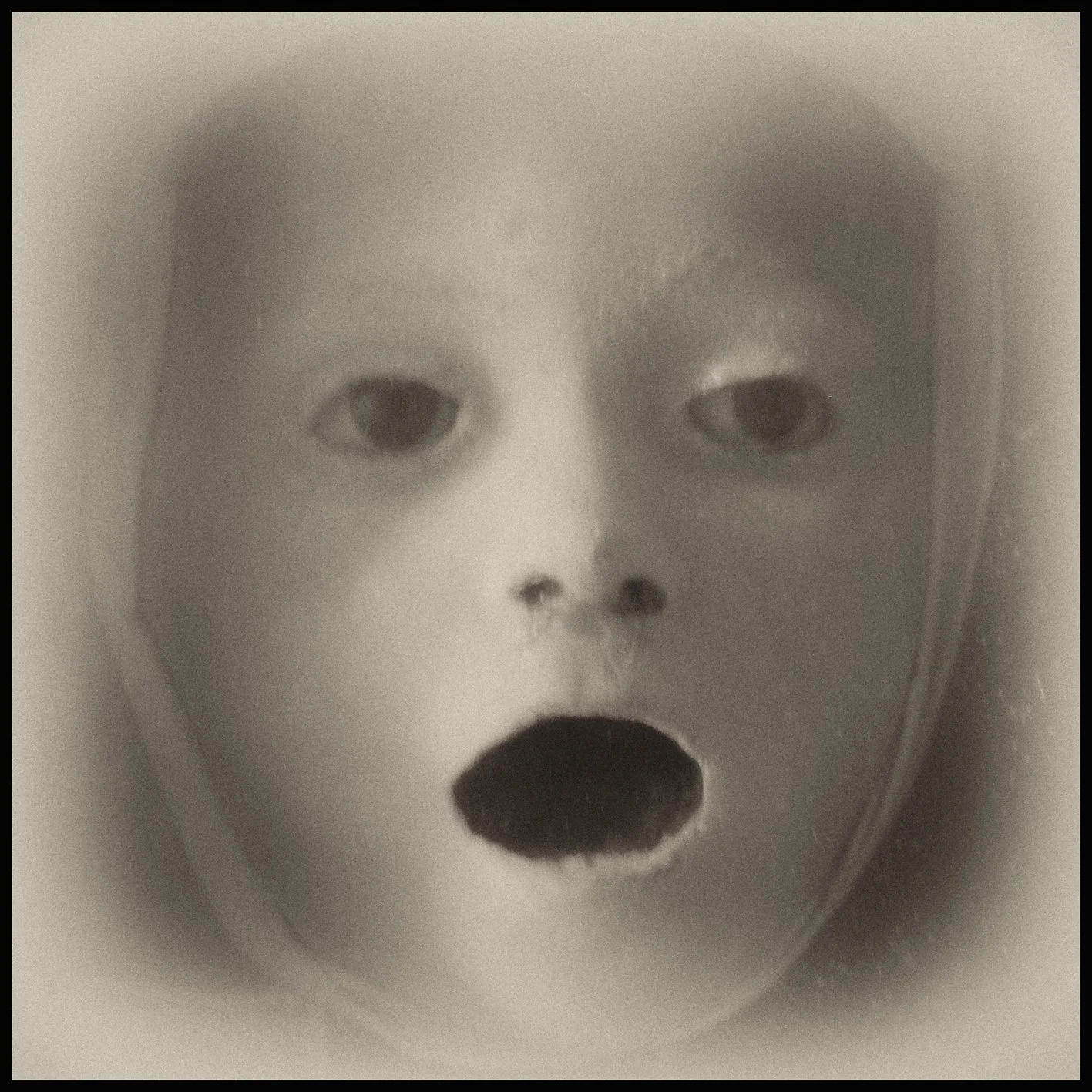
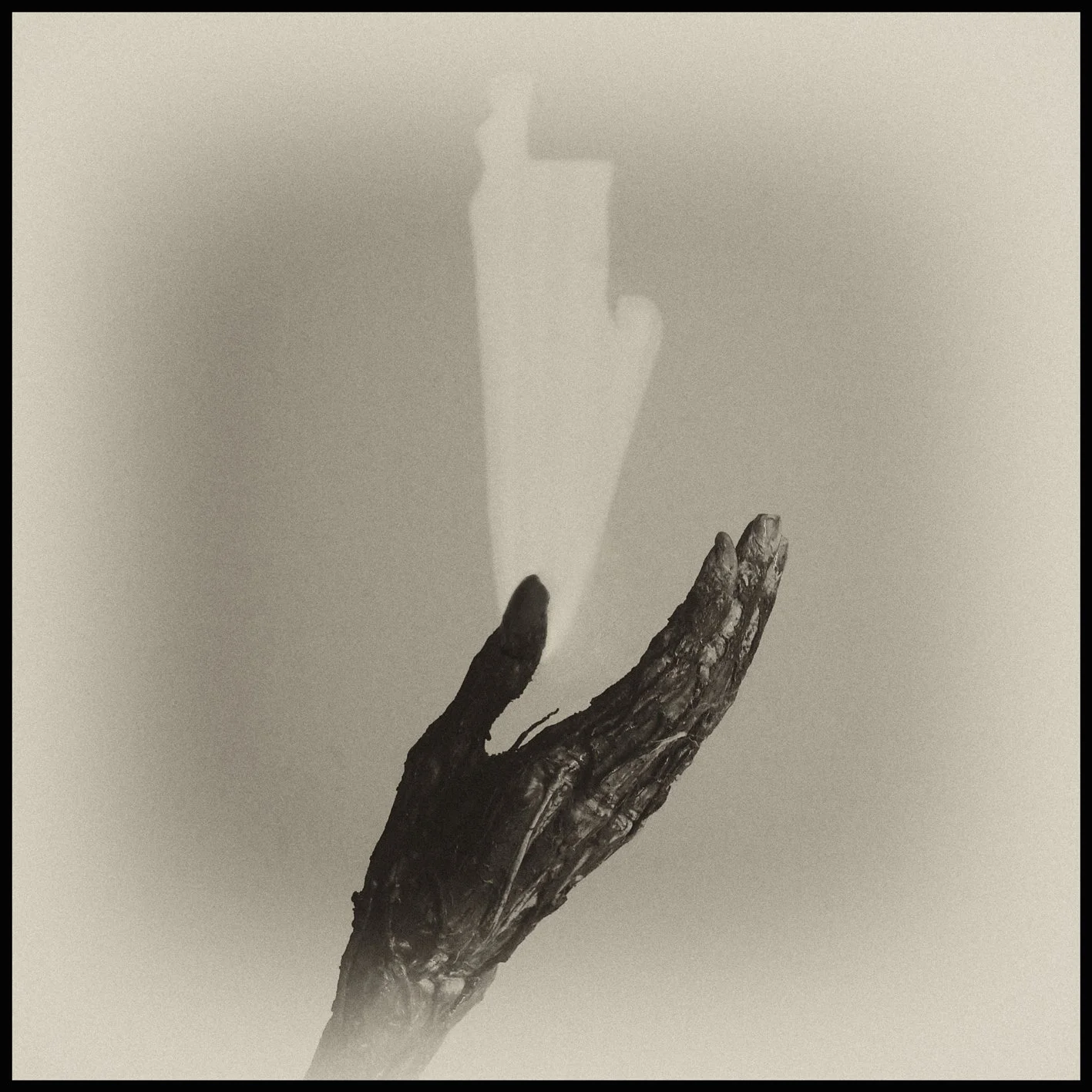
“Light enhances but its shadow deletes, thus giving the picture its depth, its third dimension and its subtractive properties.”
De Luca's pursuit is the distillation of images into their essential units: shapes, signs, the geometry of what remains after everything unnecessary has been cut away. His photographs sit at the border where rationality meets fantasy, where the decisive instant captures something fleeting yet somehow permanent.
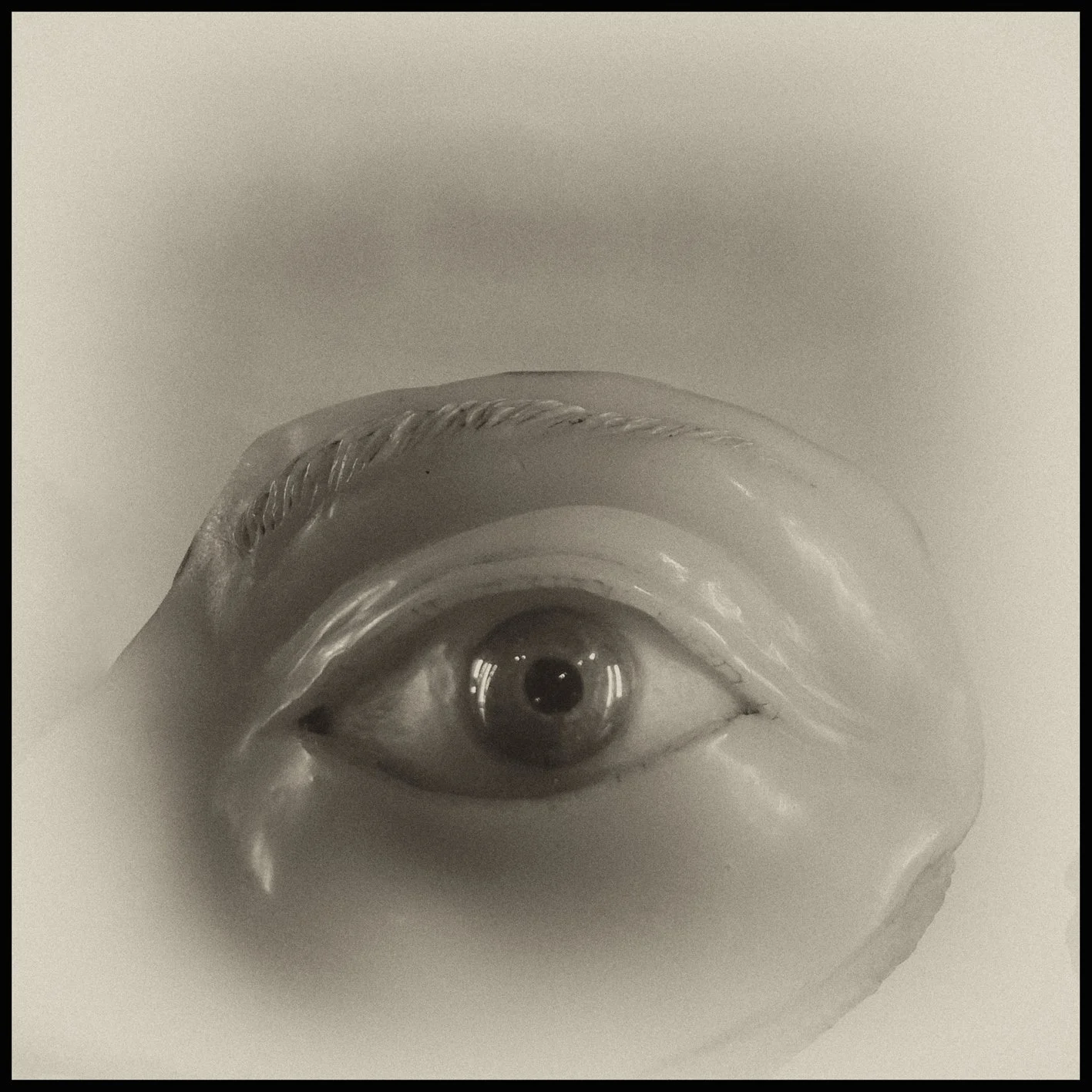
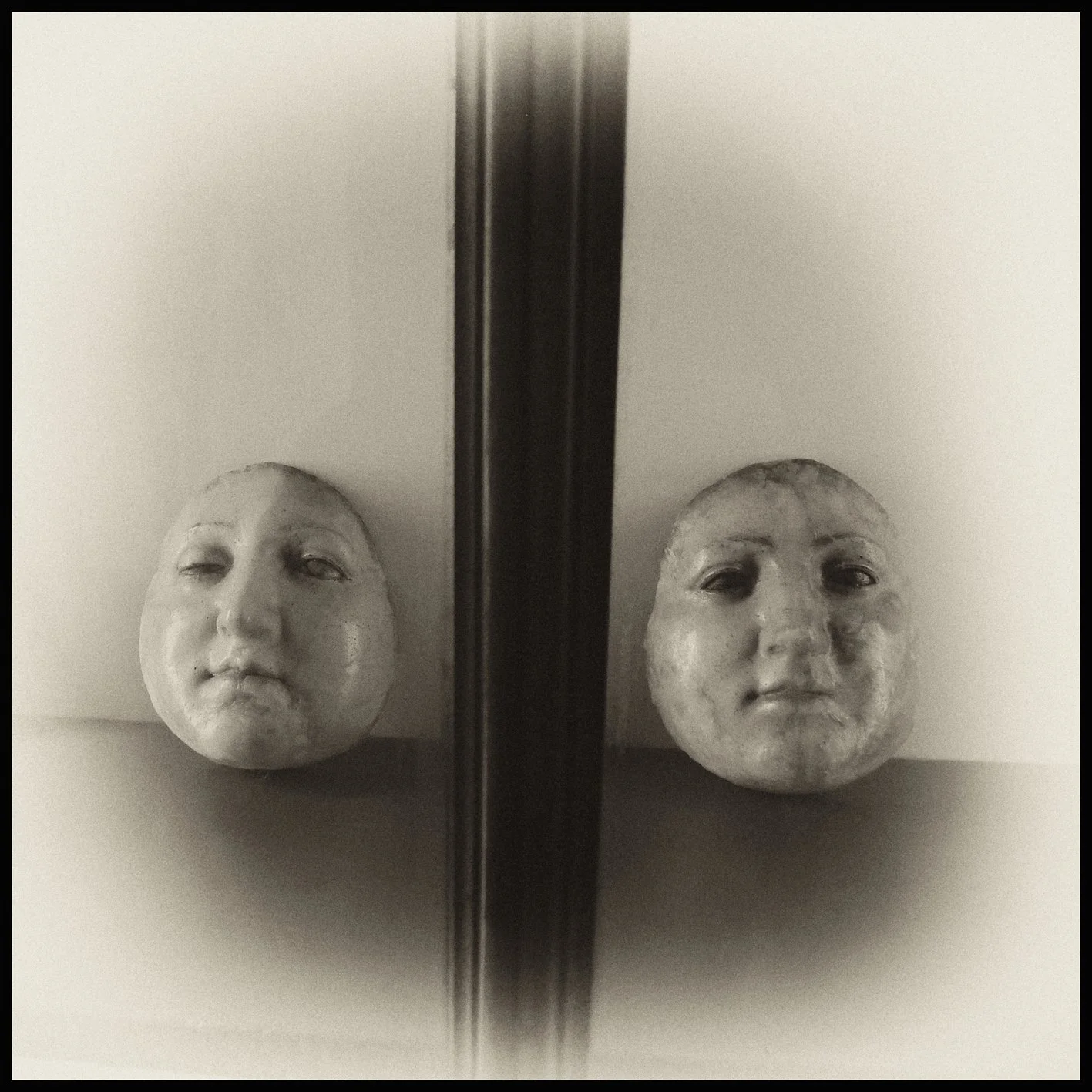
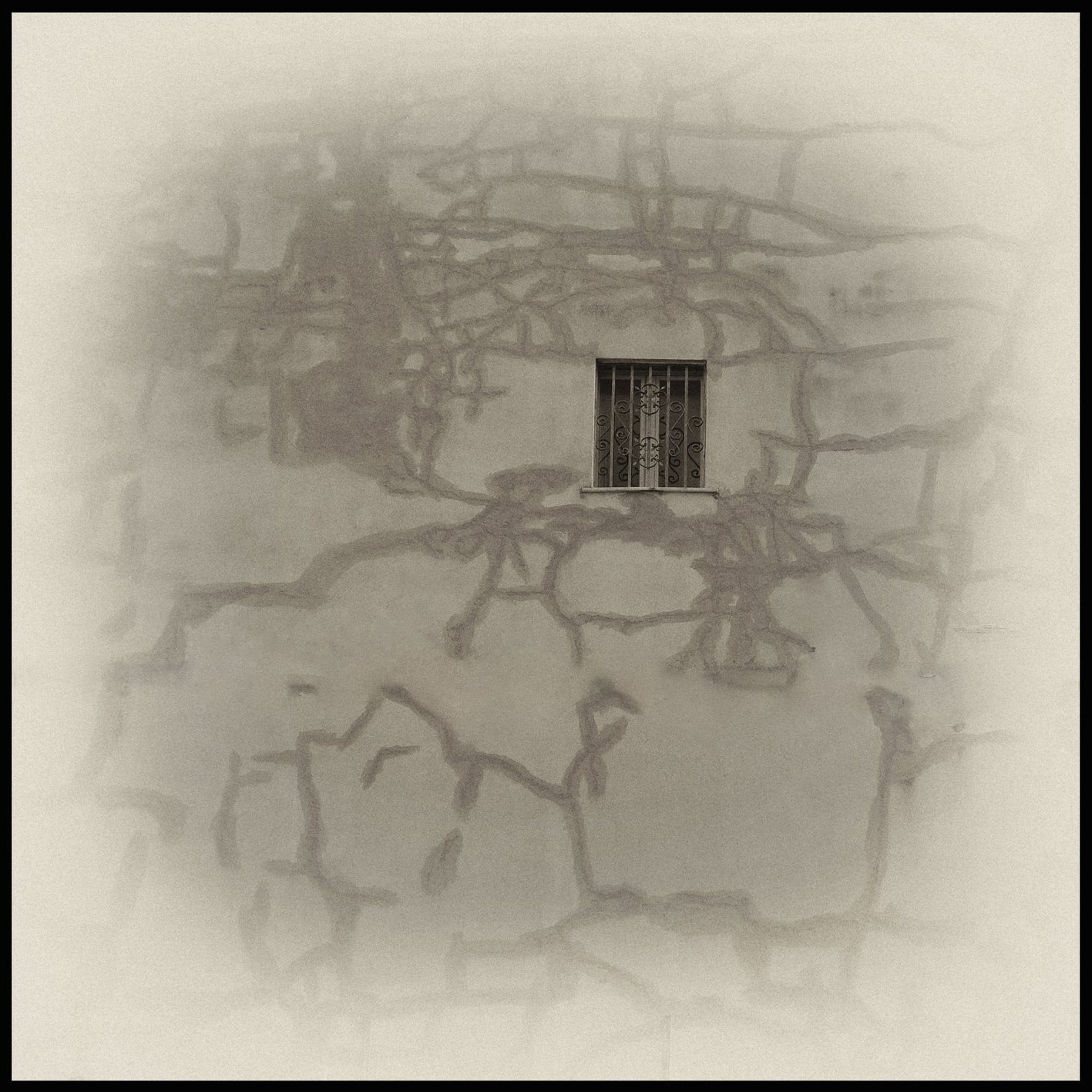
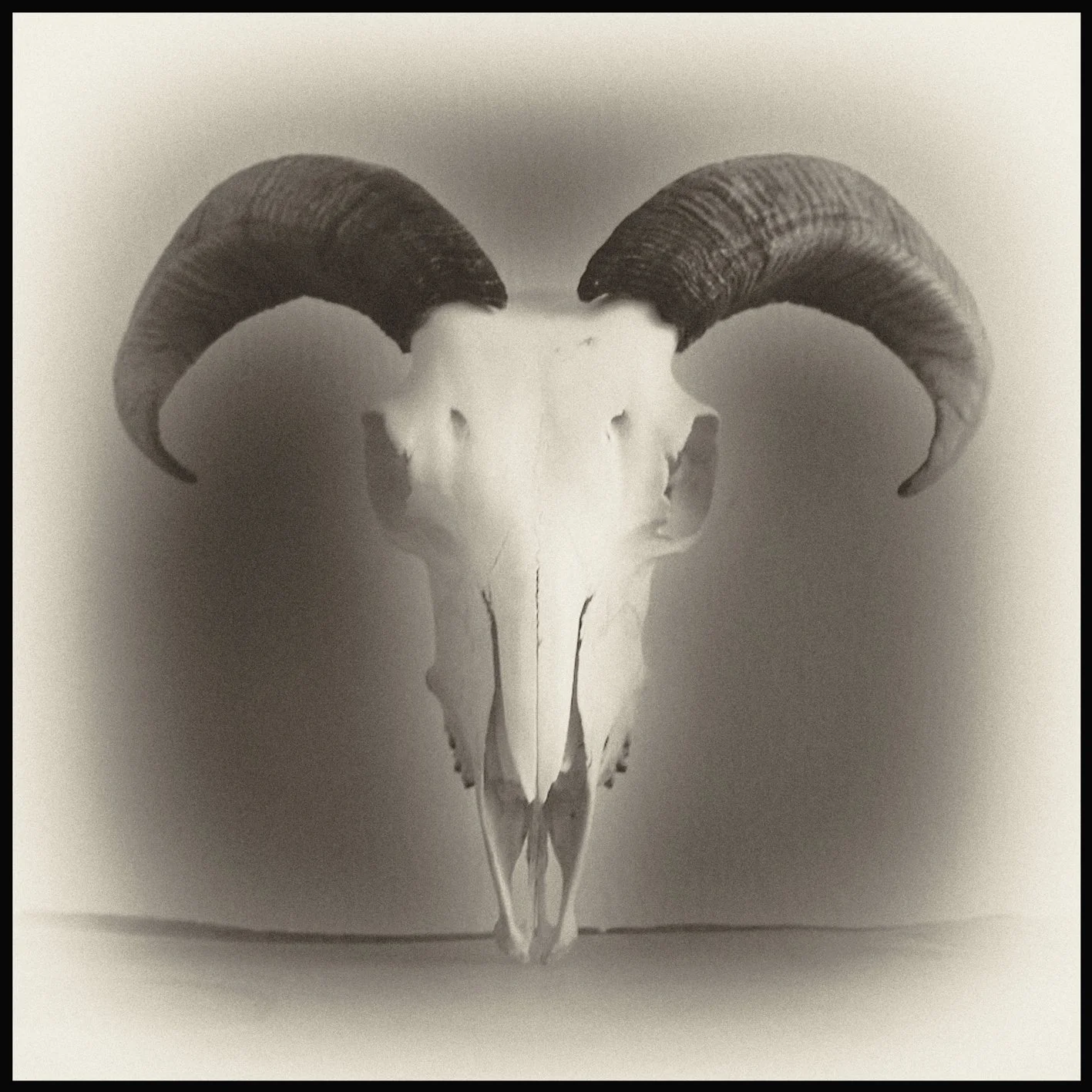
The Naples-based artist spent decades refining this visual philosophy, moving from Hasselblad medium-format film to digital, whilst maintaining his signature square format — a frame that demands compositional discipline. His sculptural and architectural subjects become studies in what light chooses to show and what darkness chooses to take.